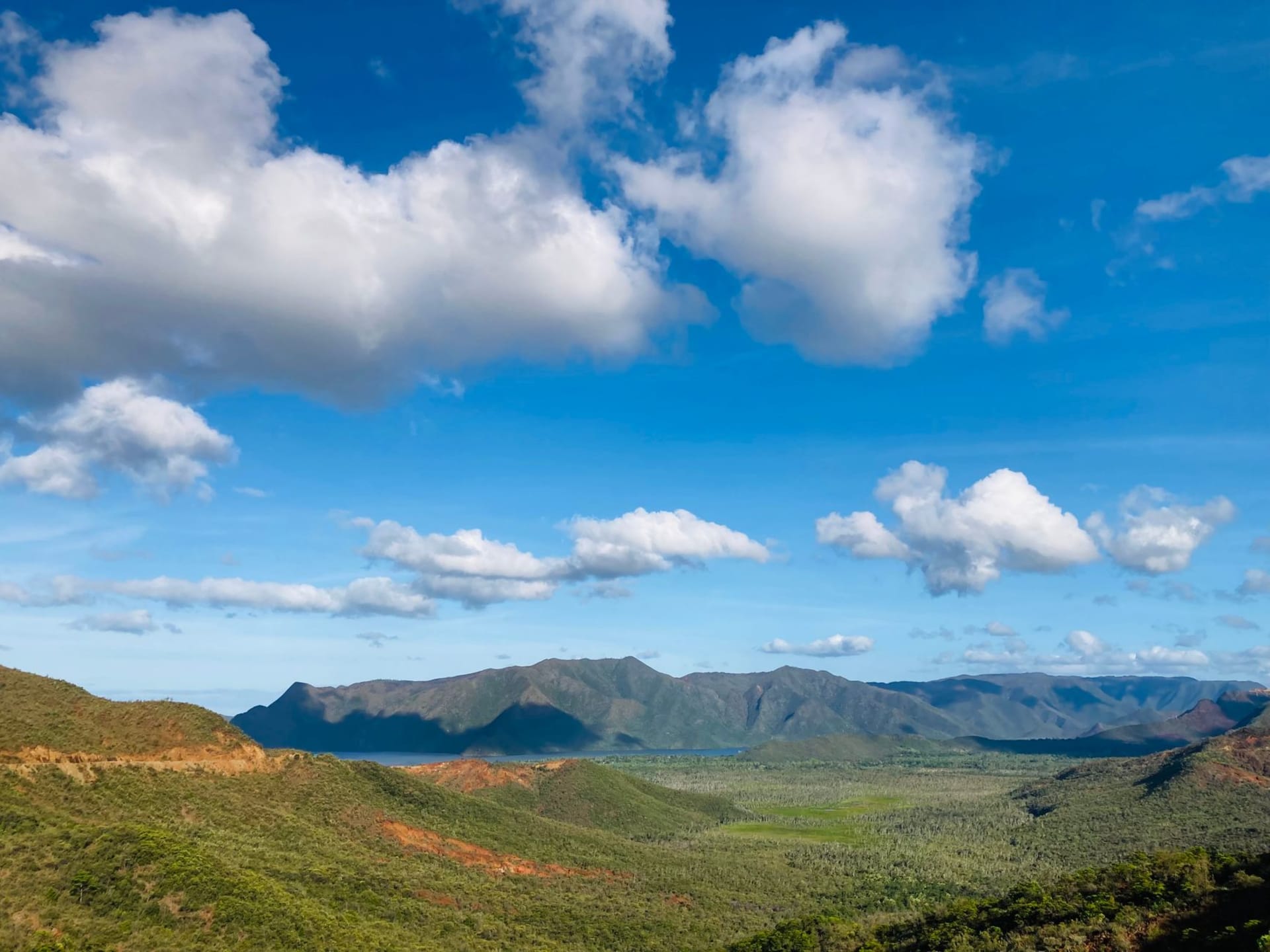
Baie de Prony
"Prony is what happens when a place stops being inhabited but forgets to stop being beautiful."
A ghost town, hot springs, and mangrove labyrinth at the southern tip of Grande Terre, where the island goes quiet in a way that feels geological.

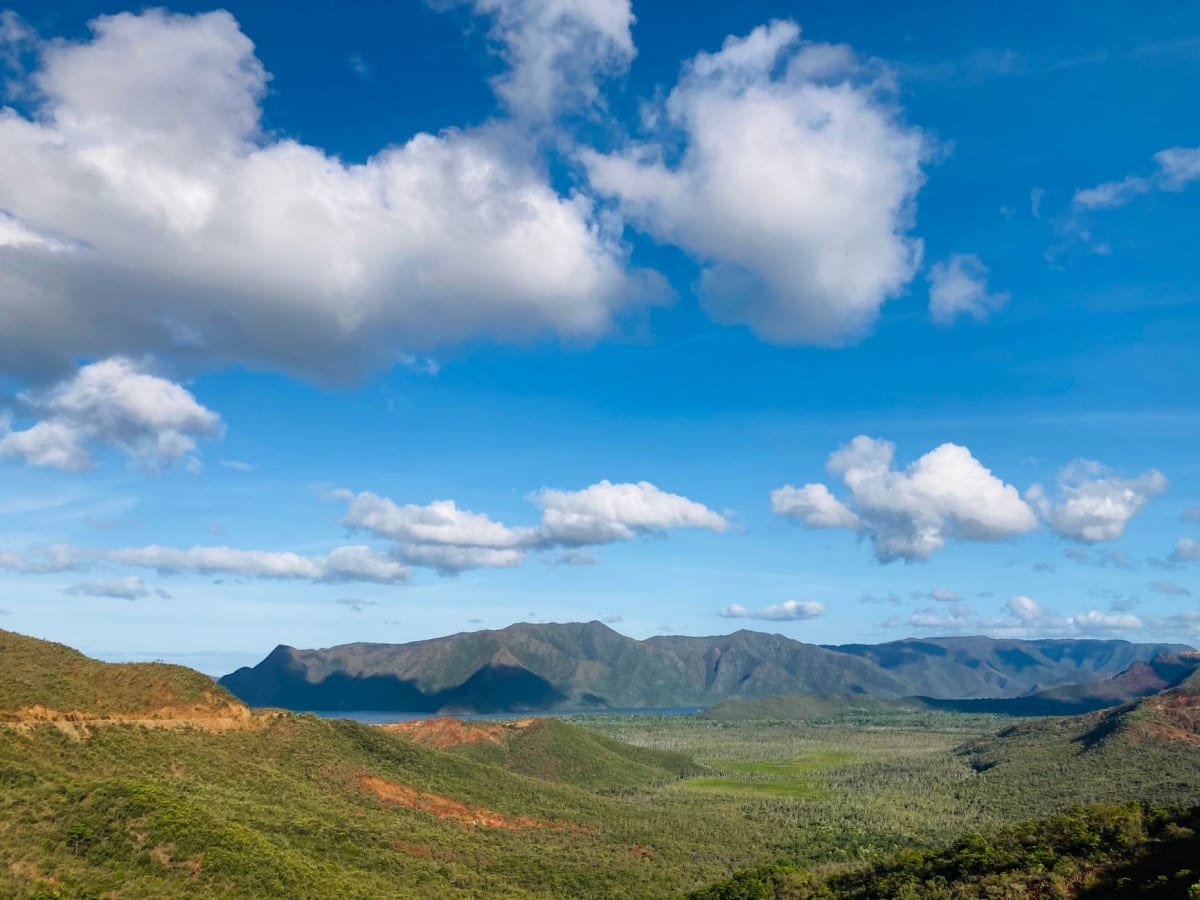
The road to Baie de Prony runs south from the Yaté valley along a peninsula that narrows as it goes, the forest closing in on both sides, the asphalt deteriorating into potholes and then into gravel and then into something that requires a certain commitment from whatever vehicle you’re driving. I had a small rental car and used it unwisely, but it got there. The bay appeared around a final bend — wide and flat, the water barely distinguishable from the sky on an overcast morning, the ruins of the old village emerging from the mangrove edge.
Prony is a ghost settlement. The colonial penal administration built it in the 1860s as a base for convict labour — the stone buildings they constructed still stand, or partially stand, their walls covered in fern and the kind of moss that requires consistent humidity and several decades of neglect to achieve its current density. The chapel is the most intact structure: its roof is gone but the walls are solid and the coral stone has weathered to a tone that suggests something between grey and ochre. I walked through it at a pace that felt appropriate for a building that old and that empty, and the birds made noise in the trees outside but nothing else did.
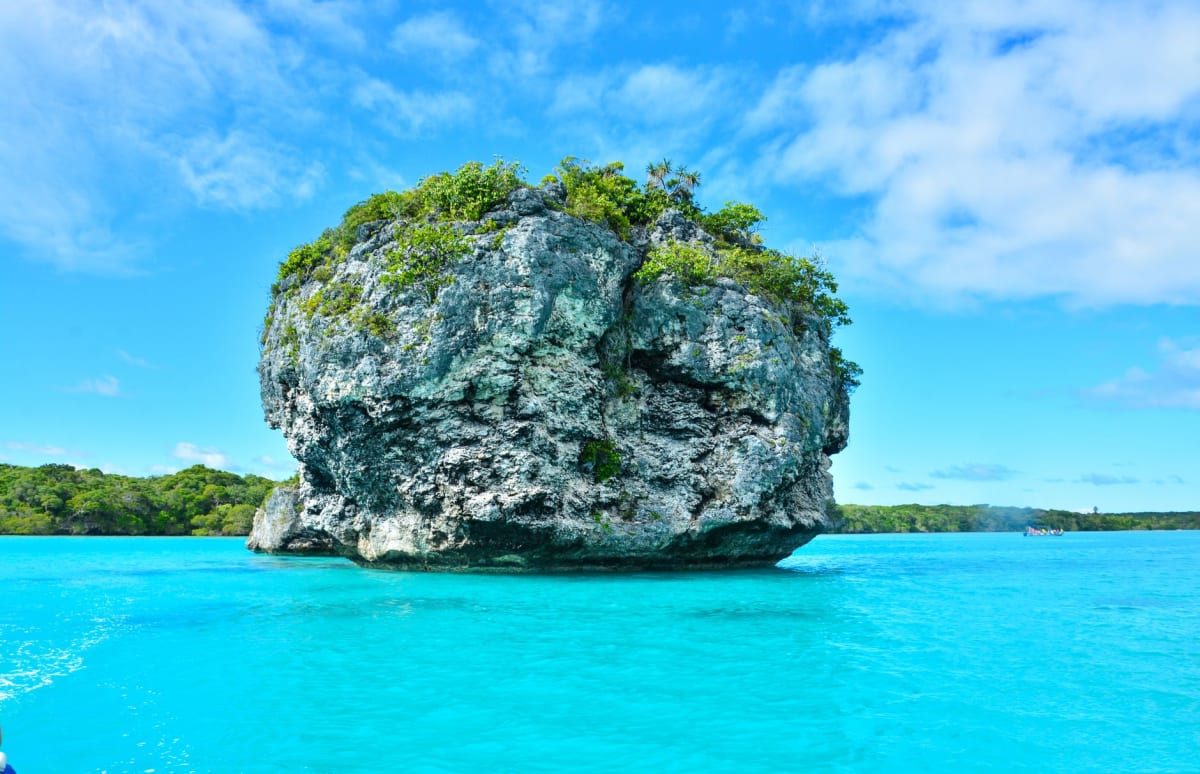
The hot springs are a short walk from the old village along a path that follows the shore, and they are genuinely strange. The water emerges from the ground at around 40°C, coloured faintly mineral — a slight rust tinge from the iron content — and flows into a series of pools before reaching the sea. The largest pool is deep enough to swim in, warm in a way that should feel uncomfortable in tropical humidity but somehow doesn’t. I lay in the water for half an hour on a morning that was already warm and felt absolutely fine about it. The smell is mineral and slightly sulphurous and very specific — not unpleasant, just unmistakable, the smell of the earth making clear that it has its own processes operating below the surface.
The bay itself is a significant mangrove ecosystem. The southern mangroves of Grande Terre are among the most extensive in the Pacific, and from the water — rented kayaks are available from a small operator near the Prony road junction — the mangrove channels become a maze, the roots creating arches over the water, the light filtering through the canopy in a green-grey diffusion that makes the whole thing feel submarine even though you’re on the surface. I paddled for three hours without seeing another human being. What I saw instead: a sea eagle on a dead mangrove branch, juvenile reef sharks moving through the shallows at the root edges, a kingfisher that preceded me through several channels as if guiding the tour.
There is no accommodation at Prony itself — the nearest is at Yaté or back toward Nouméa. This makes it a long-day destination or, if you are willing to camp, the site of a genuinely isolated night in the southern wilderness. I drove back to Nouméa in the late afternoon with the bay in the rear-view mirror, and for the first twenty minutes of the drive I could still smell the hot springs — that mineral-and-salt combination specific to wherever the interior of the earth meets the edge of the Pacific.
When to go: April through October covers the dry season and the most comfortable window for the drive and the kayaking. The mangrove channels are navigable year-round, but the wet season turns the road to Prony into a serious challenge for any vehicle without high clearance. The hot springs are, logically, better appreciated in the cooler dry months when the ambient temperature makes soaking in warm water a pleasure rather than an ordeal.
Keep exploring
More from New Caledonia
 new-caledonia
 Bourail
A cattle town on Grande Terre's west coast where the land smells of red dust and dry grass and the sea is an hour's drive in the wrong direction.
Explore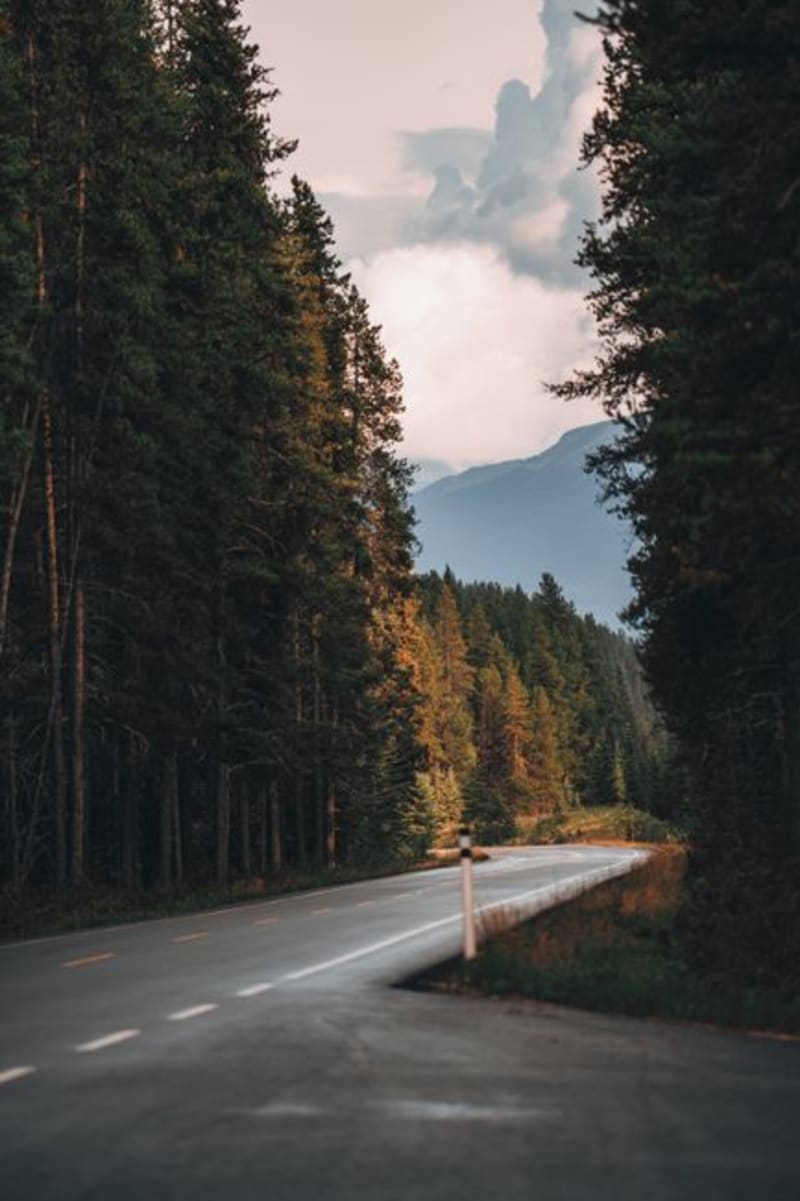 new-caledonia
 Canala
An east coast stronghold of Kanak custom and hot springs, reached by a mountain road that makes you understand why this side of the island stayed independent-minded longer than most.
Explore new-caledonia
 Hienghène
A northern village where black limestone towers rise from the water and Kanak culture feels less like history than the present tense.
Explore new-caledonia
 Isle of Pines
An island so improbably beautiful that the natural swimming pools feel more like hallucinations than geography.
Explore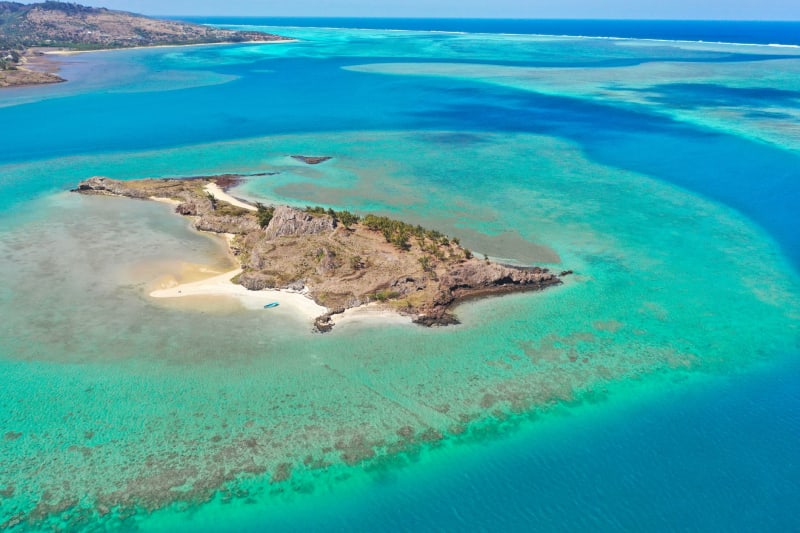 new-caledonia
 Koné
The quiet provincial capital of the north, a crossroads town where the road to the tribal territories begins and the Pacific finally feels far from France.
Explore new-caledonia
 Koumac
A far-north mining town where the road finally starts to feel remote, and where a cave system underneath the limestone hills nobody mentions until you ask.
Explore