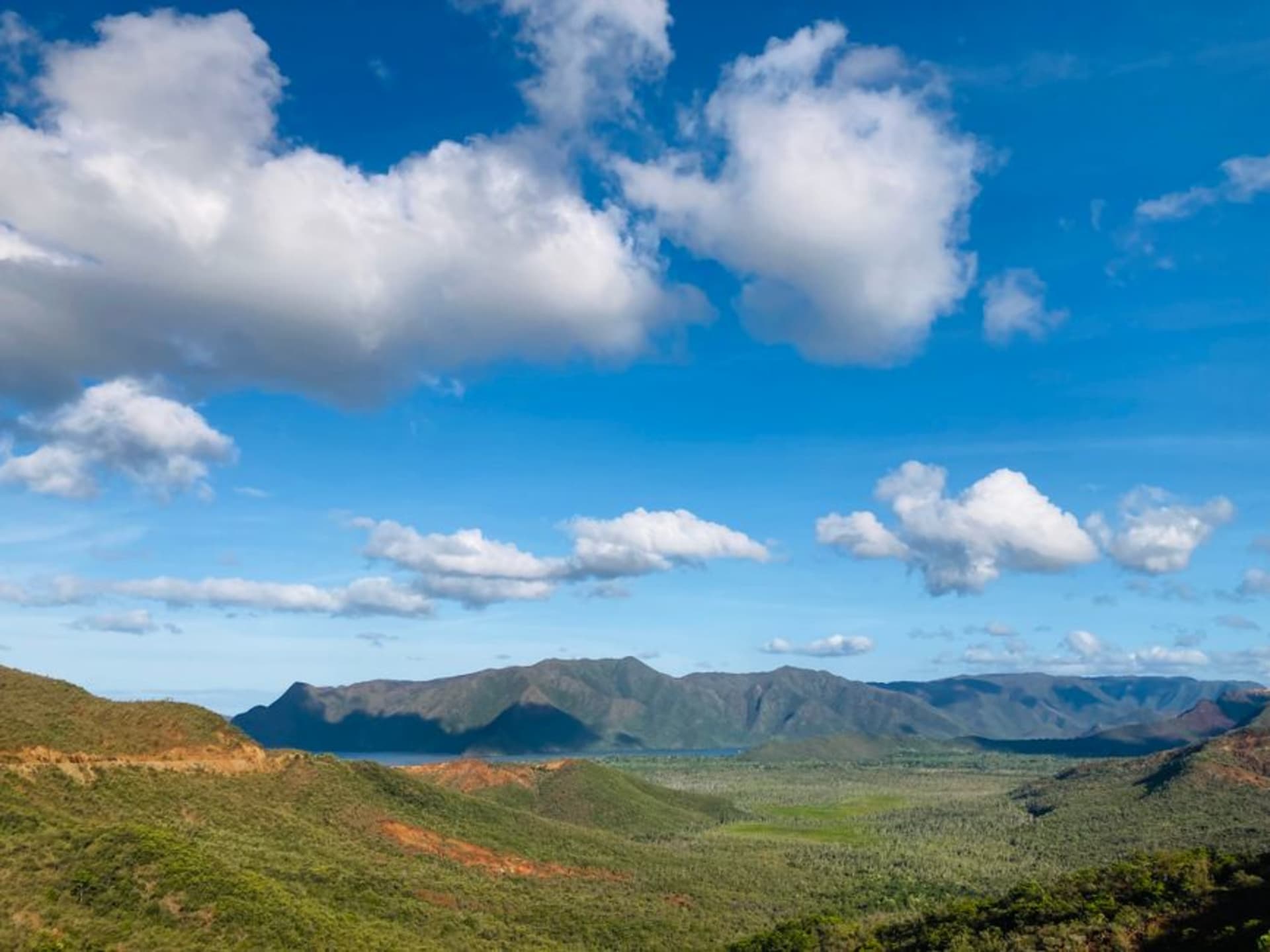
An east coast stronghold of Kanak custom and hot springs, reached by a mountain road that makes you understand why this side of the island stayed independent-minded longer than most.

Getting to Canala is part of the point. The road in from Thio climbs and drops through the central mountain range in a series of switchbacks tight enough that I stopped twice just to let my stomach settle, forest closing in on both sides so densely that the sky disappears for long stretches. It is one of the more physically dramatic drives on Grande Terre, and it deposits you on the east coast in a town that has a reputation, deserved as far as I could tell, as one of the more strongly Kanak-identified communities in New Caledonia — a place where French administrative presence feels thinner and tribal custom and land tenure feel correspondingly stronger.
I was in Canala during a small tribal ceremony that a contact had arranged permission for me to observe respectfully from a distance, and the formality of it — the customary exchange of gifts, the speeches in a mix of French and the local Paicî language, the unhurried pace of a process that clearly was not going to be sped up for anyone’s convenience — was a useful corrective to how quickly I had come to think of New Caledonia as a beach destination with a French accent. This region reminded me, bluntly, whose land it actually is.

Canala also has a set of natural hot springs a short drive from the town centre, simple thermal pools set into the rock with the sulphurous smell that gives the game away before you see the steam. They are unglamorous and entirely unregulated by resort standards — no changing rooms, no attendant, just a pool of genuinely hot water that locals use much the way a small town anywhere might use a communal bath, and a couple of teenagers who had clearly been coming here their whole lives showed me the deepest, hottest pool without being asked.

Canala will not appear on a shortlist built from a glossy brochure, and that is precisely the case for going. It is one of the places in New Caledonia where the Kanak side of the territory’s identity is not a cultural exhibit but simply the operating reality of daily life.
When to go: April through November for the driest, safest mountain-road conditions. If you have any interest in observing tribal custom, arrange contact through a local guide well in advance rather than showing up unannounced.
Keep exploring
More from New Caledonia
 new-caledonia
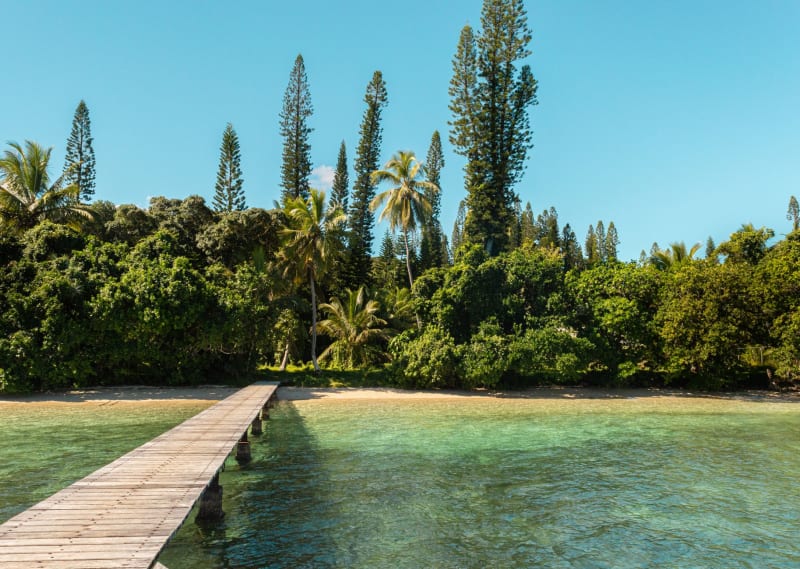
 Hienghène
A northern village where black limestone towers rise from the water and Kanak culture feels less like history than the present tense.
Explore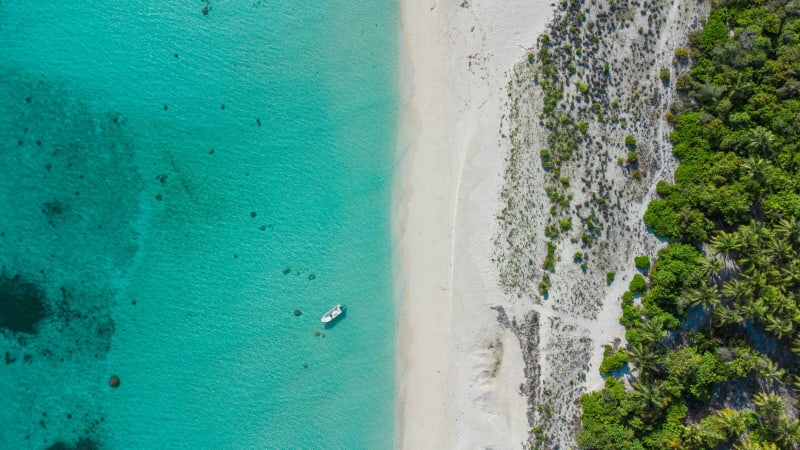 new-caledonia
 Isle of Pines
An island so improbably beautiful that the natural swimming pools feel more like hallucinations than geography.
Explore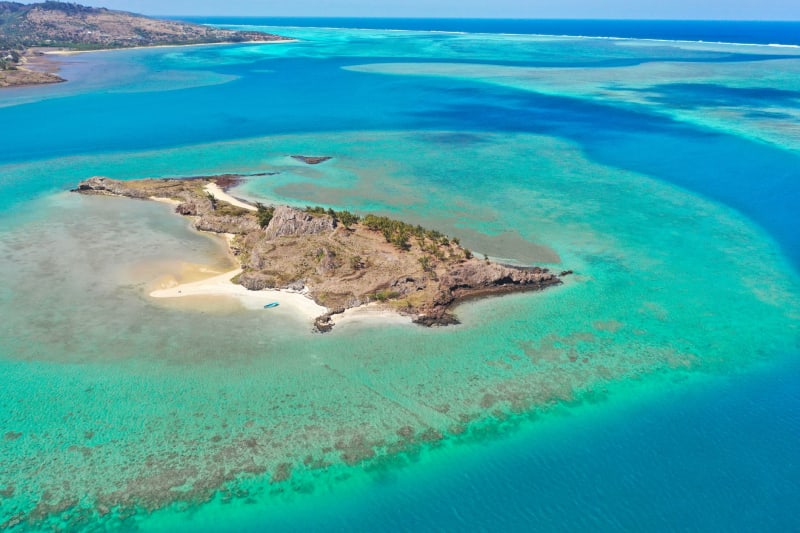 new-caledonia
 Koné
The quiet provincial capital of the north, a crossroads town where the road to the tribal territories begins and the Pacific finally feels far from France.
Explore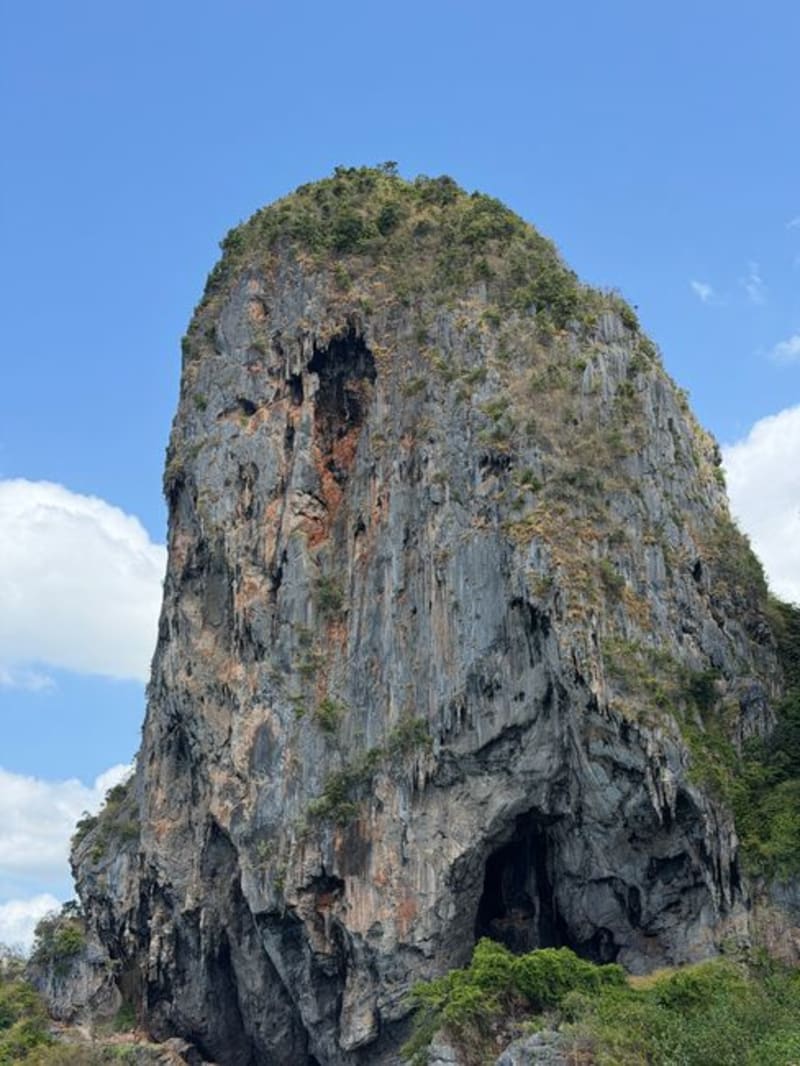 new-caledonia
 Koumac
A far-north mining town where the road finally starts to feel remote, and where a cave system underneath the limestone hills nobody mentions until you ask.
Explore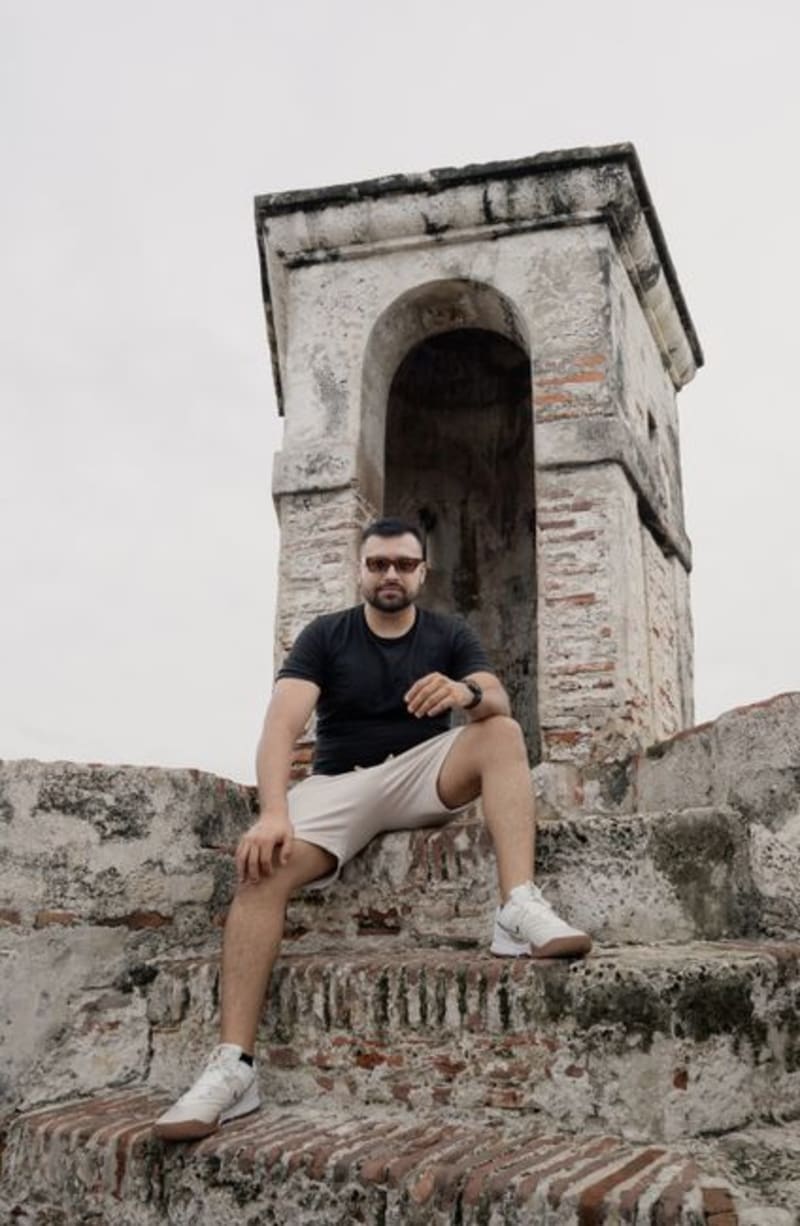 new-caledonia
 La Foa
A west coast river town where a restored penal-colony fort sits quietly in a paddock, telling a version of New Caledonia's history most visitors never hear.
Explore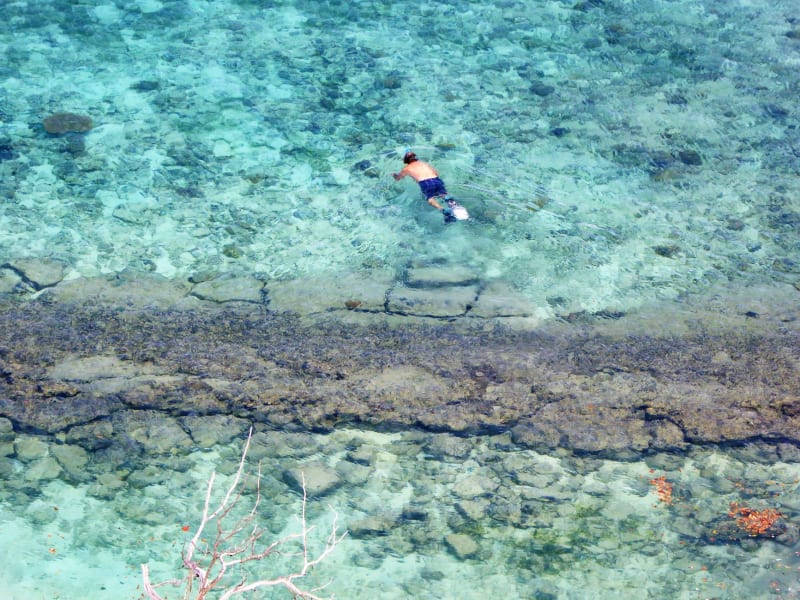 new-caledonia
 Lifou
The largest Loyalty Island, where clifftop villages overlook lagoons and Kanak custom life runs on its own unhurried calendar.
Explore