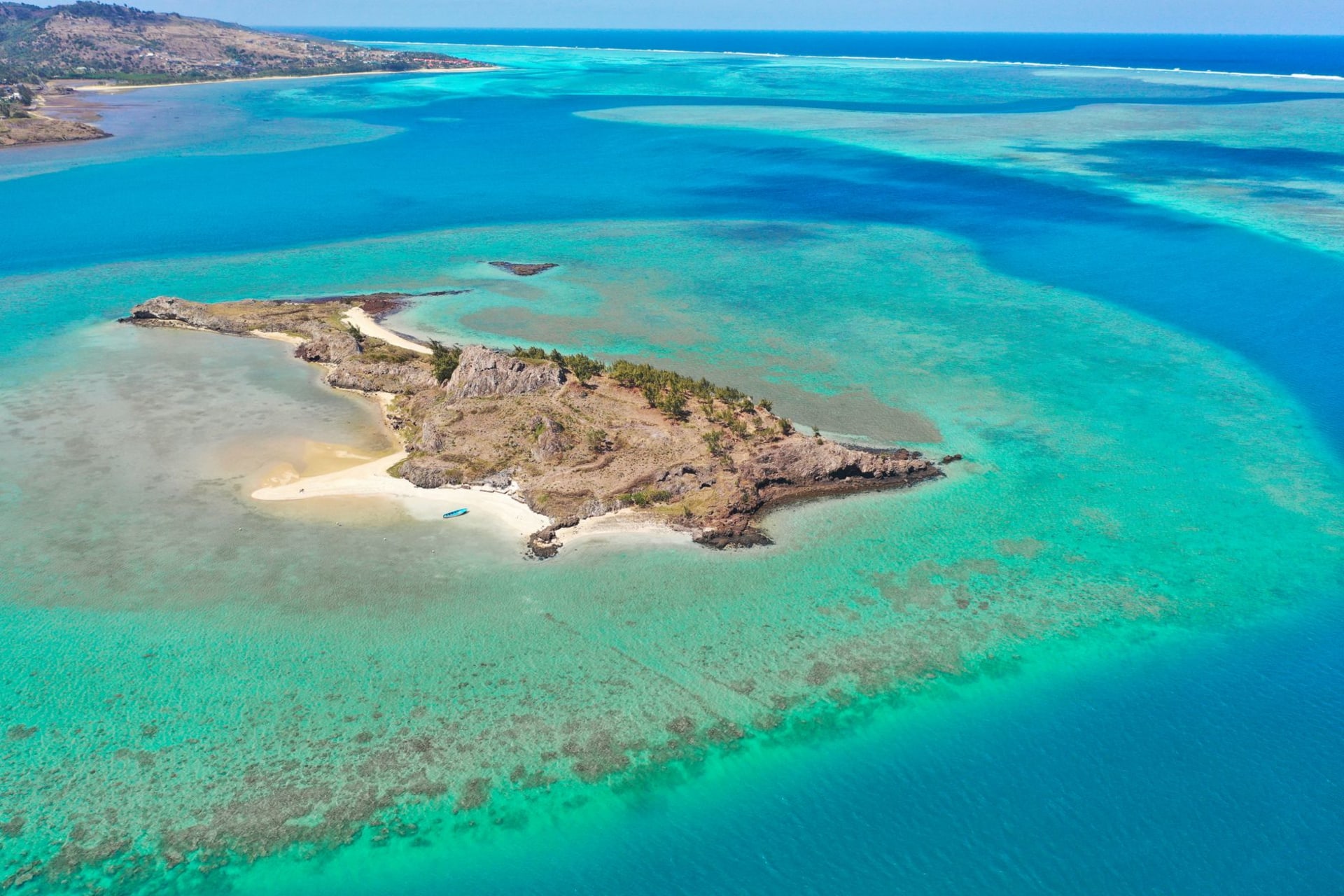
Koné
"North of Koné, the road gets honest — it stops pretending it knows where it's going."
The quiet provincial capital of the north, a crossroads town where the road to the tribal territories begins and the Pacific finally feels far from France.

Koné is a place people pass through on the way to somewhere else, which is not a diminishment — it is, in fact, the town’s most accurate description and its actual function. It is the administrative capital of the Northern Province, a largely Kanak region that has been governed by the Kanak-majority FLNKS-aligned administration since the Matignon Accords of 1988 rearranged New Caledonia’s political geography. This matters because Koné, more than Nouméa, is a town oriented toward its hinterland rather than the sea, toward Kanak political and cultural concerns rather than French administrative ones.
I arrived in Koné late on a weekday afternoon, having driven north from Bourail through a landscape that shifts as you gain latitude — the savanna grasslands give way to lower scrub, the red laterite becomes more prominent, the hills flatten out toward a coastal plain that feels wide and open in a way the south of the island doesn’t. Koné itself is low and spread out, with a commercial street, a couple of supermarkets, the provincial administration buildings, and more land than architecture. I found a hotel near the centre — clean, functional, breakfast included — and the man at reception spoke to me in Kanak French, which has a different rhythm from Nouméa French, a different set of reference points.

The morning market is small and operates on a schedule that I never quite decoded — it appeared to involve certain vendors on certain days rather than a fixed weekly event, and the stock varied accordingly. But when it was running, it was the most direct encounter with daily economic life in the north that I found: women selling garden produce from woven baskets, small bundles of medicinal plants, fresh coconuts and sugarcane, occasionally live chickens. The language around me shifted between French and Paicî — one of the principal Kanak languages of the north — in the effortless way of communities that have always been bilingual.
The principal reason to linger in Koné is the access it provides to the wider northern region. The road east from town climbs into the Koniambo massif, where one of the world’s largest nickel deposits has generated both a major mining and smelting operation and a complicated set of negotiations about land rights, environmental impact, and Kanak economic sovereignty. The industrial site is visible from the road — a remarkable and slightly disorienting juxtaposition of traditional clan land and heavy industry — and the politics of the nickel economy that has shaped New Caledonia’s entire modern history are more legible here than anywhere in the south.

The beach at Oundjo, a short drive north of Koné, is a west coast lagoon beach that sees very few visitors. The water is warm and clear, the sand dark grey rather than white — the basalt origin of this stretch of coast coming through in the sediment — and the reef offshore is accessible by a short swim. I was there on a Tuesday morning and found two local families and no one else. The feeling of the west coast lagoon here, removed from the resort infrastructure of Nouméa and the tourist reputation of the Isle of Pines, is one of those accidental encounters with what a place is like when it’s just being itself.
When to go: May through October is the dry season and the most comfortable period for exploring the northern region. The wet season from December to March brings heat, humidity, and the occasional cyclone — manageable, but the red laterite roads in the tribal areas become significantly harder to navigate. Allow at least two full days in Koné to reach the nearby coastline and interior sites without rushing.
Keep exploring
More from New Caledonia
 new-caledonia
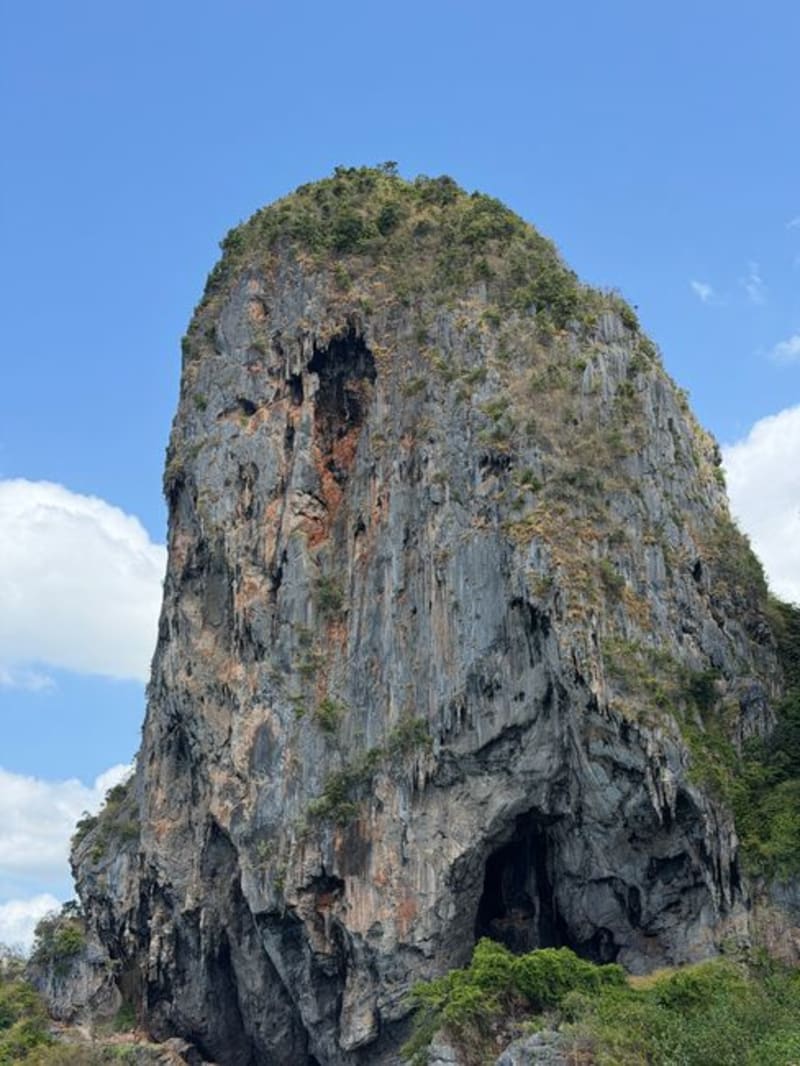
 Koumac
A far-north mining town where the road finally starts to feel remote, and where a cave system underneath the limestone hills nobody mentions until you ask.
Explore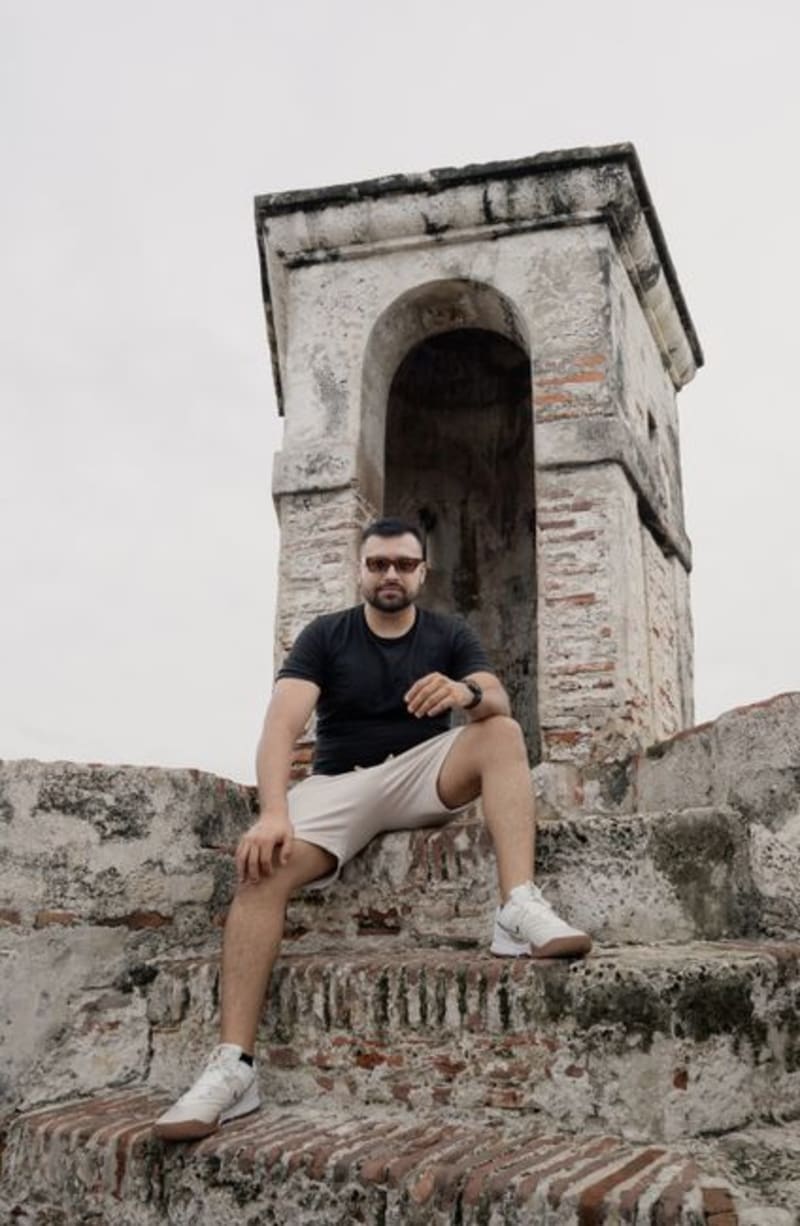 new-caledonia
 La Foa
A west coast river town where a restored penal-colony fort sits quietly in a paddock, telling a version of New Caledonia's history most visitors never hear.
Explore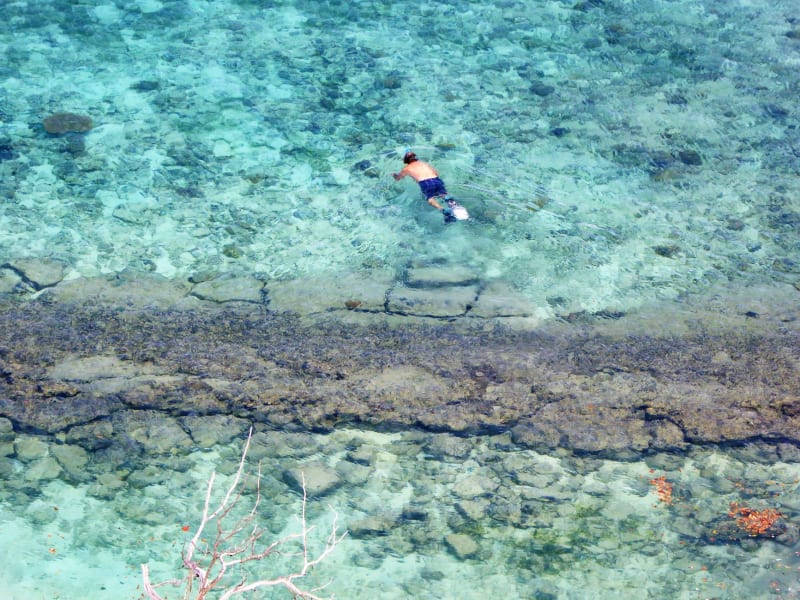 new-caledonia
 Lifou
The largest Loyalty Island, where clifftop villages overlook lagoons and Kanak custom life runs on its own unhurried calendar.
Explore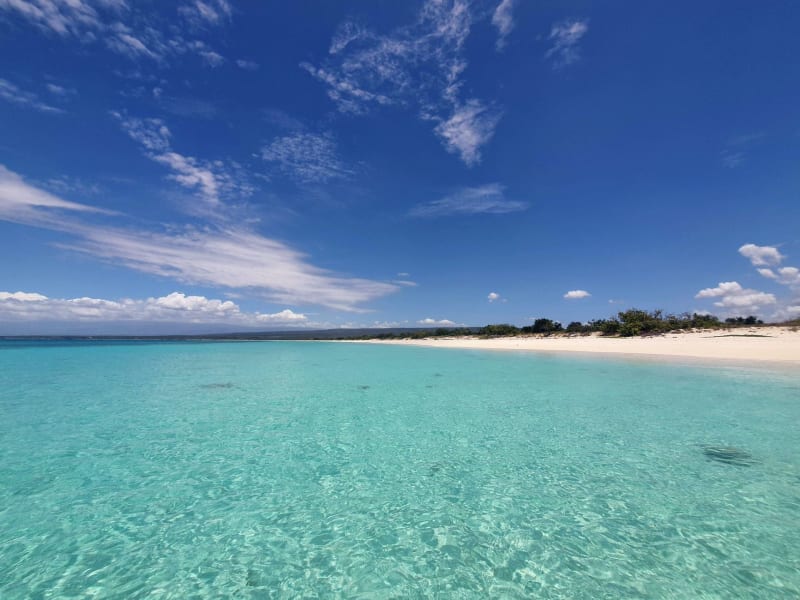 new-caledonia
 Maré
The most rugged of the Loyalty Islands, a raised coral plateau with cave pools and an atoll that never bothered to be gentle.
Explore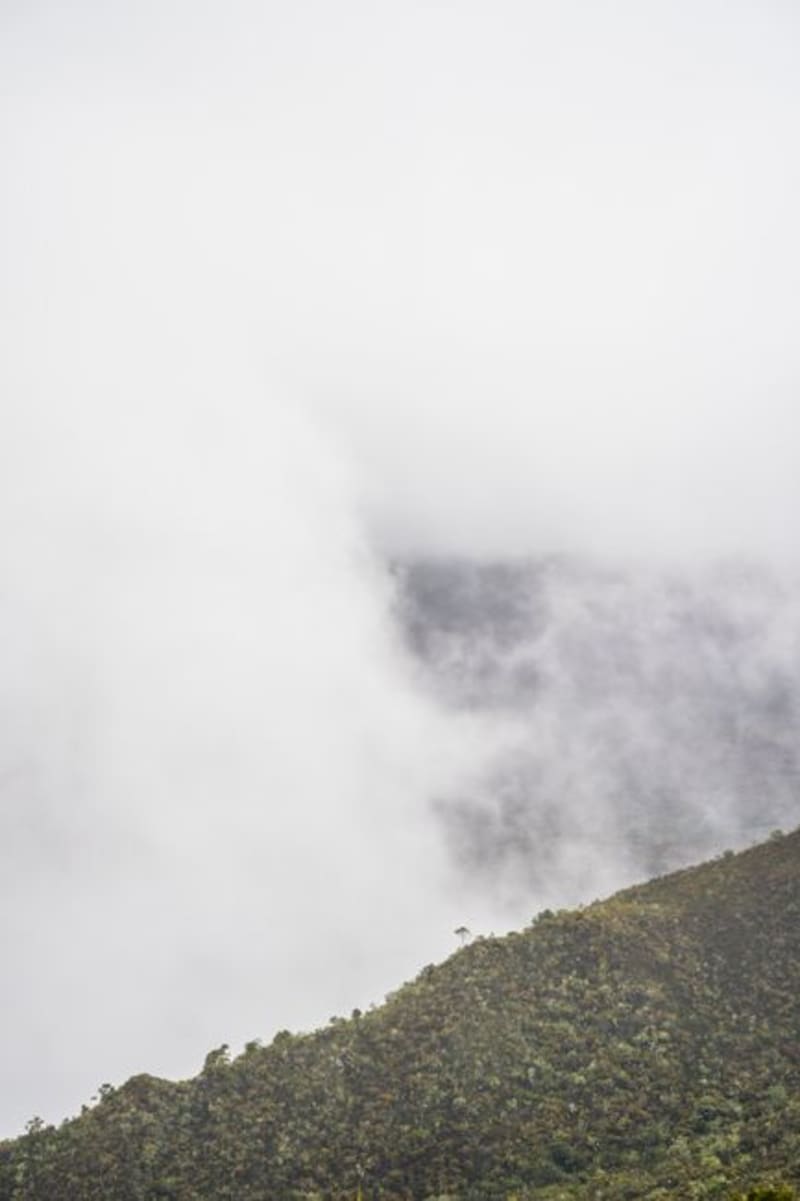 new-caledonia
 Mont Panié
New Caledonia's highest peak, a Kanak sacred mountain wrapped in cloud forest that most visitors never even learn the name of.
Explore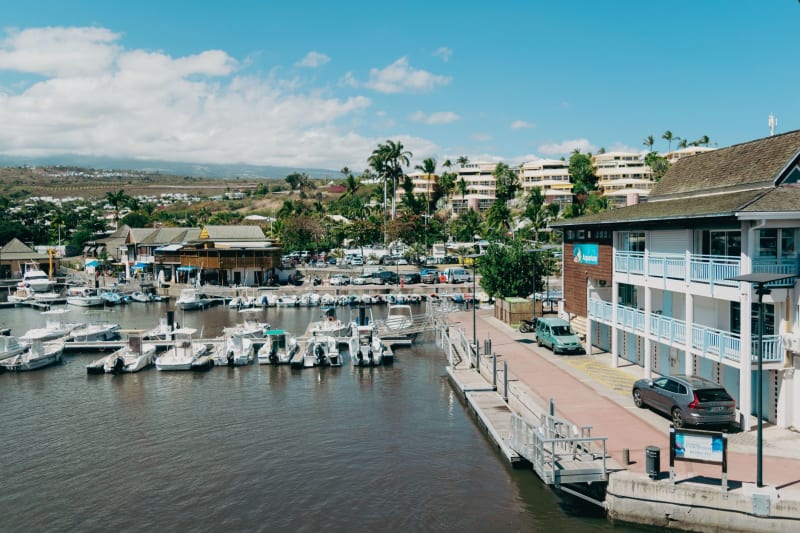 new-caledonia
 Nouméa
A French city dropped into the Pacific, where croissants and coconuts coexist without anyone finding it strange.
Explore