Amédée Island
"An islet you can walk around in fifteen minutes, guarding a lagoon you could spend a lifetime in."
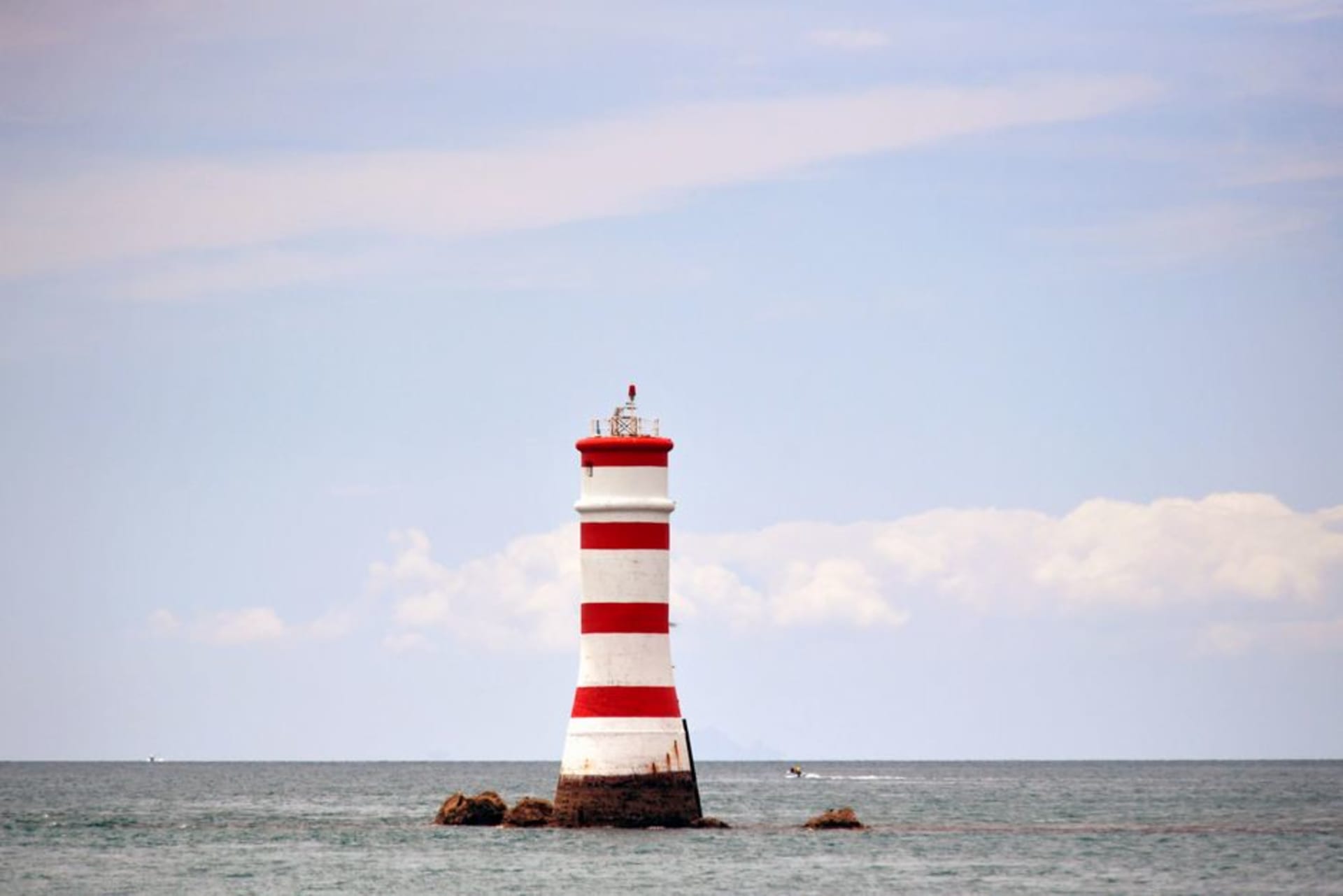
A speck of coral sand off Nouméa crowned by a cast-iron lighthouse that France shipped across the world in pieces and never quite finished being proud of.
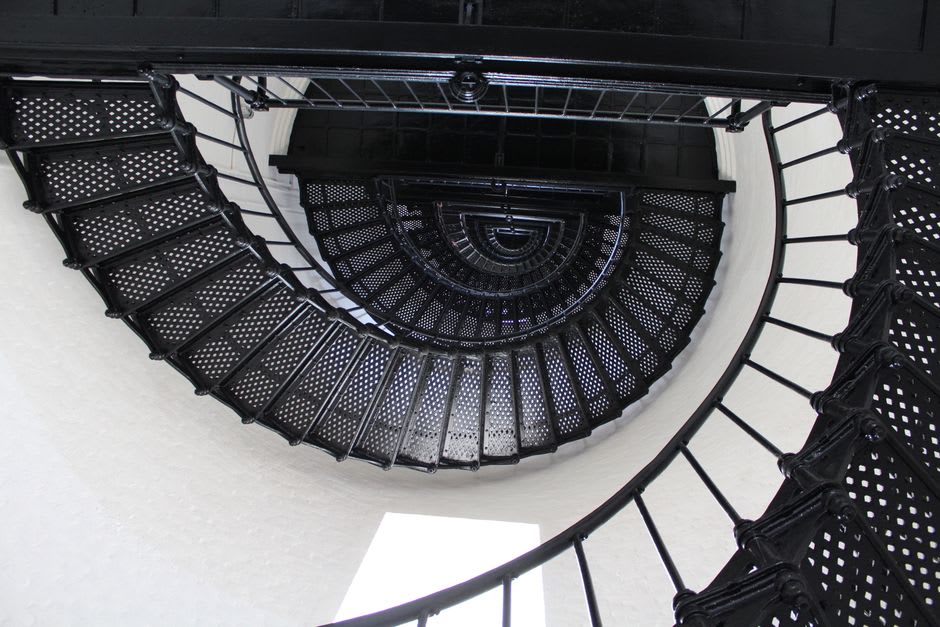
Amédée is not a big place, which is exactly its appeal after a week of driving Grande Terre’s long coast roads. It is a coral islet twenty kilometres off Nouméa, small enough to circle on foot before your coffee gets cold, and it exists almost entirely because of one object: a fifty-six-metre cast-iron lighthouse, forged in France, shipped out in numbered pieces in 1865, and bolted together on this speck of sand like a piece of flat-pack furniture built by people who took their work extremely seriously. I climbed the two hundred and forty-seven steps inside it on a boat trip out from Nouméa, and the view from the top — the barrier reef laid out in bands of every blue there is — justified every one of them.
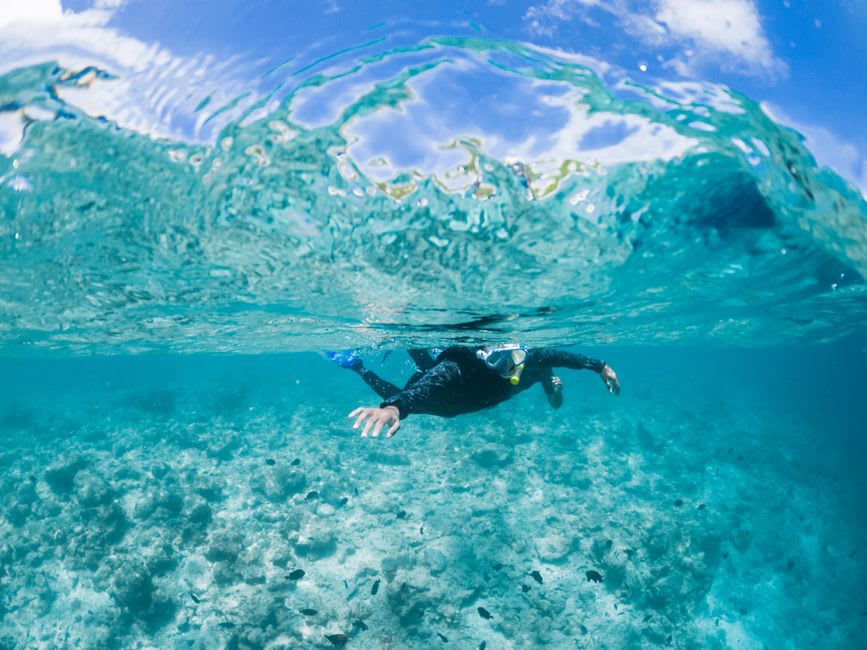
The boat ride out is half the experience. You cross open lagoon water that shifts from navy to turquoise to a pale, glassy green as the depth drops away beneath the hull, and by the time you land, the water around the islet is so clear that the anchor chain is visible the whole way down. I went snorkelling straight off the beach and was in among sea turtles within minutes — Amédée’s shallows are a known feeding ground, and the turtles here are unbothered enough by boat traffic that you can watch one graze on seagrass for a genuinely long time without it drifting off.
What surprised me was how little there is to do here in the conventional sense, and how little that mattered. There is the lighthouse, the beach, a modest snorkelling loop around the reef flat, and a glass-bottom boat if you would rather stay dry. That is the entire inventory. Most visitors come on a day trip from Nouméa and are gone by late afternoon, which means the light in the early morning and the last hour before the boats leave is quiet in a way that nowhere on Grande Terre proper ever quite manages.
I ate lunch at the small restaurant near the jetty — grilled fish, rice, a slice of pineapple, nothing fancy, all of it fine after a morning in salt water — and watched a French colonial history that could easily have been sombre turn, on this particular stretch of coral, into something closer to a beach day. That contradiction sits at the centre of most of New Caledonia. Amédée just makes it easier to see because there is so little else on the island to distract from it.
When to go: Amédée is a day-trip destination year-round, but visibility is best during the dry season, April through November, when the lagoon is calmest and the crossing from Nouméa is smoothest. Book the boat in the morning if you want any real quiet before the crowds arrive around midday.
Keep exploring
More from New Caledonia
 new-caledonia
 Baie de Prony
A ghost town, hot springs, and mangrove labyrinth at the southern tip of Grande Terre, where the island goes quiet in a way that feels geological.
Explore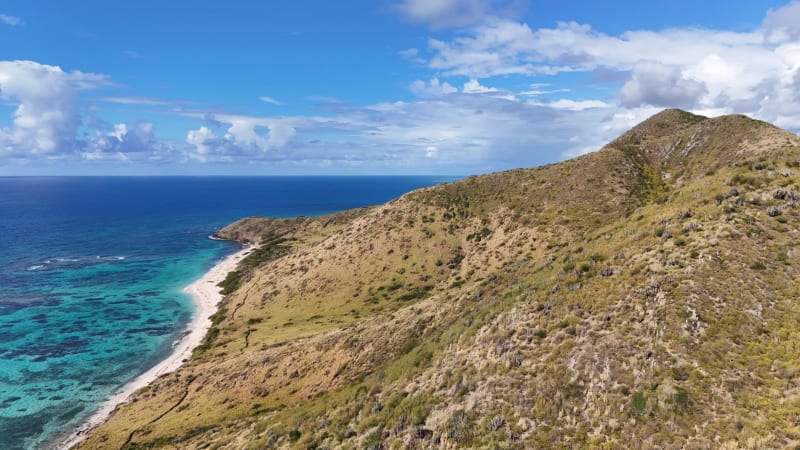 new-caledonia
 Bourail
A cattle town on Grande Terre's west coast where the land smells of red dust and dry grass and the sea is an hour's drive in the wrong direction.
Explore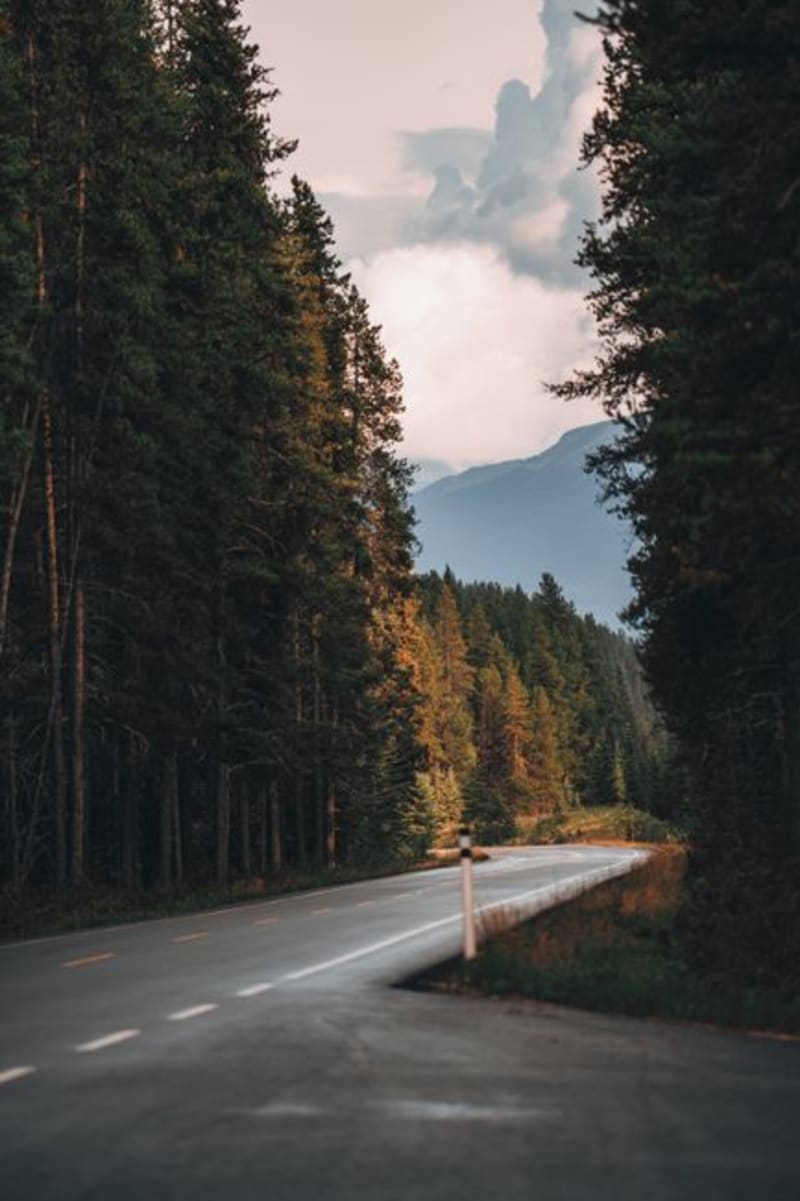 new-caledonia
 Canala
An east coast stronghold of Kanak custom and hot springs, reached by a mountain road that makes you understand why this side of the island stayed independent-minded longer than most.
Explore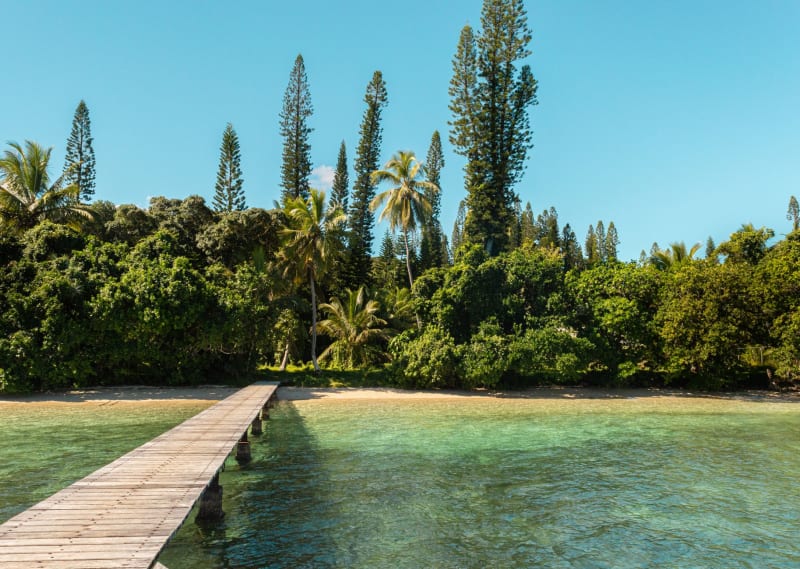 new-caledonia
 Hienghène
A northern village where black limestone towers rise from the water and Kanak culture feels less like history than the present tense.
Explore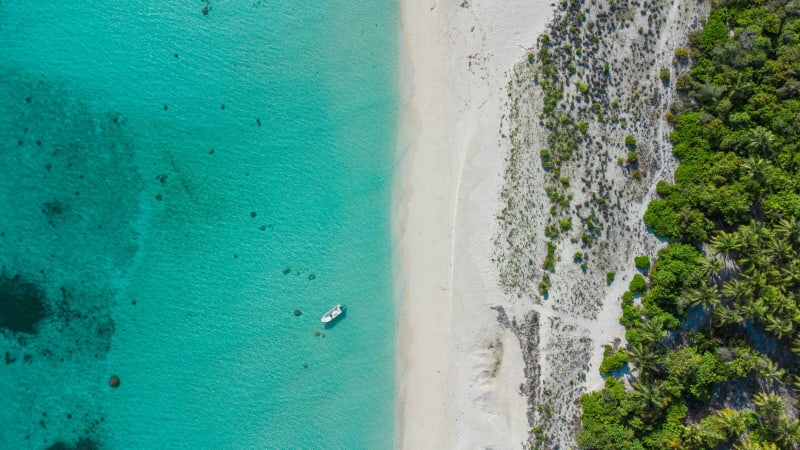 new-caledonia
 Isle of Pines
An island so improbably beautiful that the natural swimming pools feel more like hallucinations than geography.
Explore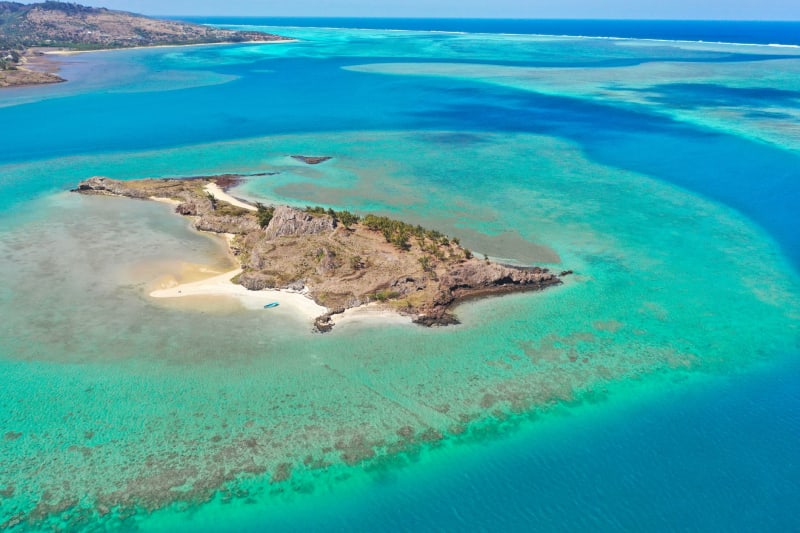 new-caledonia
 Koné
The quiet provincial capital of the north, a crossroads town where the road to the tribal territories begins and the Pacific finally feels far from France.
Explore