Asia
Myanmar
"Nowhere else have I felt so clearly that time moves differently."
A country frozen mid-transformation, where two thousand pagodas rise from a red-dust plain and the rest of the world still feels very far away.
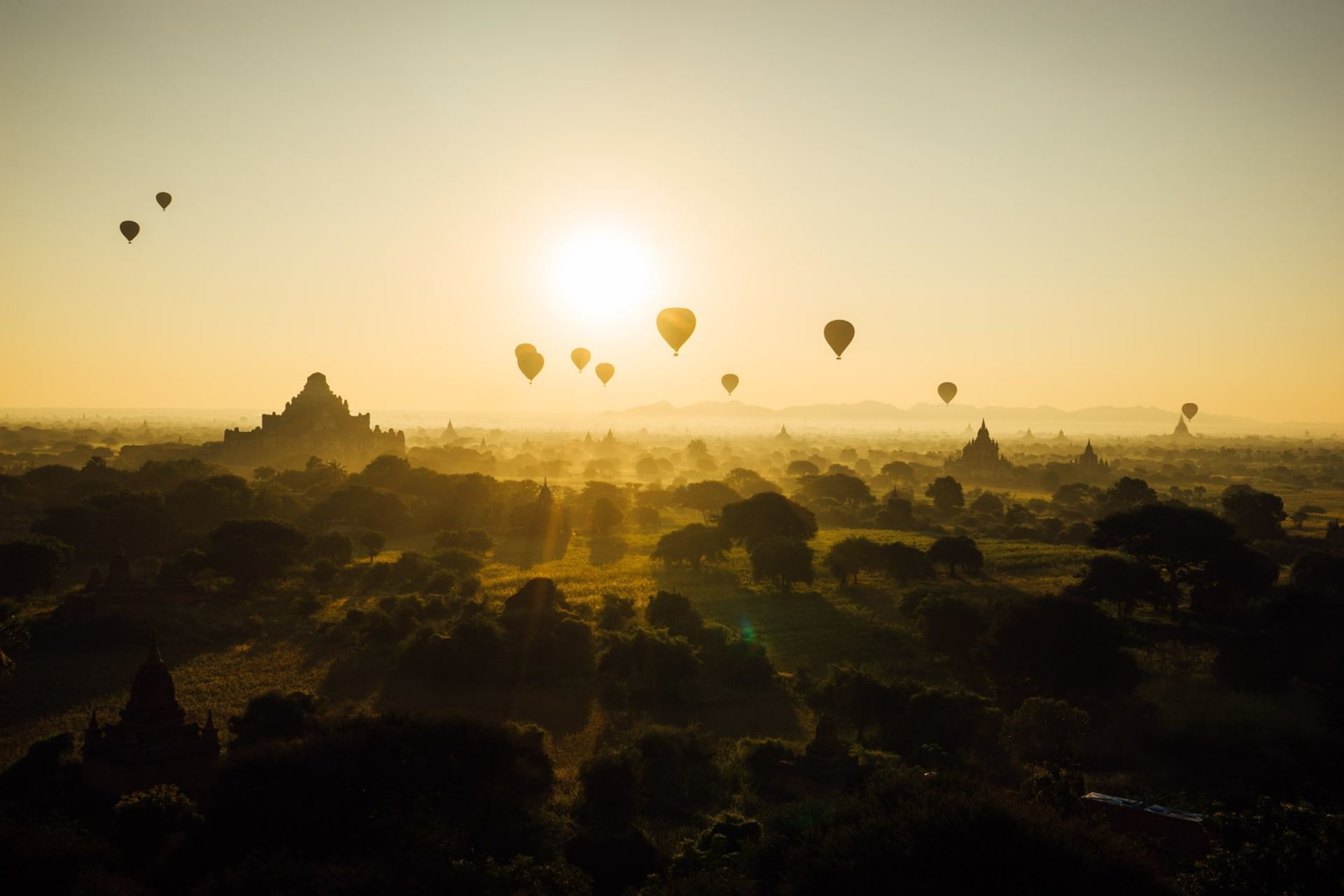
I arrived in Bagan at four in the morning, when the only light was the orange glow of a distant stupa and the headlamp of the e-bike I’d rented from a man who spoke no English and smiled like it didn’t matter. By the time I reached the top of one of the smaller temples — the famous ones are now roped off, the result of too many tourists and too many crumbling stairways — the darkness was beginning to soften. Then, one by one, the hot air balloons appeared. It’s one of those spectacles you’ve seen in photographs so many times that you expect to be disappointed. I wasn’t. Two thousand temples spread across a flat, red-earth plain, balloons drifting silently above them, the Irrawaddy River glinting in the distance. It’s the kind of view that makes you question why you ever spent time in places that looked like everywhere else.
Myanmar is a complicated destination and anyone who tells you otherwise is selling something. The country has been through decades of military dictatorship, economic isolation, ethnic conflict, and, more recently, a coup that pushed it further from the world. Tourism here carries weight — where you spend money matters. But the country also has a population that is warm, curious, and almost touchingly pleased to see a foreigner who makes any effort at all. In Mandalay, I sat on a teahouse bench for two hours over a pot of green tea while a retired schoolteacher explained the difference between the nineteen regional styles of lacquerware. In Inle Lake, I watched a fisherman balance on one leg on the prow of his narrow boat, rowing with the other, because both hands were occupied with his conical net — a technique so specific to this lake that it exists nowhere else on earth. These are not performances for tourists. They are simply how things are done here.
The food is the most underreported part of Myanmar. Mohinga — a rice noodle soup with catfish broth, banana stem, and a soft-boiled egg — is served at dawn from street carts across the country, and it is one of the greatest breakfast soups in all of Asia. Tea leaf salad, lahpet thoke, is tangy, crunchy, deeply umami in a way that still surprises me when I think about it. Indian influence bleeds in from the west; Chinese flavors from the north. The result is a culinary tradition that’s been developing in near-isolation for decades, untouched by the homogenizing pressure of mass tourism.
When to go: November through February is the window. The cool, dry season means comfortable temperatures, clear skies over Bagan, and manageable humidity around Inle Lake. March heats up fast. Avoid May through October if you can — the monsoon makes road travel brutal in the highland regions, though Bagan itself is more bearable year-round than the south.
What most guides get wrong: They treat Myanmar like a checklist — Bagan, Mandalay, Inle Lake — and move on in ten days. That rhythm misses the point entirely. The country rewards slowness. Spend a full week in Bagan alone. Take the slow boat up the Irrawaddy from Mandalay to Bagan instead of flying. Eat breakfast at a teahouse every single morning and let the conversations happen. And read the political context before you go — not to feel bad about traveling, but because understanding where Myanmar has been makes what you’re seeing make actual sense.
Explore
Places in Myanmar
 myanmar
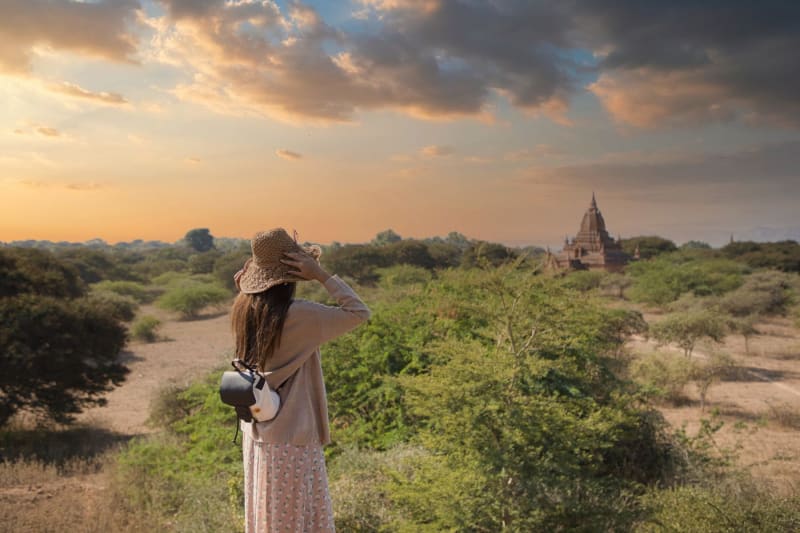
 Bagan
Thousands of red-brick temples punctuate the plains of the Irrawaddy, best seen from a hot-air balloon at dawn.
Explore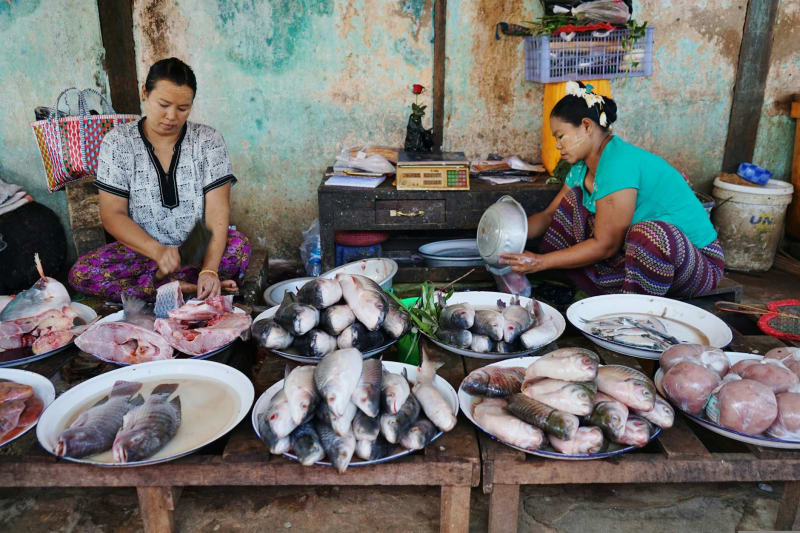 myanmar
 Bagan Villages
Ancient plains of 2,200 Buddhist temples in central Myanmar, best seen from a hot air balloon or bicycle at dawn.
Explore myanmar
 Hpa-An
Karst landscapes with bat-filled caves, rice paddies, and Zwegabin mountain rising over the Thanlwin River.
Explore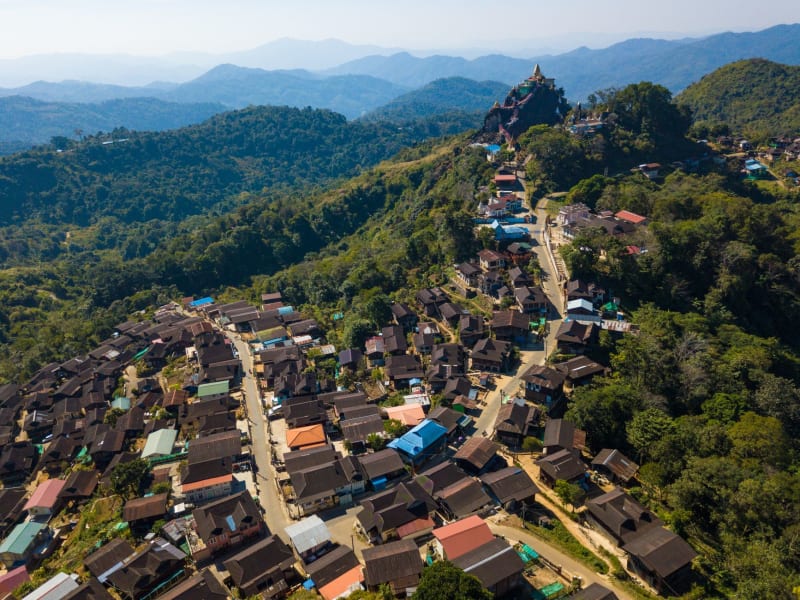 myanmar
 Hsipaw
A slow-moving Shan State market town where the train crosses a colonial viaduct over a bottomless gorge and the morning smells of fermented tea leaves and woodsmoke.
Explore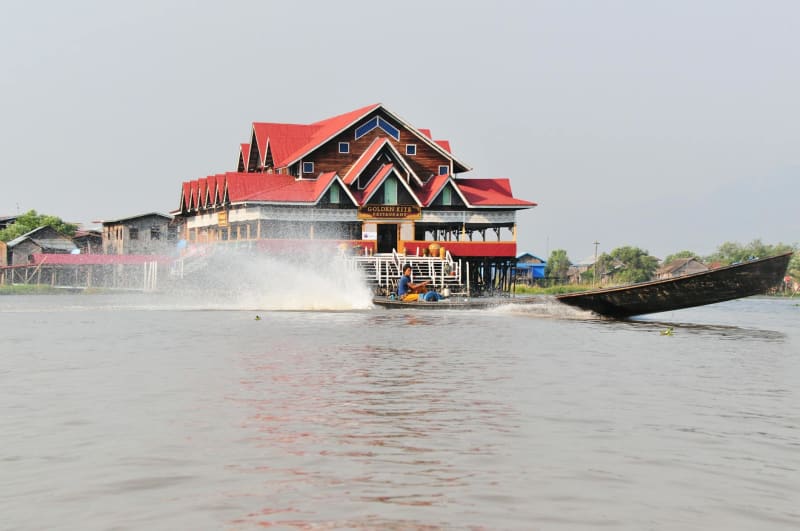 myanmar
 Inle Lake
One-legged rowing fishermen, floating tomato gardens, and leg-weaving weavers on a silver highland lake.
Explore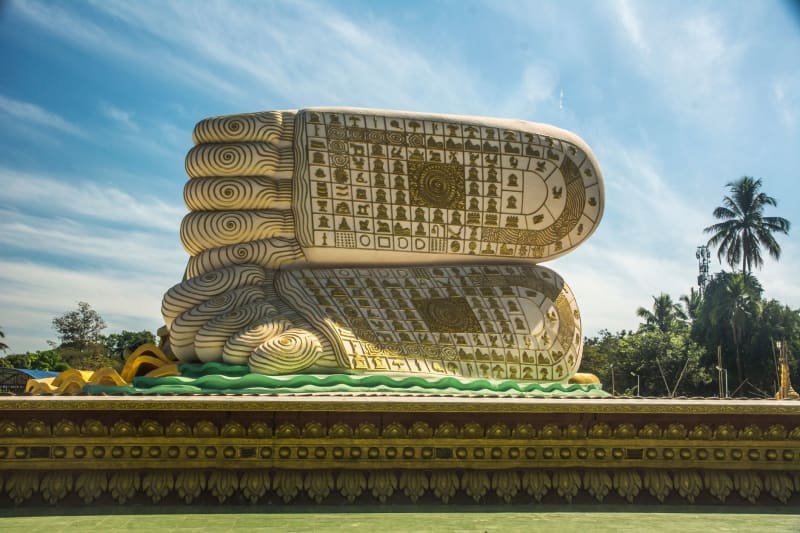 myanmar
 Kyaiktiyo
A gold-leafed boulder balanced impossibly on a cliff's edge above Mon State, where pilgrims press their palms to the rock at dawn and the chanting never fully stops.
Explore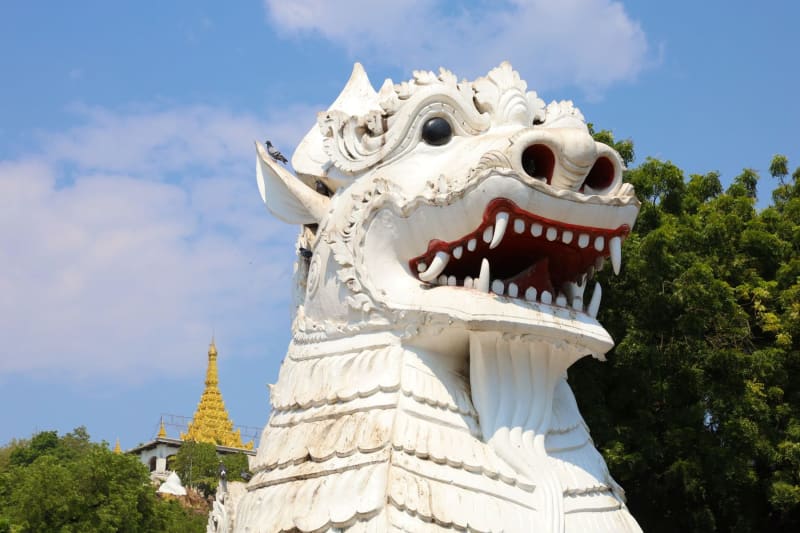 myanmar
 Mandalay
The last royal capital of Burma, with the teak U Bein Bridge at sunset and gold-leaf workshops still running.
Explore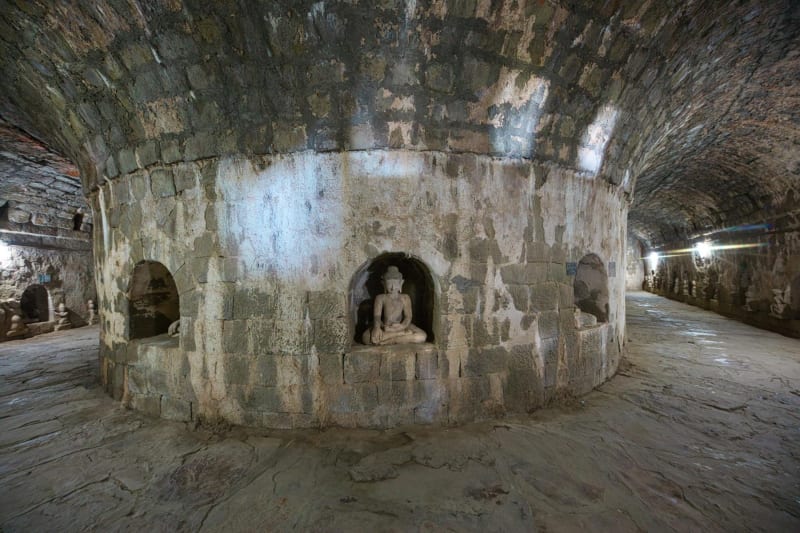 myanmar
 Mrauk U
A forgotten medieval kingdom with more temples than tourists, buried in mist on the Rakhine plateau.
Explore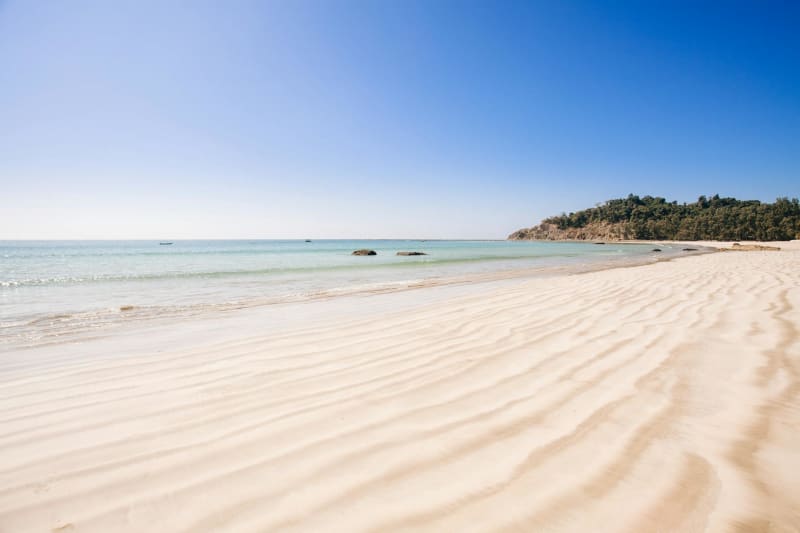 myanmar
 Ngwe Saung Beach
Forty kilometres of undeveloped silver sand with fishing villages at each end and almost nothing in between.
Explore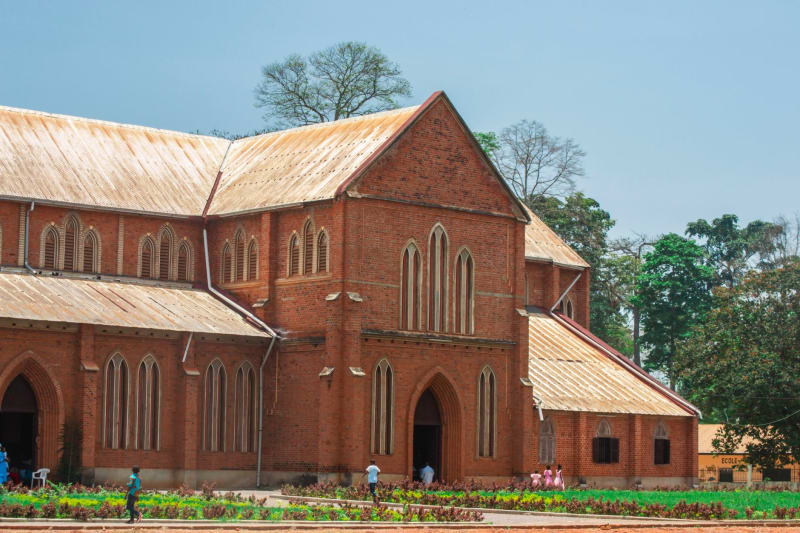 myanmar
 Pyin Oo Lwin
A cool former British hill station above the Mandalay heat, where horse-drawn carriages still clatter past mock-Tudor mansions, strawberry stalls, and a botanical garden the colonials built to remember home.
Explore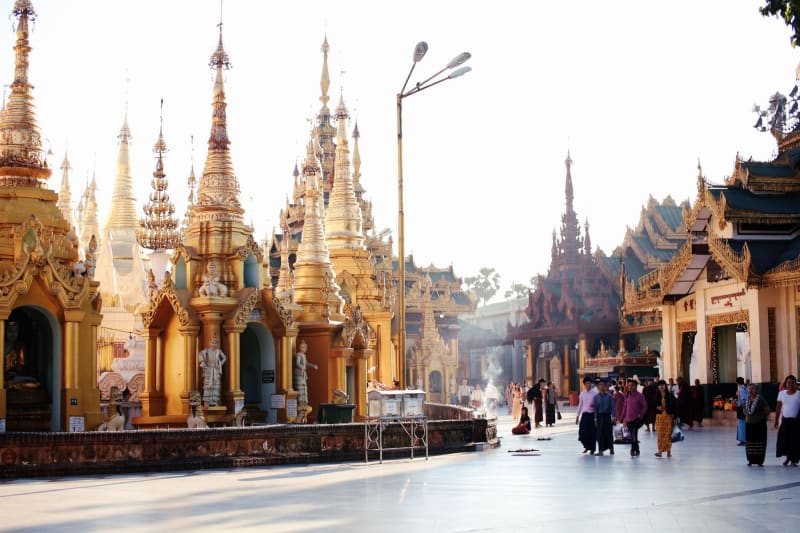 myanmar
 Yangon
British colonial grid streets, the golden Shwedagon Pagoda flaming above everything, and excellent mohinga at dawn.
Explore