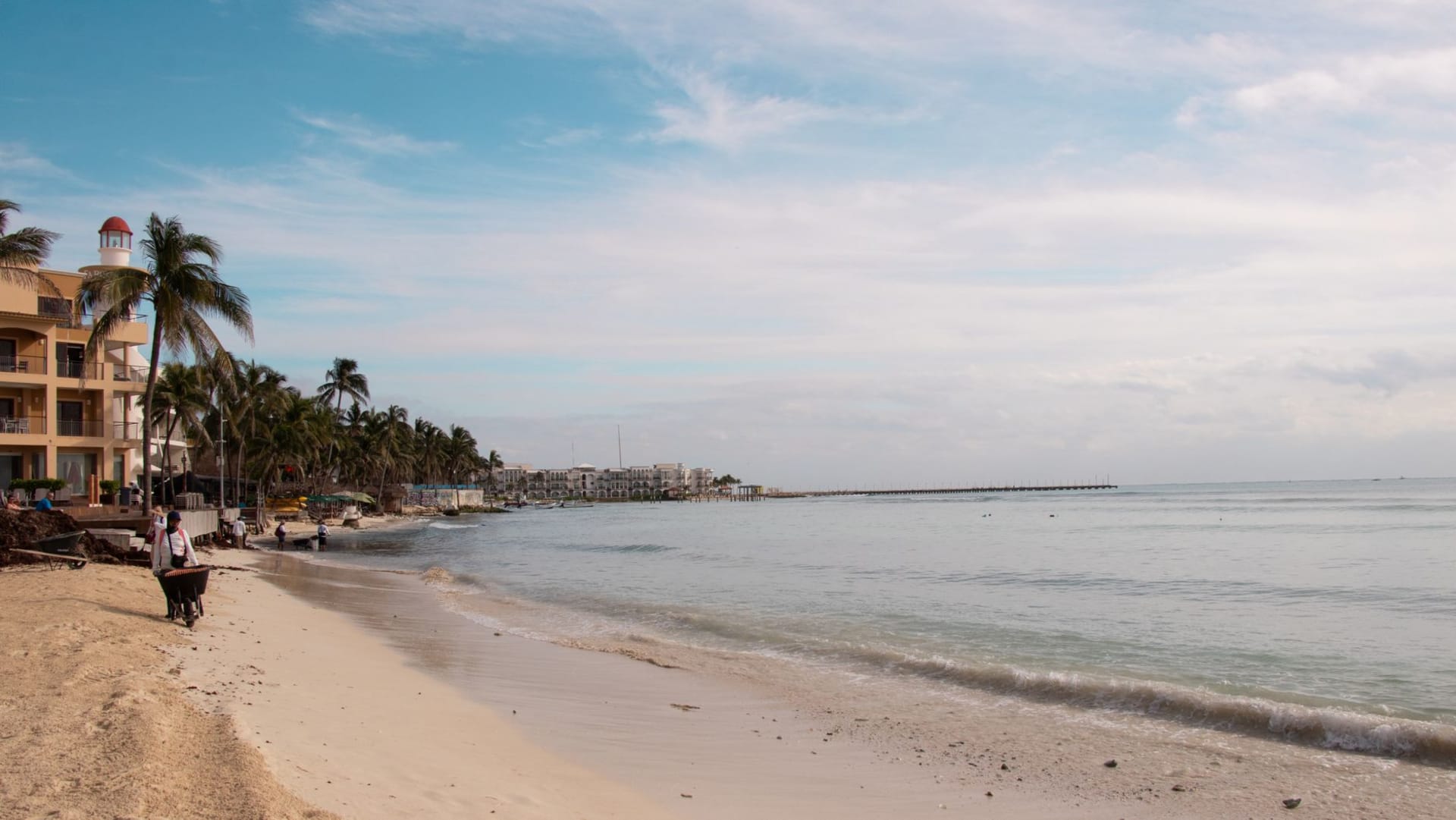
Progreso
"The water is so shallow here the fishermen push their boats out by hand for a hundred meters before the Gulf accepts them."
Mérida's seaside escape sits at the end of a long, flat causeway jutting into the Gulf of Mexico, where the water turns an improbable shade of jade-green and the pier stretches so far into the shallows it feels like a walking dare. The town runs on fish, salt air, and the seasonal rhythm of Meridanos fleeing the inland heat. I came for one afternoon and stayed two days.

I took a colectivo from Mérida on a Thursday morning with no particular plan — just the vague idea that the coast would be cooler than the city’s stone-trapped heat. The causeway into Progreso is flat and featureless, scrubland on both sides, and then suddenly there’s the Gulf, that specific jade-green that still catches me off guard no matter how many Mexican coastlines I’ve seen. I checked into a small posada on Calle 19, dropped my bag, and walked straight to the malecón. The pelicans were already working the fishing boats, dropping out of the sky with all the precision and arrogance of professionals who have never once missed a shift.
The Muelle and the Shallows
Progreso’s pier — El Muelle — is the longest in Mexico and possibly the most disorienting. You walk out from the malecón and the town shrinks behind you while the water stays absurdly shallow on either side, a pale jade that barely reaches a fishing boat’s hull. Cruise ships dock at the far end, but on ordinary days it belongs to locals: couples walking at dusk, kids dangling lines off the railing, old men talking about nothing in particular. The Gulf here is so transparent you can watch the bottom the whole way out. I went twice — once at midday when the light turned the water almost white, and once just before sunset when it went the color of oxidized copper. Both times felt like a different place. The trick is to go when the cruise ships are not in — check the schedule at your posada, because the malecón transforms completely when three thousand tourists arrive before lunch.

Fish Tacos on Calle 80
The food in Progreso is not complicated and does not need to be. The best tacos de pescado I found were at a spot on Calle 80, no sign, plastic tables, a woman frying fresh catch to order in a pan that had seen decades of use. Fish came battered, not grilled — the Yucatecan way — with a squeeze of limón, a brutal habanero salsa I used sparingly after the first mistake, and hand-patted tortillas. Two tacos, a Montejo, and a view of a side street where a dog slept in a doorway. I ate there twice. There is also a row of mariscos restaurants on the malecón itself, perfectly decent, but they are priced for tourists and the fish tastes like it knows.

Mornings Before the Heat
The best hour in Progreso is early — before nine, before the colectivos arrive from Mérida full of families with coolers. The malecón belongs to joggers, a few fishermen mending nets, and the pelicans doing their reconnaissance. The water is glassy and the air carries real salt, not the secondary salt of a beach town in full swing. I had coffee from a panadería on Calle 31 and ate a marquesita filled with Nutella and queso, which is a thing that sounds wrong and is entirely correct. Nobody was trying to sell me anything. It lasted about an hour before the heat arrived and settled the matter.

Getting There
Colectivos leave from Mérida’s Parque San Juan area on Calle 62, roughly every fifteen minutes throughout the day — the ride takes about forty-five minutes and costs around 40 pesos. There is no real reason to rent a car. Progreso has a handful of small posadas if you want to stay over; book ahead on July and August weekends when Meridanos arrive en masse and room prices climb accordingly.
Keep exploring
More of Yucatán
Keep exploring
More from Yucatán
 mexico
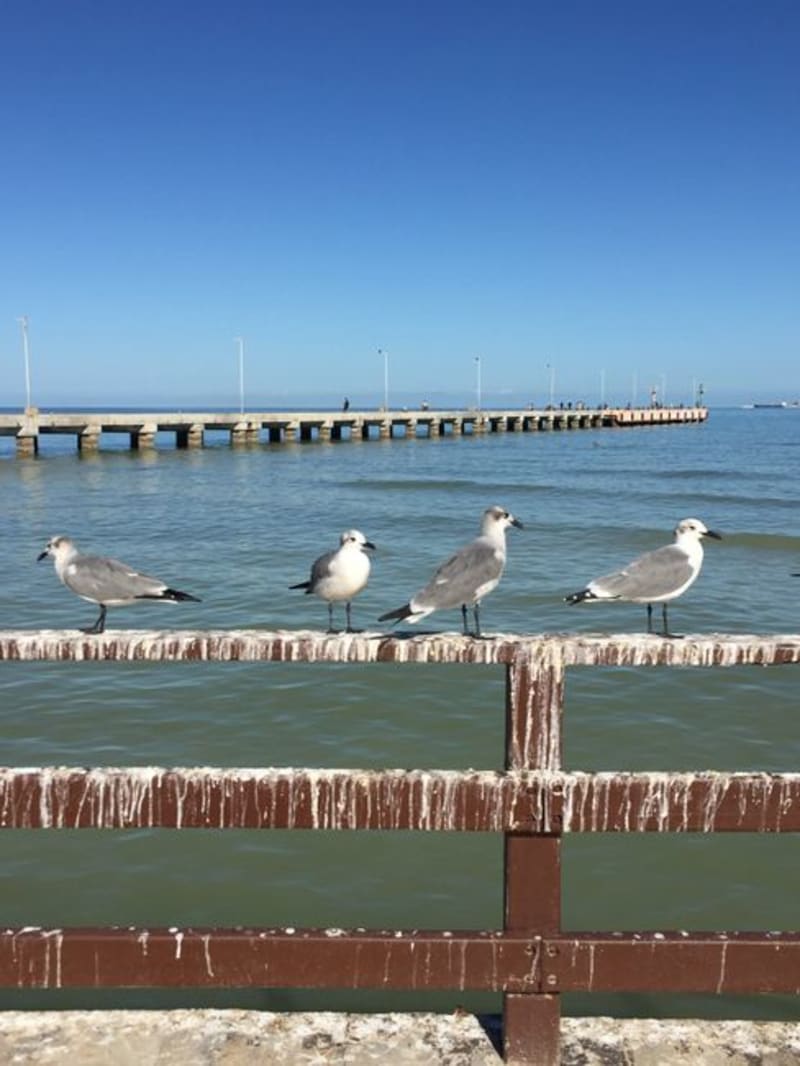
 Progreso
Mérida's beach escape sits on a flat, windswept stretch of Gulf coast where the water stays shallow and warm and the pier stretches six kilometers into the horizon. Meridanos have been coming here for generations to eat ceviche, wade in the sea, and do absolutely nothing at a pace the rest of the peninsula can't quite match.
Explore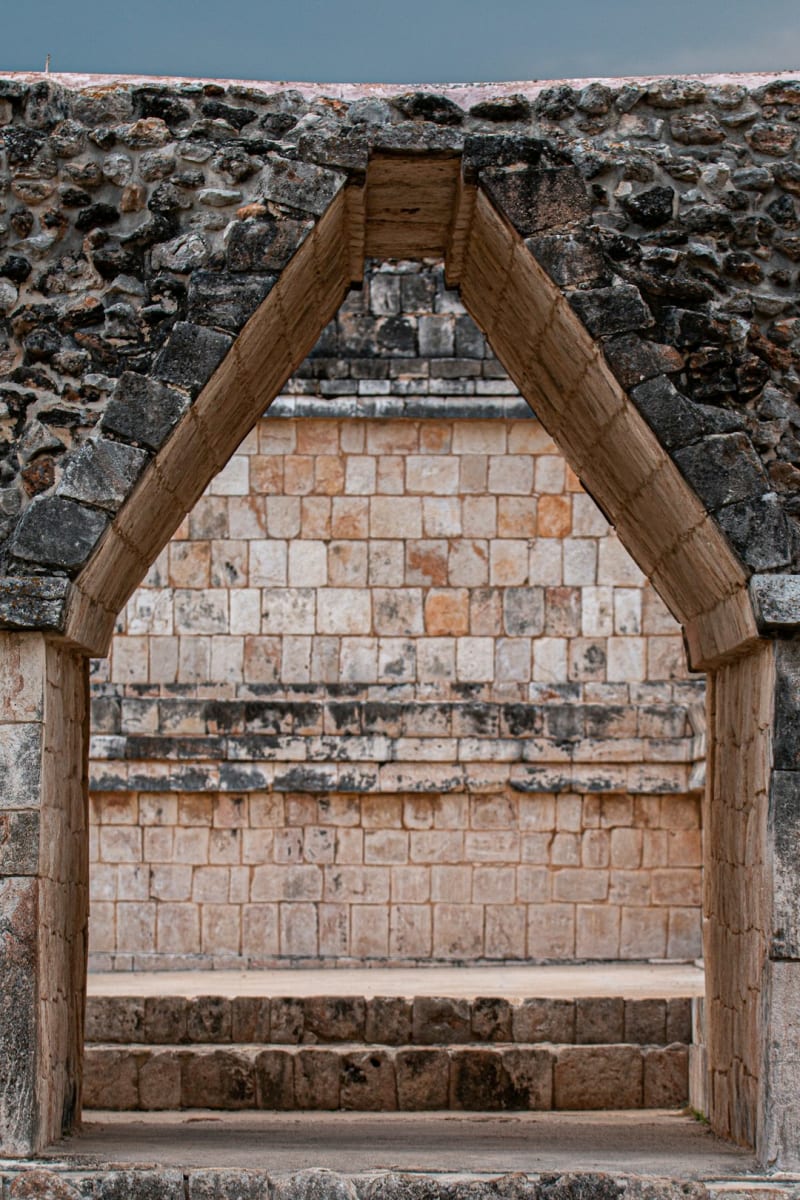 mexico
 Dzibilchaltún
Fifteen minutes north of Mérida, Dzibilchaltún is a Maya site occupied continuously for three thousand years, with a temple precisely aligned to the equinox dawn and a cenote you can actually swim in. Most days the parking lot is half empty.
Explore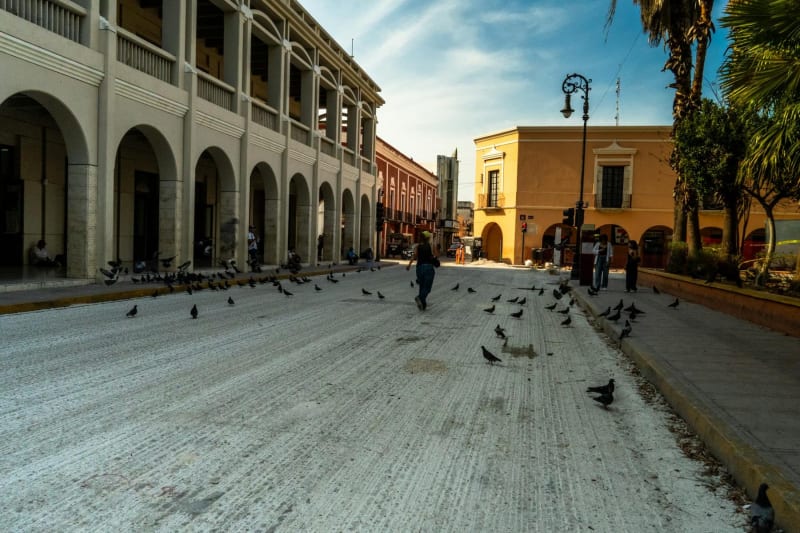 mexico
 Merida
The White City of the Yucatan blends Mayan heritage, colonial grandeur, and some of Mexico's finest food.
Explore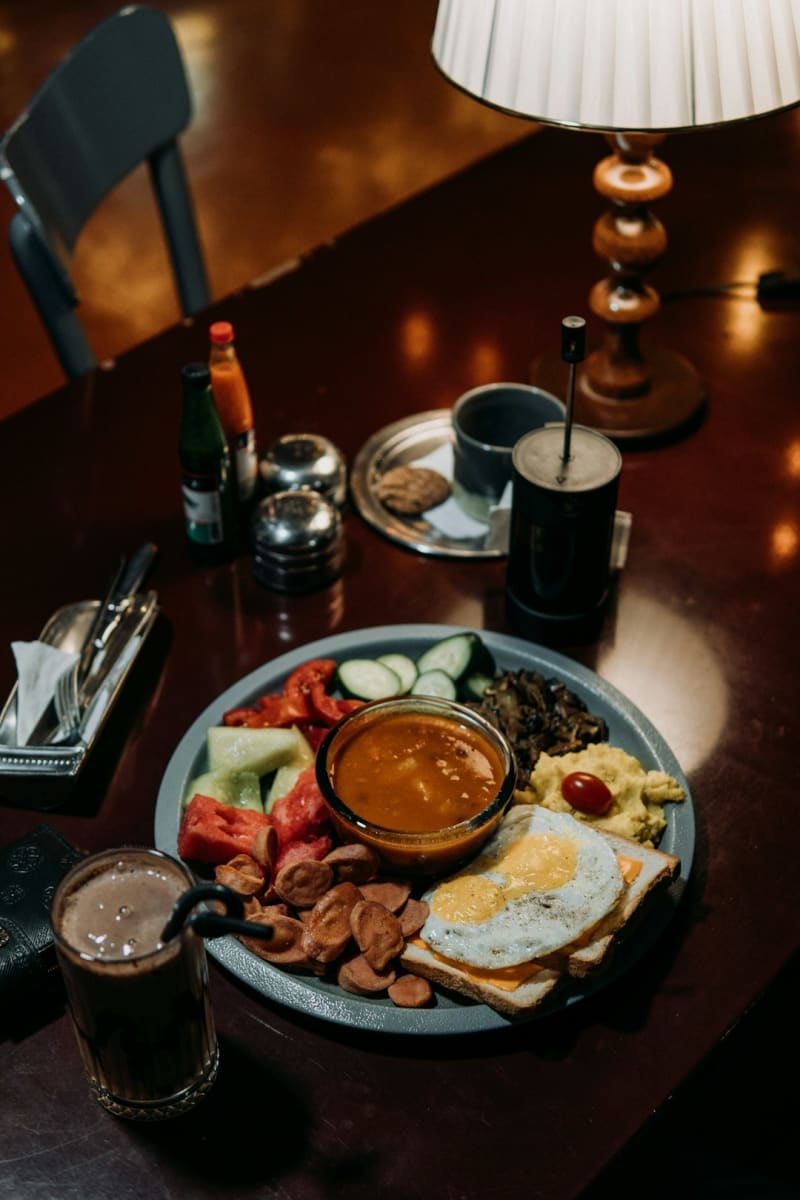 mexico
 Motul
Motul is the quiet Yucatecan town that gave Mexico one of its most beloved breakfast dishes — huevos motuleños — and locals here will not let you forget it. Beyond the egg-and-tostada mythology, you will find a graceful 16th-century convent, a covered market that still runs on henequen-country time, and the kind of unhurried plaza life that reminds you why you came to the peninsula in the first place.
Explore mexico
 Sisal
A forgotten Yucatán port where the henequen trade built a customs house and an 18th-century fort, the flamingos fly in from the Celestún lagoon at dusk, and the fishing boats unload octopus on a beach that hasn't changed since the henequen ships stopped coming.
Explore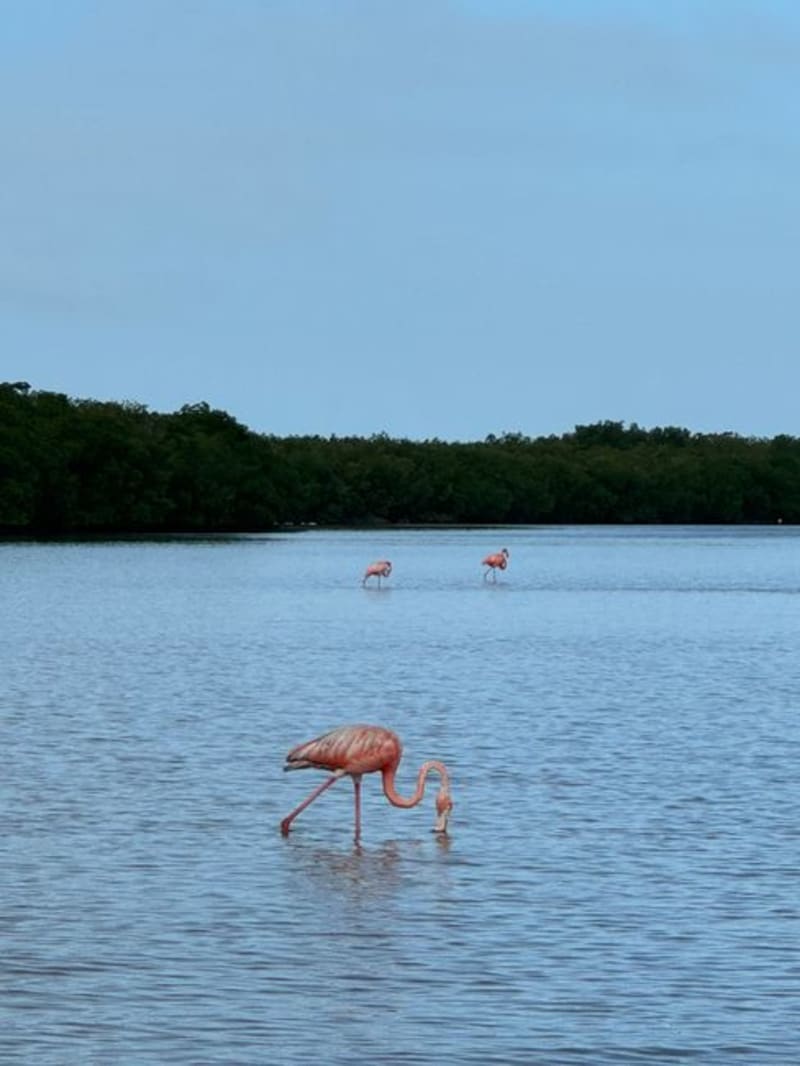 mexico
 Sisal
A forgotten colonial port on the Yucatán coast where henequen once shipped to the world and time has graciously stood still since. A crumbling 19th-century fort, flamingos wading in the estuary at dusk, and almost nobody else around to notice any of it.
Explore