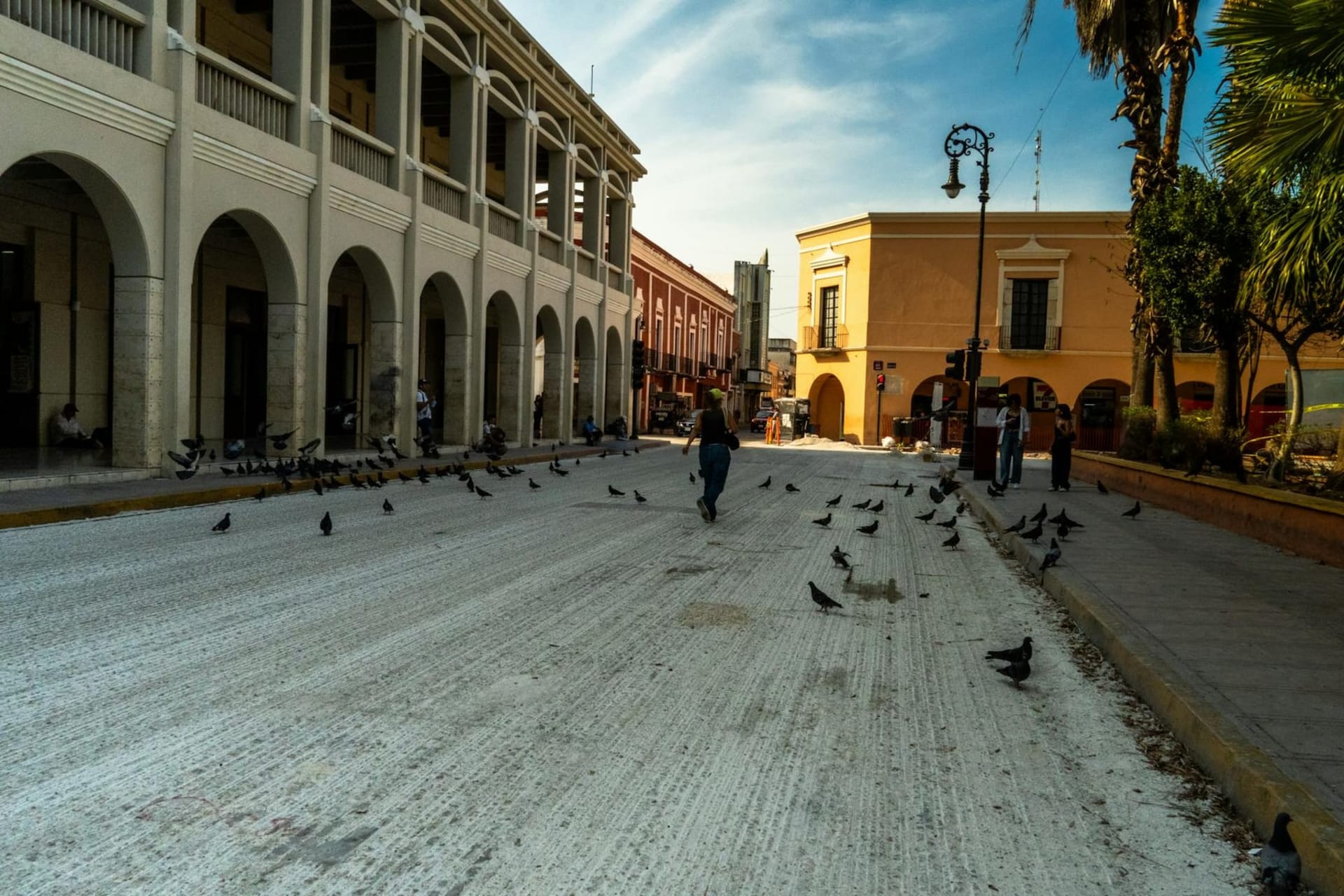
The White City of the Yucatan blends Mayan heritage, colonial grandeur, and some of Mexico's finest food.

I arrived in Merida on an overnight bus from Campeche, stepping off onto Calle 70 just as the street sweepers were finishing their rounds and the first marquesitas carts were rattling into position on the corners of the Plaza Grande. The city was already awake. It is always already awake.
The Weight of the Grid
Merida operates on a colonial grid so logical it feels like an argument — even numbers running north-south, odd running east-west, all of them counting outward from the zócalo like the city is trying to account for itself. I spent the first morning just walking it, letting the arithmetic of the streets settle into my body. The Casa de Montejo faces the cathedral across the square, its plateresque facade carved with conquistadors resting their boots on the heads of the defeated, a detail so blunt it stops you mid-stride. The limestone that gives the city its name — Ciudad Blanca — absorbs the early light and throws it back a shade warmer, almost golden, before the heat arrives and turns everything flat and white and relentless.
Eating Before Thinking
Lia found the food market on Calle 56 before I did, which was not surprising. By the time I caught up with her she was halfway through a bowl of sopa de lima — the Yucatecan version, with its shredded chicken and fried tortilla strips and that particular sourness that comes from the native lima fruit, not quite lime, closer to something you don’t have a word for yet. We ate huevos motuleños at a counter stall so narrow our shoulders touched the walls, the eggs buried under black beans and ham and a tomato sauce bright enough to wake you faster than the coffee. Then panuchos from a woman who pressed them to order on a comal so seasoned it looked archaeological. Three meals before ten in the morning. The city had made its intentions clear.
The Unexpected Quiet of Sunday
The surprise came on a Sunday evening on Paseo de Montejo, the wide boulevard the henequen boom built to prove Merida could compete with Paris. I had expected the paseo to feel theatrical, performative. Instead I found families on rented bikes, a brass band playing danzón in front of the Palacio Canton, old couples dancing on the closed-off street with the practiced indifference of people who have been doing this for forty years and intend to do it for forty more. There was no audience and no performance. It was just the city, using itself.
When to go: October through February offers the most forgiving temperatures, with dry skies and evenings cool enough to walk without dissolving. Avoid Semana Santa and late July unless you want to share Merida with everyone who has also read that Merida is wonderful.
Keep exploring
More of Yucatán
Keep exploring
More from Yucatán
 mexico
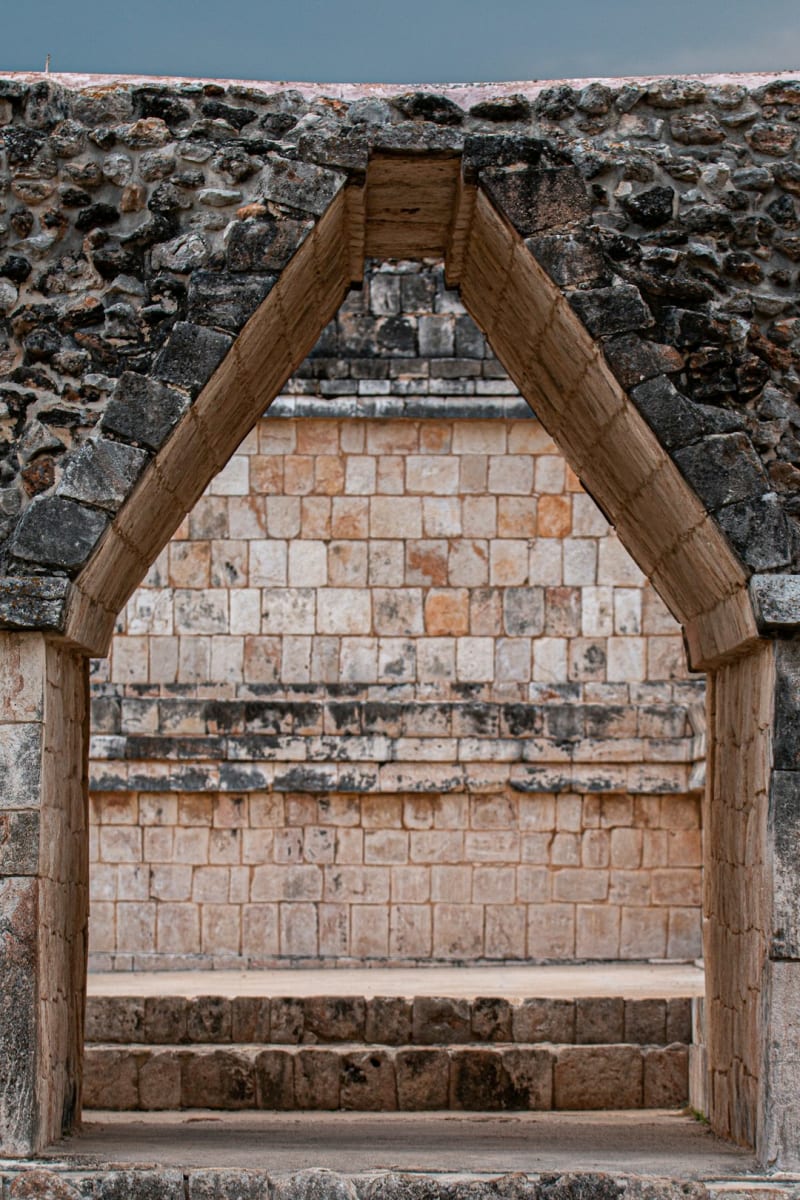
 Dzibilchaltún
Fifteen minutes north of Mérida, Dzibilchaltún is a Maya site occupied continuously for three thousand years, with a temple precisely aligned to the equinox dawn and a cenote you can actually swim in. Most days the parking lot is half empty.
Explore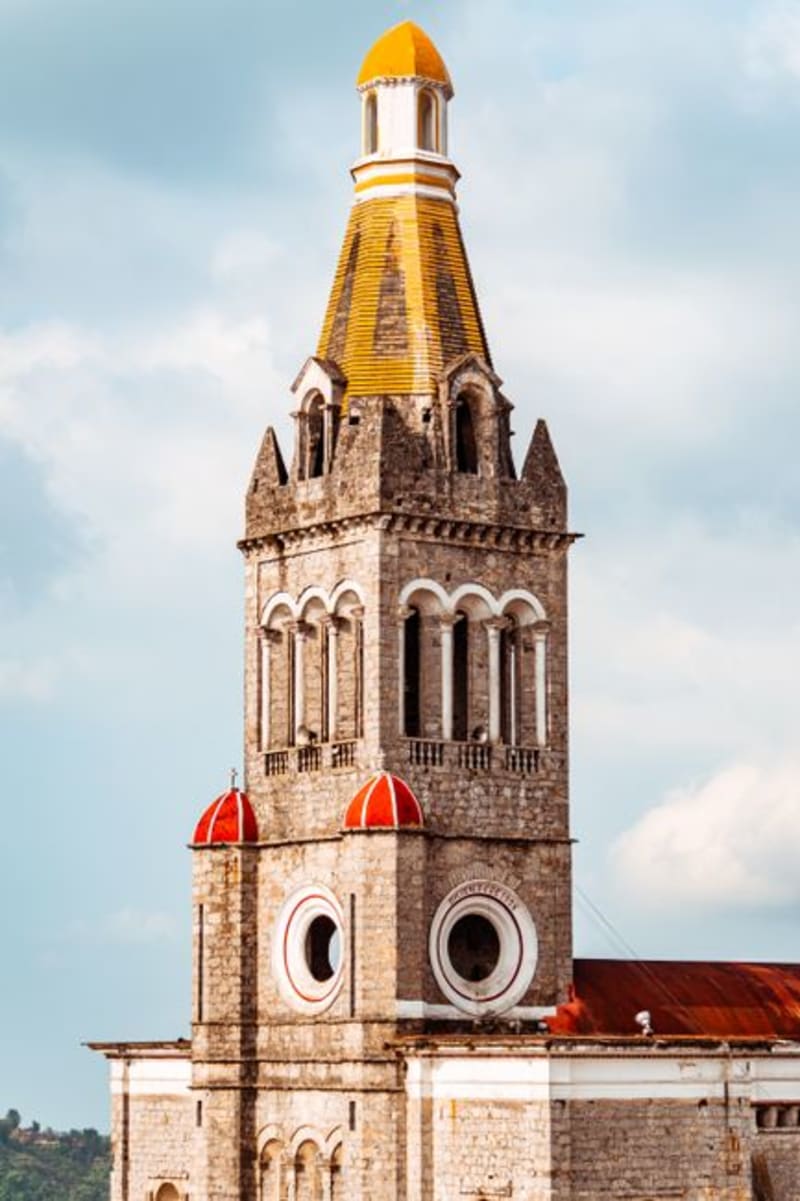 mexico
 Acanceh
A small town south of Mérida where a Maya pyramid and a colonial church stand on opposite sides of the same plaza — no fence between them, no ticket booth, no explanation offered. Acanceh moves at its own pace, indifferent to the drama of what it contains.
Explore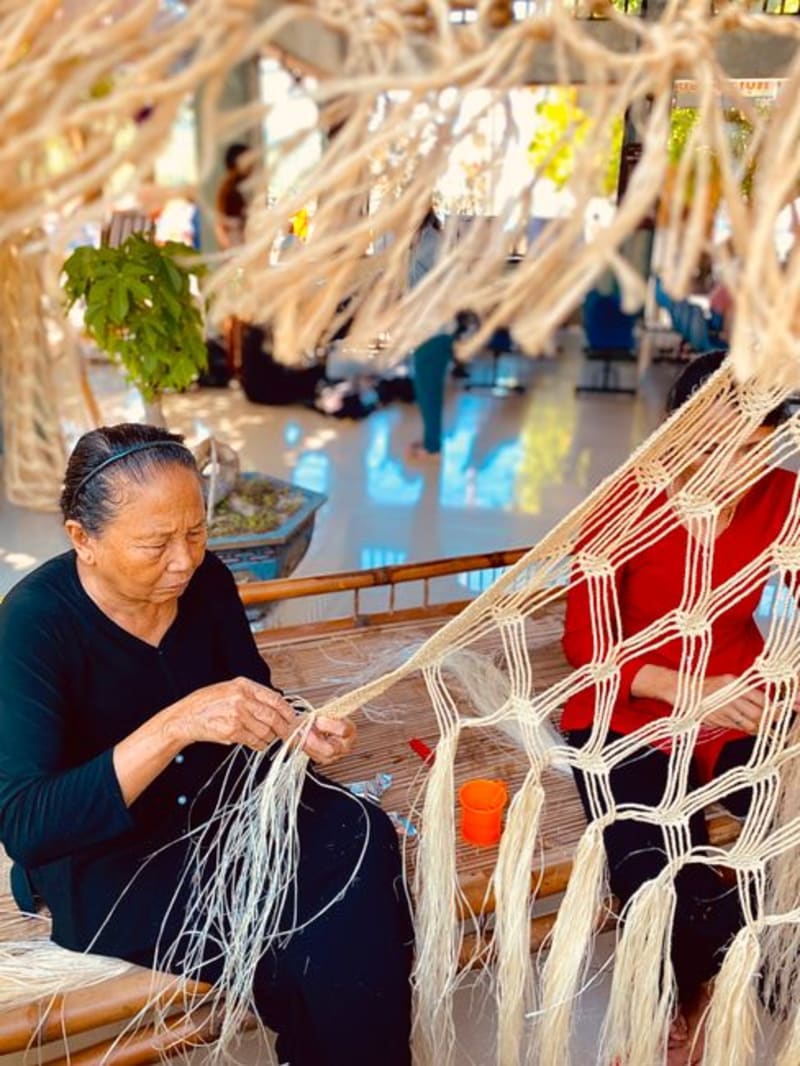 mexico
 Tixkokob
Half an hour east of Mérida, Tixkokob has been weaving hammocks for generations — the ones filling hotel rooms across the Yucatán Peninsula, quietly and without markup. Family workshops line the streets, the whole process visible from the sidewalk: cotton dyed in terracotta and indigo, warp threads stretched across rooms, finished pieces tested with forty years of practiced confidence.
Explore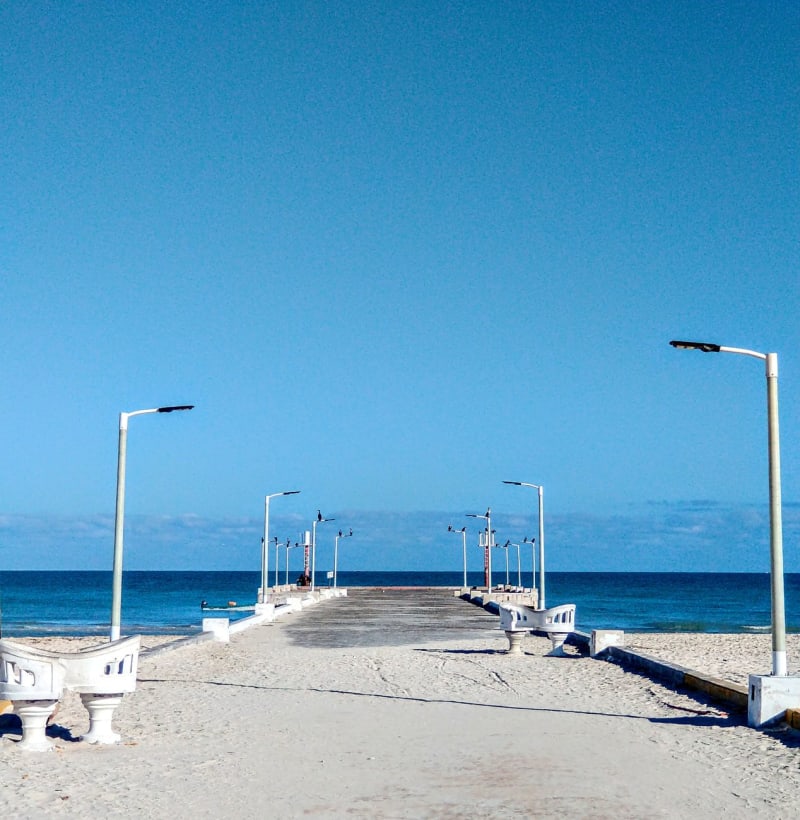 mexico
 Progreso
Mérida's seaside escape sits at the end of a long, flat causeway jutting into the Gulf of Mexico, where the water turns an improbable shade of jade-green and the pier stretches so far into the shallows it feels like a walking dare. The town runs on fish, salt air, and the seasonal rhythm of Meridanos fleeing the inland heat. I came for one afternoon and stayed two days.
Explore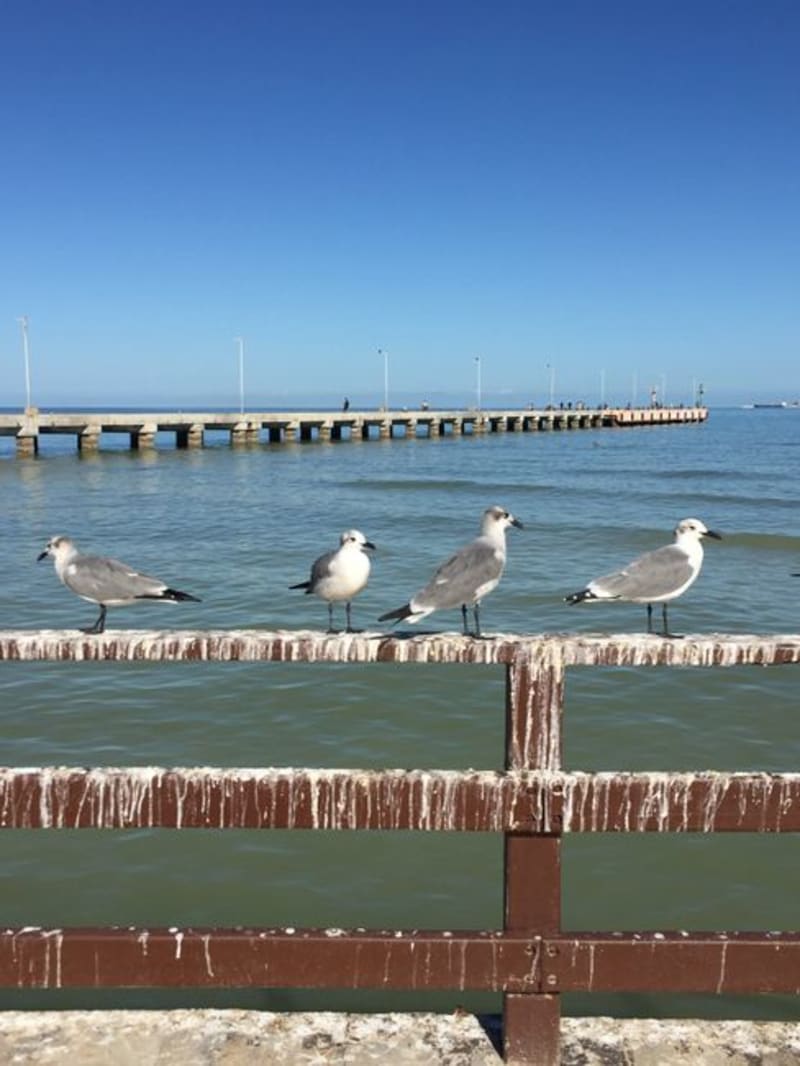 mexico
 Progreso
Mérida's beach escape sits on a flat, windswept stretch of Gulf coast where the water stays shallow and warm and the pier stretches six kilometers into the horizon. Meridanos have been coming here for generations to eat ceviche, wade in the sea, and do absolutely nothing at a pace the rest of the peninsula can't quite match.
Explore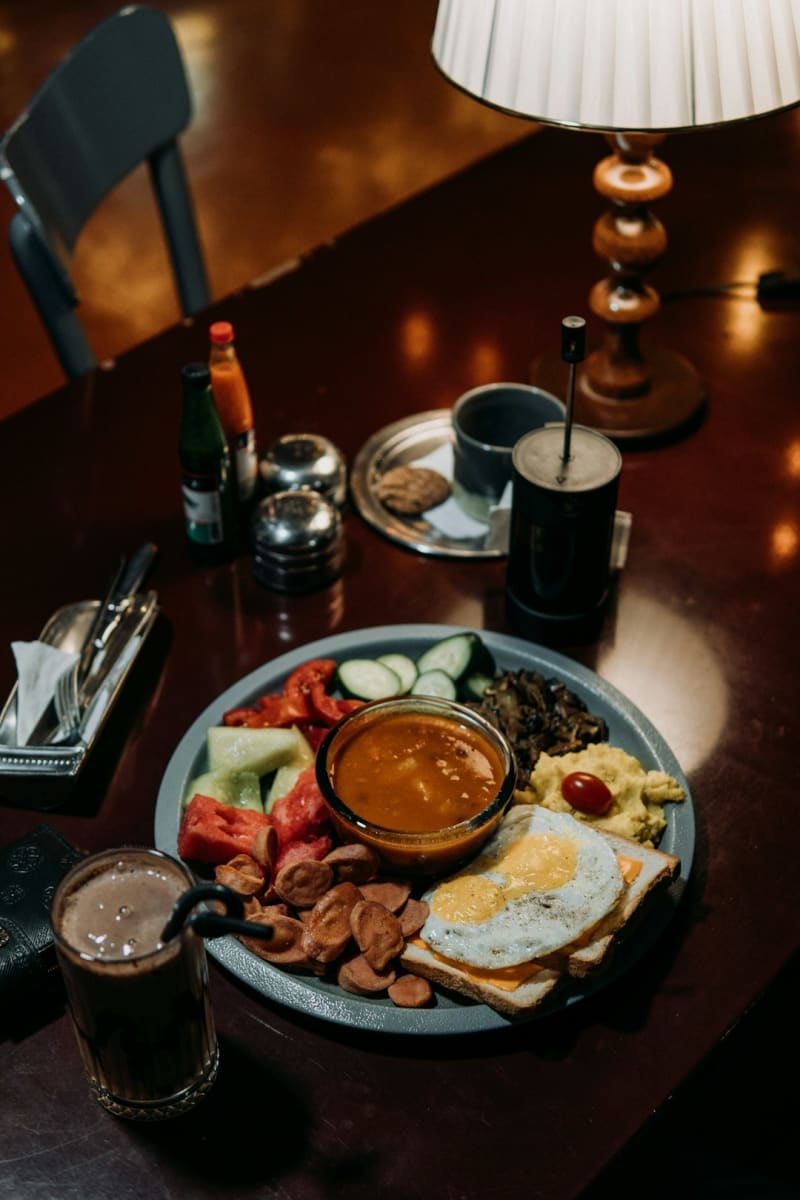 mexico
 Motul
Motul is the quiet Yucatecan town that gave Mexico one of its most beloved breakfast dishes — huevos motuleños — and locals here will not let you forget it. Beyond the egg-and-tostada mythology, you will find a graceful 16th-century convent, a covered market that still runs on henequen-country time, and the kind of unhurried plaza life that reminds you why you came to the peninsula in the first place.
Explore