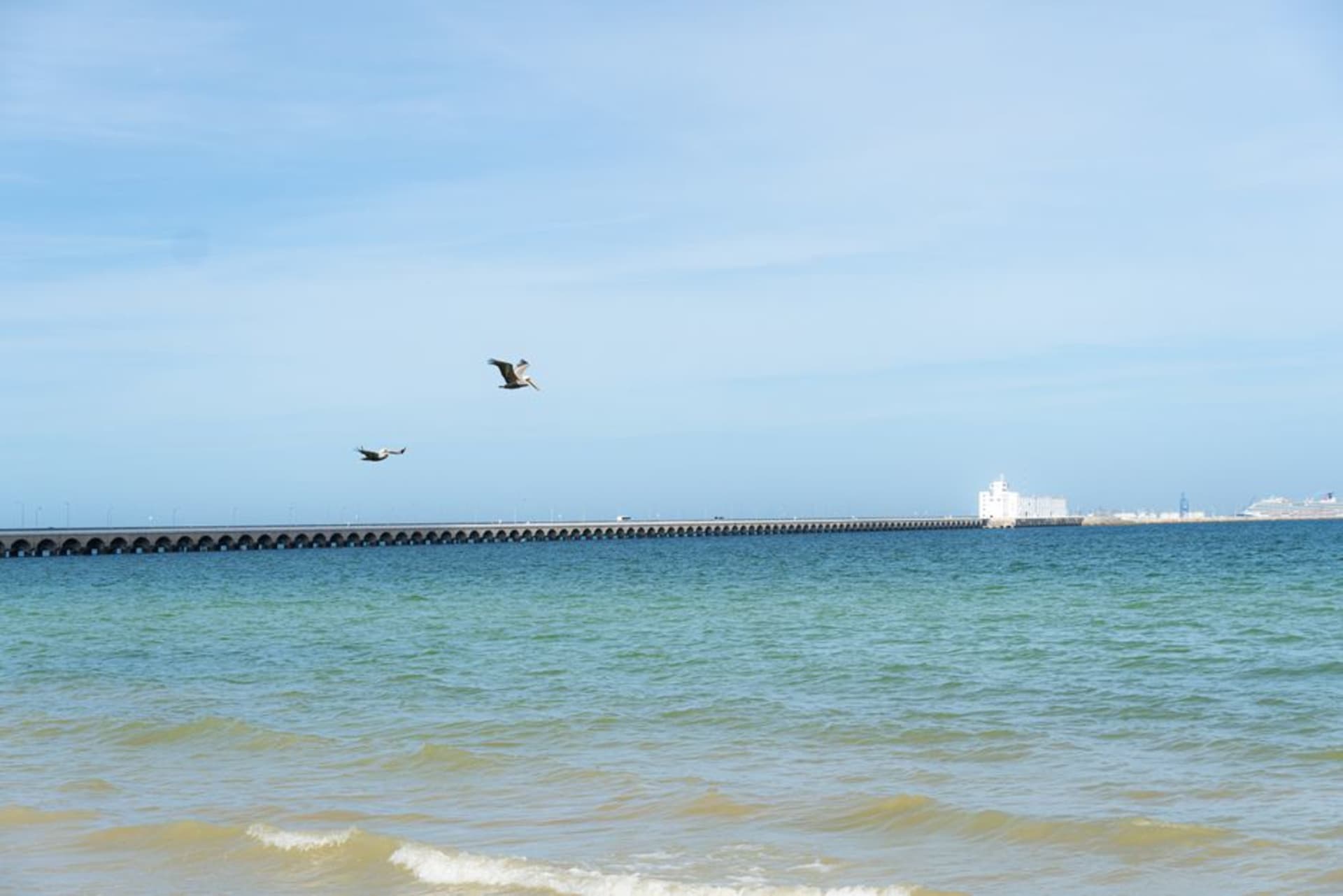
Mérida's beach escape sits on a flat, windswept stretch of Gulf coast where the water stays shallow and warm and the pier stretches six kilometers into the horizon. Meridanos have been coming here for generations to eat ceviche, wade in the sea, and do absolutely nothing at a pace the rest of the peninsula can't quite match.

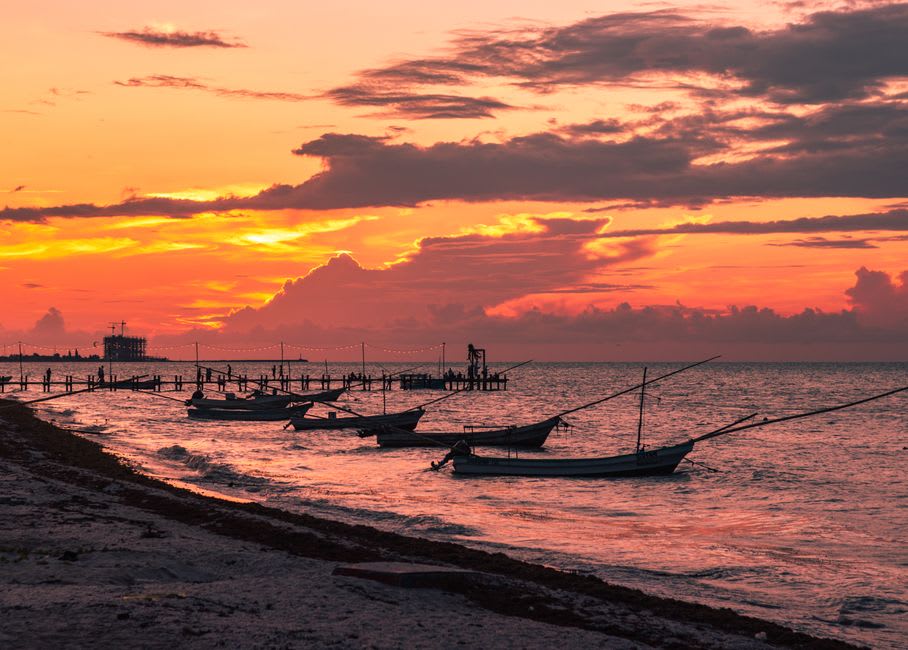
I took the colectivo from Mérida’s Parque San Juan on a Thursday morning, forty-five minutes of flat highway through henequen scrubland, and arrived at a place that seemed completely unbothered by the idea of impressing anyone. Progreso’s malecón smelled like brine and frying fish. A man was sleeping in a hammock strung between two palms at ten in the morning. I understood immediately that I had come to the right place.
The Pier and the Gulf
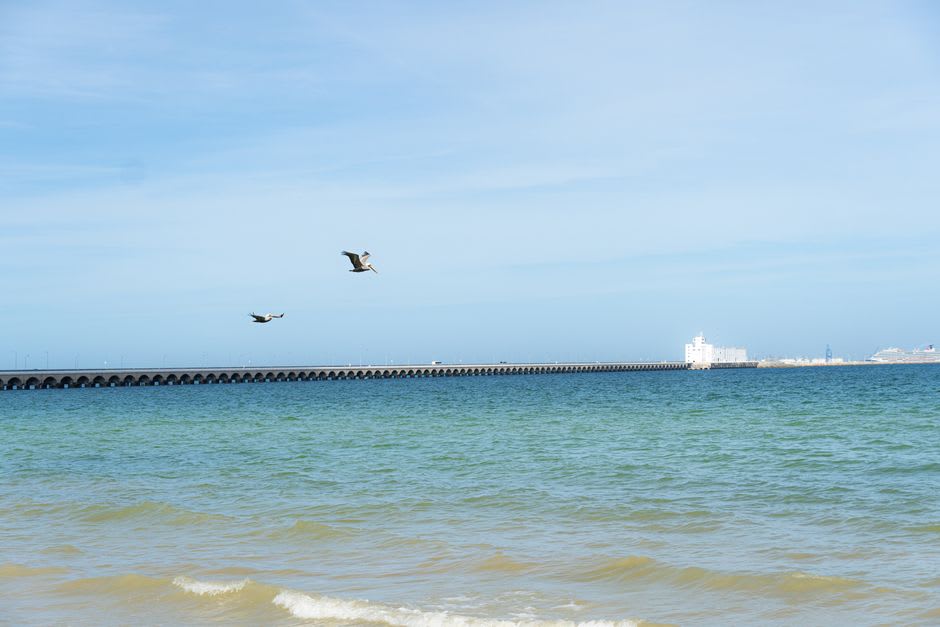
The muelle — at six kilometers, supposedly the longest in the Americas — exists for commercial shipping, not romance, which is exactly why it works. You walk out onto it and the town recedes into a thin line behind you, the Gulf opening up on both sides in that particular shade of green-gray that belongs only to this coast. The water is almost embarrassingly shallow this close to shore; you can wade out fifty meters and still feel the sand under your feet. Families set up here on weekends with coolers and folding chairs, the kids chest-deep fifty meters from the beach. There are no waves to speak of. The Gulf here is more like a large warm bath than an ocean, and nobody seems to mind. I spent an afternoon just sitting at the end of the pier watching pelicans work the water below the pilings, which I am not ashamed to admit was one of the more pleasurable hours I spent in Yucatán.
Ceviche at the Malecón
The waterfront restaurants along Calle 19 are not fancy. Plastic chairs, hand-painted menus, ceiling fans turning slowly overhead. I ordered a ceviche de camarón at a place called El Cordobés — the portion arrived in a vessel closer in size to a salad bowl than anything I had been prepared for, packed with shrimp, tomato, cilantro, habanero, and enough lime to make your eyes water. I ate it with tostadas and a cold Montejo and watched the afternoon light go flat and golden over the pier. Later I tried the tikin xic, a whole fish marinated in achiote and grilled over charcoal, which I had been told was the thing to eat in Progreso and which turned out to be exactly as good as advertised. The trick is to go where the Meridano families go, not where the cruise ship passengers are being herded — which in Progreso is easy enough, since those two groups barely overlap.

The Town Behind the Malecón
Step one block back from the water and Progreso becomes a working port town — hardware stores, a municipal market on Calle 25 where women sell chaya and habaneros by the kilo, a pharmacy, a church with a painted facade that has been slowly peeling for what looks like decades. There is a faded elegance to the grid of colonial houses, the kind of place that was prosperous once on henequen money and has since settled into a comfortable, unassuming middle age. I liked it more for not trying.
Getting There
Colectivos to Progreso leave every few minutes from Calle 62 between 65 and 67 in central Mérida, near Parque San Juan. The ride costs around 40 pesos and takes forty to fifty minutes depending on traffic. There is no reason to rent a car. The town is entirely walkable once you arrive.
Keep exploring
More of Yucatán
Keep exploring
More from Yucatán
 mexico
 Progreso
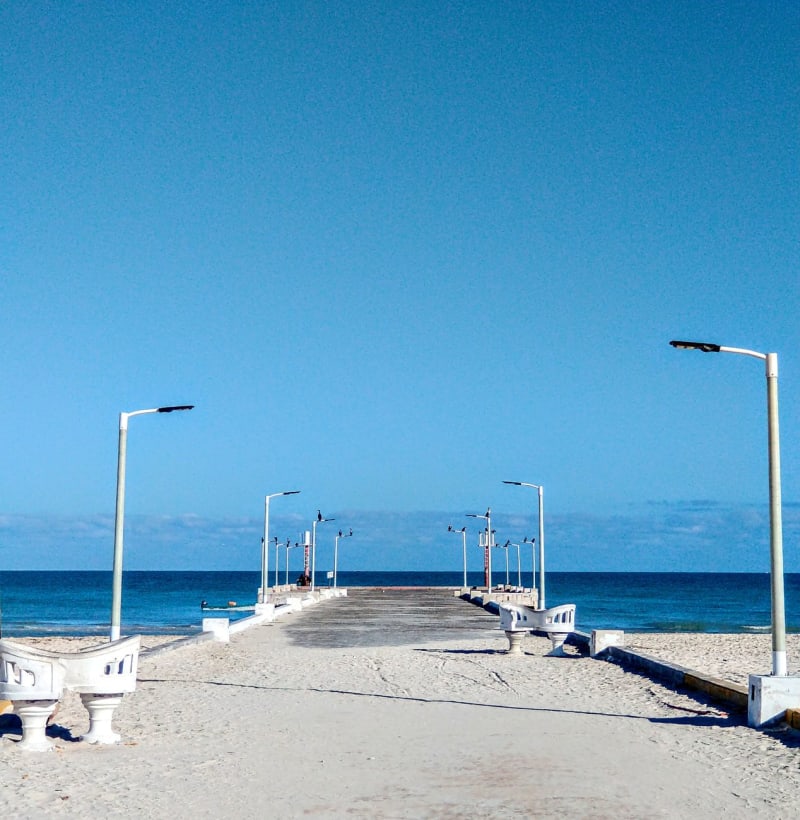
Mérida's seaside escape sits at the end of a long, flat causeway jutting into the Gulf of Mexico, where the water turns an improbable shade of jade-green and the pier stretches so far into the shallows it feels like a walking dare. The town runs on fish, salt air, and the seasonal rhythm of Meridanos fleeing the inland heat. I came for one afternoon and stayed two days.
Explore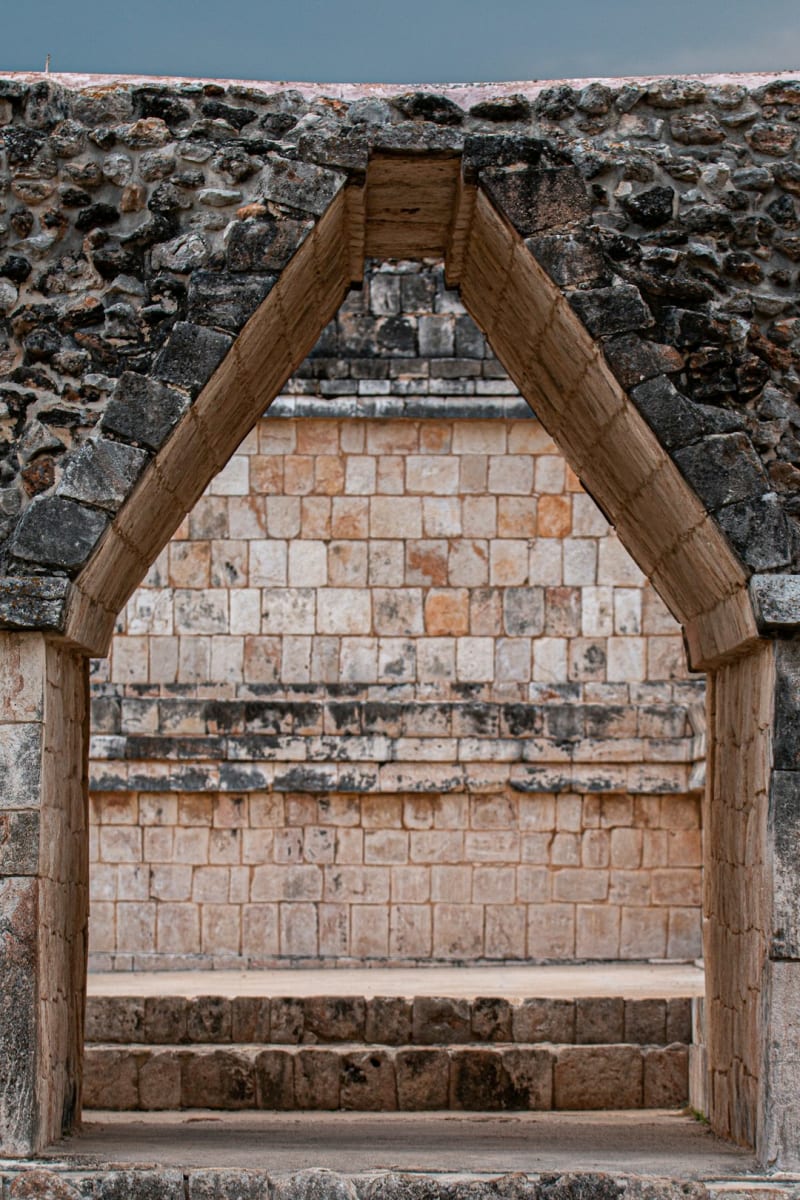 mexico
 Dzibilchaltún
Fifteen minutes north of Mérida, Dzibilchaltún is a Maya site occupied continuously for three thousand years, with a temple precisely aligned to the equinox dawn and a cenote you can actually swim in. Most days the parking lot is half empty.
Explore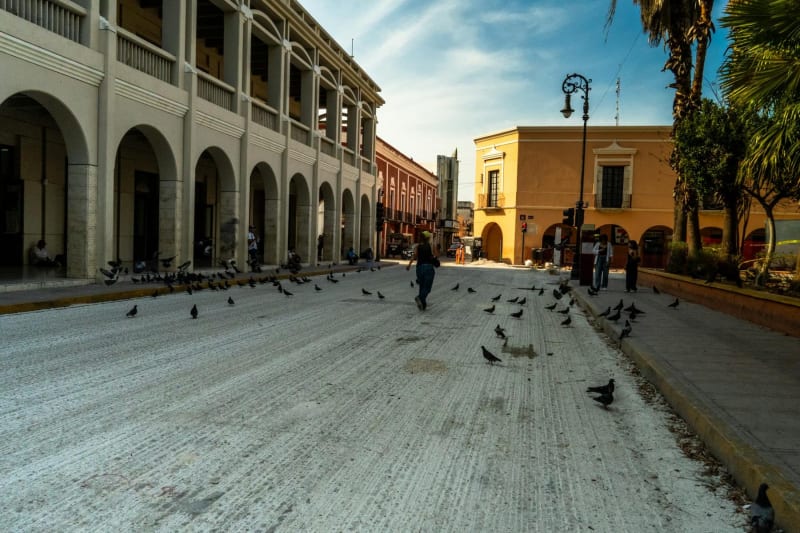 mexico
 Merida
The White City of the Yucatan blends Mayan heritage, colonial grandeur, and some of Mexico's finest food.
Explore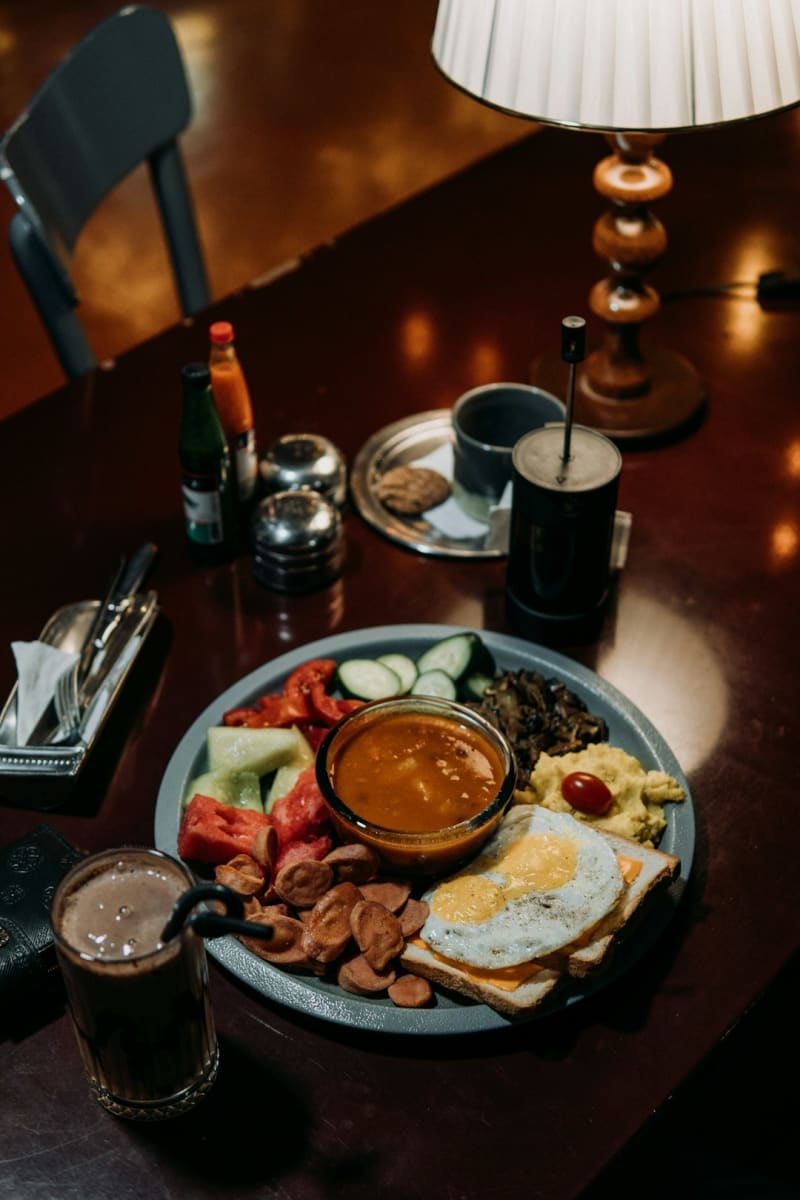 mexico
 Motul
Motul is the quiet Yucatecan town that gave Mexico one of its most beloved breakfast dishes — huevos motuleños — and locals here will not let you forget it. Beyond the egg-and-tostada mythology, you will find a graceful 16th-century convent, a covered market that still runs on henequen-country time, and the kind of unhurried plaza life that reminds you why you came to the peninsula in the first place.
Explore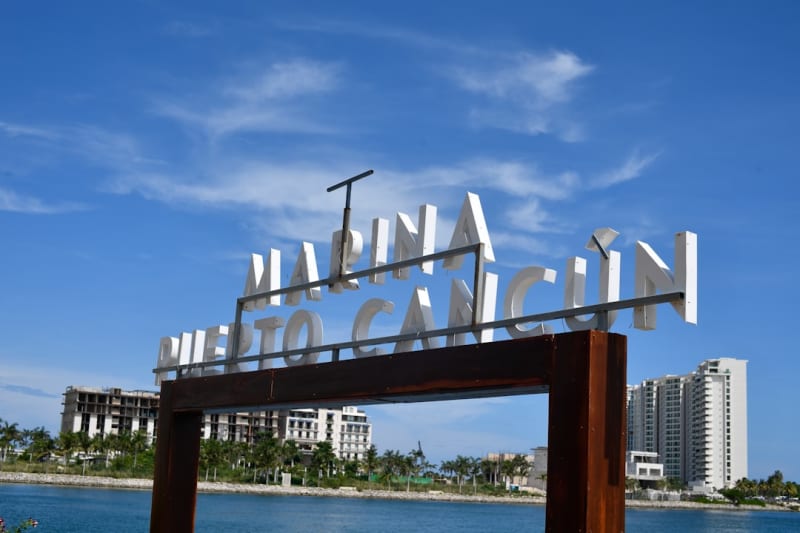 mexico
 Sisal
A forgotten Yucatán port where the henequen trade built a customs house and an 18th-century fort, the flamingos fly in from the Celestún lagoon at dusk, and the fishing boats unload octopus on a beach that hasn't changed since the henequen ships stopped coming.
Explore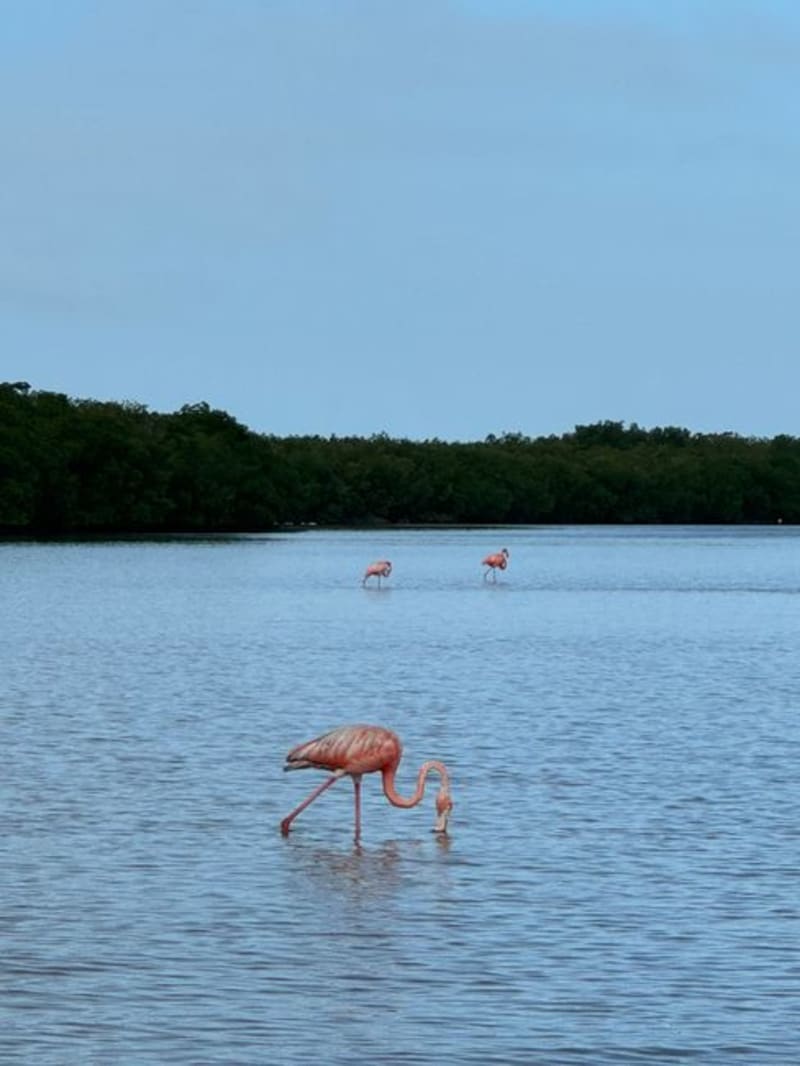 mexico
 Sisal
A forgotten colonial port on the Yucatán coast where henequen once shipped to the world and time has graciously stood still since. A crumbling 19th-century fort, flamingos wading in the estuary at dusk, and almost nobody else around to notice any of it.
Explore