Zontecomatlán
"Some places you don't arrive at so much as disappear into. Zontecomatlán is one of them."
A remote mountain municipality in the Huasteca Alta of northern Veracruz, home to Nahua and Otomí communities among foggy green sierra, rivers, coffee and citrus. Winding roads, deep quiet, and mist that never quite lifts.

I found Zontecomatlán on a map while looking for somewhere with no reason to go, which is a habit of mine and usually the best kind of trip. It sits up in the Huasteca Alta of northern Veracruz, in a fold of sierra so remote and so consistently wrapped in cloud that the drive in felt like slowly being swallowed. By the time I reached the town I hadn’t seen another car in twenty minutes and the world had narrowed to wet green walls of mountain on either side.
The Winding Way Up
The roads into Zontecomatlán are the kind that make you respect the people who live at the end of them. They climb and drop and coil through the sierra, often single-lane in effect, the drop-offs veiled mercifully by fog. Rivers appear far below in the ravines, fast and green. Coffee grows under the shade trees, and citrus, and the slopes are so steep it’s hard to imagine harvesting any of it, yet people do.
I passed small communities where kids waved and dogs gave chase and a man leading a mule stepped onto the verge to let me by with a nod. This is Nahua and Otomí country, deeply local, and I had the strong and correct sense of being a rare visitor rather than an expected one. The mist gave everything a hush. I remember rolling the window down just to hear how quiet it was, and hearing only water somewhere and a rooster, very far off.

A Town at the End of the Cloud
Zontecomatlán itself is small and unhurried, a municipal seat for a scatter of communities in the surrounding hills. A modest plaza, a church, comedores, a few shops, tin roofs slick with the permanent damp. I ate a plate of local food in a place where the woman cooking seemed pleased and slightly puzzled to have me, and drank coffee that had almost certainly grown within sight of where I sat.
There is nothing performed here. No craft market laid out for tourists, no boutique anything. Just a working mountain town going about its week in the fog, Nahua and Otomí spoken alongside Spanish, people coming down from the ridges on market days and going back up. I walked the few streets slowly, nodded at, mildly wondered about, and felt the particular peace of a place that has no interest in impressing you and every reason to simply be itself.

Rivers, Coffee, and the Long Silence
What Zontecomatlán has, in abundance, is water and green and quiet. The rivers in the ravines below the town run cold and clear, and the coffee and citrus on the slopes are the backbone of everything. I spent an afternoon just following a track down toward the sound of a river, through coffee bushes and dripping forest, until I reached the water and sat on a rock and did nothing at all for an hour, which up there feels like the correct and complete activity.
I won’t pretend Zontecomatlán is easy or that there’s a checklist of things to do. There isn’t, and that’s the point. It is one of those genuinely remote corners of Mexico that reward you not with sights but with atmosphere — the fog, the winding roads, the deep local quiet, the sense of a landscape and a way of life carrying on exactly as they have, indifferent to whether anyone comes to look. I came to look. I left grateful.

Getting There
Zontecomatlán is deep in the Huasteca Alta of northern Veracruz, roughly two to three hours of slow mountain driving from the Huejutla or Huayacocotla areas, and a long way from any city. Shared vans and second-class buses connect it to the larger sierra towns, running on their own unhurried schedule. A car gives you the freedom to reach the surrounding communities and river valleys, but the roads are narrow, steep, and frequently fogbound — drive them only in daylight and take the curves as seriously as the locals do. Come for the mist and the silence, not for a list of sights.
Keep exploring
More of Veracruz
Keep exploring
More from Veracruz
 mexico
 Acajete
A high, cold plateau town west of Xalapa near the Cofre de Perote, where pine forest gives way to potato fields and grazing sheep, and fog and frost are the daily weather. A bracing upland far from the tropical Veracruz coast.
Explore mexico
 Xico
A colonial town folded into the coffee mountains above Xalapa, Xico is best known for its November pamplonada — bulls released through narrow cobblestone lanes — and a mole negro whose recipe is older than the town itself and argued over with the intensity of a family inheritance.
Explore mexico
 Orizaba
A Veracruz industrial city at the foot of Mexico's highest mountain — the Pico de Orizaba volcano at 5,636 meters, the birthplace of Moctezuma beer, an art nouveau iron building imported from Belgium, and the most beautiful river walk in the Gulf coast lowlands.
Explore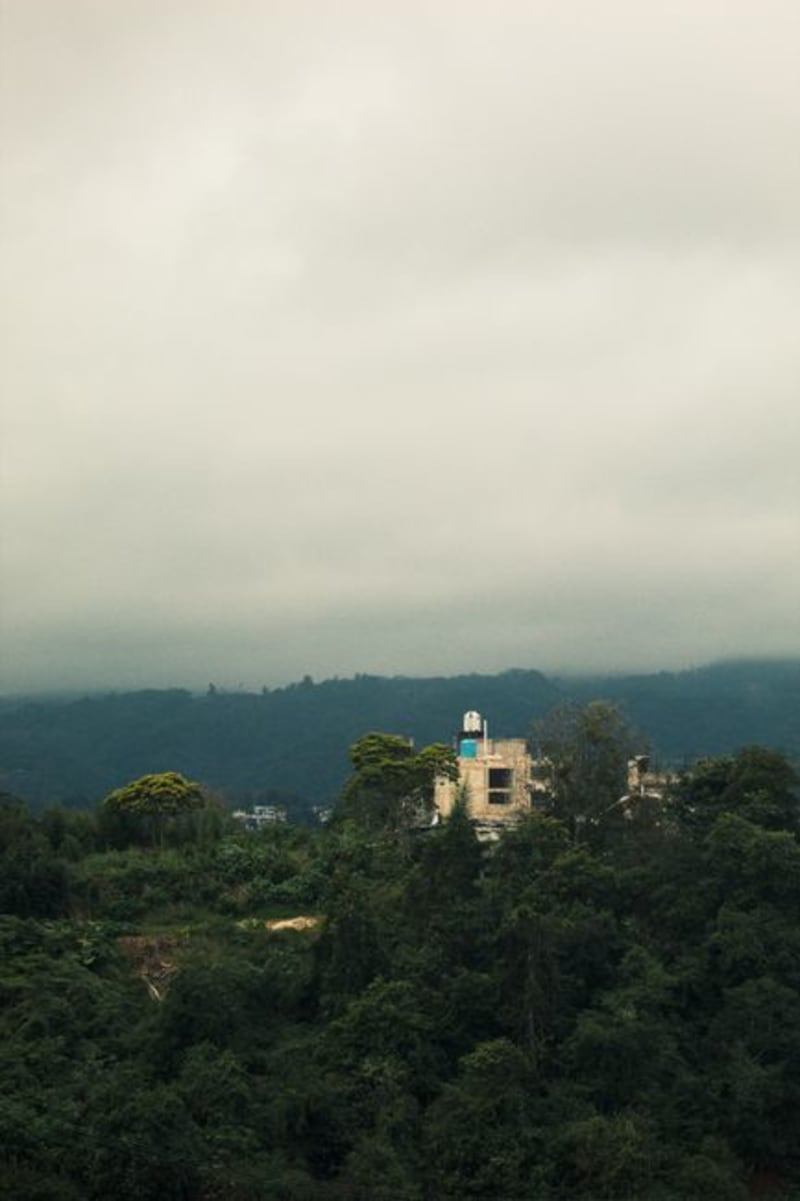 mexico
 Zongolica
Zongolica sits deep in the Sierra de Zongolica, a Nahuatl-speaking community where the fog holds until midday and women weave quexquémetl that carry their lineage in every thread. Very few travelers make it this far into the mountains south of Orizaba, and fewer still stay long enough to understand what they have stumbled into.
Explore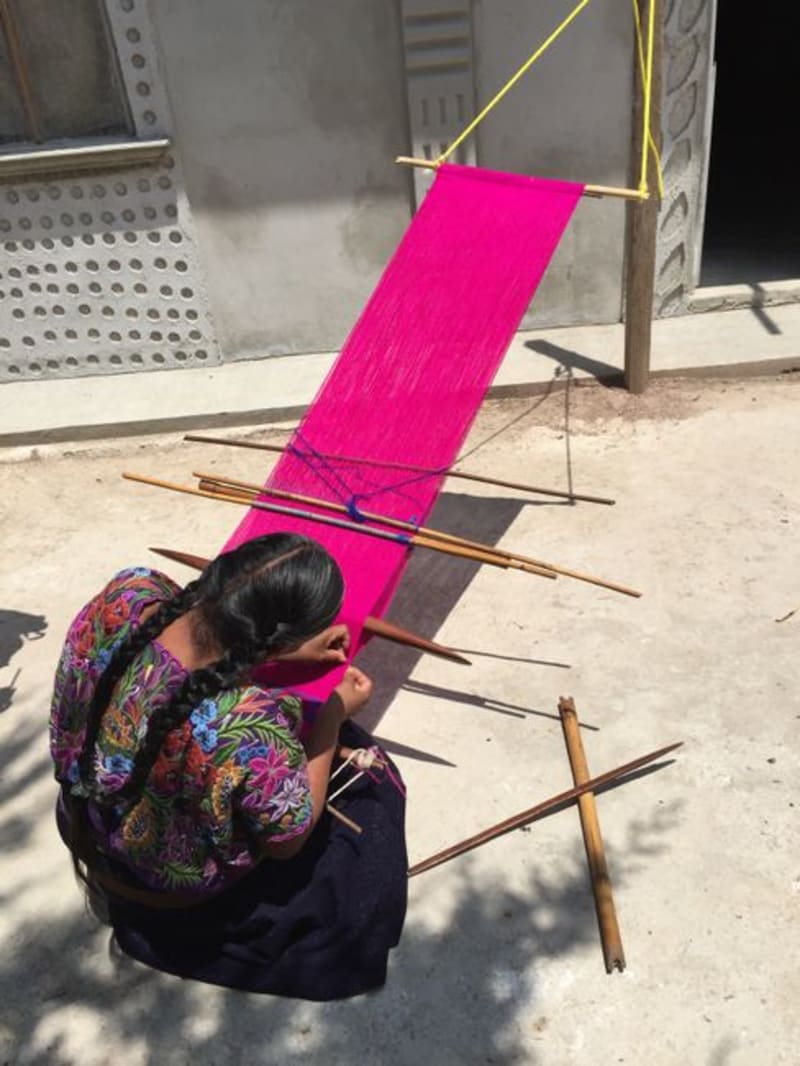 mexico
 Zongolica
Zongolica sits in a mist-wrapped sierra in southern Veracruz where Nahuatl is still the first language of most households and backstrap-loom weaving has never stopped being ordinary, everyday work. The town itself is modest, but the villages threaded through the surrounding mountains are among the most culturally intact communities I have found anywhere in Mexico.
Explore mexico
 Fortín de las Flores
Fortín de las Flores sits at 950 meters in the humid highland valley between Córdoba and Orizaba, where the climate is warm enough for orchids and cool enough that you sleep under a blanket. The city is called the city of flowers for the right reason: the gardenias are grown commercially here, sold by the dozen in the market at prices that would embarrass Mexico City florists, and the whole place smells of them on humid mornings. I put a thirty-peso bunch on the nightstand and the entire floor of the hotel smelled of gardenias by the time I woke up.
Explore