
Fortín de las Flores
"Thirty pesos for a dozen gardenias. The whole floor smelled of them by morning."
Fortín de las Flores sits at 950 meters in the humid highland valley between Córdoba and Orizaba, where the climate is warm enough for orchids and cool enough that you sleep under a blanket. The city is called the city of flowers for the right reason: the gardenias are grown commercially here, sold by the dozen in the market at prices that would embarrass Mexico City florists, and the whole place smells of them on humid mornings. I put a thirty-peso bunch on the nightstand and the entire floor of the hotel smelled of gardenias by the time I woke up.

I did not plan to stop in Fortín de las Flores. I was driving between Xalapa and Orizaba on the old federal highway — avoiding the toll road, as I usually do, because the federal highway goes through things — and the road drops into a valley where the vegetation changes suddenly from pine and cloud forest to something tropical and overripe. Then there was a sign for flowers. Not advertising a tourist attraction. Indicating a market. I turned off.
La Ciudad de las Flores
The name, the city of flowers, could easily be the kind of designation a municipal government attaches to somewhere because it sounds nice. In Fortín’s case it is simply accurate. The valley around the city is planted in gardenias, orchids, begonias, and several varieties I could not identify on sight. These are not decorative plantings — this is commercial horticulture. The growers here supply cut flowers to Mexico City and the central highland markets, and the volume of production means that local market prices are absurdly low by any standard I am used to.
I bought a dozen gardenias for thirty pesos. At the time the exchange rate made this approximately one euro forty. The vendor, a woman in her fifties with a stall piled improbably high with white blooms, looked mildly bored as she wrapped them in newspaper. I asked if this was a normal price. She said yes. I asked if there were larger bunches. She indicated a bucket to my left containing what I can only describe as an architectural quantity of gardenias for ninety pesos.
I bought the thirty-peso bunch. Carried them back to the hotel, put them in a glass of water on the nightstand, and went to sleep. At six in the morning the entire floor smelled of gardenias in a way that was almost excessive. The housekeeper who knocked to ask if everything was all right seemed to find the situation unremarkable.
The market itself rewards an hour even if flowers are not your specific interest. The orchid section has varieties I have not seen in any florist’s shop, including colors that seem almost artificially vivid. In spring, jacaranda trees along the main avenues add a layer of purple that, combined with the highland light and the colonial architecture, produces the kind of composition that makes it genuinely difficult to put your phone away.

Barranca de Metlac
A few kilometers outside the city, the land falls away into a gorge called the Barranca de Metlac. The drop is sudden and substantial — from the road you look down into a valley of tropical forest, the kind of deep green that happens when you take an altitude of 950 meters and add consistent humidity. The gorge is spanned by a railway viaduct built in the nineteenth century, a high iron bridge that still carries trains on the Veracruz–Mexico City line.
I stopped at the viewpoint above the viaduct on an afternoon when a freight train was crossing. The scale of the structure becomes apparent when you watch the train make its passage — the train looks small, which means the gorge is very large. The viaduct was built as part of the railway connecting Mexico City to the port of Veracruz, one of the great engineering projects of the Díaz era, and it has the specific beauty of industrial infrastructure that is still doing exactly what it was built to do a hundred and forty years ago.
Below the bridge the forest is thick enough that you cannot see the river. The afternoon light in the gorge is hazy and greenish, filtered through layers of trees. I stayed longer than I had planned.

Getting There
Fortín de las Flores is on Federal Highway 150 between Córdoba and Orizaba in the central Veracruz highlands. The toll autopista bypasses it entirely, which is one reason it does not get significant tourist traffic. From Xalapa it is about 80 kilometers; from Veracruz city, about 120.
There are a handful of hotels in the center — nothing boutique, but clean and functional, and any of them will be within walking distance of the market. The city works as a logical overnight stop on the Xalapa-to-Oaxaca drive, or as a half-day excursion from Orizaba. The flower market is busiest in the mornings. If you are there in spring, the jacaranda along the main avenues will be flowering, and the combination of purple trees above and white gardenias at street level is worth arranging your route around.
Córdoba, 15 kilometers down the valley, has better restaurants and the elegant Parque 21 de Mayo, one of the finer colonial plazas in Veracruz state. The two make a reasonable pairing for a single day.
Keep exploring
More of Veracruz
Keep exploring
More from Veracruz
 mexico
 Córdoba
Córdoba sits at 900 meters in the coffee-growing highlands of Veracruz, in the belt that produces some of Mexico's finest arabica, and it is the kind of city where you find yourself eating breakfast at the same portal table three mornings in a row without quite deciding to. The Treaty of Córdoba was signed here on August 24, 1821, making this one of the places where Mexican independence became official — a fact the city carries with appropriate but not overwhelming pride. The coffee fincas in the surrounding hills are the real draw.
Explore mexico
 Orizaba
A Veracruz industrial city at the foot of Mexico's highest mountain — the Pico de Orizaba volcano at 5,636 meters, the birthplace of Moctezuma beer, an art nouveau iron building imported from Belgium, and the most beautiful river walk in the Gulf coast lowlands.
Explore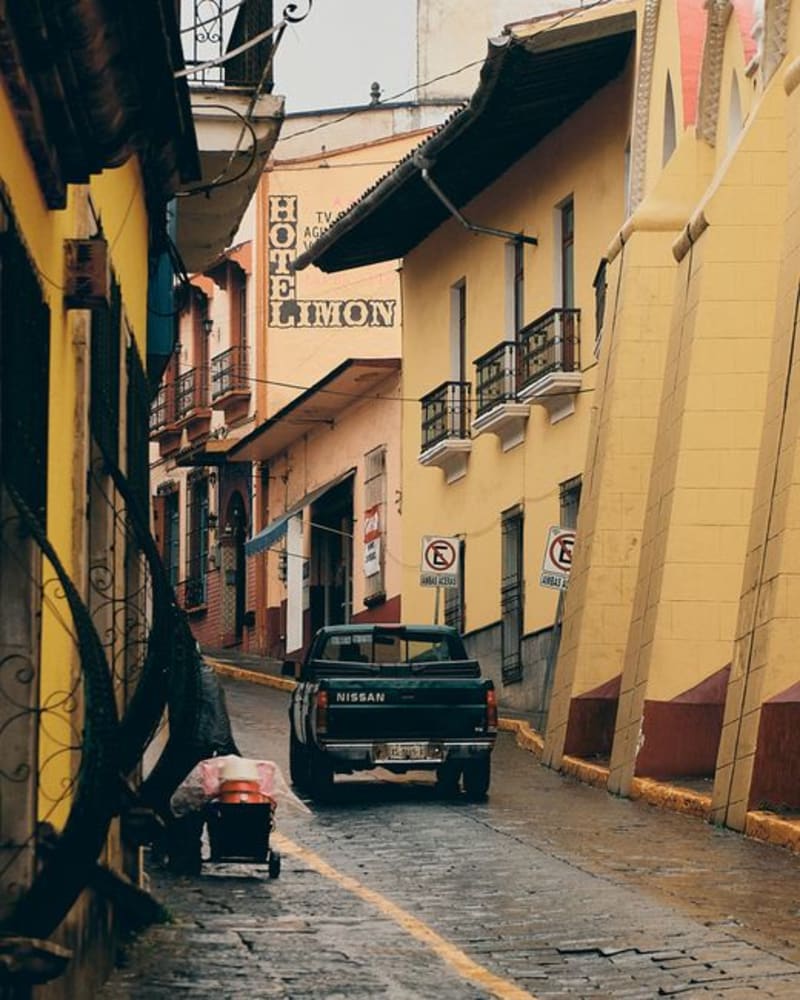 mexico
 Coscomatepec
A pueblo mágico on the green lower slopes of Pico de Orizaba, Mexico's highest peak, in the coffee country of central Veracruz. Cool mountain air, colonial streets that fall away toward the barranca, and bread pulled from wood-fired ovens that has made this small town famous across the state.
Explore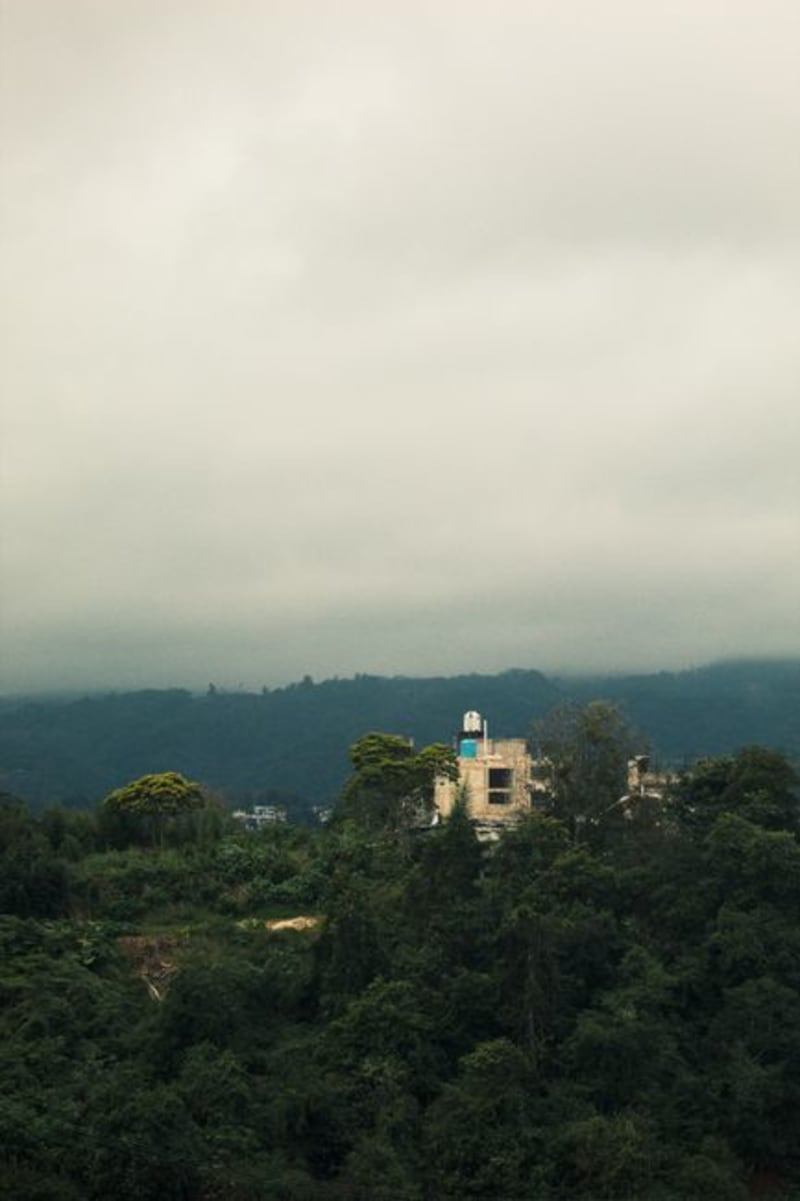 mexico
 Zongolica
Zongolica sits deep in the Sierra de Zongolica, a Nahuatl-speaking community where the fog holds until midday and women weave quexquémetl that carry their lineage in every thread. Very few travelers make it this far into the mountains south of Orizaba, and fewer still stay long enough to understand what they have stumbled into.
Explore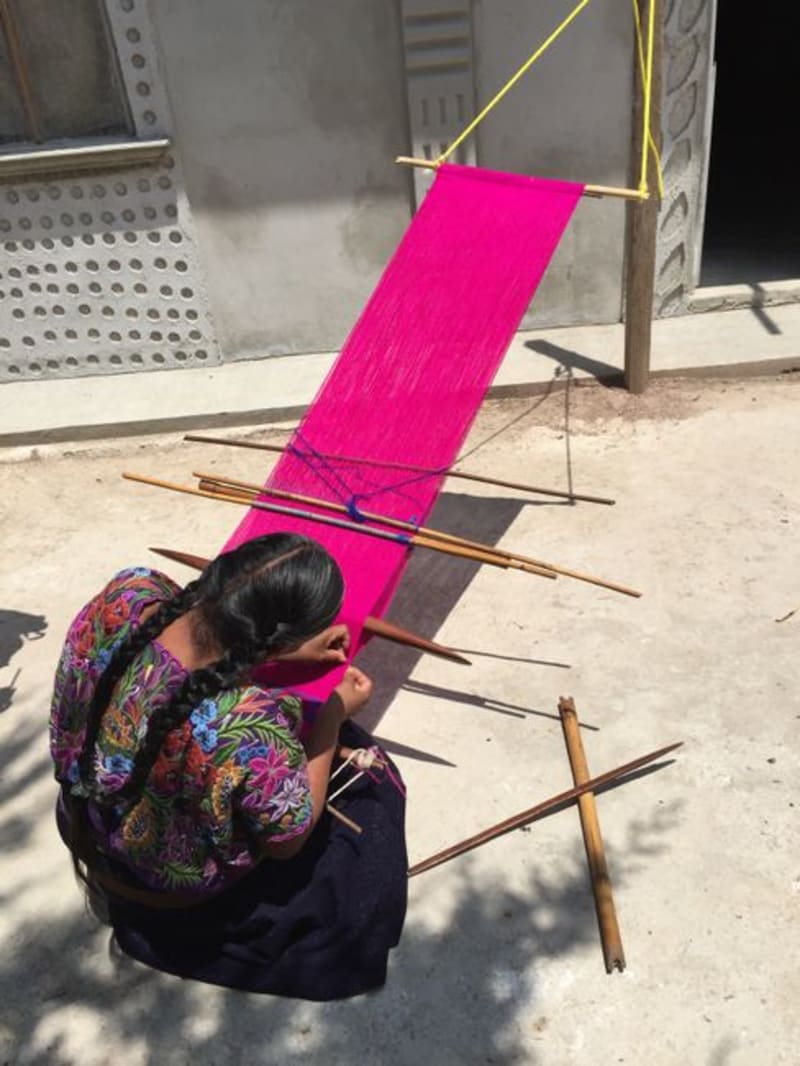 mexico
 Zongolica
Zongolica sits in a mist-wrapped sierra in southern Veracruz where Nahuatl is still the first language of most households and backstrap-loom weaving has never stopped being ordinary, everyday work. The town itself is modest, but the villages threaded through the surrounding mountains are among the most culturally intact communities I have found anywhere in Mexico.
Explore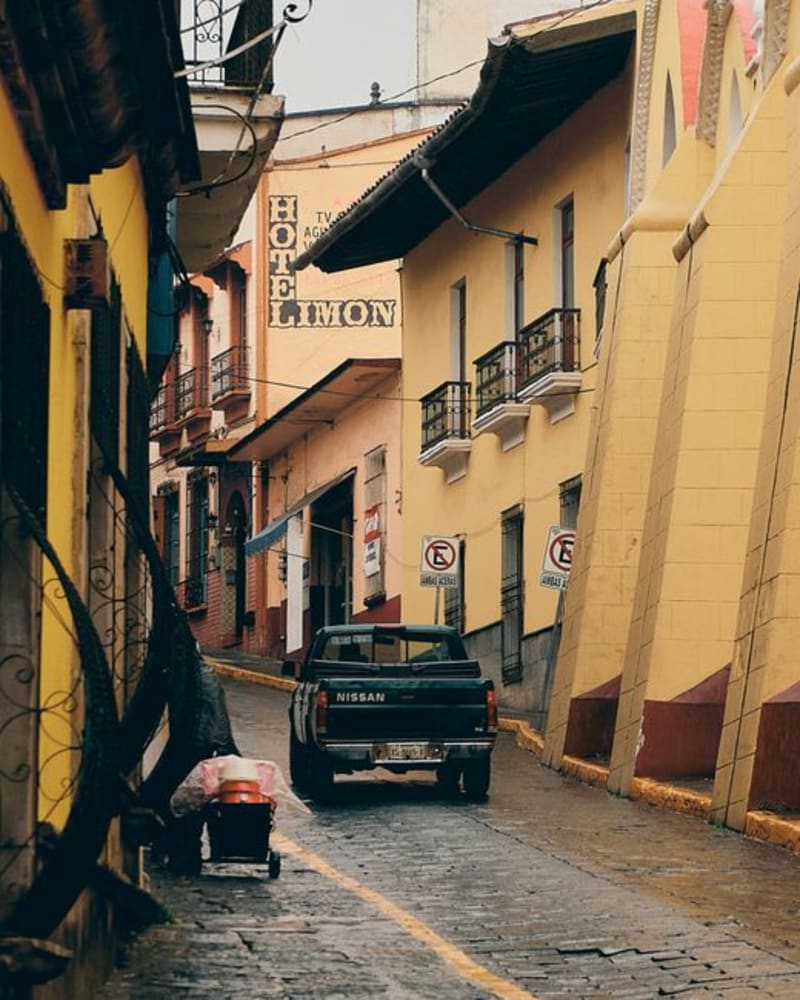 mexico
 Huatusco
Huatusco sits at 1,400 meters on the volcanic slopes of central Veracruz, where it has been growing and roasting coffee longer than most Mexican towns have been arguing about which of them does it best. The town is colonial, the pace is deliberate, and the hills around it are a green so saturated it looks slightly implausible after any time spent on the coast.
Explore