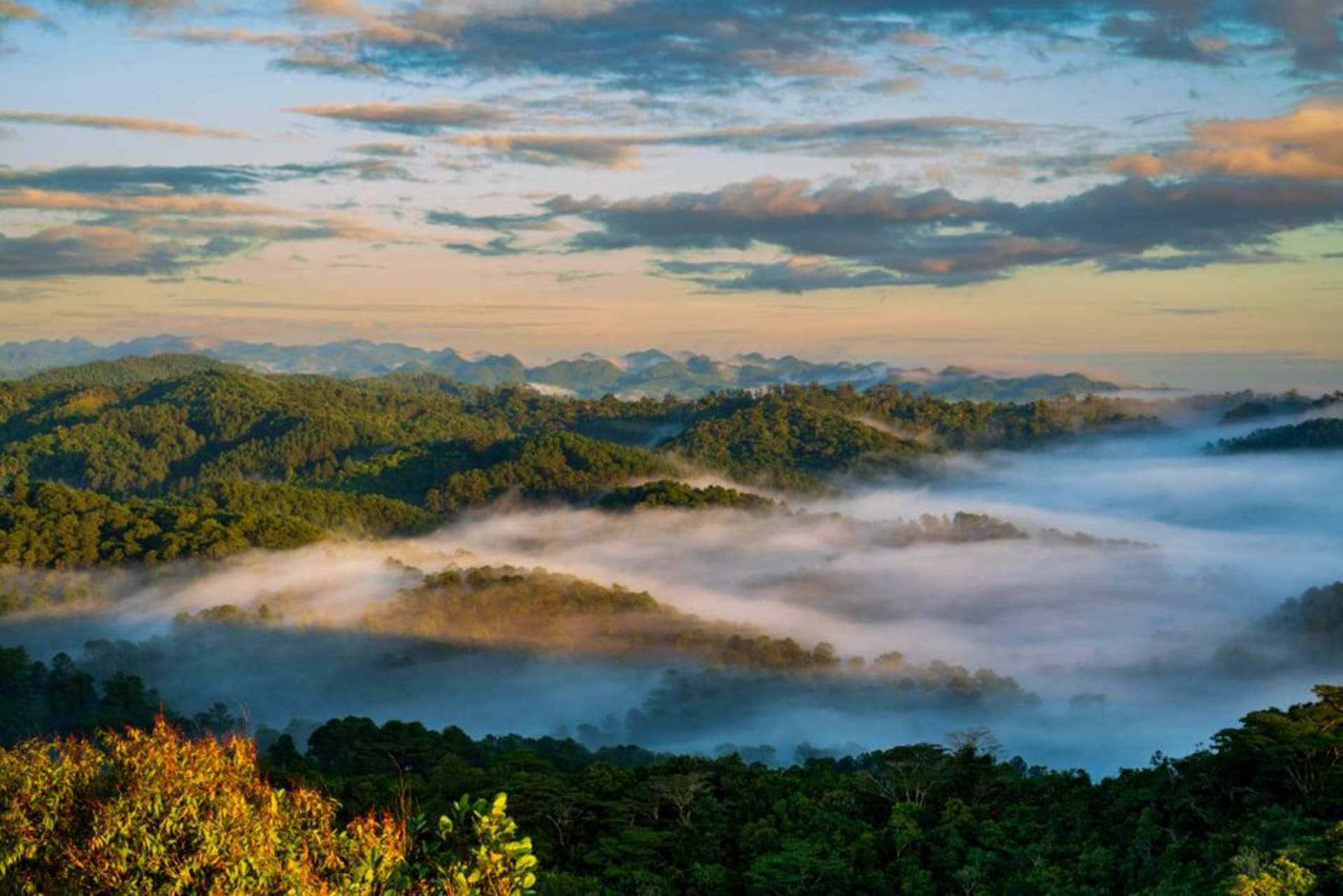
Zongolica
"I asked a schoolteacher in a roadside village how many people in her community spoke Nahuatl as a first language — she said nearly all of the older generation and most of the children, which surprised me completely."
Zongolica sits in a mist-wrapped sierra in southern Veracruz where Nahuatl is still the first language of most households and backstrap-loom weaving has never stopped being ordinary, everyday work. The town itself is modest, but the villages threaded through the surrounding mountains are among the most culturally intact communities I have found anywhere in Mexico.

I came to Zongolica on a Tuesday, which turned out to be the right day — market morning, the streets already filling up before eight with women in embroidered huipiles carrying baskets of quelites and fresh chiles. I had taken a shared van from Orizaba, winding up into the sierra through fog that didn’t lift until noon. My first impression of the town proper was that it felt purposeful rather than picturesque — a functioning market town that happens to sit at the edge of something remarkable.
A Language Still Very Much Alive
The Sierra de Zongolica is one of the strongholds of Nahuatl in Veracruz, and spending even two days here recalibrates your assumptions about what language survival actually looks like. In the village of Mixtla de Altamirano, about forty minutes further into the sierra, I sat outside a comedor eating a bowl of mole de olla — proper highland mole with xoconostle and tender beef — while three women at the next table spoke Nahuatl the entire meal without switching once. The schoolteacher I met on the road told me that in her community the children grow up speaking Nahuatl at home first; Spanish comes later, at school. That is not what the statistics on indigenous language decline had prepared me to hear. The market in Zongolica itself mixes both languages seamlessly, vendors shifting mid-sentence depending on who they are addressing.

Backstrap Looms and What They Actually Require
The weaving here is not artisanal in the boutique sense. In the villages around Zongolica — Tehuipango, Atlahuilco, Reyes Metzontla — women weave on backstrap looms as part of the daily rhythm of the household, producing quechquémitl and servilletas with geometric patterns that carry specific regional meaning. I watched a woman in Tehuipango work a section of deep red cloth with a steadiness that made clear she had been doing this since childhood. The threads are tension-controlled entirely by her own body weight. When I asked if she sold pieces, she said yes, but that a good quechquémitl takes her two weeks and she prices it accordingly. I paid accordingly. It sits folded on my shelf in Puerto Escondido and I think about those two weeks every time I look at it.

The Sierra Itself
The landscape is not dramatic in the way that Veracruz’s volcanic peaks are dramatic — it works on you more quietly. Cloud forest covers the upper ridges, the air is cool and smells of pine and wet earth, and the valleys hold mist until midday most mornings. There are waterfalls accessible from the villages if you are willing to walk muddy trails and ask locally for directions, which you will need to do because nothing is signed. The light in the late afternoon, when it finally breaks through, turns the whole valley a particular greenish gold that I have not seen anywhere else in Veracruz.

Getting There
Shared vans to Zongolica leave from the Orizaba bus station throughout the morning, taking about an hour and a half through increasingly steep terrain. Orizaba is well connected by ADO from Veracruz city, Puebla, and Mexico City. From Zongolica, colectivos run irregularly to the surrounding villages — Tuesday market day is the most reliable moment to catch onward transport.
Keep exploring
More of Veracruz
Keep exploring
More from Veracruz
 mexico
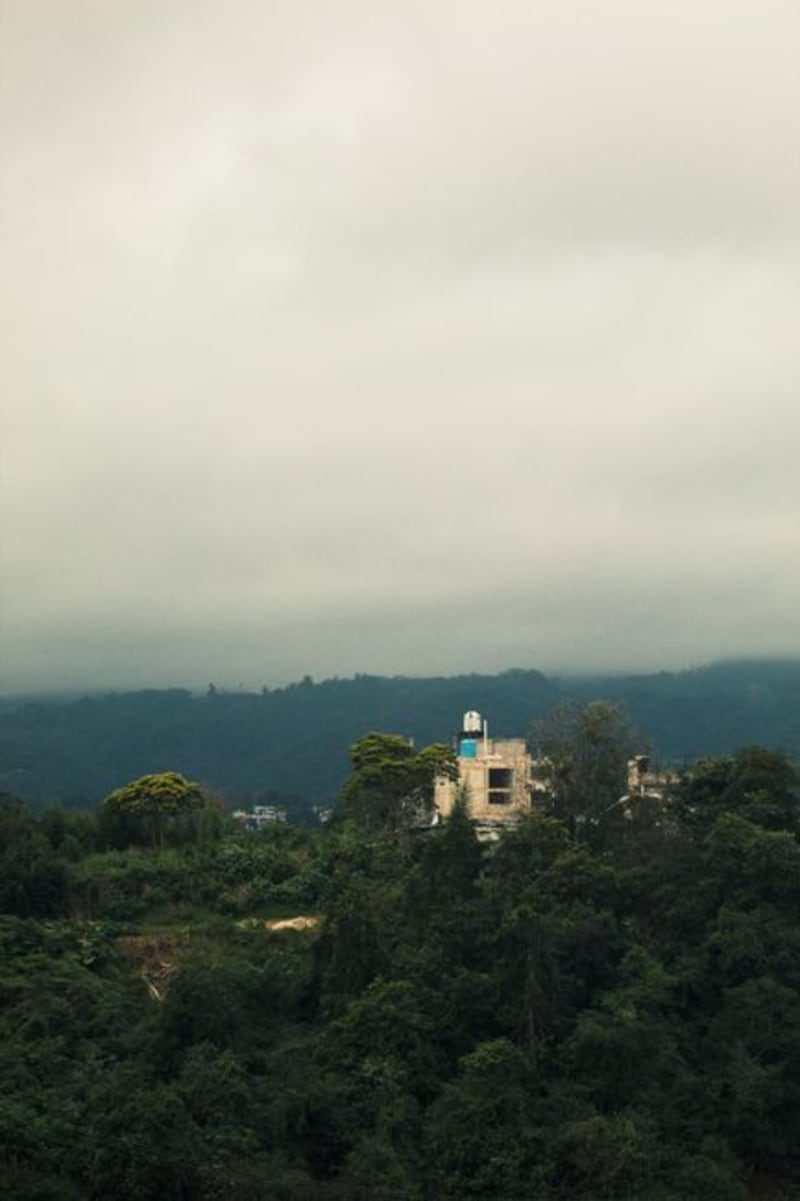
Zongolica
Zongolica sits deep in the Sierra de Zongolica, a Nahuatl-speaking community where the fog holds until midday and women weave quexquémetl that carry their lineage in every thread. Very few travelers make it this far into the mountains south of Orizaba, and fewer still stay long enough to understand what they have stumbled into.
Explore mexico
Córdoba
Córdoba sits at 900 meters in the coffee-growing highlands of Veracruz, in the belt that produces some of Mexico's finest arabica, and it is the kind of city where you find yourself eating breakfast at the same portal table three mornings in a row without quite deciding to. The Treaty of Córdoba was signed here on August 24, 1821, making this one of the places where Mexican independence became official — a fact the city carries with appropriate but not overwhelming pride. The coffee fincas in the surrounding hills are the real draw.
Explore mexico
Fortín de las Flores
Fortín de las Flores sits at 950 meters in the humid highland valley between Córdoba and Orizaba, where the climate is warm enough for orchids and cool enough that you sleep under a blanket. The city is called the city of flowers for the right reason: the gardenias are grown commercially here, sold by the dozen in the market at prices that would embarrass Mexico City florists, and the whole place smells of them on humid mornings. I put a thirty-peso bunch on the nightstand and the entire floor of the hotel smelled of gardenias by the time I woke up.
Explore mexico
Orizaba
A Veracruz industrial city at the foot of Mexico's highest mountain — the Pico de Orizaba volcano at 5,636 meters, the birthplace of Moctezuma beer, an art nouveau iron building imported from Belgium, and the most beautiful river walk in the Gulf coast lowlands.
Explore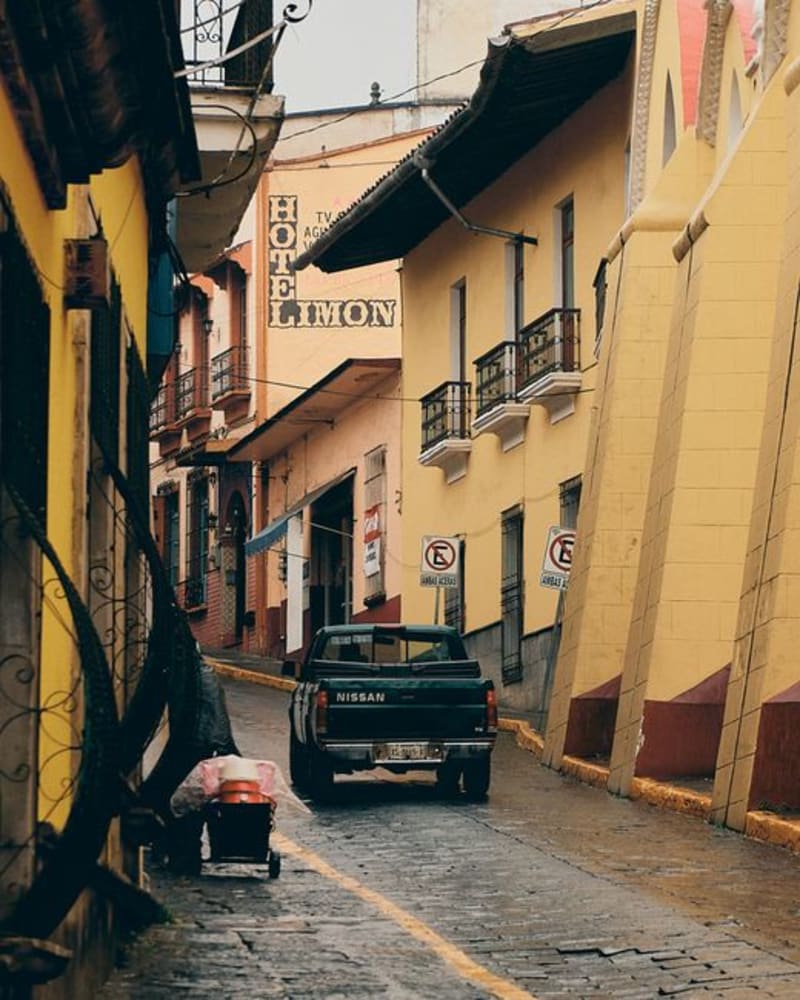 mexico
Coscomatepec
A pueblo mágico on the green lower slopes of Pico de Orizaba, Mexico's highest peak, in the coffee country of central Veracruz. Cool mountain air, colonial streets that fall away toward the barranca, and bread pulled from wood-fired ovens that has made this small town famous across the state.
Explore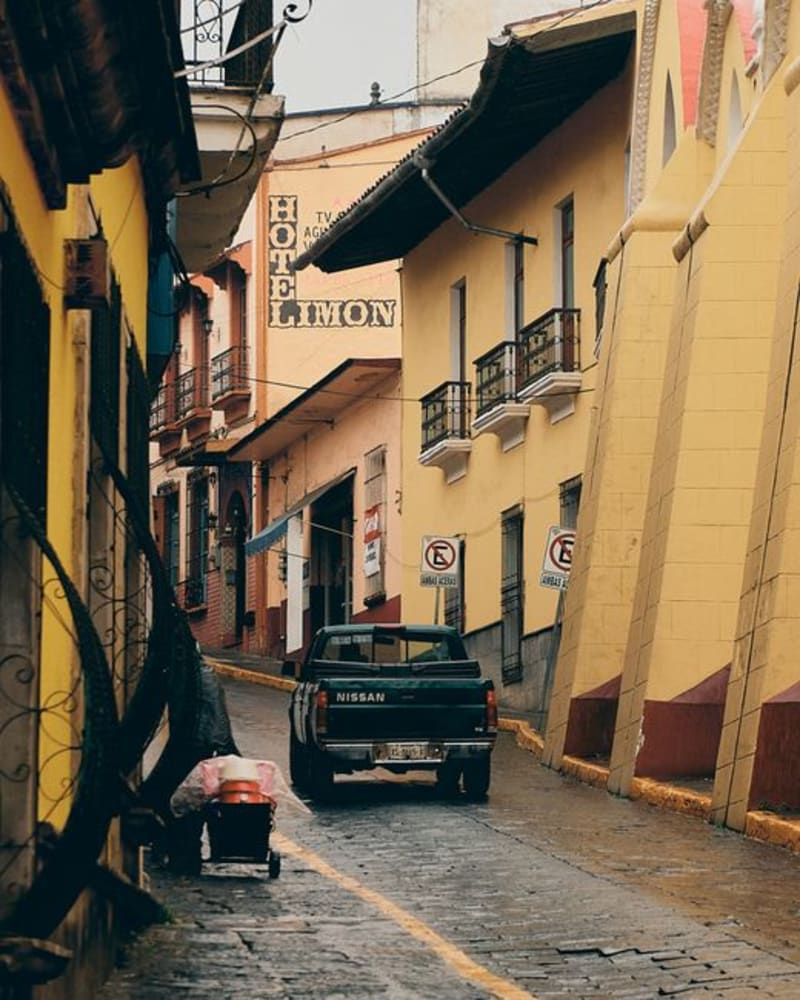 mexico
Huatusco
Huatusco sits at 1,400 meters on the volcanic slopes of central Veracruz, where it has been growing and roasting coffee longer than most Mexican towns have been arguing about which of them does it best. The town is colonial, the pace is deliberate, and the hills around it are a green so saturated it looks slightly implausible after any time spent on the coast.
Explore