Coscomatepec
"You smell the bread before you find the plaza. Follow your nose. It knows the way."
A pueblo mágico on the green lower slopes of Pico de Orizaba, Mexico's highest peak, in the coffee country of central Veracruz. Cool mountain air, colonial streets that fall away toward the barranca, and bread pulled from wood-fired ovens that has made this small town famous across the state.

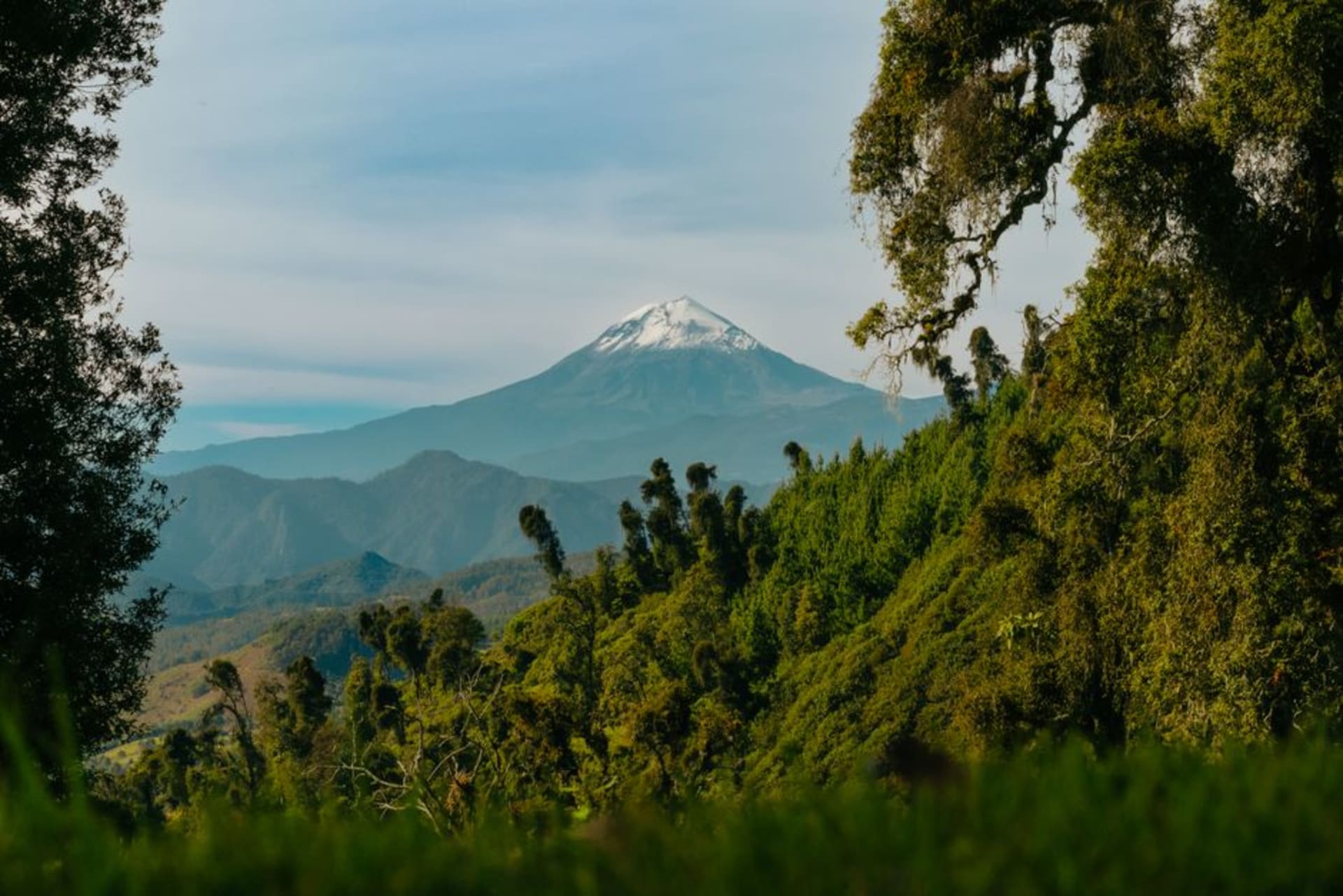
I came to Coscomatepec for the bread, which is an honest reason, and I stayed because the mountain kept showing itself. The town sits on the green skirt of Pico de Orizaba, the highest thing in Mexico, and on a clear morning the volcano floats above the coffee slopes with a cap of snow that looks improbable this close to the tropics. I arrived on a bus that ground up out of the Veracruz lowlands into cool, damp air, and stepped off into a town that smelled, unmistakably, of wood smoke and baking flour.
The Bread of Coscomatepec
Pan de Coscomatepec has a reputation that travels much further than the town does. The bakeries here still work with hornos de leña — wood-fired ovens — and the bakers were happy to let me stand in the doorway and watch, faces lit orange, sliding long wooden peels in and out of the heat. The bread comes out dense, faintly sweet, with a crust that crackles: cocoles, picones, the fat rolls dusted with sugar that people buy by the dozen in paper bags.
I ate a still-warm picón standing on the corner, watching a woman balance a tray on her shoulder, and understood why families drive up from Córdoba just to fill the trunk of the car. Some foods do not survive being famous. This one has, because the ovens have not changed.

Coffee, Cold Air, and Colonial Streets
This is coffee country, and the cool, wet climate of these middle slopes is exactly what the plant likes. I walked out past the edge of town where the cobbles give way to dirt and the coffee bushes start, their cherries reddening in the shade of taller trees. A man cutting back weeds told me his family had picked these slopes for three generations, and that the good years and the bad years came down entirely to the mountain’s weather.
The town itself is small and steep and quietly handsome. Colonial streets tumble downhill toward the barranca — the deep ravine that edges Coscomatepec — with a plaza and a church at the top and views that open suddenly between buildings. It rained lightly most afternoons I was there, the fine highland drizzle they call chipichipi, and the streets shone and emptied and the whole place smelled of wet stone and coffee.

Under the Highest Mountain
You do not climb Pico de Orizaba from Coscomatepec — the serious ascents leave from the villages higher up and to the north — but you live under it here, and that is its own kind of relationship. On my last morning the cloud lifted before dawn and the volcano stood out hard and white against a pale sky, and half the town, it seemed, was out on their doorsteps looking at it, as though it were news.
I drank a coffee at a stall on the plaza, grown somewhere on the slopes below me, and watched the light climb down the mountain toward the town. By the time I finished the cup the cloud had come back and swallowed the summit whole. That is the deal here. The mountain shows itself when it decides to, and you learn to be ready.

Getting There
Coscomatepec sits about 20 kilometers northwest of Córdoba and a similar distance from the city of Orizaba, both reachable on the main Veracruz–Puebla corridor (Highway 150D). From Córdoba, frequent second-class buses and colectivos climb the winding road up to the town in under an hour. Come slowly, and give yourself a clear morning — the mountain is worth waiting for, and the bread is best straight from the oven.
Keep exploring
More of Veracruz
Keep exploring
More from Veracruz
 mexico
 Huatusco
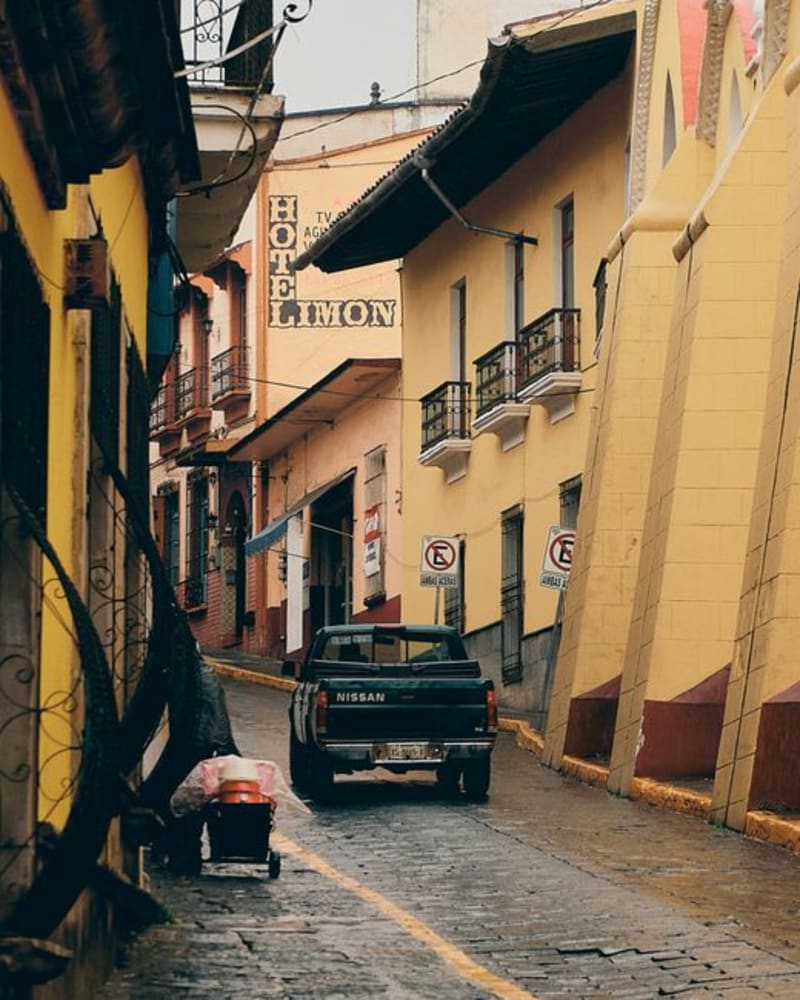
Huatusco sits at 1,400 meters on the volcanic slopes of central Veracruz, where it has been growing and roasting coffee longer than most Mexican towns have been arguing about which of them does it best. The town is colonial, the pace is deliberate, and the hills around it are a green so saturated it looks slightly implausible after any time spent on the coast.
Explore mexico
 Fortín de las Flores
Fortín de las Flores sits at 950 meters in the humid highland valley between Córdoba and Orizaba, where the climate is warm enough for orchids and cool enough that you sleep under a blanket. The city is called the city of flowers for the right reason: the gardenias are grown commercially here, sold by the dozen in the market at prices that would embarrass Mexico City florists, and the whole place smells of them on humid mornings. I put a thirty-peso bunch on the nightstand and the entire floor of the hotel smelled of gardenias by the time I woke up.
Explore mexico
 Orizaba
A Veracruz industrial city at the foot of Mexico's highest mountain — the Pico de Orizaba volcano at 5,636 meters, the birthplace of Moctezuma beer, an art nouveau iron building imported from Belgium, and the most beautiful river walk in the Gulf coast lowlands.
Explore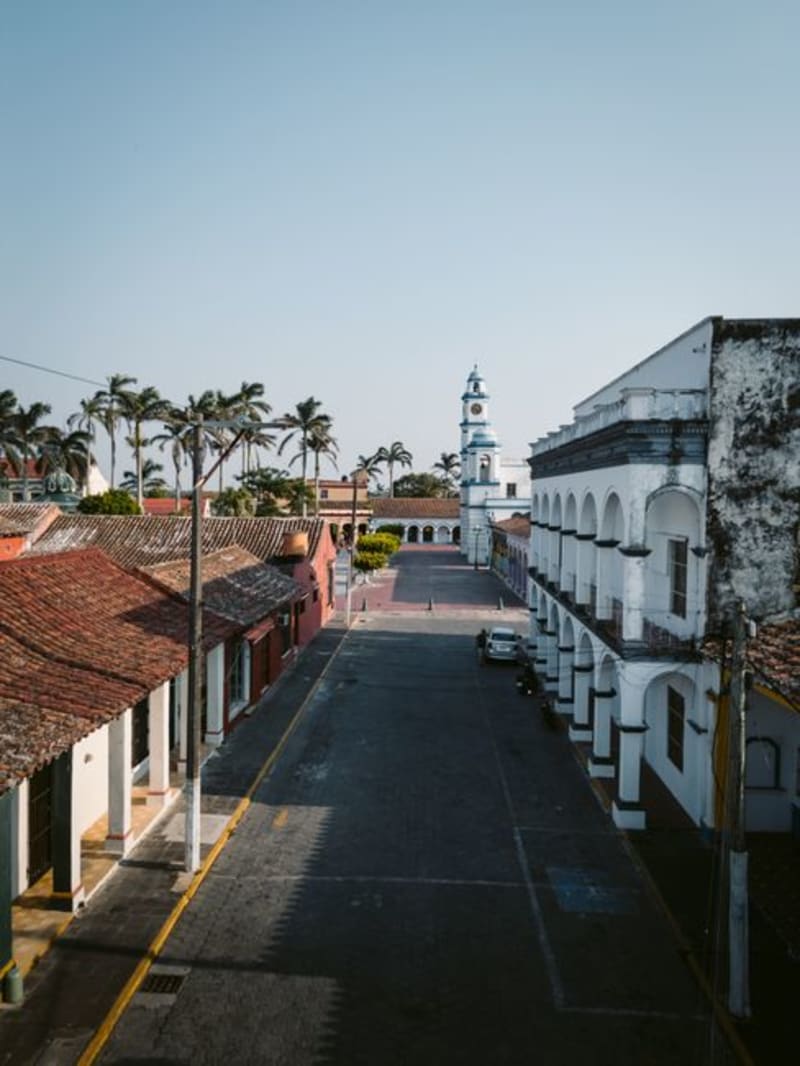 mexico
 Sochiapa
A tiny municipality tucked into the deep green mountains of central Veracruz near Huatusco — coffee, a river, and humid hills the color of everything growing at once. Very small, very local, and blessedly off the tourist track.
Explore mexico
 Córdoba
Córdoba sits at 900 meters in the coffee-growing highlands of Veracruz, in the belt that produces some of Mexico's finest arabica, and it is the kind of city where you find yourself eating breakfast at the same portal table three mornings in a row without quite deciding to. The Treaty of Córdoba was signed here on August 24, 1821, making this one of the places where Mexican independence became official — a fact the city carries with appropriate but not overwhelming pride. The coffee fincas in the surrounding hills are the real draw.
Explore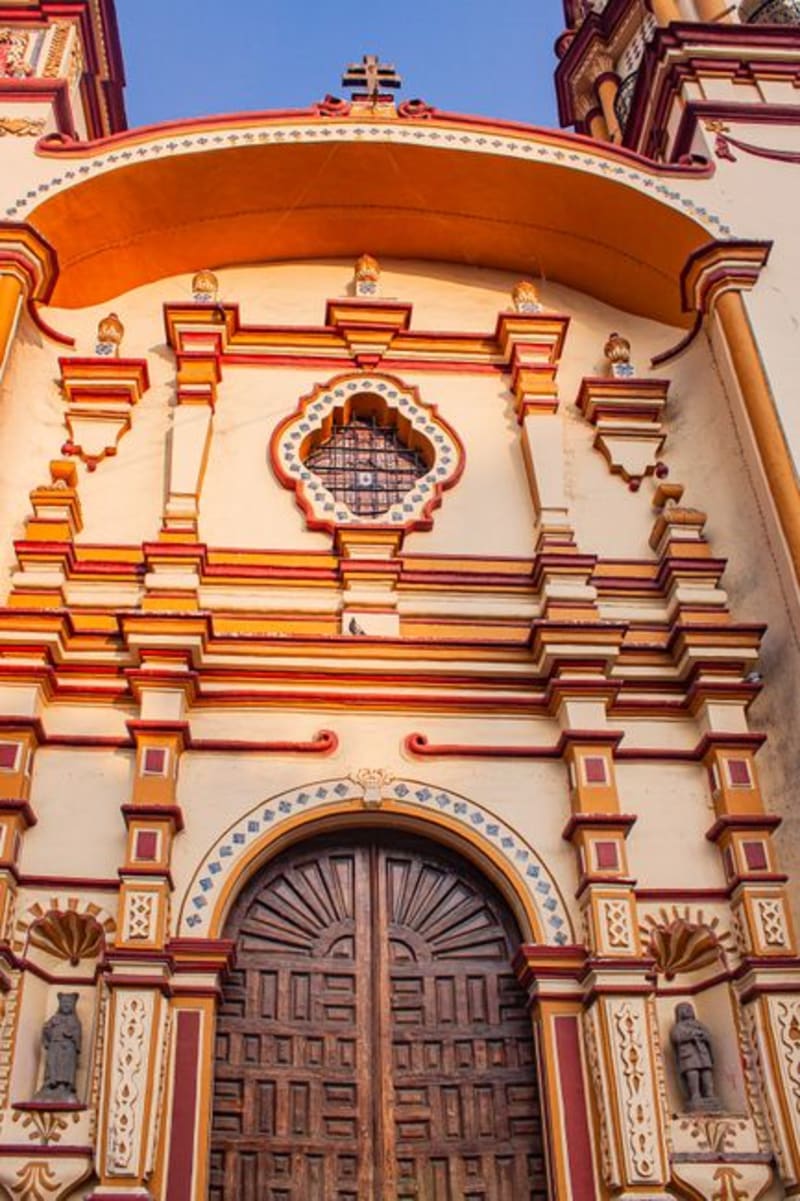 mexico
 Totutla
A coffee town folded into the misty mountains of central Veracruz near Huatusco, all steep green slopes and fog and rain. A quiet corner of the high coffee country, where the fincas run down the hillsides and the cloud comes and goes all day.
Explore