Sinaloa
"Mazatlán has the longest malecón in Mexico. El Fuerte has the most elegant colonial plaza in the northwest. Copala has the banana cream pie. Sinaloa has better seafood than the tourists who skip it will ever know."
Sinaloa is the Pacific coast state that most travelers pass through (or over, in the aircraft) without stopping — its reputation preceding it in a way that obscures a coastline of genuine quality and a cultural identity that is specific and interesting. The state runs 600 kilometers along the Pacific and contains some of the most productive agricultural valleys in Mexico (the Culiacán and Fuerte river valleys supply a substantial portion of Mexico’s tomato, pepper, and grain production), the best Gulf shrimp fishing on the Pacific coast, and the colonial legacy of the northwestern trading networks that made El Fuerte and Culiacán significant before Mazatlán’s port opened the coast to the Pacific trade.
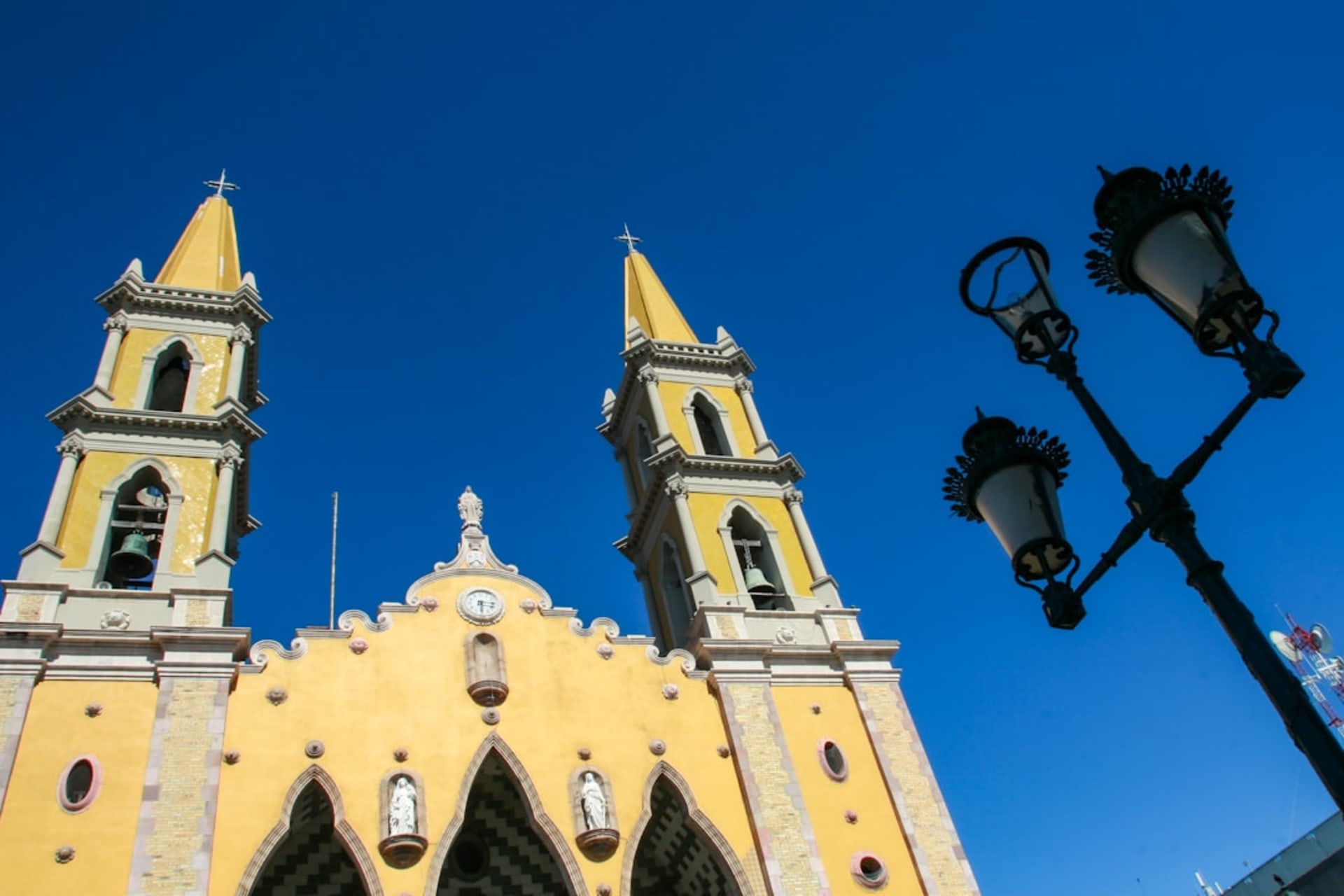
Mazatlán — the state’s tourist city, a Pacific resort with a genuine 19th-century centro histórico — has been discovered and rediscovered periodically since the 1970s. The old city (the Olas Altas neighborhood, the Teatro Ángela Peralta, the cathedral) is restored and walkable; the Malecón (at 21 kilometers, the longest in Mexico) runs along the Pacific from the old city to the hotel zone. The seafood — shrimp from the fishing fleet that works the continental shelf off Sinaloa, oysters from the coastal lagoons, the morning fish market — is the best argument for Mazatlán.
El Fuerte (covered separately) was the colonial capital of the northwestern provinces before the arrival of the railroad and the rise of Culiacán. Copala (covered separately) is the colonial silver mining ghost town that operates as a day trip from Mazatlán.
The banda music tradition of Sinaloa — the large brass ensemble that produces the music played at every northern Mexican celebration — has made Sinaloa’s musical identity nationally known even among people who’ve never visited the state. Sinaloa banda has become the dominant popular music of northern Mexico and of Mexican-American communities in the United States.
Explore
Places in Sinaloa
Copala
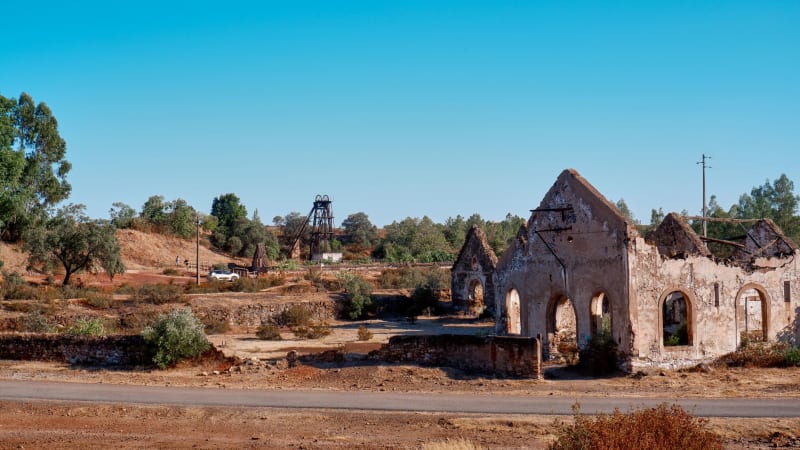
A Sinaloa silver mining ghost town that produced 8 million pesos of silver for the Spanish Crown before the veins ran out — the 18th-century church, the stone-paved streets, the abandoned mine shafts, and one restaurant that has been serving the same banana cream pie since 1945.
El Fuerte
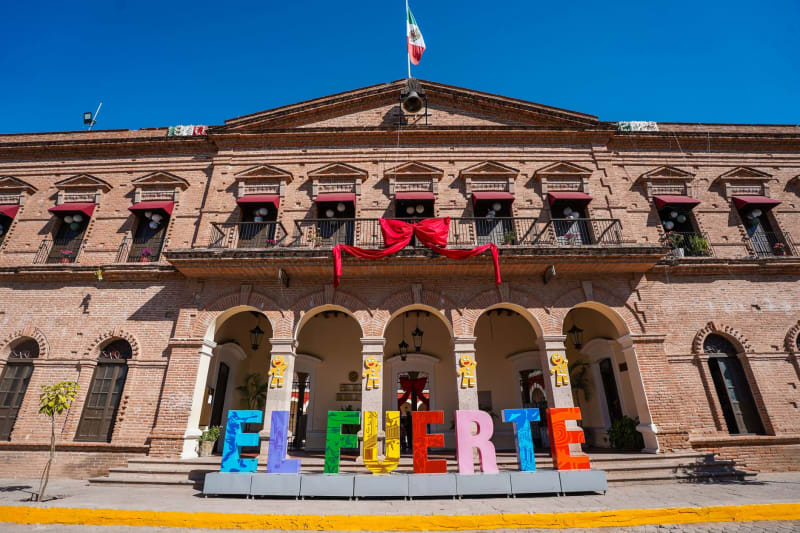
A Sinaloa colonial town that was the most important trading center in northwestern New Spain, the western terminus of the El Chepe Copper Canyon train, and a place where the evening malecón is more alive than any beach resort the state has produced.
Mazatlán
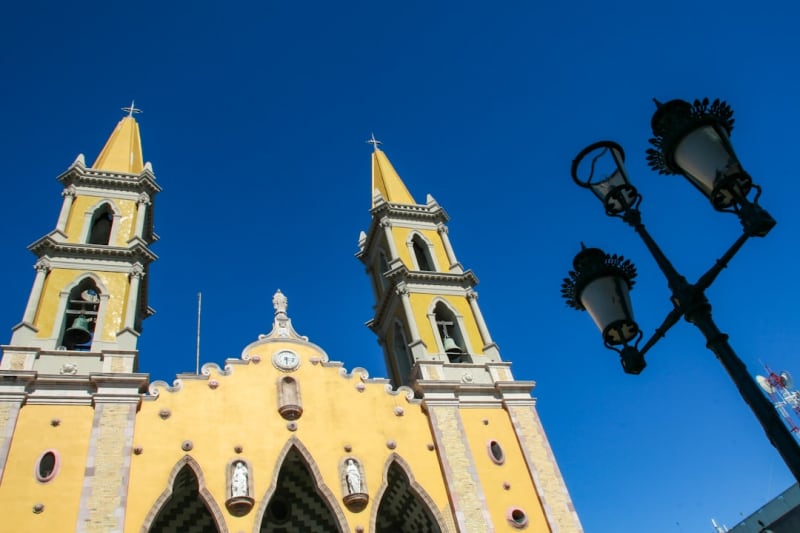
Mexico's Carnival capital on the Pacific — a Victorian port city with the largest historic center on the Pacific coast, the best shrimp in the country, and a malecón that runs eleven kilometers along the sea.