Copala
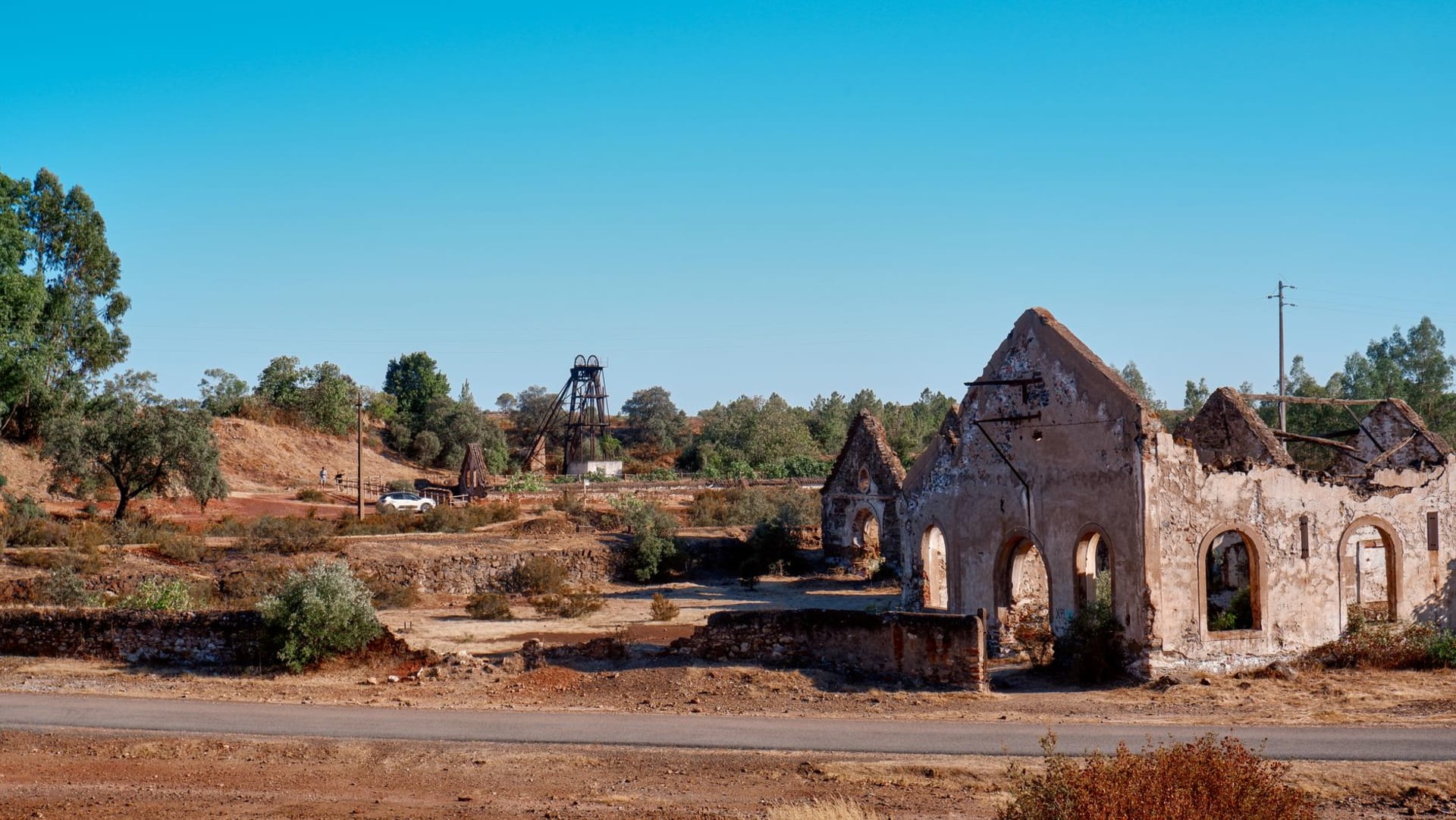
"The silver ran out in 1860. The miners left. The buildings stayed. A few families kept living there. Someone opened a restaurant. The banana cream pie has been on the menu since 1945."
Copala is a former silver mining town in the foothills of the Sierra Madre Occidental in southern Sinaloa, 25 kilometers east of the Pacific coast city of Mazatlán on a road that climbs from sea level to 1,200 meters through a landscape that goes from subtropical coast to dry mountain sierra in 40 minutes.
The town produced silver from mines worked by the Spanish from the 16th century until the veins gave out in the mid-19th century. At its peak, Copala had 10,000 residents, a church, a plaza, stone-paved streets, and the economic relevance of a significant ore extraction site. When the silver stopped, so did almost everything else. The 10,000 left. The stone streets remained. The church remained. The plaza remained. The few dozen families who chose to stay — or who had nowhere else to go — became Copala’s permanent population.
Today Copala has approximately 600 residents, a perfectly preserved 18th-century colonial streetscape, no hotel chain, no Oxxo, no cell signal in most of the village, and the Restaurant Daniel — a family-run lunch restaurant that has been serving, among other things, its banana cream pie since 1945. The pie is the most documented feature of Copala in the Mazatlán travel literature. This is accurate as a description of the phenomenon (the pie is very good) and slightly misleading as a description of the place (the entire town is more interesting than its dessert menu).
The Town
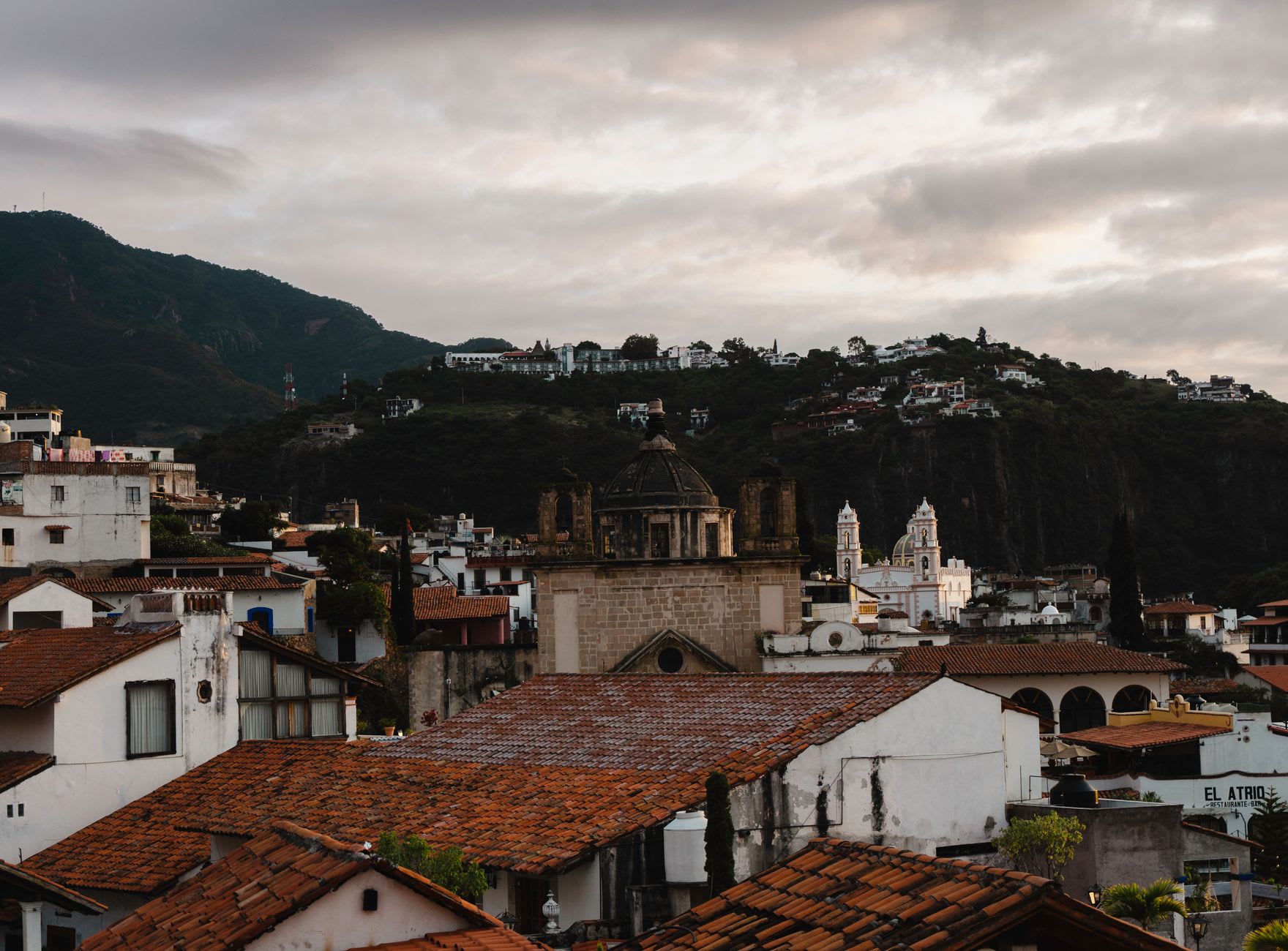
The Plaza Principal of Copala is the organizing center of the village — the colonial church (Iglesia de San José, 18th century, white facade, a single bell tower) on one side, the stone-paved streets radiating from the plaza, the residences in the same white-and-rose colonial palette. The condition of the buildings reflects the economy: some are maintained, some are slowly returning to the mountain. The overall effect is of a colonial village where time stopped and the remaining residents have been living among the architecture of a larger, more prosperous past.
The abandoned mine shafts on the hillside above the plaza are accessible by walking uphill from the church — the mine entrances are still visible (sealed, some open), the stone processing facilities partially standing, the industrial history of the town’s original purpose legible in the landscape. The shafts themselves are not explorable safely; the hillside walks give a view of the town’s colonial roofscape and the sierra beyond.
The Food and the Restaurant
Restaurant Daniel operates for lunch only, out of a colonial building with a garden that overlooks the valley below Copala. The menu is limited — the rotating daily dishes use local ingredients, the banana cream pie is always available — and the operation depends entirely on the day-trippers who come from Mazatlán on the tour buses that make Copala the primary inland excursion from the Pacific resort city.
The tour buses arrive at noon and leave at 2pm. Arriving before or after this window — which is easily accomplished by driving independently from Mazatlán (40min) rather than taking the organized tour — produces a Copala that is either empty (before 11am) or post-bus quiet (after 3pm) and significantly more atmospheric.
The tour bus market has sustained the village economy since the 1970s; without it, Copala’s remaining population would be smaller. This is worth knowing before arriving with any particular expectation of isolation.
Getting There
The road from Mazatlán (Federal Highway 40 inland toward Durango, exit at El Rosario and then the sierra road to Copala) is good quality as far as El Rosario; the final 25 kilometers on the mountain road to Copala are paved but narrow and winding. A sedan handles it without difficulty; drive time from Mazatlán is 40 minutes.
Concordia — a colonial mining town 15 kilometers before Copala on the same mountain road — is worth a 30-minute stop for its 18th-century church and the furniture and ceramic workshops that have made Concordia a regional craft center for colonial-style furniture production.

Getting there: Car from Mazatlán (40min). Organized day tours from Mazatlán depart from the hotel zone and include Concordia and Copala (half-day). Independent driving is preferable for the timing flexibility.
When to go: November through May for the driest mountain roads. The rainy season (June-October) can make the final mountain section muddy; the road is still passable but less comfortable. The banana cream pie is available year-round.