Mazatlán
"The shrimp boats come in before dawn. By seven, the catch is on every table in the market. I ate three preparations before nine in the morning."
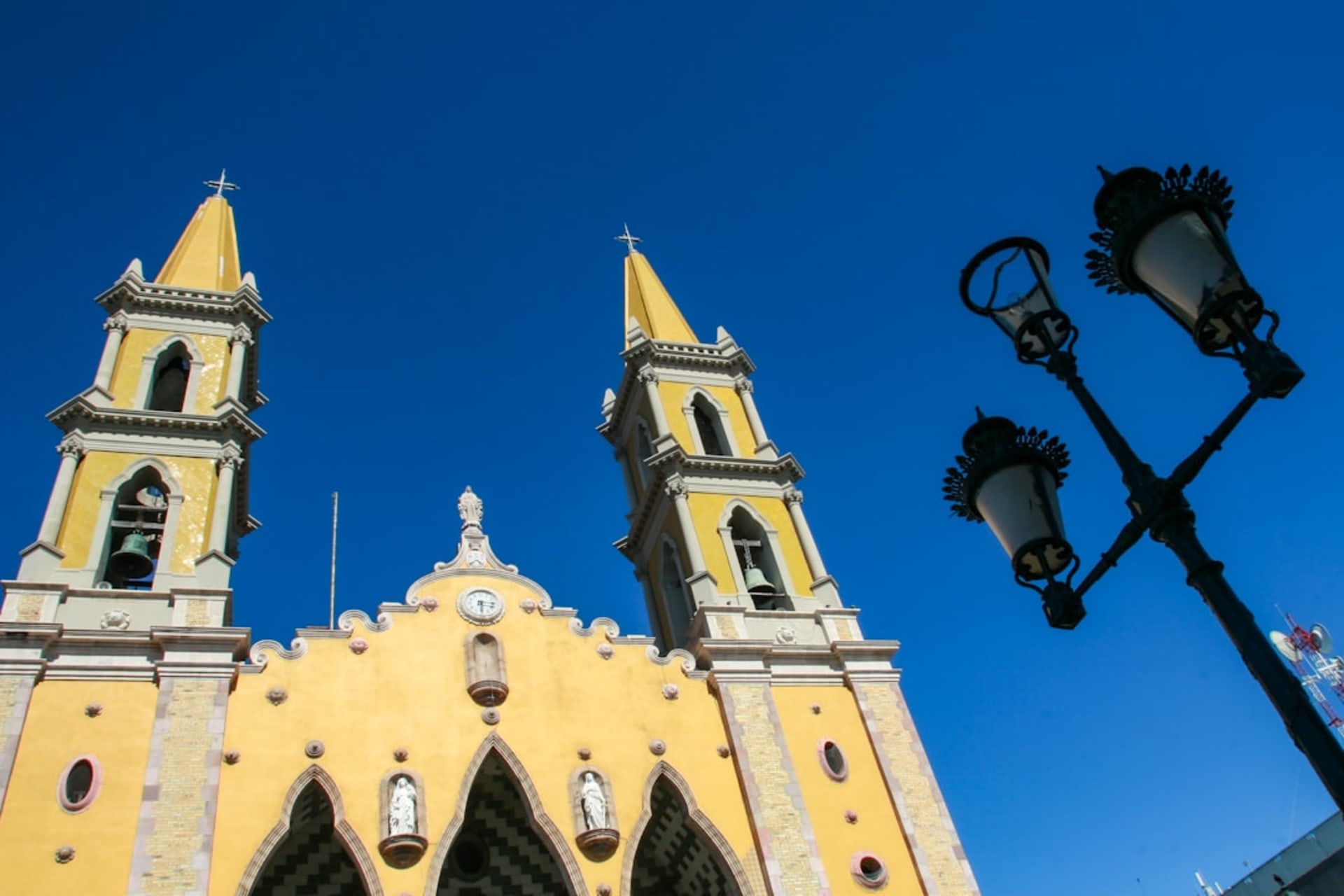
Mazatlán is the Sinaloa port that most foreign travelers either skip entirely (preferring the resort strip of Zona Dorada to the north) or discover by accident and then can’t stop talking about. The historic center — the largest 19th-century urban district on Mexico’s Pacific coast — was derelict twenty years ago and has been undergoing a restoration that has brought back the Victorian-era mansions, the theater, the market, and the seafood restaurants without removing the city’s actual residents. It is the model for what Cabo San Lucas could have been and wasn’t.
The city’s identity runs on two rails simultaneously: the Carnival (the third-largest in the world after Rio and Venice, by some reckonings) and the shrimp. Mazatlán’s shrimp fleet is the most productive in Mexico, and the catch lands at the docks in the pre-dawn and reaches the market stalls and restaurants within hours. Eating shrimp in Mazatlán is an experience categorically different from eating shrimp anywhere else.
The Old City
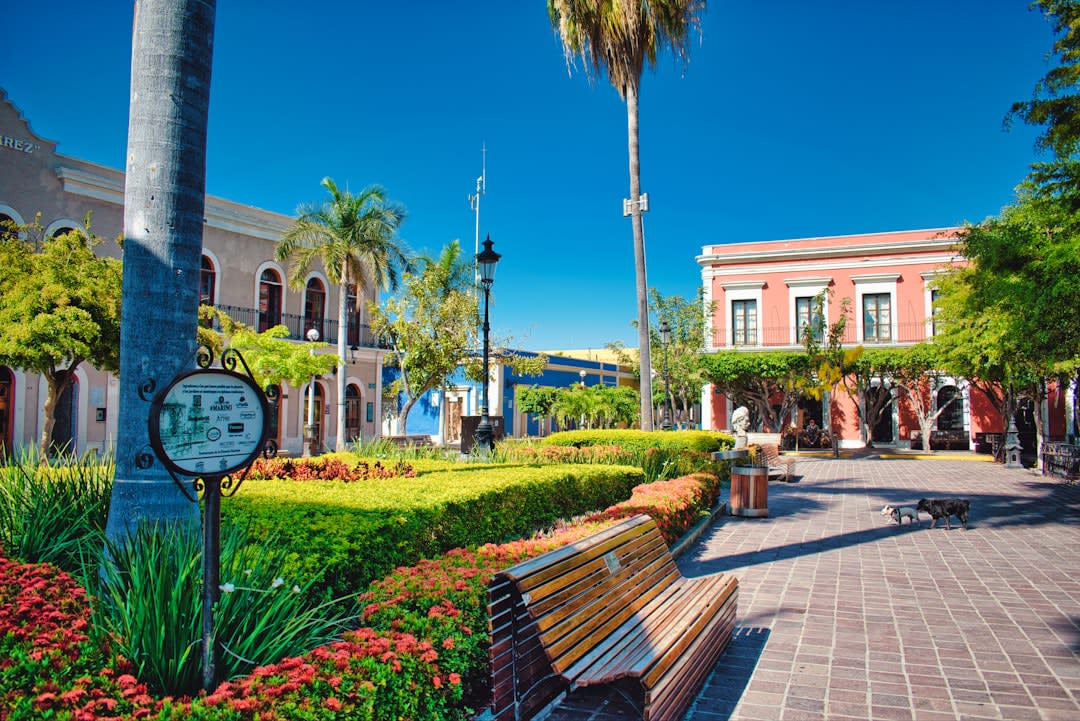
The Centro Histórico is built on a peninsula that juts into the Pacific between the harbor and the open sea. The streets are narrow, cobblestoned in places, lined with 19th-century merchant houses built by German, French, and Mexican families who made fortunes in mining, trade, and later in the shrimp industry. Many have been restored to their original colors — deep ochre, turquoise, terracotta — with the ornamental ironwork balconies and carved wooden doors intact.
The anchor of the old city is the Plaza Machado — a square shaded by enormous strangler figs, surrounded by restored colonial buildings housing restaurants and cafés. The square has an outdoor bandstand where concerts happen on weekend evenings with the specific informality of a city that doesn’t need to perform for visitors. A few blocks north, the Teatro Ángela Peralta — a restored 1874 opera house with an interior that belongs in Milan — hosts concerts and cultural events at prices that reflect the local economy.
The Mercado Central has been operating in the same building since 1900. The produce section is unremarkable; the seafood section is the reason to go. The shrimp counters — sorting fresh catches by size, from the tiny camarón chico to the enormous jumbo camarón — are surrounded by small comedores serving caldo de camarón (shrimp broth), camarones a la diabla, aguachile, and ceviche from seven in the morning.
The Shrimp
Mazatlán’s shrimp production is the largest in Mexico and the quality is consequential. The Pacific white shrimp (Litopenaeus vannamei) found in the Gulf of California waters near Mazatlán has a sweetness and texture that the farmed versions exported globally don’t replicate.
Aguachile — raw shrimp cured in lime juice, serrano chile, cucumber, and red onion, served immediately — is the defining preparation. The version at El Presidio on Calle Constitución uses shrimp that was in the water the previous night. The lime heat cooks the exterior of the shrimp in the minute it takes to prepare and plate it. It is one of the best things I have eaten in Mexico.
Camarones al mojo de ajo — shrimp in garlic butter — served at the waterfront restaurants along the Olas Altas promenade at a price that reflects the proximity to the source rather than the quality of the ingredients.
The Malecón and the Sea
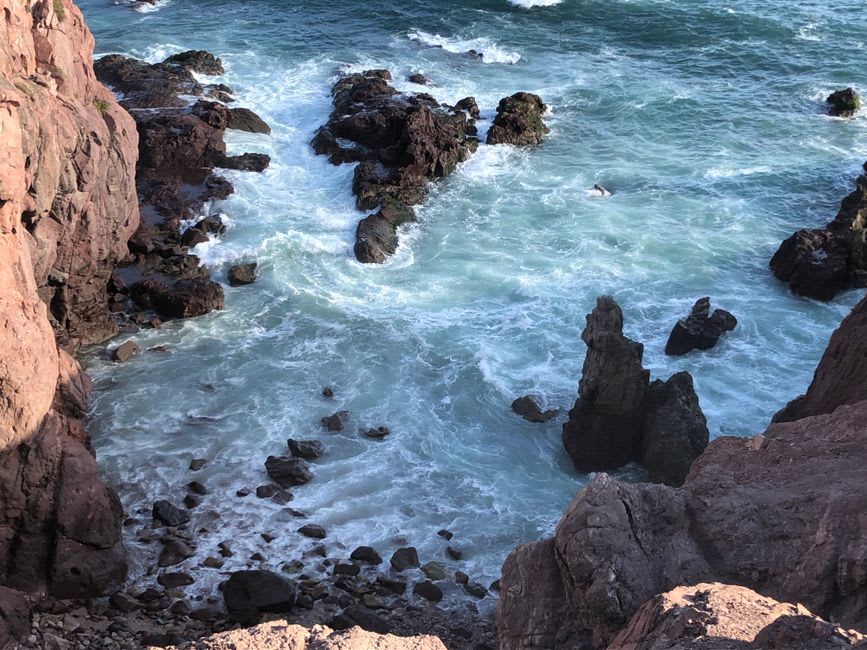
The Mazatlán malecón runs 11 kilometers along the Pacific from the old city northward to the Zona Dorada resort area — the longest beachfront promenade in Mexico and one of the longest in the world. The section fronting the old city, the Paseo Olas Altas, is the historic stretch: a Victorian-era promenade with the original 19th-century lampposts, the cliff divers at El Mirador (young men who dive from a rock ledge into a narrow channel of surging Pacific water for passing tips), and the open-air bars that face the sunset.
The Pacific at Mazatlán is warmer and calmer than further north but still has significant surf. The Isla de la Piedra (Stone Island), accessible by a five-minute water taxi across the harbor mouth, has a long beach facing the open Pacific with coconut palms, palapa restaurants, and none of the hotel development of the Zona Dorada.
Carnival
Mazatlán’s Carnival runs the week before Lent (February or March) and transforms the city in a way that is worth planning around if you’re in the region. The parades use the malecón as their route, with floats that rival Rio’s in ambition if not scale, and the music — banda sinaloense, norteño, cumbia — fills every street simultaneously.
The Carnival de Mazatlán claims to be the third-largest in the world, which may be optimistic arithmetic, but the city’s genuine investment in it — multi-generational queen competitions, community-built floats, week-long events that involve the whole city — makes it feel like a tradition from the inside rather than a performance for visitors.
Getting there: Daily flights from Mexico City, Guadalajara, and Los Angeles. Buses from Guadalajara (6-7h) or a ferry from La Paz, Baja California (18 hours, an experience in itself). The historic center is a taxi ride from both the airport and bus station.
When to go: October through April for dry season. Carnival week for spectacle. Avoid July-August when Mexican tourists fill the Zona Dorada and prices rise throughout.