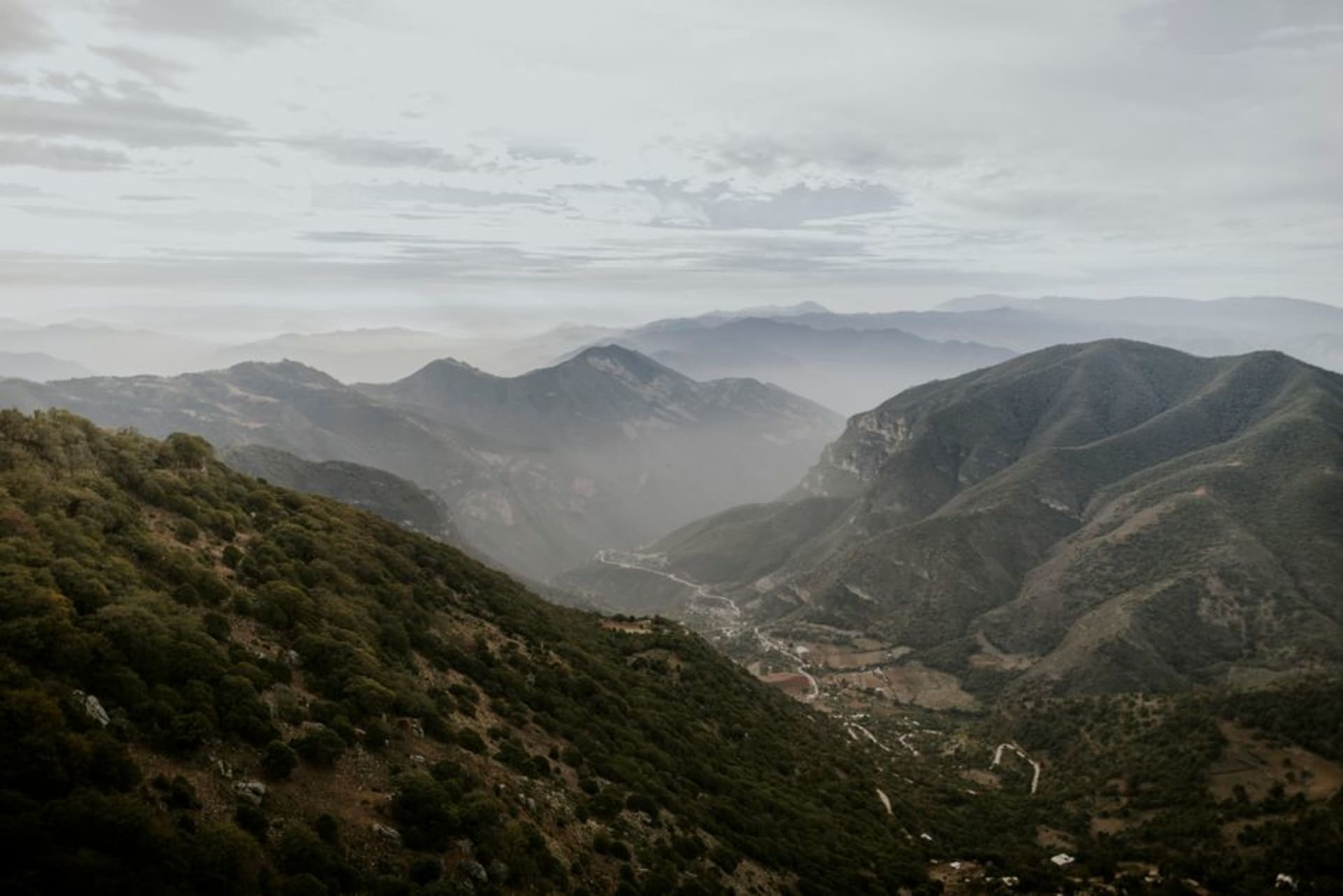
A Nahua town buried in the cloud forest of the Sierra Norte de Puebla, where coffee, wild mushrooms, and ferns grow out of the fog on steep green mountains. Remote, agricultural, and intensely local — a place that belongs entirely to itself.

I reached Tlaola late in the day, in fog so thick the headlights only lit the few meters of road directly ahead, and I remember thinking I might have made a mistake coming this deep into the sierra alone. Then the fog thinned for a moment and I saw the town — houses scattered across impossibly steep green slopes, lights coming on, smoke rising from kitchens into the cloud — and the unease turned into something closer to wonder. This is one of the most remote places I’ve stayed in Puebla, and one of the most quietly beautiful.
Tlaola is a Nahua town set in the cloud forest of the Sierra Norte de Puebla, on steep mountains that are wet, green, and fog-wrapped for much of the year. It is agricultural to its core and intensely local — a place that lives by its own calendar and its own land, not by outside attention. Coffee grows here, and something else the forest gives up in season: wild mushrooms, a whole culture of them, gathered from the damp ground under the trees.
Coffee and the Cloud Forest
The slopes around Tlaola are coffee country, shade-grown arabica climbing the inclines beneath the taller cloud-forest canopy, the same excellent sierra coffee that the whole region quietly produces. But what makes Tlaola’s forest distinct is how alive the damp makes everything — ferns unfurling from every wet bank, moss on the trunks, the constant drip of condensing cloud.
I spent a morning walking down into the forest with fog for company, the trail slick underfoot, the green closing overhead. It’s the kind of walk where you stop hearing your own thoughts and start hearing water, birds, the small sounds of a forest that is wet nearly all the time. The coffee slopes give way to denser growth as you descend, and the air itself seems to thicken. I came back up soaked and completely content.

Mushrooms from the Fog
The thing I hadn’t expected in Tlaola was the mushrooms. This is hongo country — the wet cloud forest yields a rich variety of wild mushrooms in season, and the Nahua families here have deep knowledge of which ones the forest offers and how to use them, a knowledge held and passed down over generations.
I got to eat some, cooked simply with epazote and chile in a family kitchen, and they tasted like the forest they’d come from — earthy, dense, unlike anything from a market crate. When the rains are right, gathering is a whole seasonal rhythm here, families heading up into the fog to bring back baskets of what the ground has produced. It’s not a spectacle put on for anyone; it’s food, and tradition, and it happens whether or not I’m there to notice. I felt lucky to have been fed from it.

Intensely Local
Tlaola does not perform for visitors, and there are very few of them. This is a Nahua agricultural community living its own life on very steep ground, and its texture — the language in the market, the milpa and coffee plots on every workable slope, the rhythm set by weather and harvest — belongs entirely to the people who live it.
I moved gently here, as a guest. Days were simple: coffee in the fog, a walk into the green, conversations that came slowly, the early dark of a town wrapped in cloud. There’s nothing to do in Tlaola in the tourist sense, and that’s exactly why it stays with me. It offered me the increasingly rare experience of being somewhere that isn’t waiting for people like me — just getting on, patiently, with its own remote and green existence.

Getting There
Tlaola sits deep in the Sierra Norte de Puebla, reached by winding mountain road from the larger towns of the region — Huauchinango is the usual jumping-off point, itself connected by bus to Mexico City (roughly three to four hours) and to Puebla. From there the road narrows and climbs into steeper, foggier country, and local transport runs it slowly and infrequently, so plan for a long, patient final stretch. Come prepared for wet and cold — the cloud forest is damp year-round — and come as a respectful visitor to a community that lives well beyond the tourist map.
Keep exploring
More of Puebla
Keep exploring
More from Puebla
 mexico
 Jopala
A small, remote municipality lost in the humid green of the Sierra Norte de Puebla, where coffee terraces climb the higher slopes and banana and citrus fill the warmer valleys below. Winding foggy roads, deep quiet, and a lushness that feels almost forgotten.
Explore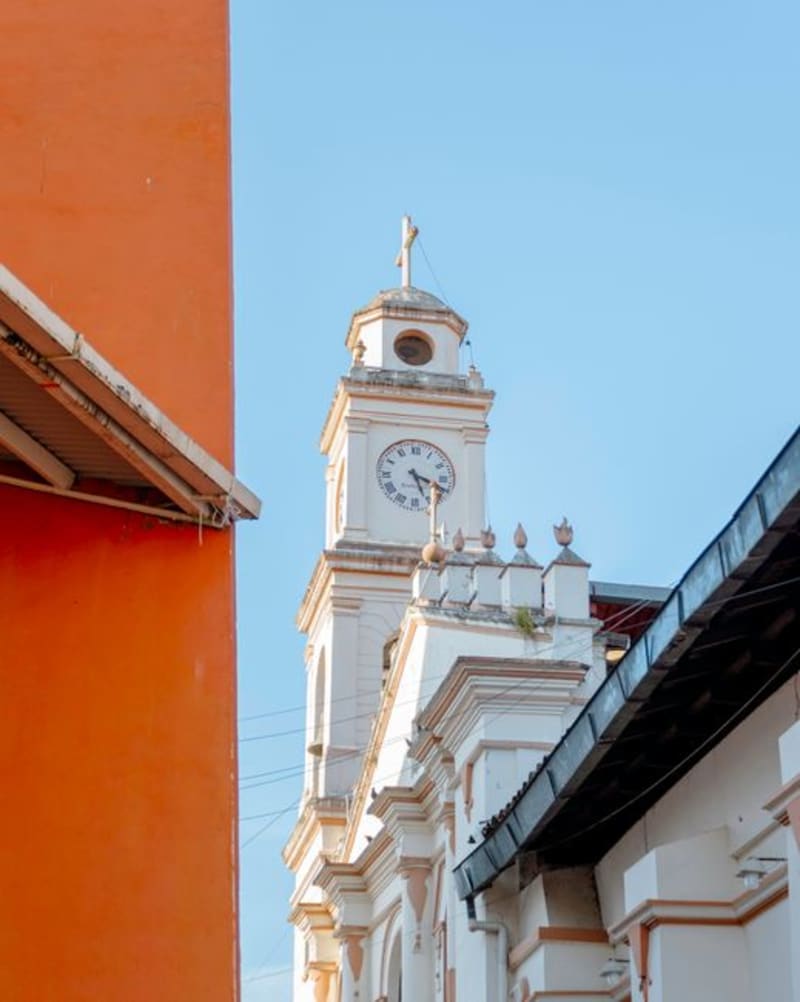 mexico
 Xicotepec
A lush Pueblo Mágico climbing the green folds of the Sierra Norte de Puebla, wrapped in cloud forest, coffee, and mist. Steep streets, waterfalls in the ravines, and the sacred spring island of Xochipila at the town's heart — Totonac and Nahua ground, deeply green.
Explore mexico
 Huauchinango
Huauchinango crowns the Sierra Norte de Puebla in near-permanent spring, its hillsides planted with flower nurseries that supply half the country. Every March the Feria de la Flor takes over the plaza in a delirium of dahlias and gladioli; the rest of the year the town settles back into its cool, trout-stream quiet.
Explore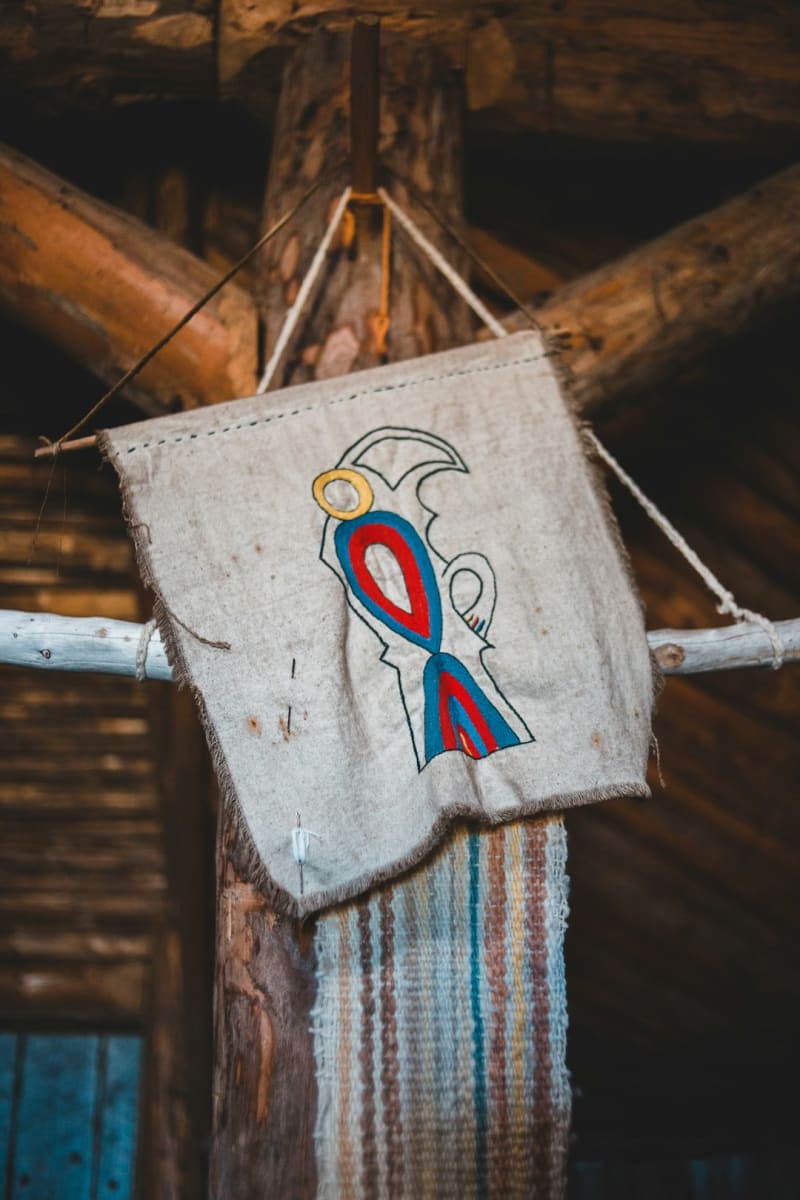 mexico
 Naupan
A Nahua mountain municipality high in the Sierra Norte de Puebla near Huauchinango, known for intricate hand embroidery and textiles worked on steep green slopes. Mist, coffee, and a deeply traditional life that receives few visitors.
Explore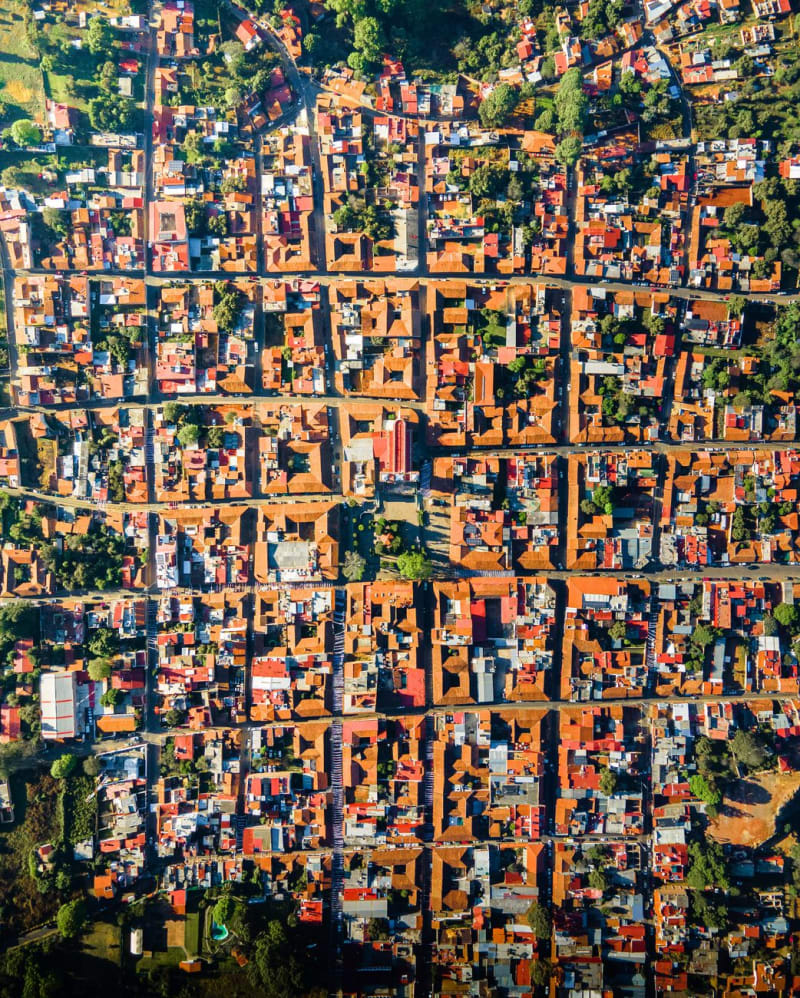 mexico
 Zacatlán
A highland Puebla town perched in apple orchard country, where sidra de Zacatlán — the cider sold across all of Mexico — is pressed from fruit grown in the cool sierra air. The colonial center holds a clock museum unlike any other, and the cloud forest beyond town leads to waterfalls that feel genuinely remote.
Explore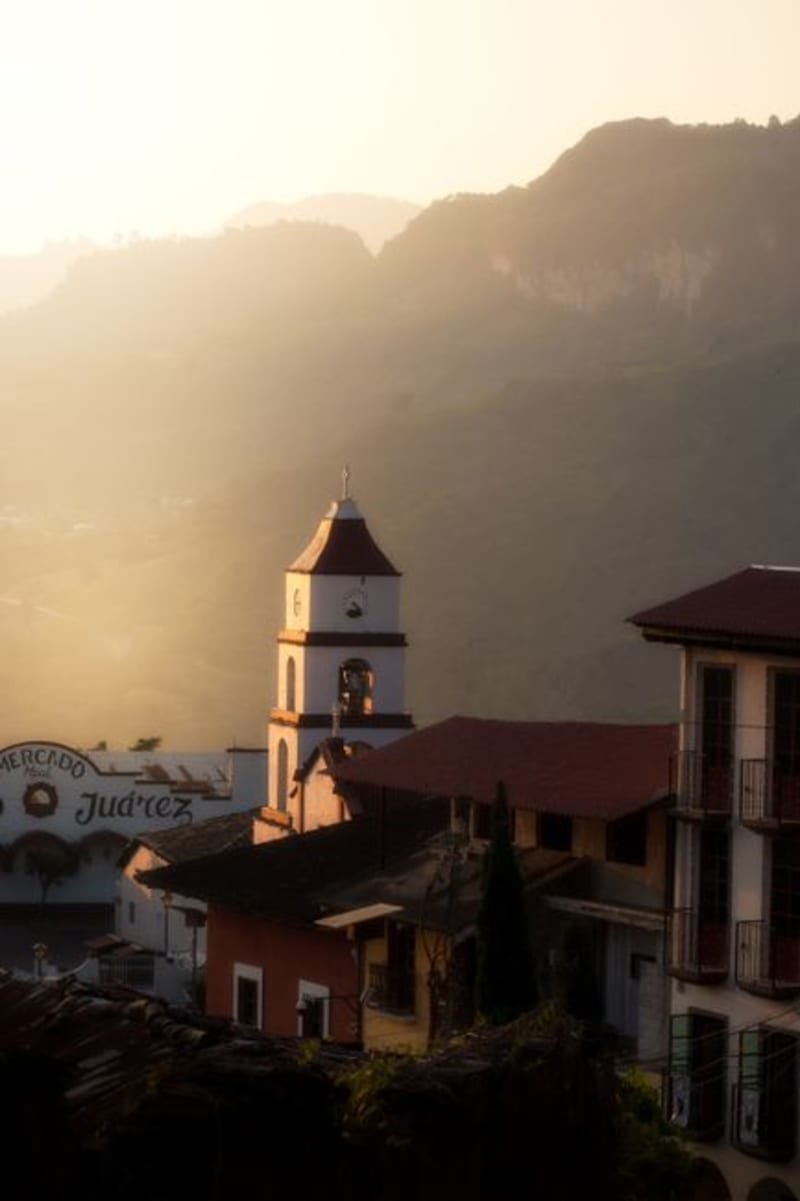 mexico
 Pahuatlán
A Pueblo Mágico perched at the edge of the Sierra Norte, where Otomi women still press bark into paper and embroider it with pre-Hispanic motifs older than anyone can accurately date. The town sits above a canyon so dramatically green it reads as theatrical, and the cloud forest road in does something to your sense of proportion that takes a while to shake.
Explore