
Zacatlán
"The apple cider tastes nothing like what you get in a European pub. It tastes like the mountain it came from."
A highland Puebla town perched in apple orchard country, where sidra de Zacatlán — the cider sold across all of Mexico — is pressed from fruit grown in the cool sierra air. The colonial center holds a clock museum unlike any other, and the cloud forest beyond town leads to waterfalls that feel genuinely remote.

I drove up from Puebla city on a Tuesday in November, the road climbing through pine stands until the air changed — cooler, faintly damp, smelling of wet bark and something sweeter underneath. I had not expected Zacatlán to feel so particular. Most of these Puebla sierra towns are pleasant and forgettable. Zacatlán is neither. By the time I was parked near the zócalo and a vendor had pressed a small plastic cup of sidra into my hands — cold, almost fizzy, tasting of actual apple rather than apple flavoring — I understood the town had an identity most places spend decades trying to manufacture.
The Cider and the Orchards
The thing nobody tells you about sidra de Zacatlán is that it is not a craft product. It is an industrial one, bottled in enormous quantities under the Sidral Mundet label and shipped to every supermarket in Mexico — and it is still genuinely good. The apple country here, the Sierra Norte de Puebla, produces a tart, high-altitude fruit that holds its flavor through pressing. Around the market on Calle 2 de Abril, small producers sell unlabeled bottles from coolers — semi-fermented, slightly alcoholic, nothing like the sweetened juice you find elsewhere. I bought two liters and drank most of the first on a bench in the plaza before noon. The orchards themselves ring the town; walking any road out of the center for twenty minutes puts you among trees still heavy in late autumn, the ground soft with fallen fruit. There is no organized tour. You just walk.

The Clock Museum
I went to the Museo del Reloj expecting to find it faintly absurd — a whole museum for clocks in a town of forty thousand people — and came out impressed. Zacatlán was, from the mid-nineteenth century through most of the twentieth, one of the centers of mechanical clock manufacture in Mexico. The museum on Avenida Hidalgo occupies a colonial building and traces this through movements, tools, tower-clock mechanisms, and personal collections from local families who spent generations in the trade. The sound alone is worth the entry fee: dozens of clocks ticking in unison, the occasional chime offsetting the others by a beat, creates something close to a physical sensation. I spent longer than I planned. The curator, an older man who offered commentary in rapid Spanish I followed about seventy percent of, knew the provenance of every piece.

Cloud Forest and Waterfalls
The cascades near Zacatlán — most visitors aim for Las Brisas or the falls toward Chignahuapan — require a vehicle or a collectivo from the central market. The cloud forest here is the real draw: dense, dripping, the trail underfoot a mix of mud and pine needles, the canopy low enough that you are inside it rather than below it. The waterfalls arrive suddenly. After an hour of green dimness the sound precedes them, then the air cools further, and then the drop appears. I was alone on a weekday. I stayed until my jacket was thoroughly wet from spray and I had run out of reasons to leave.

Getting There
From Puebla city, ADO and AU buses run to Zacatlán from the CAPU terminal, roughly two and a half hours. Driving is faster and gives you access to the orchards and forest roads without depending on collectivos. Zacatlán is also a reasonable day trip from Chignahuapan, sixteen kilometers east. The town is entirely walkable once you arrive.
Keep exploring
More of Puebla
Keep exploring
More from Puebla
 mexico
 Chignahuapan
A Puebla highland town known for hand-blown glass Christmas ornaments, Chignahuapan saves its most arresting spectacle for November, when the Festival de las Animas transforms its thermal lagoon into a sea of glowing paper lanterns drifting for the dead. Outside Día de Muertos, the town runs on glass and thermal water — two things that together make for a stranger and more rewarding stop than the esfera trade suggests.
Explore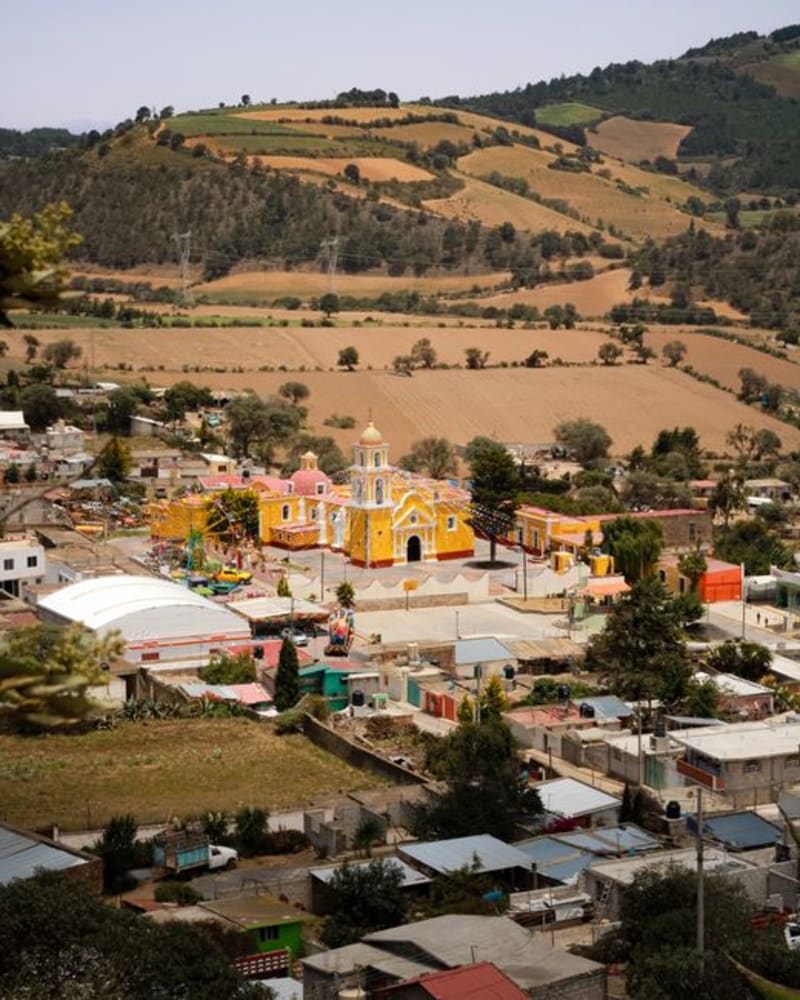 mexico
 Aquixtla
A cold green town folded into the pine forests of the Sierra Norte de Puebla, where apple orchards climb the slopes and the mist rolls through by afternoon. Little-visited, resin-scented, and gloriously quiet.
Explore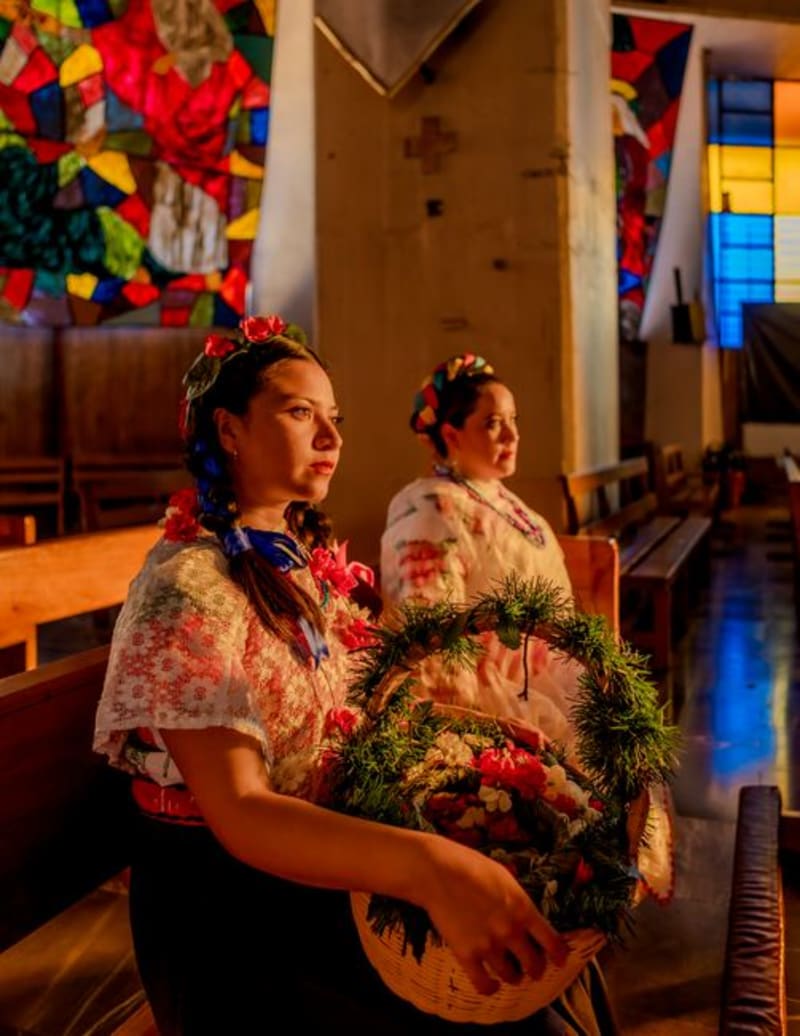 mexico
 Huauchinango
Huauchinango crowns the Sierra Norte de Puebla in near-permanent spring, its hillsides planted with flower nurseries that supply half the country. Every March the Feria de la Flor takes over the plaza in a delirium of dahlias and gladioli; the rest of the year the town settles back into its cool, trout-stream quiet.
Explore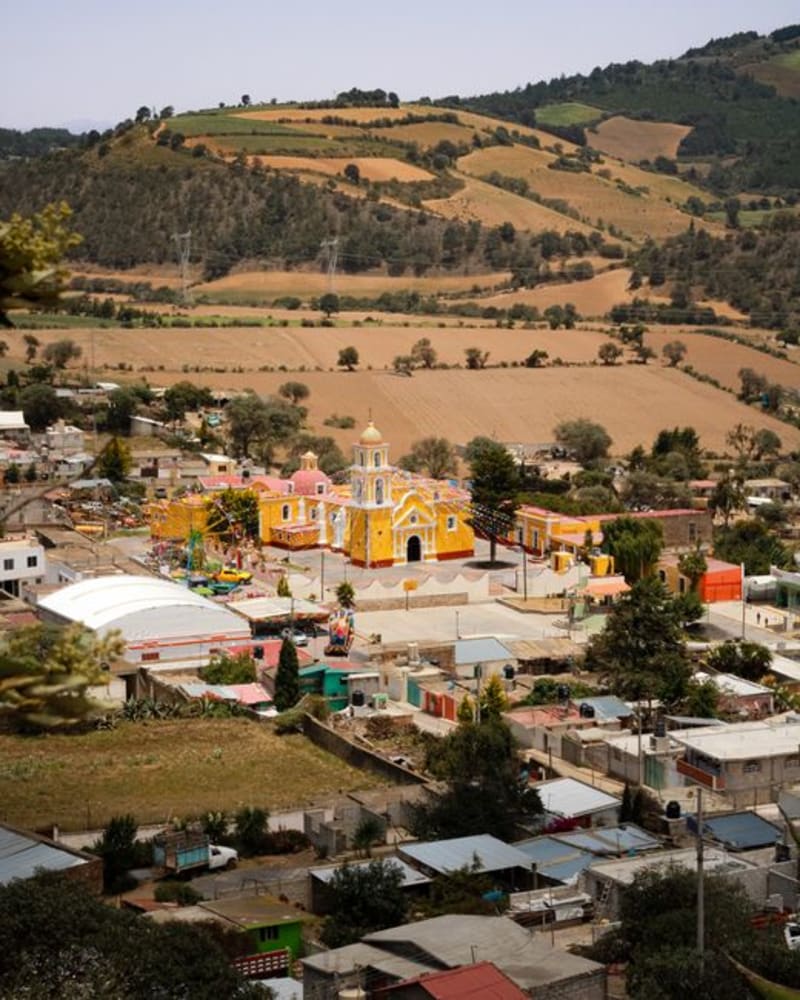 mexico
 Tlaola
A Nahua town buried in the cloud forest of the Sierra Norte de Puebla, where coffee, wild mushrooms, and ferns grow out of the fog on steep green mountains. Remote, agricultural, and intensely local — a place that belongs entirely to itself.
Explore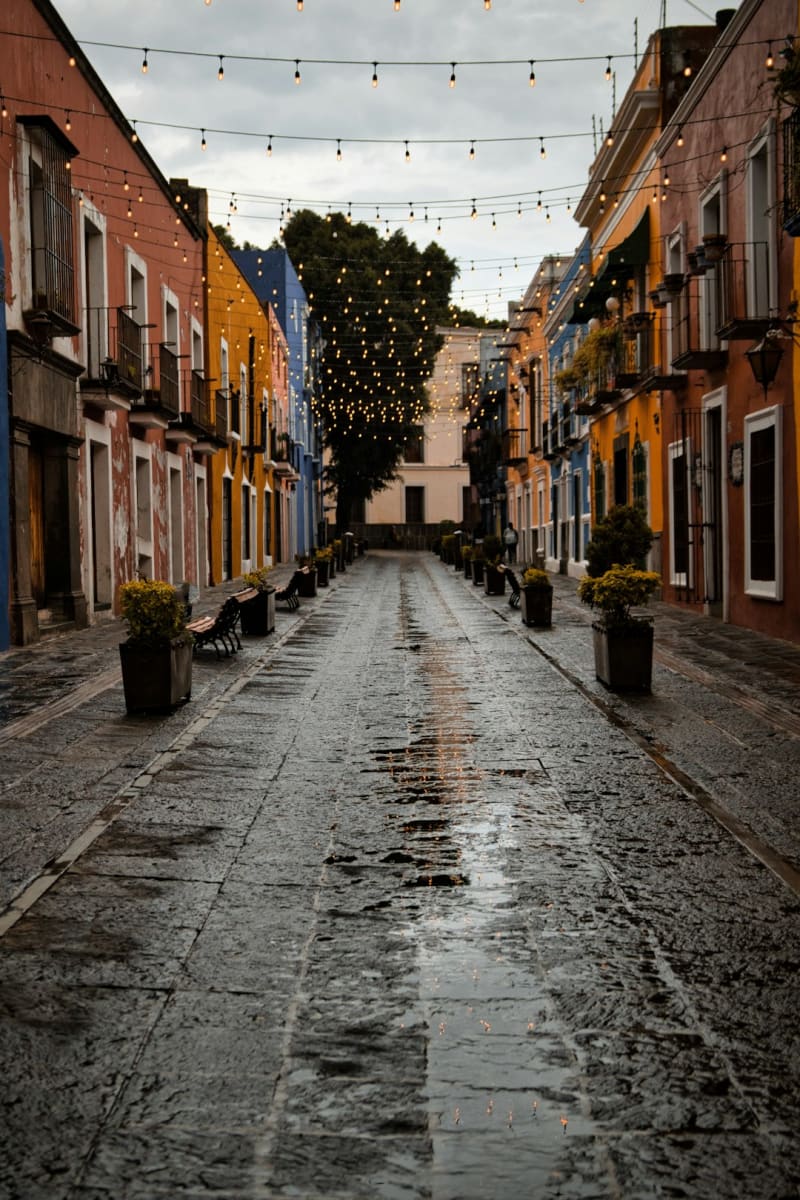 mexico
 Tetela de Ocampo
Tetela de Ocampo sits deep in the Sierra Norte de Puebla, where the road narrows, the air drops fifteen degrees, and the colonial center has been left largely alone — not as a reconstruction but as an accidental preservation. Coffee grows on the hillsides outside town, and the fog that rolls in most afternoons gives the whole place the unhurried quality of somewhere that never had to compete for attention.
Explore mexico
 Naupan
A Nahua mountain municipality high in the Sierra Norte de Puebla near Huauchinango, known for intricate hand embroidery and textiles worked on steep green slopes. Mist, coffee, and a deeply traditional life that receives few visitors.
Explore