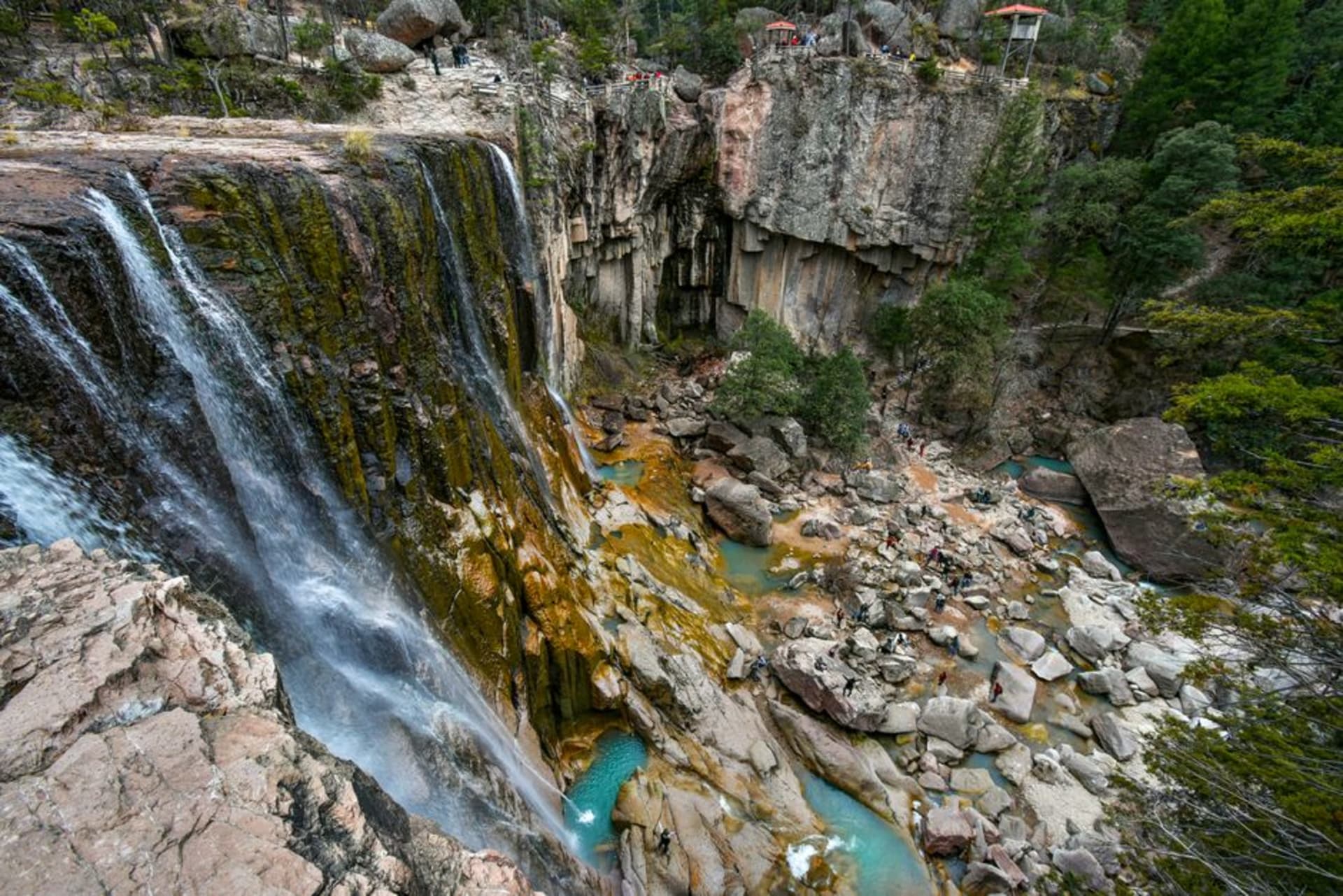
Xicotepec
"The mist doesn't arrive here so much as it never fully leaves — it just thins for a few hours and then thinks better of it."
A lush Pueblo Mágico climbing the green folds of the Sierra Norte de Puebla, wrapped in cloud forest, coffee, and mist. Steep streets, waterfalls in the ravines, and the sacred spring island of Xochipila at the town's heart — Totonac and Nahua ground, deeply green.

I went to Xicotepec chasing coffee and stayed for the green. I’d read that the town sat in the Sierra Norte de Puebla, in the coffee zone, and I imagined something like the highland towns I already knew. What I found instead was a place so saturated with green and moisture that it felt almost tropical, a town of steep wet streets folded into the mountainside with cloud forest pressing in from every ravine. Within an hour of arriving my clothes had that soft dampness you never quite shake in the sierra, and I understood I’d come somewhere different.
Xicotepec de Juárez is one of Puebla’s Pueblos Mágicos, and for once the designation feels earned rather than marketed. This is old ground — Totonac and Nahua country long before it was Spanish — and the town wears its layers openly. It is one of the greenest, most atmospheric towns in the whole sierra, and the atmosphere is not a trick of light. It’s the mist, the coffee, and the water that seems to run through everything.
Xochipila, the Sacred Island
At the center of the town, almost improbably, there is a spring-fed pool with a small wooded island in it — Xochipila. For the Totonac and Nahua peoples this has been sacred ground for centuries, a place of ceremony tied to water and to the old gods, and it remains a place of quiet reverence rather than spectacle.
I came at dawn, when the mist still sat on the water and the only sound was the spring feeding the pool. The island is dense with old trees and you sense, standing there, that the town grew up around this water rather than the other way round. Offerings still appear here; ceremonies still happen. I kept my distance and my voice down. It’s the kind of place that asks you to.

Coffee and Cloud Forest
Xicotepec sits squarely in the Sierra Norte coffee belt, and coffee is everywhere here — growing in the shade on the ravine slopes, roasting behind the shopfronts, poured strong in the little places around the plaza. The shade-grown arabica from these mountains is very good, and unlike in flashier coffee towns you can trace it almost to the tree.
Around and below the town the cloud forest takes over: steep green slopes, ferns, dripping canopy, and waterfalls hidden in the ravines that you reach on foot or with a local guide. I spent a whole grey afternoon walking down through coffee plots into denser forest, the mist thickening as I descended, until I could hear water long before I could see it. The green here has depth. You feel it as much as see it.

Steep Streets in the Mist
The town itself is a pleasure to get lost in — and getting lost is the operative mode, because the streets climb and drop and bend with the mountainside, and few of them run straight for long. By mid-afternoon the mist comes up through them and softens every edge.
The plaza is the anchor: colonnaded, unhurried, ringed with coffee places and the slow social life of a sierra town. But I found I preferred the side streets, the steep ones where laundry hangs across wet walls and someone’s radio drifts out an open door and the smell of coffee and damp earth mixes into something I now associate entirely with this town. Xicotepec rewards walking with no destination.

Getting There
Xicotepec sits in the northern reaches of Puebla, reachable by road up through the Sierra Norte. Buses run from Mexico City (roughly four to five hours, via the Poza Rica or Sierra Norte routes) and from the city of Puebla, and the town is close enough to Huauchinango to make regional connections straightforward. The last stretch is serpentine mountain road, climbing through green folds and into the mist — take it slowly, and don’t be surprised if the cloud closes in well before you arrive. Bring something waterproof; the damp is a permanent feature, not a forecast.
Keep exploring
More of Puebla
Keep exploring
More from Puebla
 mexico
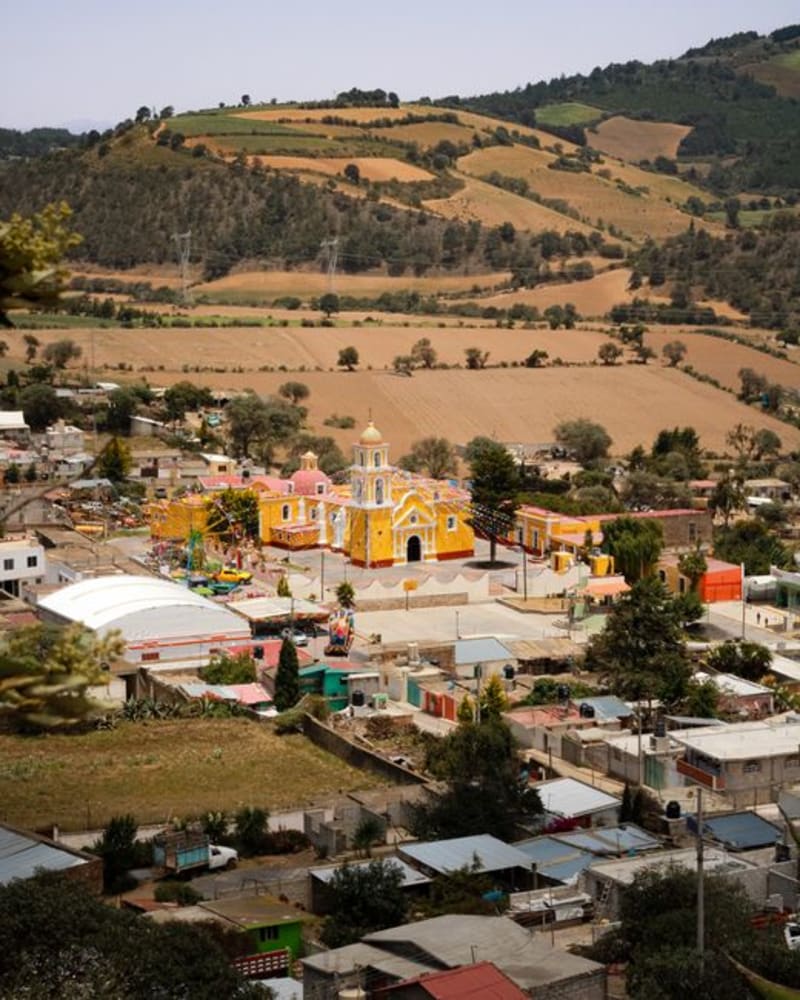
 Tlaola
A Nahua town buried in the cloud forest of the Sierra Norte de Puebla, where coffee, wild mushrooms, and ferns grow out of the fog on steep green mountains. Remote, agricultural, and intensely local — a place that belongs entirely to itself.
Explore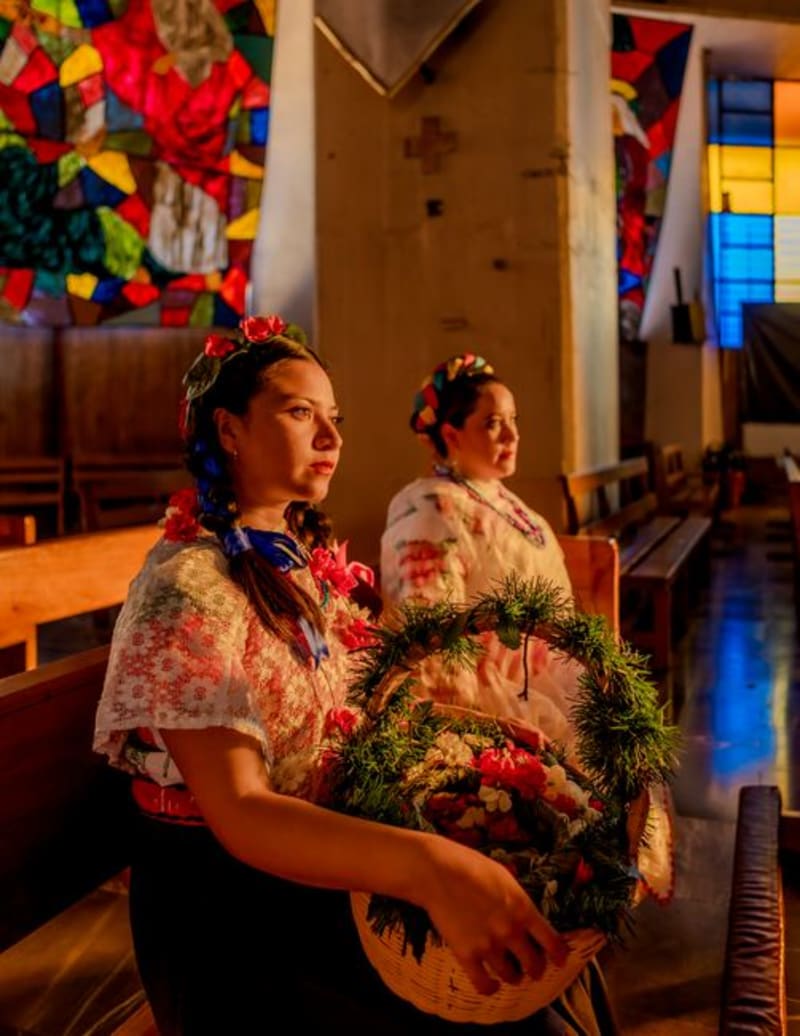 mexico
 Huauchinango
Huauchinango crowns the Sierra Norte de Puebla in near-permanent spring, its hillsides planted with flower nurseries that supply half the country. Every March the Feria de la Flor takes over the plaza in a delirium of dahlias and gladioli; the rest of the year the town settles back into its cool, trout-stream quiet.
Explore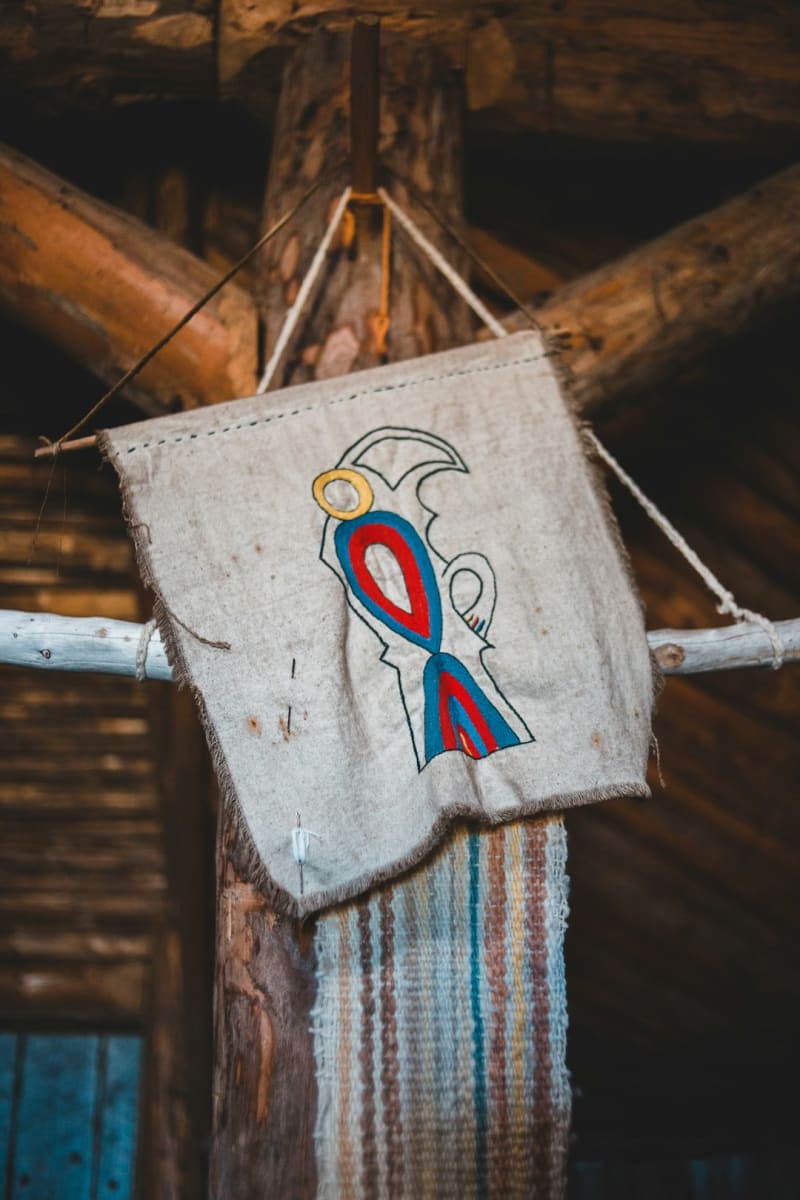 mexico
 Naupan
A Nahua mountain municipality high in the Sierra Norte de Puebla near Huauchinango, known for intricate hand embroidery and textiles worked on steep green slopes. Mist, coffee, and a deeply traditional life that receives few visitors.
Explore mexico
 Jopala
A small, remote municipality lost in the humid green of the Sierra Norte de Puebla, where coffee terraces climb the higher slopes and banana and citrus fill the warmer valleys below. Winding foggy roads, deep quiet, and a lushness that feels almost forgotten.
Explore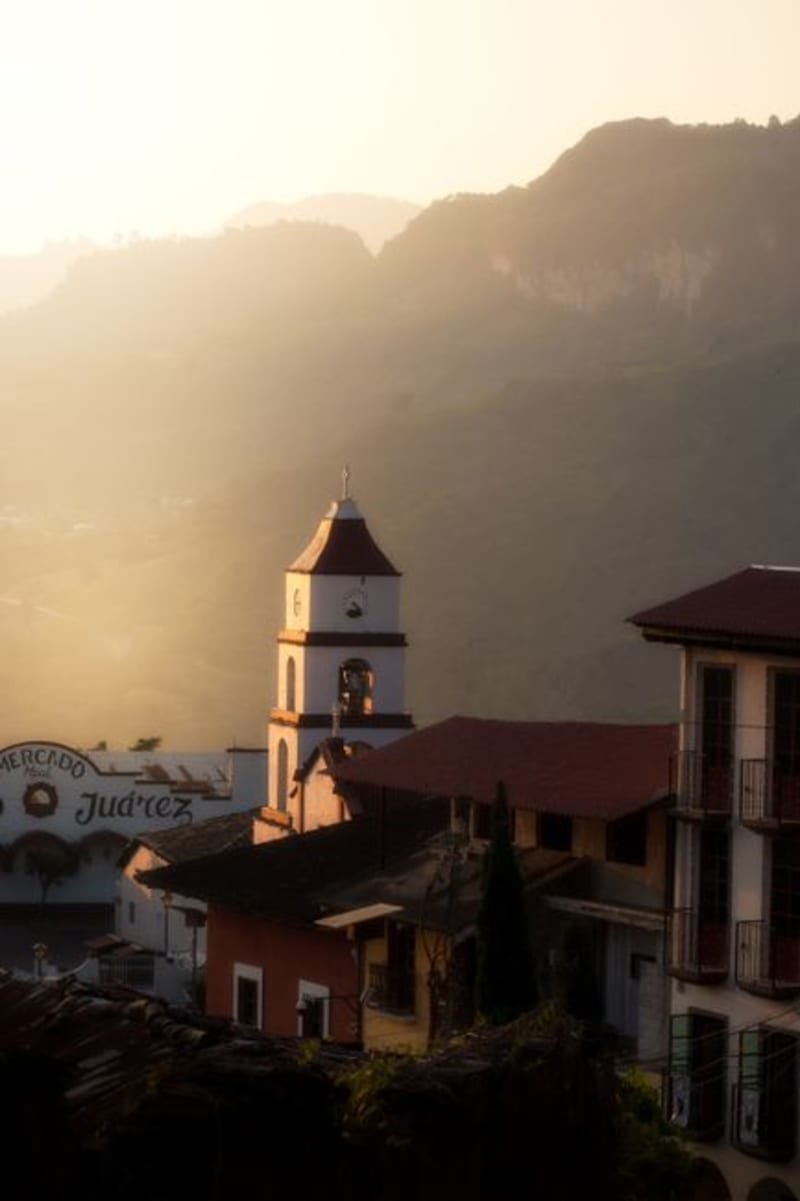 mexico
 Pahuatlán
A Pueblo Mágico perched at the edge of the Sierra Norte, where Otomi women still press bark into paper and embroider it with pre-Hispanic motifs older than anyone can accurately date. The town sits above a canyon so dramatically green it reads as theatrical, and the cloud forest road in does something to your sense of proportion that takes a while to shake.
Explore mexico
 Zacatlán
A highland Puebla town perched in apple orchard country, where sidra de Zacatlán — the cider sold across all of Mexico — is pressed from fruit grown in the cool sierra air. The colonial center holds a clock museum unlike any other, and the cloud forest beyond town leads to waterfalls that feel genuinely remote.
Explore