
Izúcar de Matamoros
"In Izúcar the baroque and the pre-Columbian exist in the same clay piece, made by the same hands, sold for the price of a decent lunch."
Izúcar de Matamoros sits in the hot lowlands of southern Puebla, largely ignored by the tourist circuit, which is exactly how its clay artisans and its outsized baroque cathedral have managed to remain fully themselves. The trees of life made here — árboles de la vida — are in galleries in New York and in grandmothers' workshops on dusty side streets, often made by the same family.

I stopped in Izúcar de Matamoros on my way south from Puebla city, intending to stay two hours. The bus had been slow, the heat was serious — southern Puebla sits well below the altitude that makes the capital temperate — and I wasn’t expecting much from a town that appears as a small dot between Atlixco and Huajuapan on most maps. Then I turned a corner near the zócalo and found a cathedral that would have stopped traffic in any city in France, and a market stall selling árboles de la vida so elaborate they looked like they’d been painted by someone with a grudge against simplicity. I stayed until the last colectivo south.
The Cathedral That Nobody Wrote About
The Templo de Santo Domingo de Guzmán in Izúcar is the kind of building that makes you wonder what else Mexico has filed quietly away in towns no guidebook covers. Construction began in the sixteenth century, and by the time the facade was finished it had accumulated enough carved stone saints, medallions, and decorative logic to keep an art historian occupied for a week. The interior is cooler than the street outside — an immediate physical relief at midday in July — and the gilded altarpiece catches light in a way that feels engineered specifically to undermine your composure. A few local women were sitting in pews near the side chapel, not performing devotion for visitors, just present. I sat near the back for longer than I planned. The atrium outside is planted with old trees that shade vendors selling aguas frescas; the tamarind one, sold by a woman in a yellow apron, was the best I drank that summer.

The Castillo Workshops and the Trees of Life
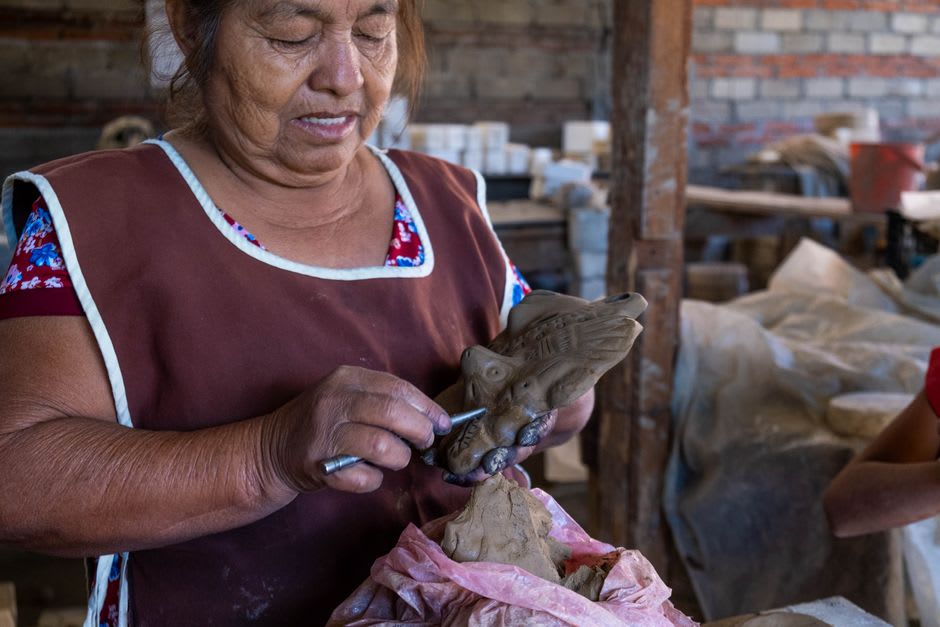
The árboles de la vida tradition in Izúcar is credited largely to the Castillo family, whose workshops are on the outskirts of town, past the market and down streets where the pavement becomes suggestion. These are clay sculptures — trees, technically, but branching with figures: angels, skeletons, animals, biblical scenes and pre-Hispanic ones layered together with no apparent anxiety about contradiction. I found one workshop by following a painted sign and knocking on a door that was already open. A woman in her seventies, Señora Castillo or someone related to her — she didn’t introduce herself and I didn’t press — showed me pieces drying on a table, each one hand-painted in colors that don’t exist in nature. I bought a small one, palm-sized, depicting Adam and Eve flanked by two spotted deer. When I told her I was French, she looked at my accent with polite, professional skepticism and charged me the same price she’d have charged anyone.
Eating and Moving Through Town
The mercado municipal on Calle 2 Norte is the right place for lunch. I ate a bowl of pipián verde with chicken — the sauce thicker and earthier than the Oaxacan version I know from Puerto Escondido — and a plate of cecina with rice, all of it appearing faster than seemed logistically possible. The market vendors have that particular efficiency of people who feed a town every day and have no patience for dawdling. In the late afternoon, the zócalo fills with schoolchildren and couples and vendors with carts of elotes; it’s a good hour to sit and recalibrate before moving on.
Getting There
Izúcar de Matamoros is roughly two hours from Puebla city by bus or colectivo, with departures from the CAPU terminal. From Oaxaca city, it’s on the route north toward Puebla via Huajuapan de León — a full half-day of travel, but the road through the mixteca is worth it. There’s no train. Taxis within town are cheap and the zócalo is walkable from any guesthouse.
Keep exploring
More of Puebla
Keep exploring
More from Puebla
 mexico
 Chietla
A warm sugarcane town in the lowlands of southwestern Puebla, where the valley heat presses down on the cane fields and the river runs green through the flats. Unhurried, agricultural, honest — the kind of place you slow down in whether you mean to or not.
Explore mexico
 Huaquechula
A quiet Puebla town anchored by a 16th-century Franciscan open chapel built to convert thousands at once — and by a Day of the Dead altar tradition so elaborate it makes that original ambition look modest. Outside of November, Huaquechula belongs almost entirely to locals.
Explore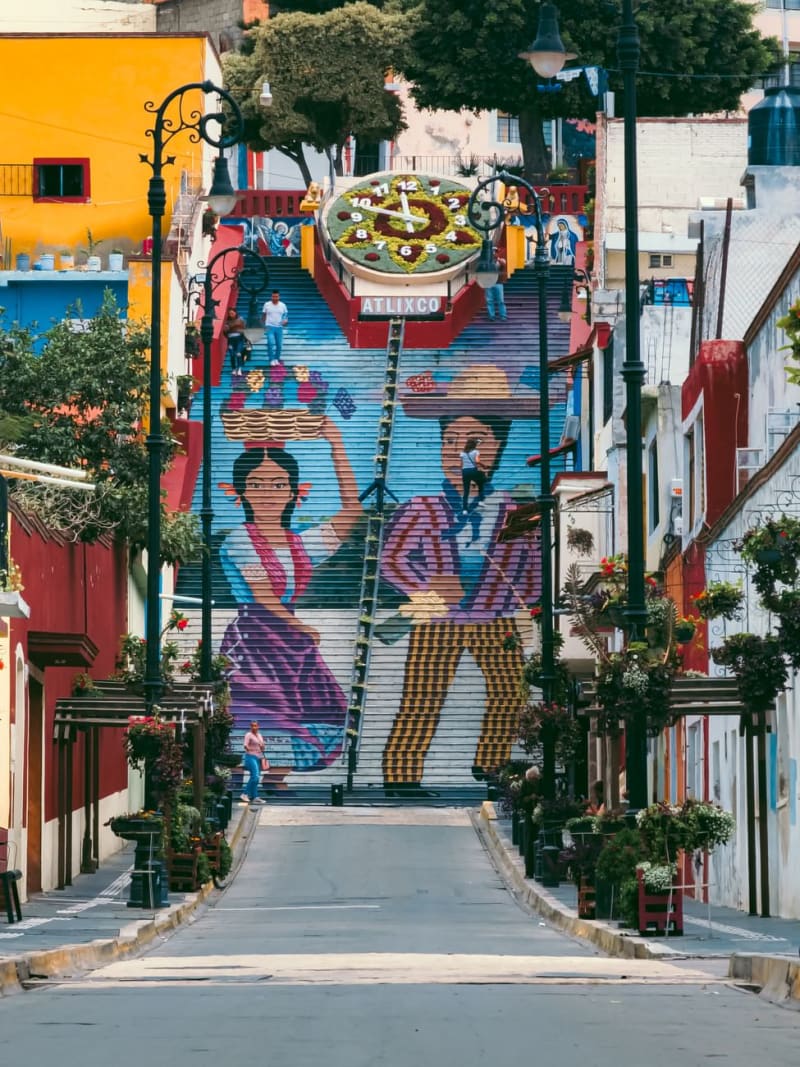 mexico
 Atlixco
A flower-growing city in the Poblano valley where Popocatépetl appears through the morning mist and the entire regional economy runs on supplying blooms to Mexico City. Every September, 50 indigenous dance groups converge for the Huey Atlixcáyotl — the largest indigenous dance festival in Mexico.
Explore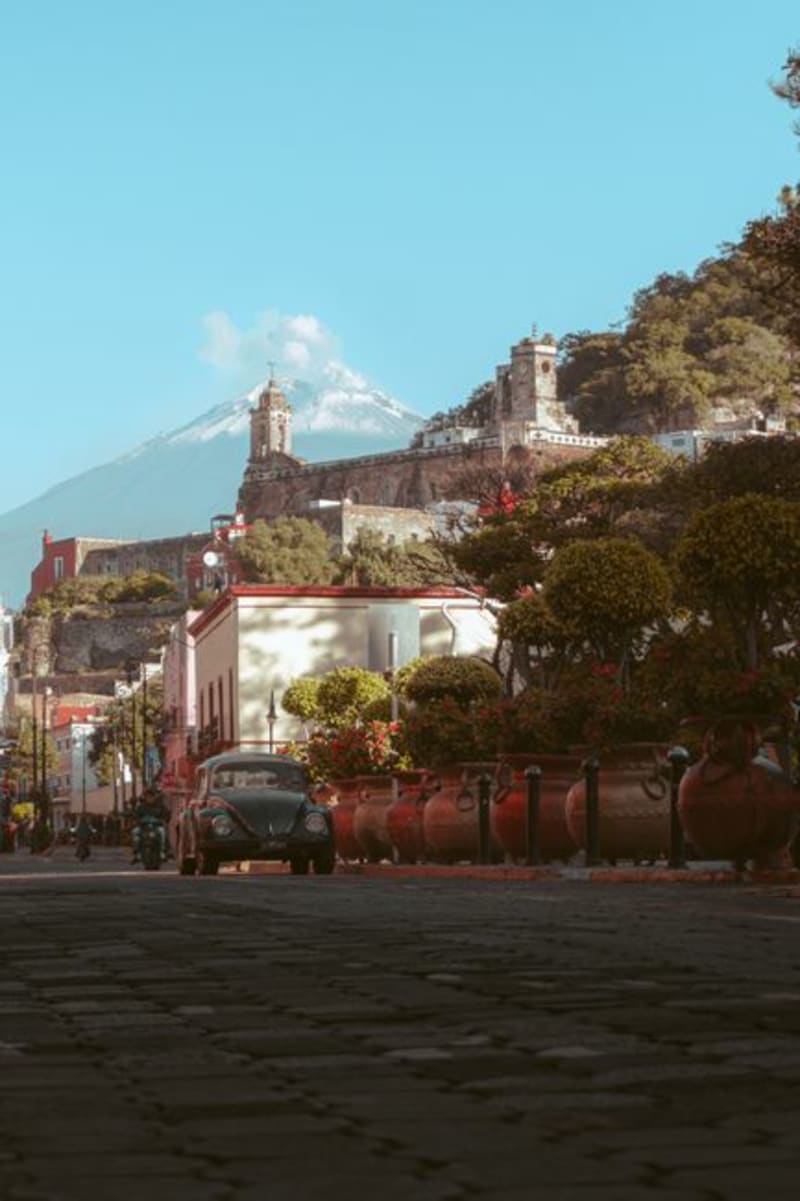 mexico
 Tochimilco
A quiet Pueblo Mágico in Puebla state sitting directly beneath Popocatépetl, where the 16th-century convent doorway frames the smoking summit like a painting. Few places in Mexico put you this close to the volcano with this little company.
Explore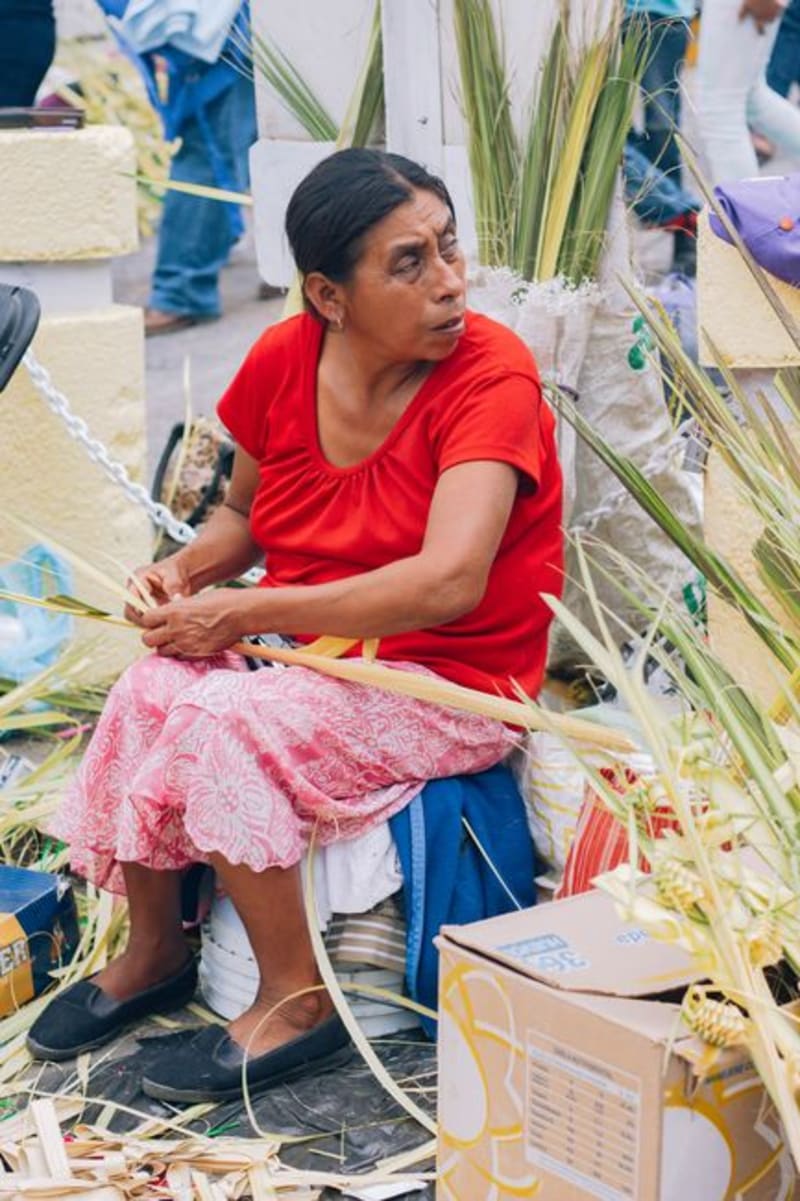 mexico
 Acatlán de Osorio
A Mixtec town in the southern Puebla highlands where palm-leaf weaving is practiced as daily life rather than tourist performance — workshops are open houses with their doors ajar, strips soaking in buckets, weavers who learned from grandmothers who learned from theirs. The central market draws produce and crafts from across the Mixteca Baja, and the town is worth considerably more than the fuel stop most drivers give it.
Explore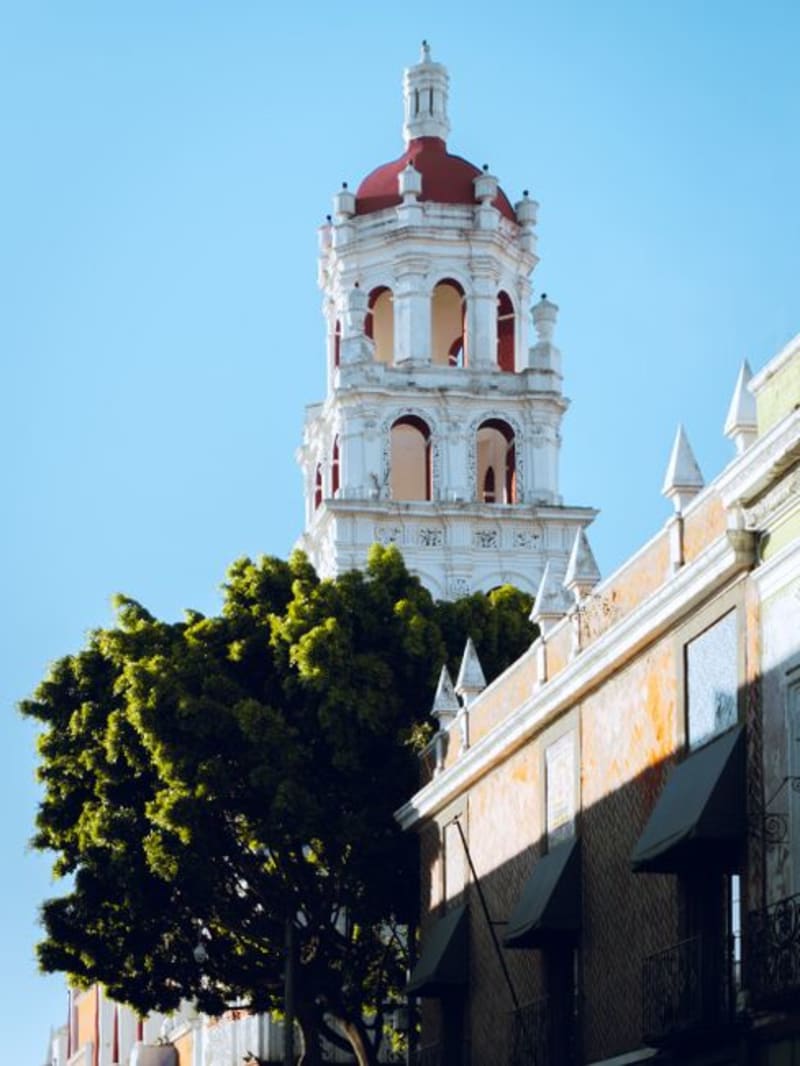 mexico
 Tepexi de Rodríguez
A dry-hill town in southern Puebla built on stone — onyx and marble pulled from the surrounding quarries and carved in workshops full of translucent light. Semi-arid, stony, and quietly proud of its craft, with deep-time fossil country in the hills nearby.
Explore