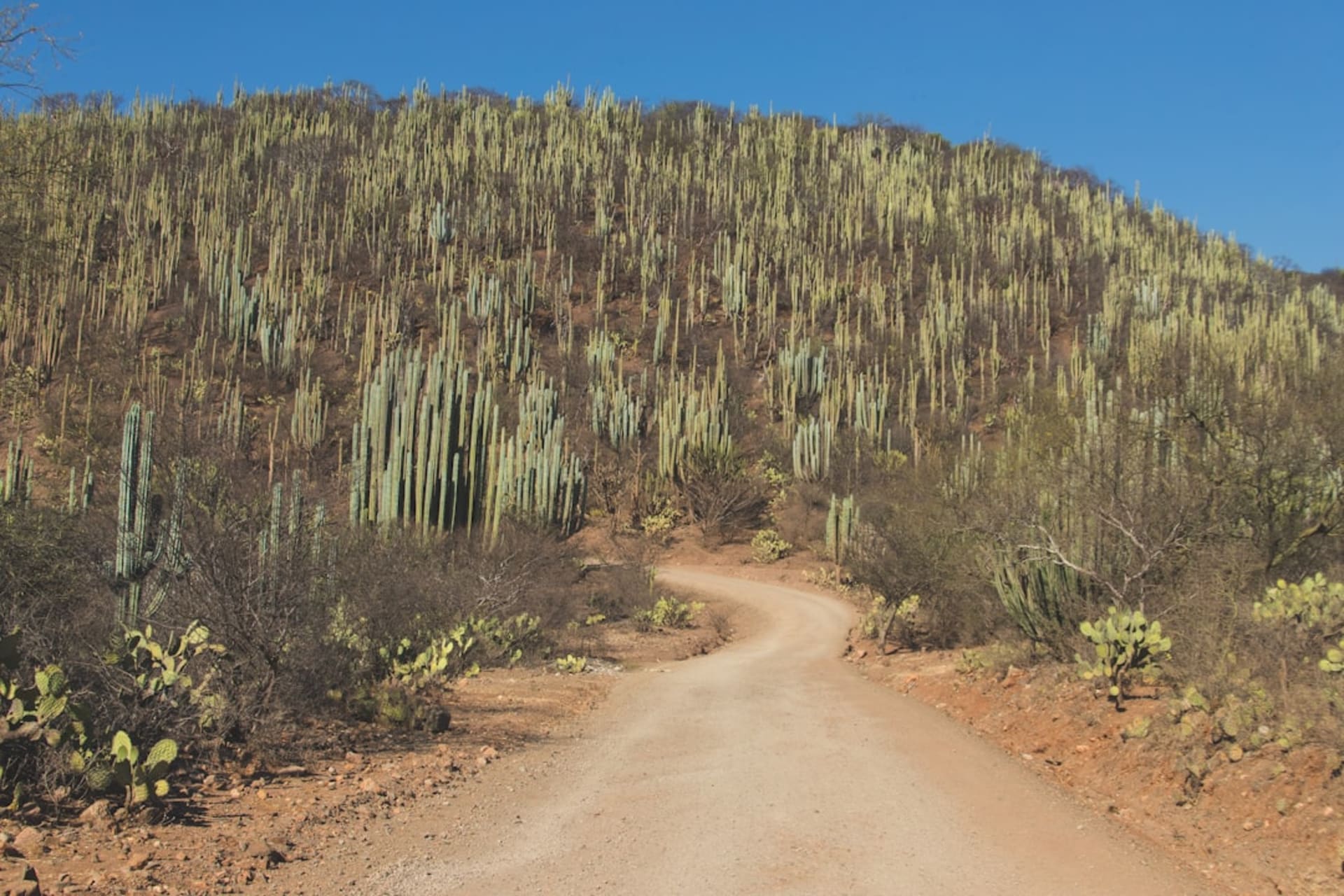
Chietla
"The heat here is a physical thing. By noon the cane fields shimmer and the whole valley smells faintly of molasses and cut grass."
A warm sugarcane town in the lowlands of southwestern Puebla, where the valley heat presses down on the cane fields and the river runs green through the flats. Unhurried, agricultural, honest — the kind of place you slow down in whether you mean to or not.

I drove down from Izúcar de Matamoros on a morning that was already too hot at nine, the road dropping steadily into the valley until the cane fields closed in on both sides. I hadn’t planned to stop in Chietla — it was a name on the map between somewhere and somewhere else — but I pulled over for a cold agua de jamaica at a roadside stand and a woman there told me, without my asking, that the church was worth seeing and that the river was low but still good. So I stayed. That is how most of my best afternoons in Mexico have started: someone at a stand telling me something, unprompted, and me deciding to believe them.
Chietla sits in the tierra caliente of southwestern Puebla, the hot lowlands that stretch toward the Morelos and Guerrero borders. This is sugarcane country — the fields run right up to the edge of town, tall and dense and impossible to see through, and the whole rhythm of the place turns on the harvest and the mill. It is not a town that performs for visitors. It simply goes about its work, and you are welcome to watch.
The Cane and the Valley
The cane defines everything here. In the months of the zafra — the harvest — the roads fill with trucks stacked impossibly high with cut stalks, and the air carries that sweet vegetal smell of crushed cane and the smoke from the burns. The fields are worked hard and have been for generations; this is old agricultural land, the soil dark and the irrigation channels running off the river through the flats.
I walked a dirt track between two fields in the late afternoon, the cane towering over my head on both sides, and the sound was extraordinary — the dry rustle of the leaves in a wind I couldn’t feel down at ground level. A man on a bicycle passed me, machete across the handlebars, and lifted two fingers off the grip in greeting without slowing down. The heat by then had softened into something bearable, gold and heavy, and I understood why people here move the way they do: deliberately, in the cool hours, resting through the worst of the day.
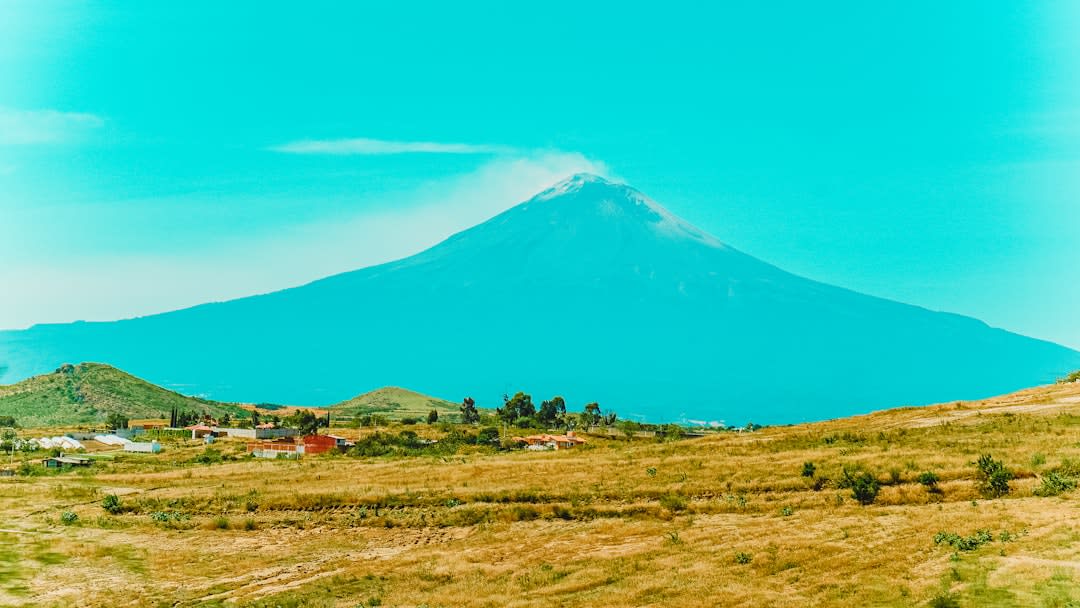
The Parish Church and the Plaza
The heart of the old town is the parish church, a solid colonial structure with thick walls that hold the cool, and stepping inside from the glare of the plaza is a genuine relief. I sat in a back pew for a while, not out of piety but because it was the coldest place I’d found all day, and watched an old woman arrange flowers at a side altar with the unhurried care of someone who has done it a thousand times.
Outside, the plaza does what plazas in hot towns do: it empties at midday and fills again toward evening. By six the benches under the trees were taken, kids were chasing each other around the kiosko, and a man had set up a cart selling tejuino — the fermented corn drink, cold and sour and served with lime and chili and a scoop of nieve. I bought one and sat on the church steps and let the evening come on. There was no spectacle to it. That was the point.
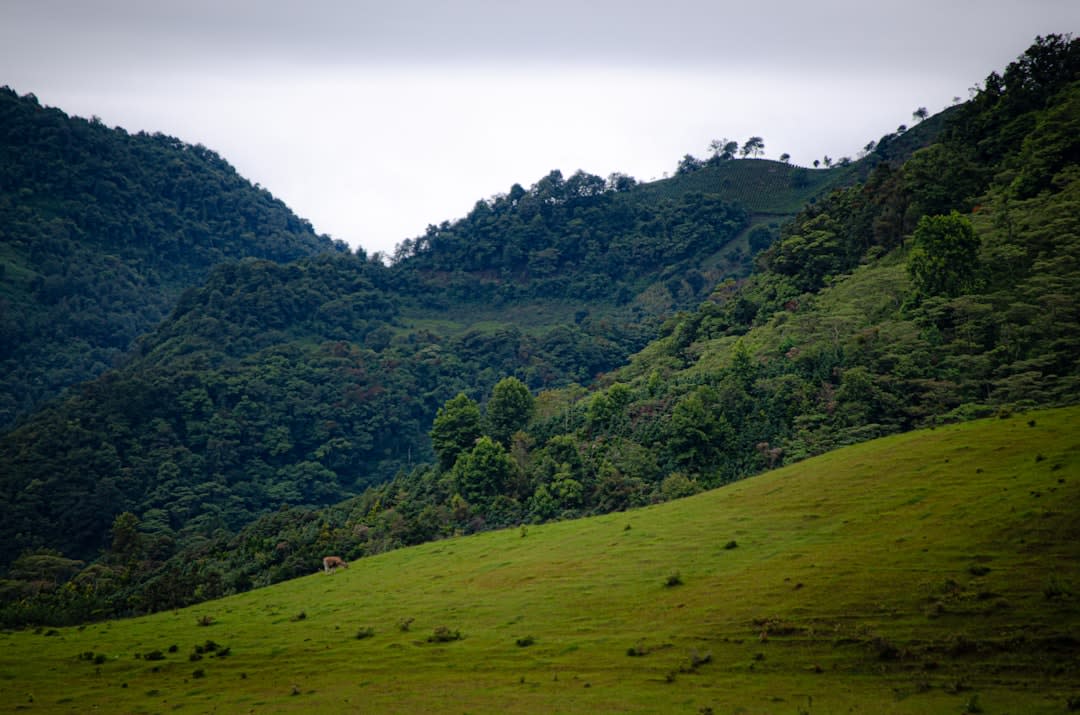
The River Country
Below the town the land runs down to the river, and the river is the other reason to come here. In the dry months it runs low and clear over gravel bars, wide enough to wade, cool enough to be worth the walk down through the fields to reach it. Families come out on Sunday afternoons to sit on the banks in the shade of the big trees, and the water is full of kids by three o’clock.
I spent a long slow afternoon there with my feet in the current, watching a couple of men fish with hand lines and a boy trying to teach a reluctant dog to swim. Somebody had a radio playing cumbia low, and somebody else was grilling — the smell of it drifting over the water. It was, I remember thinking, exactly the kind of ordinary afternoon that the guidebooks never mention and that turns out, years later, to be the thing you actually remember about a place.
Getting There
Chietla is easiest reached from Izúcar de Matamoros, about 20 minutes north, which is itself well connected by bus from the city of Puebla (around 2 hours) and from Mexico City. Local combis and colectivos run down from Izúcar through the day; if you’re driving, the road is straightforward and paved, though it gets hot enough that you’ll want the air conditioning working. Come in the dry months, roughly November through May, for the river and the harvest activity; the rainy season swells the river and softens the field tracks to mud. And come early or stay late — the middle of the day here belongs to the shade, and the town knows it.
Keep exploring
More of Puebla
Keep exploring
More from Puebla
 mexico
 Izúcar de Matamoros
Izúcar de Matamoros sits in the hot lowlands of southern Puebla, largely ignored by the tourist circuit, which is exactly how its clay artisans and its outsized baroque cathedral have managed to remain fully themselves. The trees of life made here — árboles de la vida — are in galleries in New York and in grandmothers' workshops on dusty side streets, often made by the same family.
Explore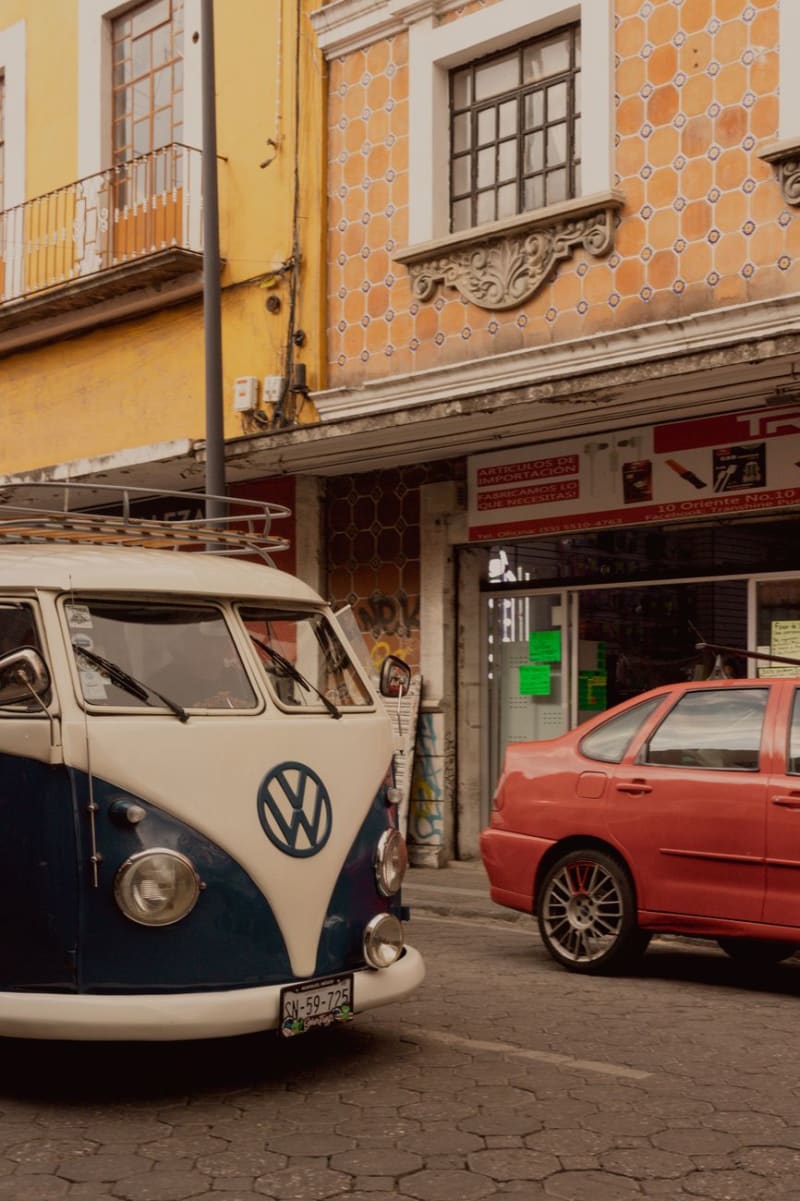 mexico
 Huaquechula
A quiet Puebla town anchored by a 16th-century Franciscan open chapel built to convert thousands at once — and by a Day of the Dead altar tradition so elaborate it makes that original ambition look modest. Outside of November, Huaquechula belongs almost entirely to locals.
Explore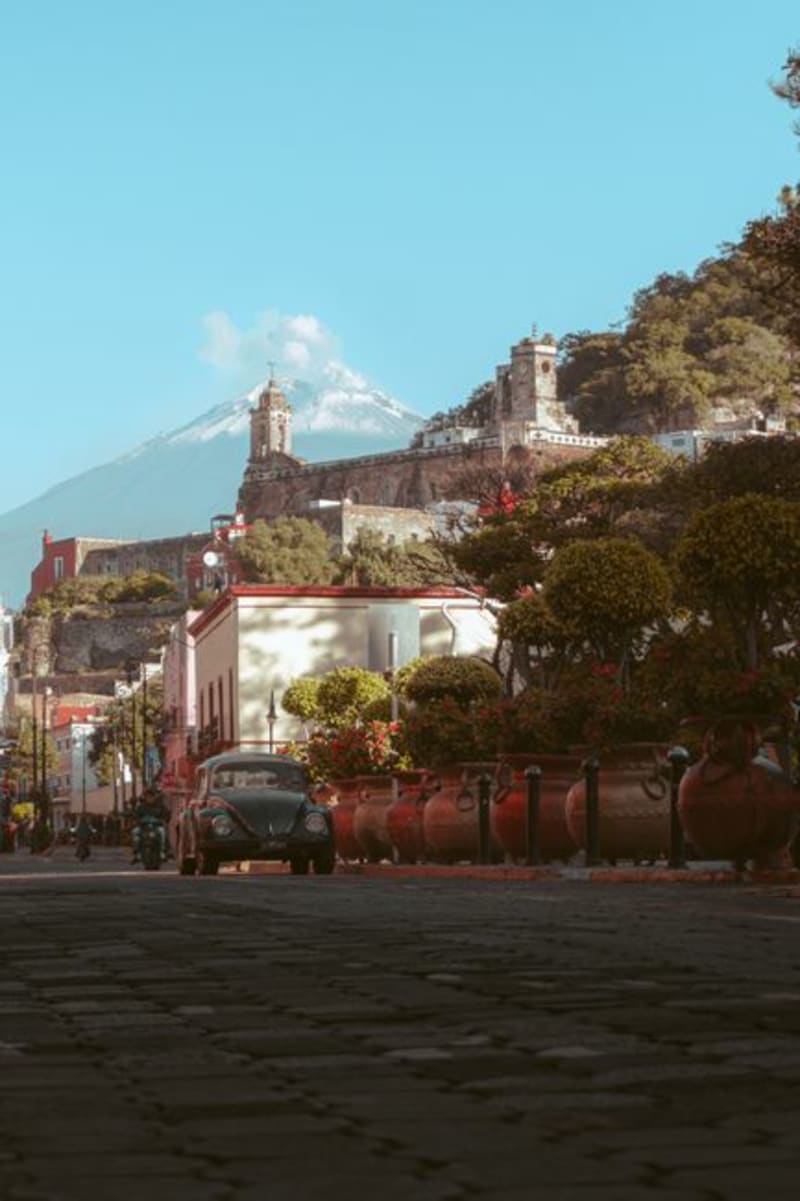 mexico
 Tochimilco
A quiet Pueblo Mágico in Puebla state sitting directly beneath Popocatépetl, where the 16th-century convent doorway frames the smoking summit like a painting. Few places in Mexico put you this close to the volcano with this little company.
Explore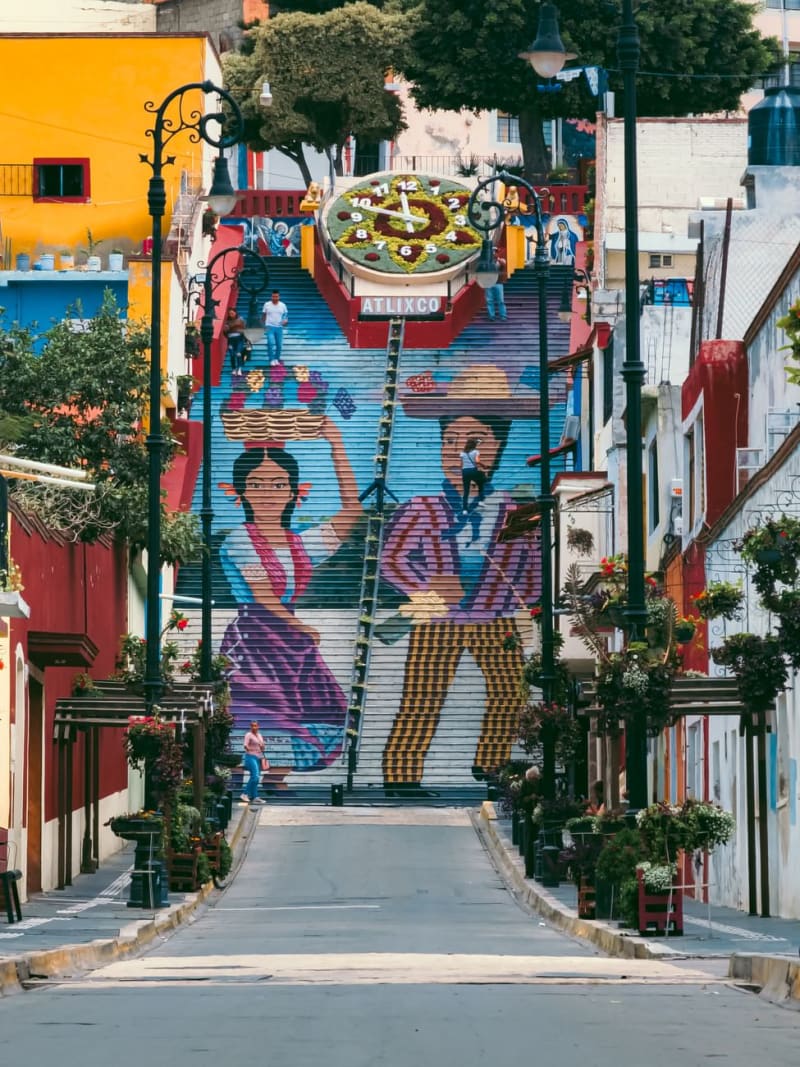 mexico
 Atlixco
A flower-growing city in the Poblano valley where Popocatépetl appears through the morning mist and the entire regional economy runs on supplying blooms to Mexico City. Every September, 50 indigenous dance groups converge for the Huey Atlixcáyotl — the largest indigenous dance festival in Mexico.
Explore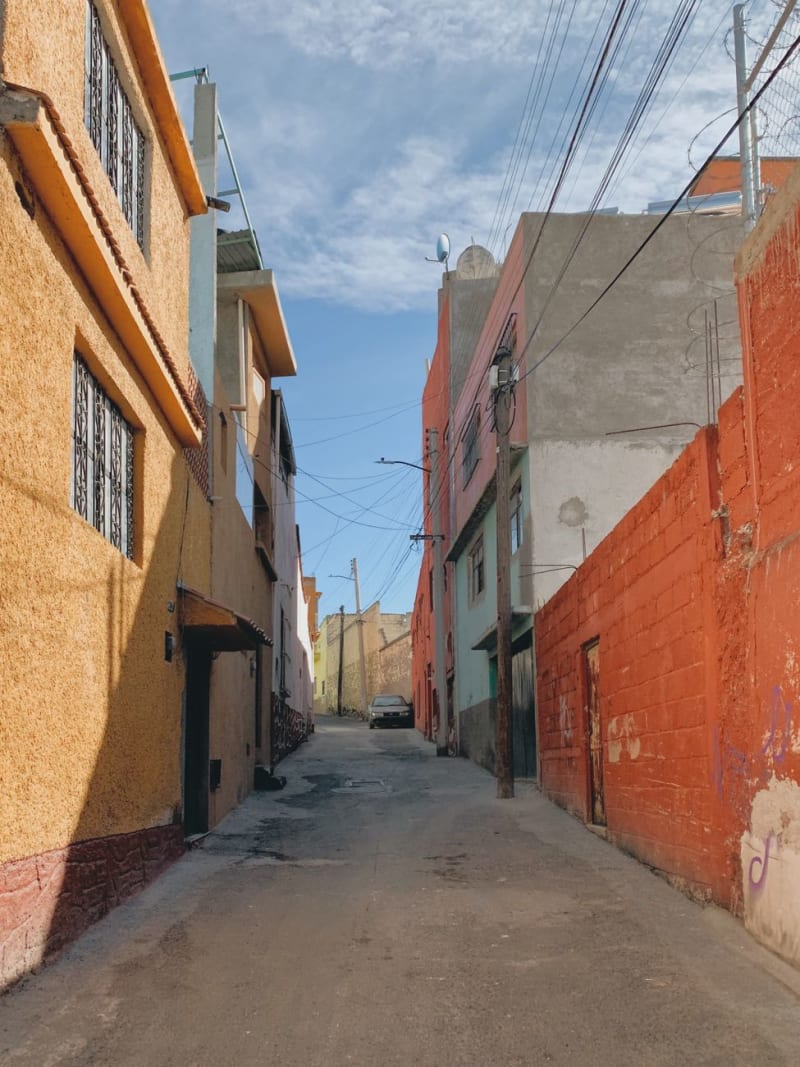 mexico
 Tonantzintla
A village folded into the flatlands south of Cholula, Tonantzintla is home to a parish church whose interior is unlike anything else in Mexico — every centimeter of wall, arch, and dome covered in polychrome stucco by indigenous artisans who spent two centuries hiding their own cosmology inside the Catholic saints.
Explore mexico
 Calpan
Calpan holds what may be the most complete 16th-century Franciscan atrium in Mexico — all four original corner chapels standing exactly as the friars left them. It sits beneath Popocatépetl and Iztaccíhuatl, and on a clear morning, the whole arrangement reads less like archaeology than theatre.
Explore