Ocotlán de Morelos
"I bought a small ceramic skeleton baker from an Aguilar daughter, and she laughed when I said I recognized the style — she said not enough visitors do anymore."
Ocotlán de Morelos comes alive on Fridays, when the valley market fills with tasajo, black clay pottery, and dried chiles stacked higher than your head. The town is also the home of the Aguilar family, whose ceramic figurines — skeletons in aprons, women mid-dance — have quietly landed in museum collections around the world.

I first came to Ocotlán on a Thursday by accident, arriving a full day early and finding a town that felt almost embarrassed by its own quietness. The plaza was empty except for a few pigeons and a woman selling tejate from a plastic cooler. I went back the next morning, a Friday, at seven, and the market had already eaten half the street. That contrast — the hush and then the roar — is the whole town in two hours.
The Friday Market
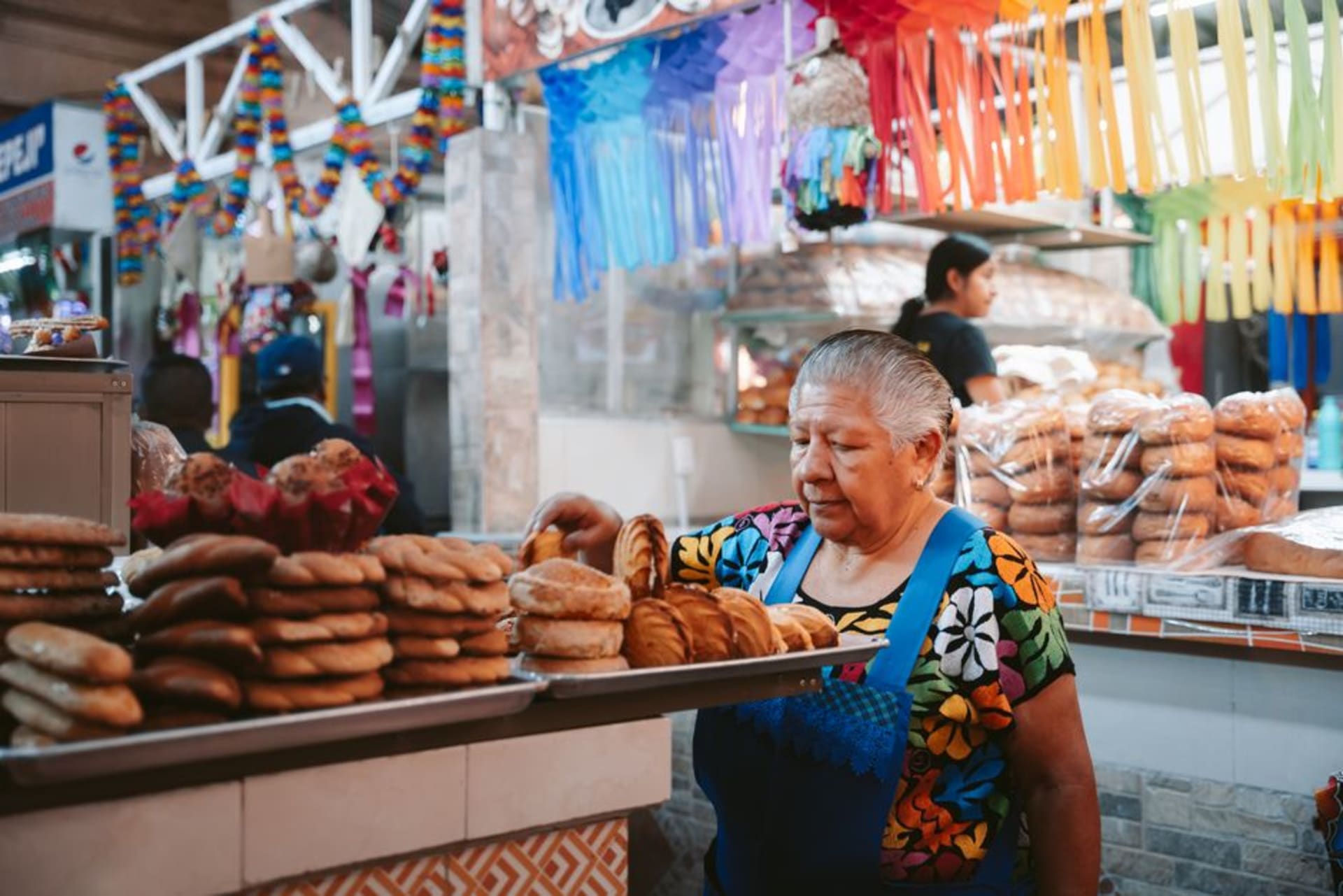
The Mercado de Ocotlán on a Friday is less a shopping trip than a controlled flood. Vendors claim their spots before dawn, and by eight o’clock the main aisle is dense with butchers hanging strips of tasajo to air-dry and stacks of cecina rubbed dark with chile paste. I bought half a kilo of each from a woman whose family, she told me, had been selling from the same corner for forty years. She wrapped it in paper without ceremony and I carried it back to the car like it was something fragile.
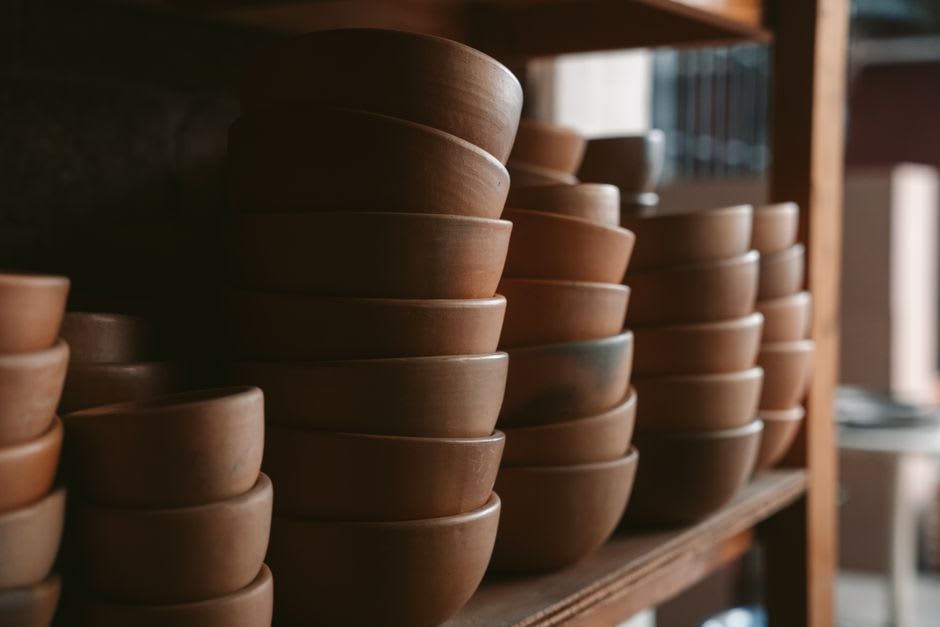
Beyond the meat section, the market fans out into dried chiles — anchos, pasillas, chipotles in loose piles — and rows of black clay pieces from nearby San Marcos Tlapazola: bowls, pitchers, small animals. The pottery here is quieter than the burnished black from San Bartolo Coyotepec, more matte, more rough at the edges in a way that makes it feel genuinely used rather than decorative. I picked up a small bowl for about sixty pesos and use it every day.
The Aguilar Workshop
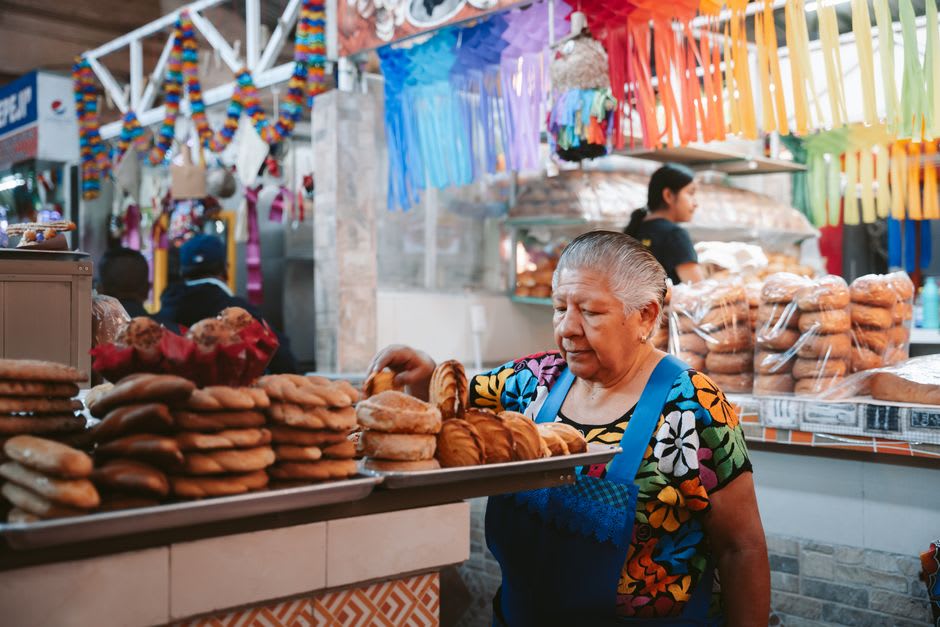
The Aguilar family lives a few blocks from the plaza on Calle Independencia, and the workshop is easy to find — there are usually a few finished pieces in the window and the door is open most mornings. Josefina Aguilar, the mother, trained her daughters in the same tradition she’d built over decades: ceramic figures painted in bright oxides, often depicting women in elaborate Tehuana dress or skeleton scenes lifted from daily life — a skeleton wedding, a skeleton selling tortillas, a skeleton holding a child.
I spent twenty minutes there on my last visit, and the daughter working that morning talked about which figures still sell well internationally and which she makes because she wants to, not because anyone asks. I left with a small skeleton baker, flour dusted in white slip across his apron. She laughed when I said I recognized the style from a photograph I’d seen years before. She said not enough people do anymore.
The Church and the Afternoon
Once the market thins out — usually by one or two in the afternoon — the town returns to itself. The Templo de Santo Tomás Apóstol on the main plaza is worth the ten minutes it takes to walk through: the baroque facade is pink and cream, and the interior is cool enough that people actually sit in the pews rather than just pass through. A few vendors stay on the plaza selling tlayudas and memelas until mid-afternoon. I ate a tlayuda with black beans and quesillo at a plastic table in the shade and watched the street empty slowly around me.
Getting There
Ocotlán de Morelos is about 30 kilometers south of Oaxaca City on Highway 175, roughly 45 minutes by car. Colectivos depart regularly from the second-class bus terminal on Calle Trujano in Oaxaca — look for vans marked Ocotlán. If you’re going for the Friday market, leave Oaxaca by 7:00 at the latest. The market slows considerably after noon.
Keep exploring
More of Oaxaca
Keep exploring
More from Oaxaca
 mexico
San Martín Tilcajete
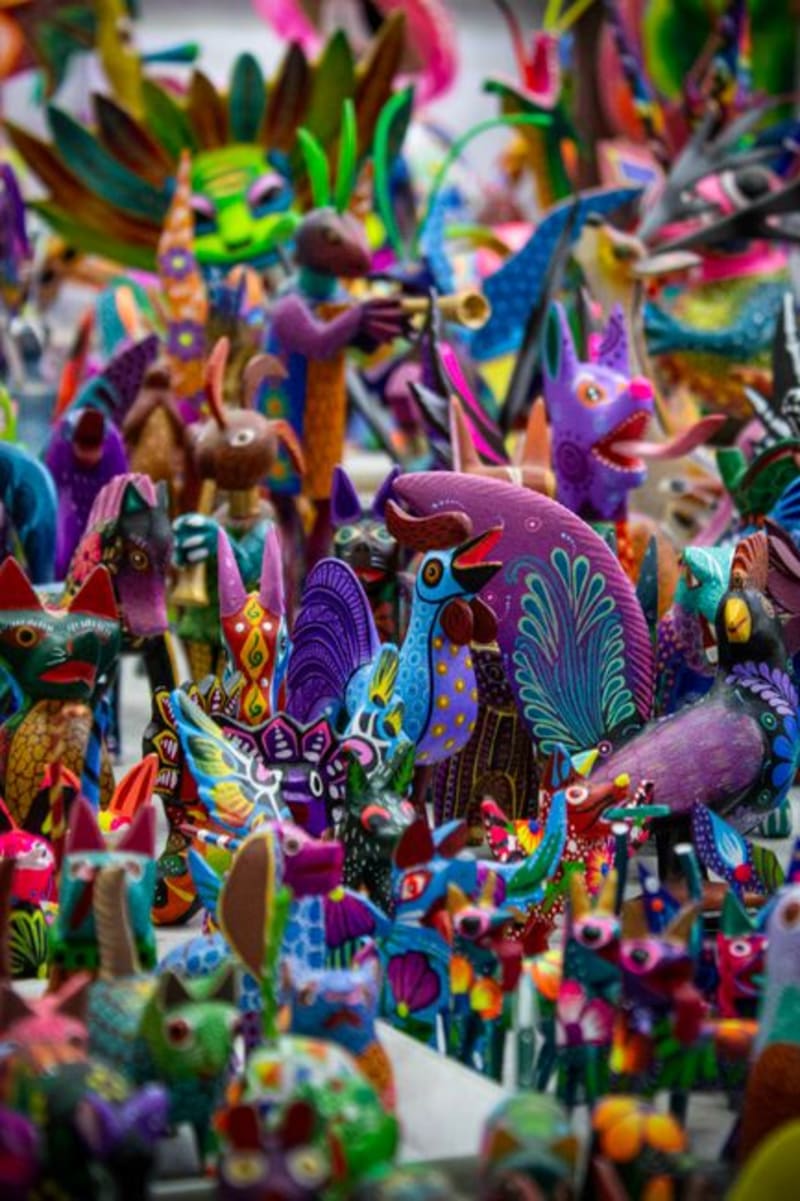
Twenty minutes south of Oaxaca city, San Martín Tilcajete is a village where copal wood becomes something with teeth and wings — alebrije carvers whose work lines gallery walls from Mexico City to New York, though the best pieces rarely leave the family workshop.
Explore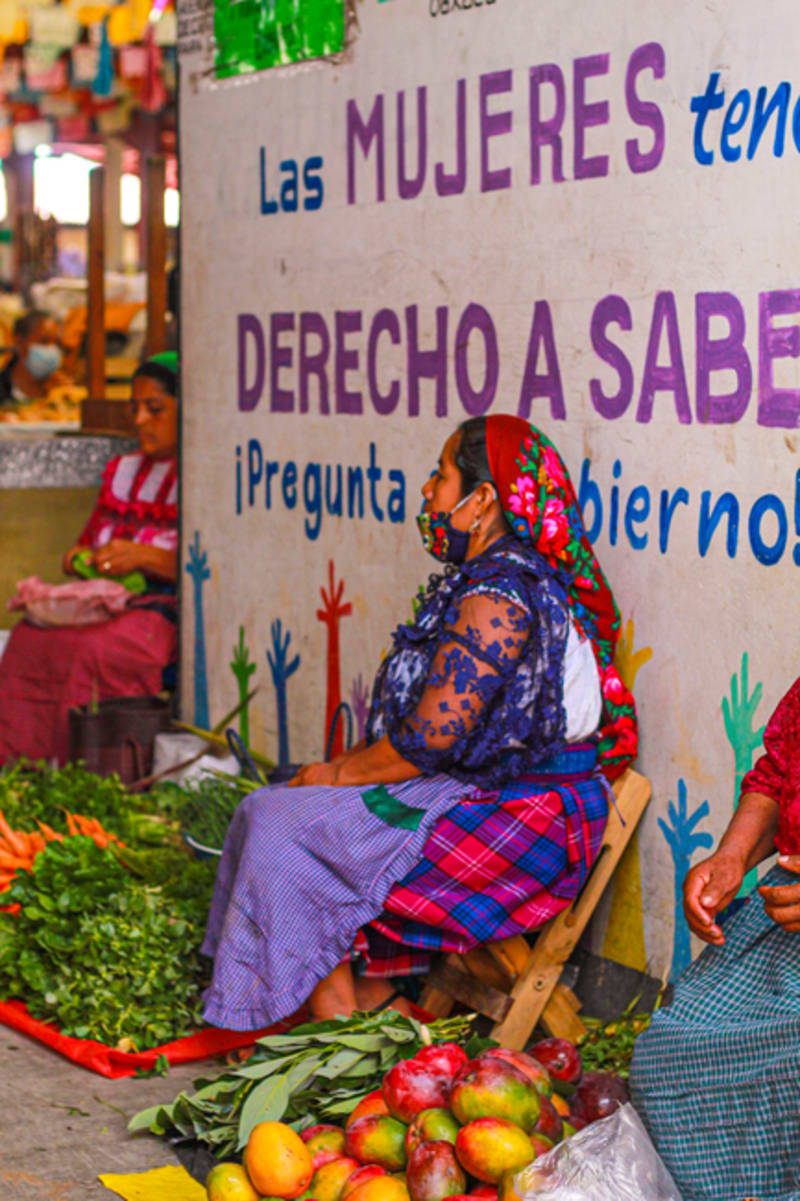 mexico
Zimatlán de Álvarez
Zimatlán anchors the southern end of the Oaxacan valley with a Wednesday market that draws vendors from the surrounding sierra — handmade baskets, fresh cheese, wild herbs — and almost no one else with a camera. The tlayudas here are eaten standing at the stall, which is exactly the right way.
Explore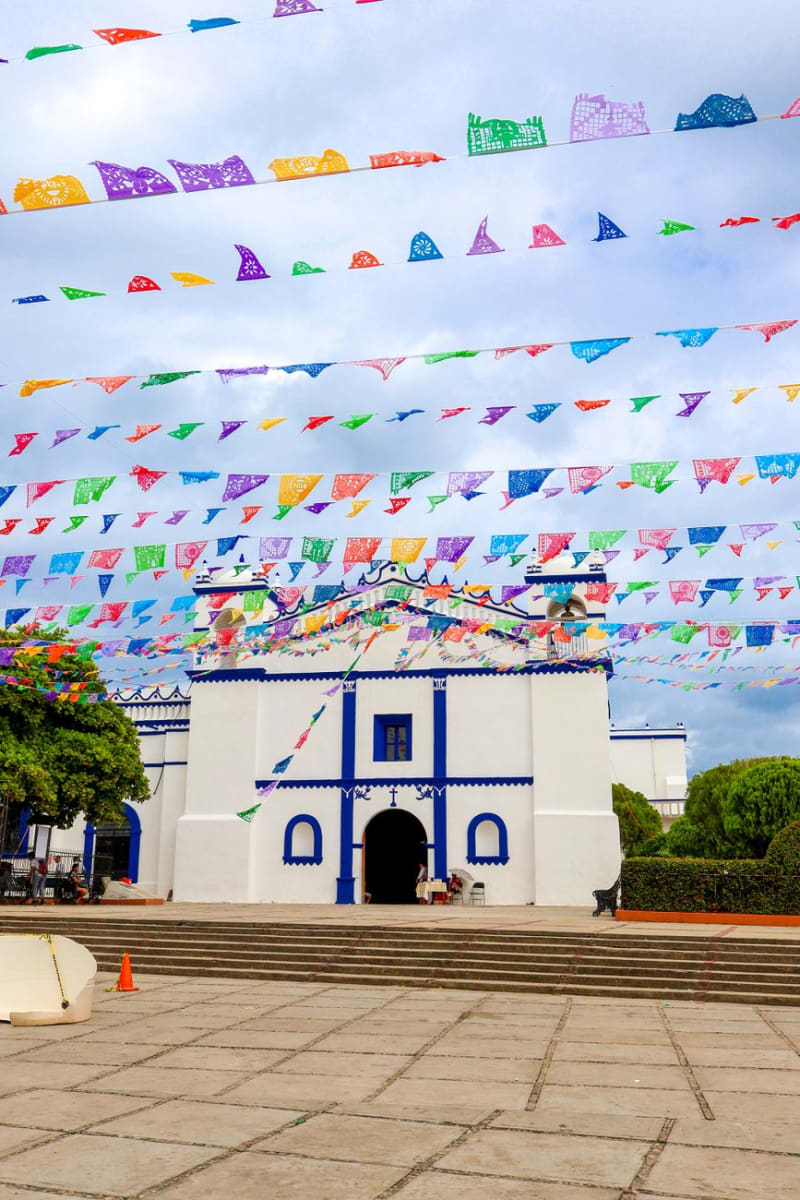 mexico
San Bartolo Coyotepec
San Bartolo Coyotepec is twelve kilometers south of Oaxaca City and is the home of barro negro — black clay pottery made from a clay specific to this valley, fired in a way that produces a metallic sheen, hand-built without a wheel and polished with a quartz stone. The technique was refined in the 20th century by Doña Rosa Real de Nieto, whose descendants continue in the family workshop. I bought a small vessel for too much money and consider it the most worthwhile thing I have bought in Mexico.
Explore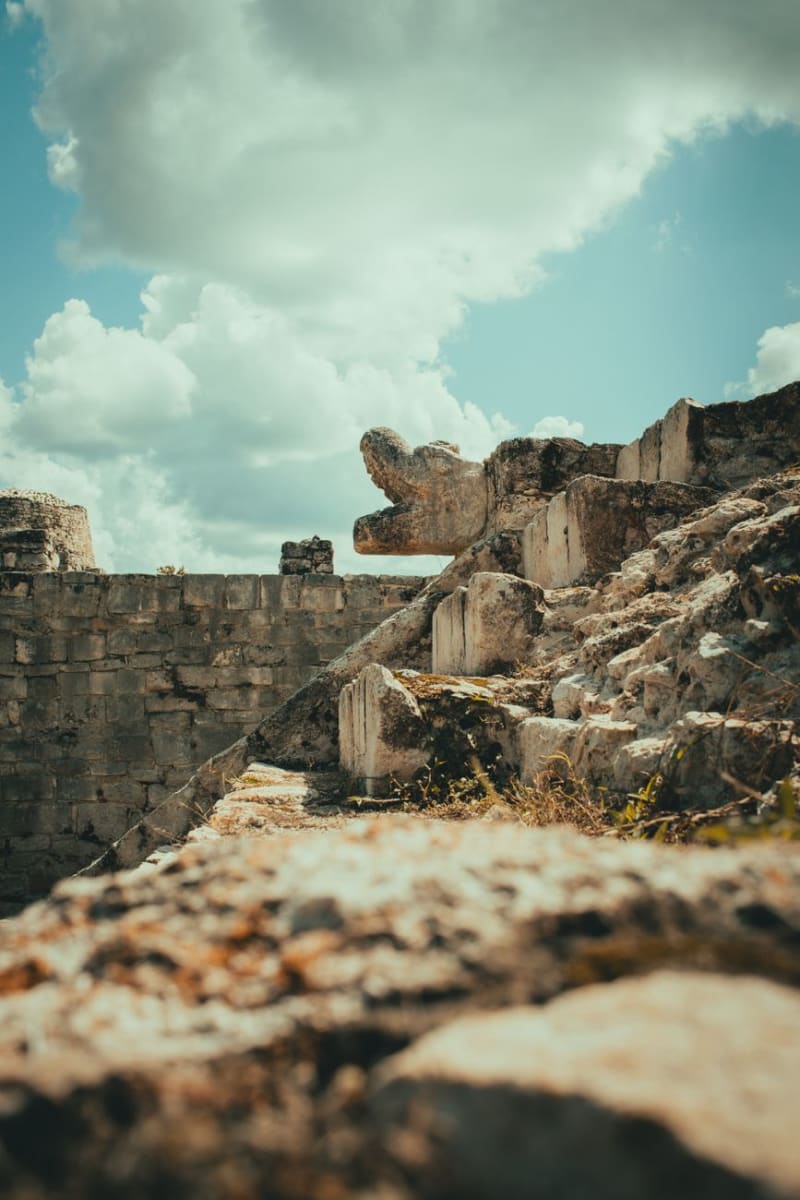 mexico
Zaachila
Once the last capital of the Zapotec empire, Zaachila is now a Thursday market town thirty minutes from Oaxaca city where two royal tombs carved with owl deities sit quietly beside the church, and the food stalls serve tlayudas the way Oaxacans actually eat them.
Explore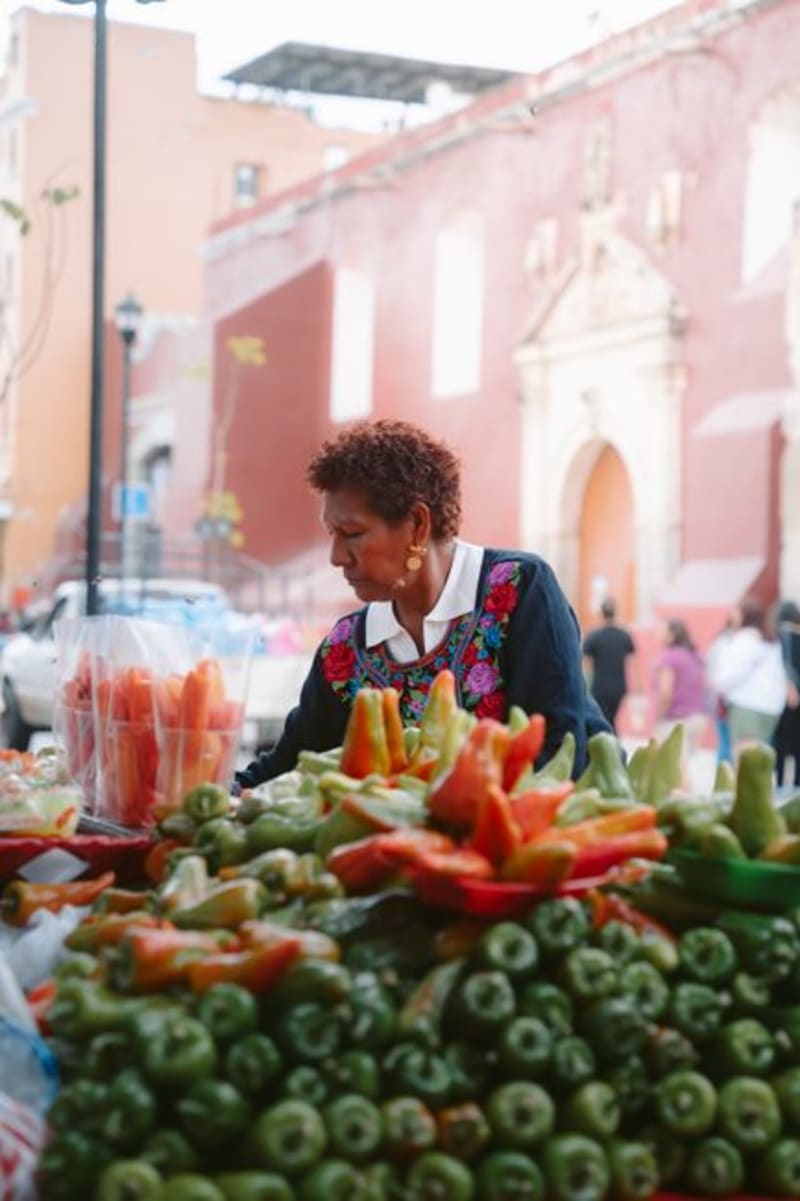 mexico
Ejutla de Crespo
Ejutla de Crespo is a small Zapotec market town seventy kilometers south of Oaxaca City that most visitors pass without stopping. Its Friday tianguis draws vendors from a dozen sierra communities, trading mezcal, textiles, and produce at prices that reflect what things actually cost. Nobody here is performing for tourists — they are simply trading, and that distinction matters.
Explore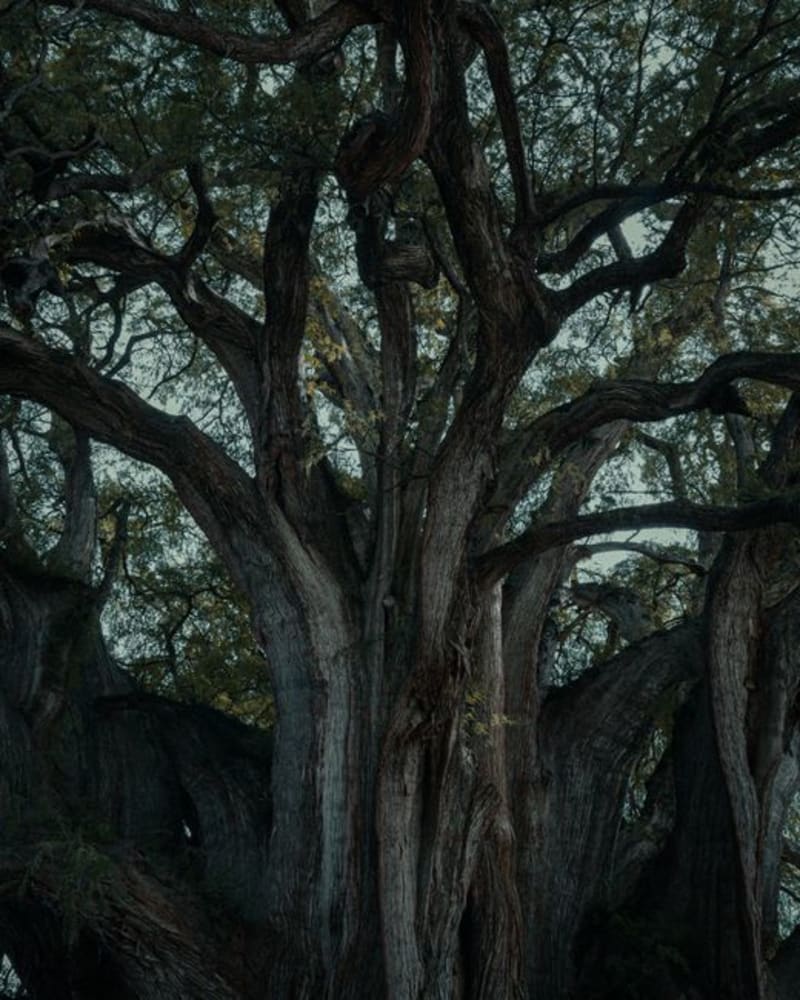 mexico
Santa María del Tule
Nine kilometers from Oaxaca City on the road to Mitla, Santa María del Tule exists almost entirely around a single tree — a Montezuma cypress over 2,000 years old with the widest trunk on earth. The village has a church, vendors selling tejate and chapulines in the atrium, and a teenager who will walk you through the animal shapes in the bark for a few pesos. I went around the tree twice and still wasn't sure I'd processed it.
Explore