San Martín Tilcajete
"In Tilcajete, the copal root does not become furniture — it becomes something with teeth and wings and colors that have no name."
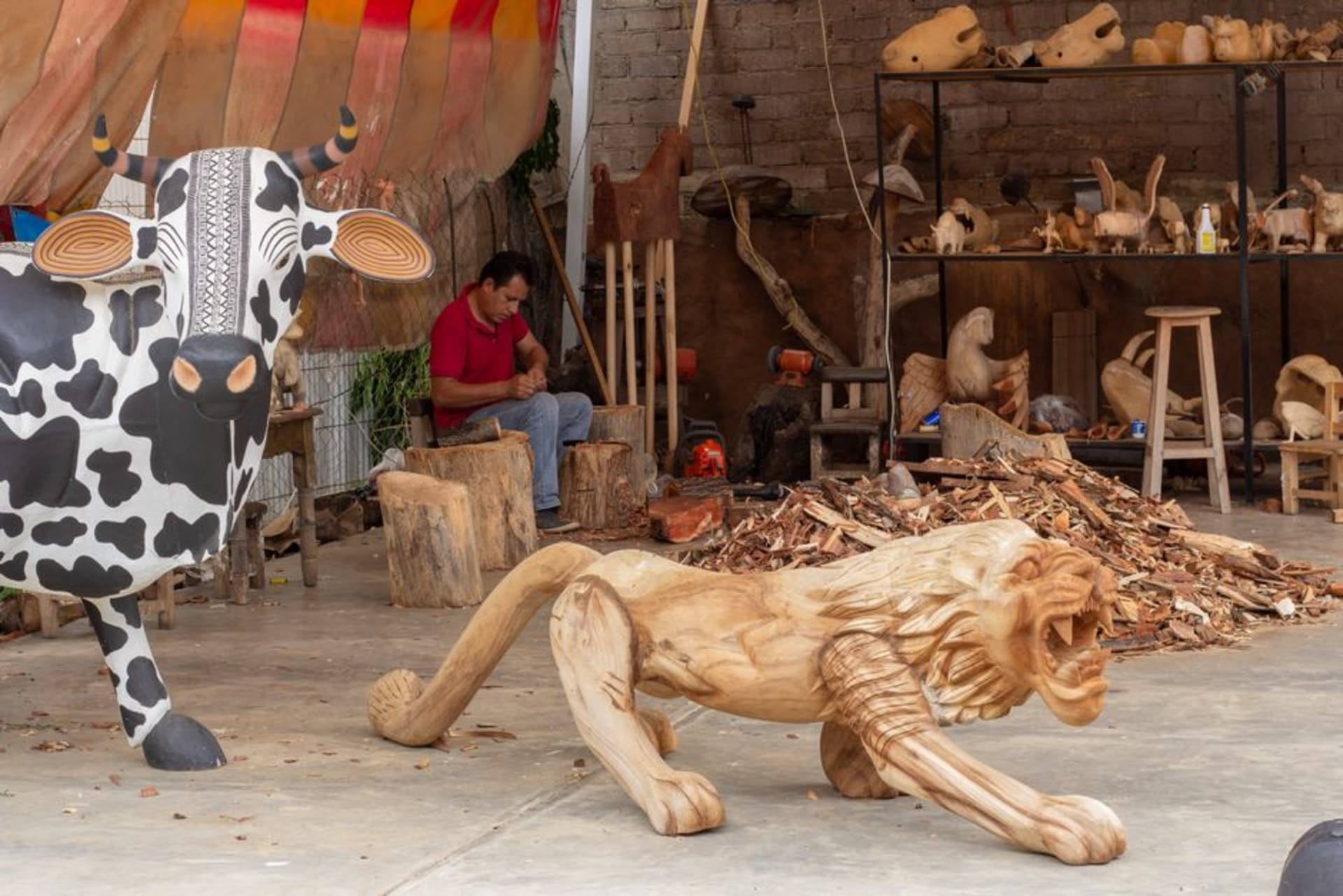
Twenty minutes south of Oaxaca city, San Martín Tilcajete is a village where copal wood becomes something with teeth and wings — alebrije carvers whose work lines gallery walls from Mexico City to New York, though the best pieces rarely leave the family workshop.

I came on a Thursday because someone at a market in Oaxaca told me the workshops were quieter mid-week, the artisans less interrupted, more likely to let you watch. The colectivo dropped me at the crossroads with a handful of other passengers, and within thirty seconds of walking into the village I had already stopped dead on the pavement. Through an open doorway, a man was painting the scales of a serpent onto a wooden figure no larger than my forearm, each scale a different color, each edged with a line so fine it seemed impossible that the brush had more than three hairs in it.
The Workshops
This is a village of carvers. Not some carvers — nearly every household. The raw material is copal, a resinous wood that splits and cracks unpredictably as it dries, which means the artisan has to work with the defects, incorporating knots and grain into the body of whatever creature is emerging. Watching the apprentices at the Jacobo y María Ángeles workshop on the road toward San Antonio, you understand that this is not craft in the souvenir sense. The geometric patterns — dots, chevrons, spirals — painted in natural pigments mixed with mezcal require three weeks of work on a single mid-sized figure. The piece dries, gets another layer, dries again. Time is part of the material. I watched a woman painting the iris of an owl’s eye for fifteen minutes without stopping, without checking her phone, without looking up. There is no shortcut that produces what they produce, and no factory that has figured out how to replicate it, which is one of the few things about the tourist economy here worth being grateful for.

The Village Between the Workshops
San Martín Tilcajete is small enough that you will walk the whole of it in an hour, and quiet enough that the sound of a chisel on copal carries across the street. There is a central plaza with the usual church and the usual plastic chairs, and a small weekend market where you can find tlayudas and tamales de rajas from a woman who has no sign and no name I ever caught. The village runs on mezcal — not as a selling point but as daily fact — and in the late afternoon the smell of copal resin drifts out of open doors and mixes with wood smoke from somebody’s kitchen fire. It is one of those places where the economy and the culture are so completely the same thing that it becomes strange to think of them as separate. The alebrijes are not a product the village happens to make. They are the organizing principle.

How to Actually Spend the Time
Go to workshops, not shops. The distinction matters: shops sell what is made for tourists; workshops sell what is made, full stop, for whoever walks in. Ask to watch if the door is open — the answer is almost always yes. If you are going to buy something, buy the piece you cannot afford rather than the piece that fits the budget, because you will think about it for years otherwise. The Jacobo y María Ángeles atelier is the most famous and worth a visit for the scale alone, but the smaller family operations on the side streets are where you are more likely to find someone mid-process, a half-finished jaguar sitting on a workbench next to someone’s lunch. Take cash. There are no card readers.

Getting There
Colectivos leave for San Martín Tilcajete from the junction near the Mercado de Abastos in Oaxaca city, or from the second-class bus terminal. The ride takes about twenty minutes and costs almost nothing. If you are combining the visit with nearby Ocotlán or Arrazola, a rental car or taxi makes more sense. There is no reason to stay overnight — the village empties out after five.
Keep exploring
More of Oaxaca
Keep exploring
More from Oaxaca
 mexico
 San Bartolo Coyotepec
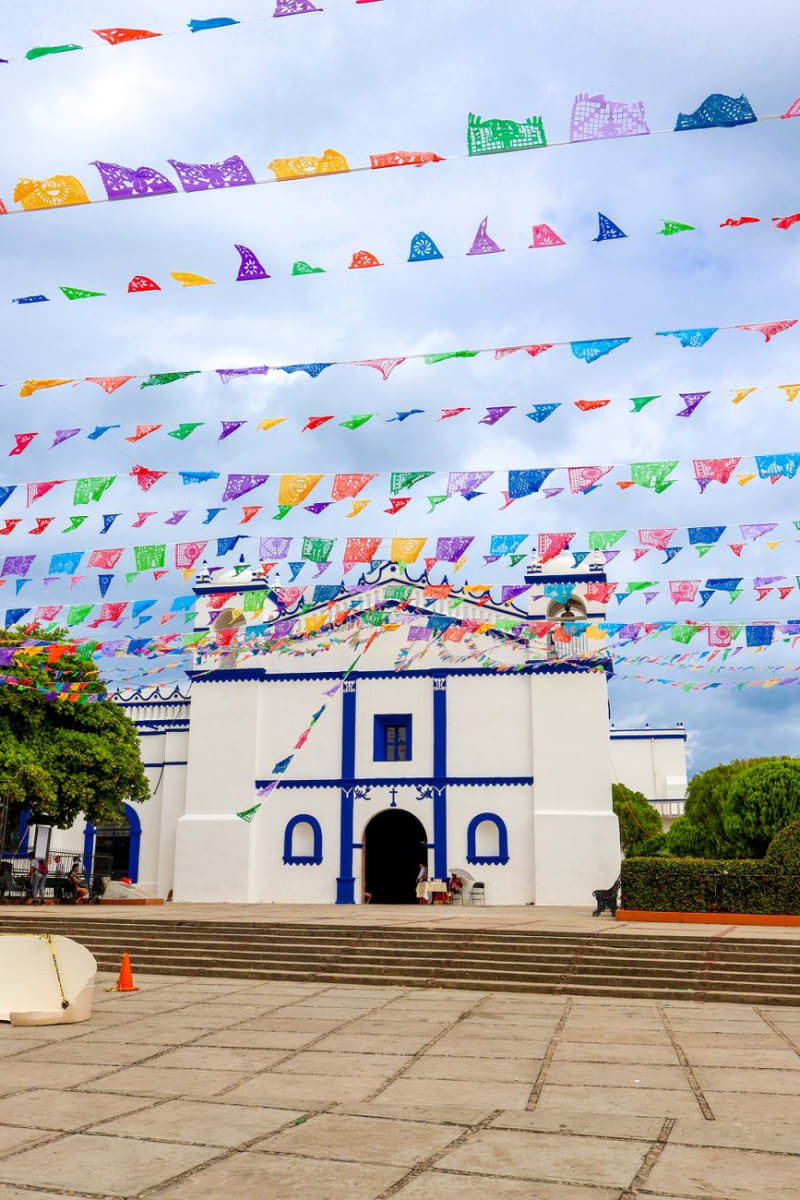
San Bartolo Coyotepec is twelve kilometers south of Oaxaca City and is the home of barro negro — black clay pottery made from a clay specific to this valley, fired in a way that produces a metallic sheen, hand-built without a wheel and polished with a quartz stone. The technique was refined in the 20th century by Doña Rosa Real de Nieto, whose descendants continue in the family workshop. I bought a small vessel for too much money and consider it the most worthwhile thing I have bought in Mexico.
Explore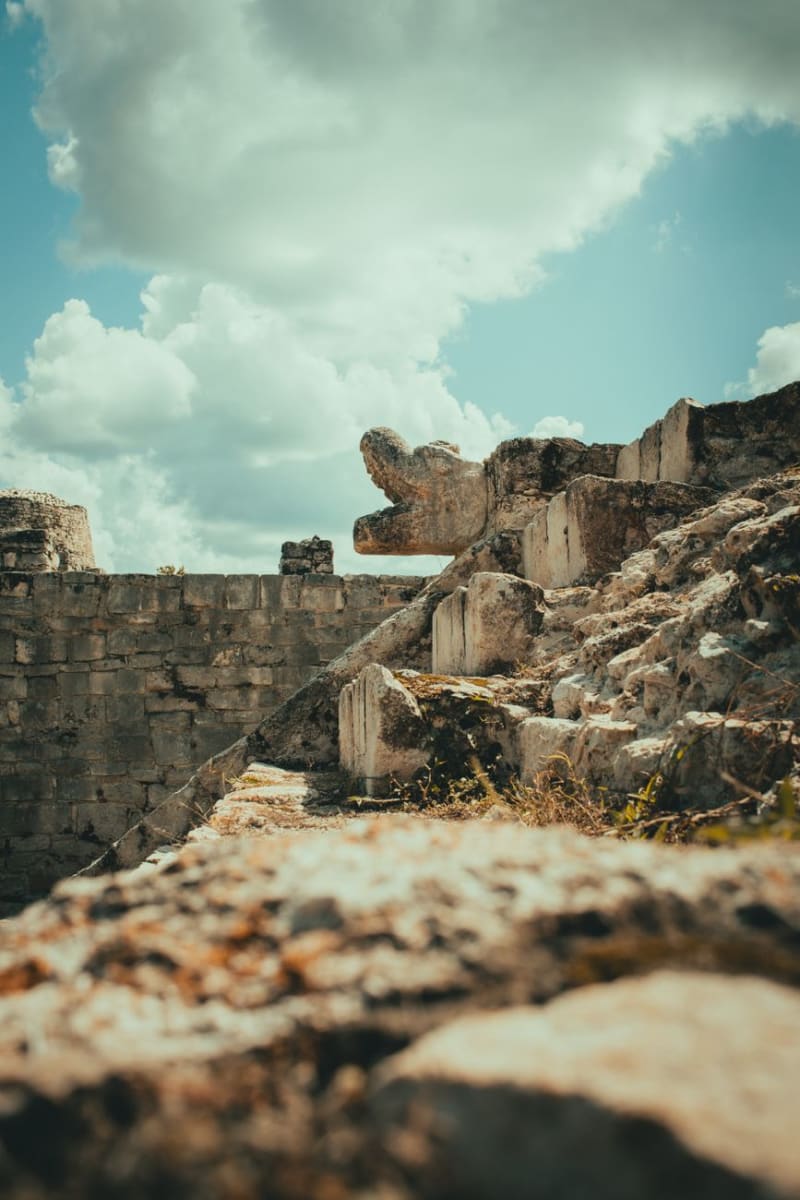 mexico
 Zaachila
Once the last capital of the Zapotec empire, Zaachila is now a Thursday market town thirty minutes from Oaxaca city where two royal tombs carved with owl deities sit quietly beside the church, and the food stalls serve tlayudas the way Oaxacans actually eat them.
Explore mexico
 Ocotlán de Morelos
Ocotlán de Morelos comes alive on Fridays, when the valley market fills with tasajo, black clay pottery, and dried chiles stacked higher than your head. The town is also the home of the Aguilar family, whose ceramic figurines — skeletons in aprons, women mid-dance — have quietly landed in museum collections around the world.
Explore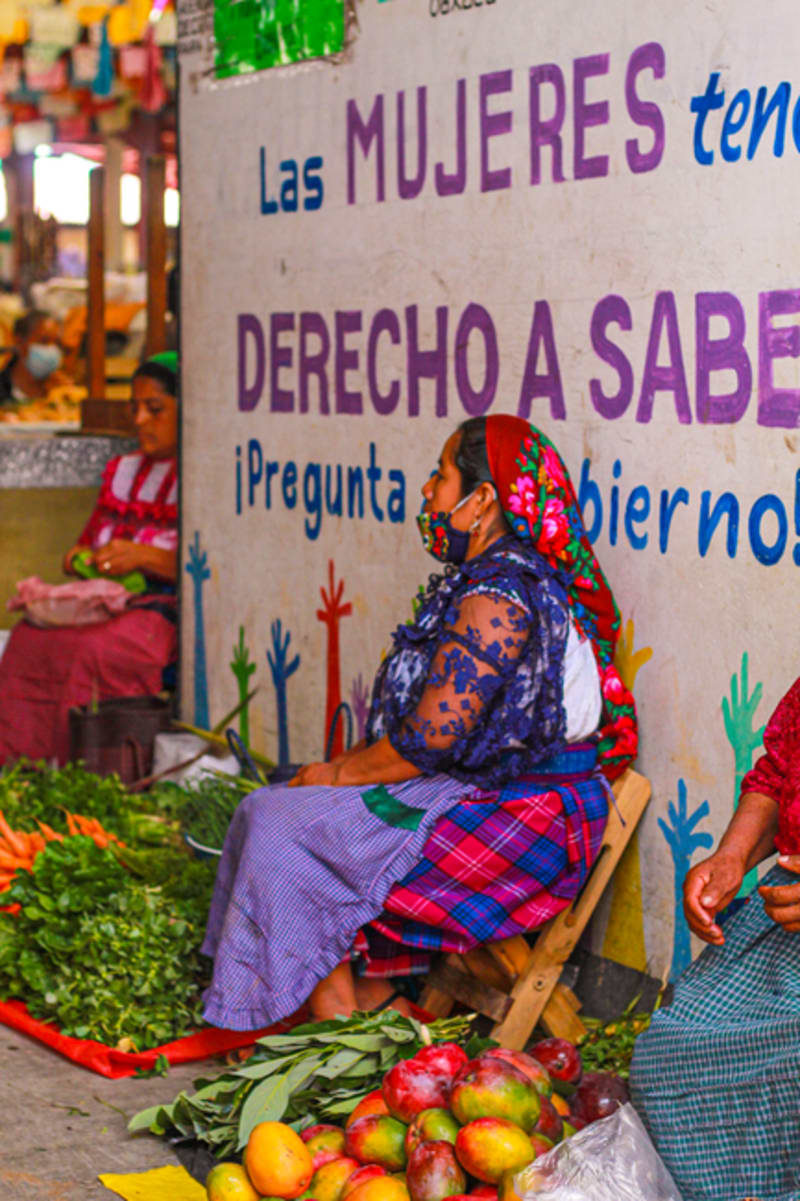 mexico
 Zimatlán de Álvarez
Zimatlán anchors the southern end of the Oaxacan valley with a Wednesday market that draws vendors from the surrounding sierra — handmade baskets, fresh cheese, wild herbs — and almost no one else with a camera. The tlayudas here are eaten standing at the stall, which is exactly the right way.
Explore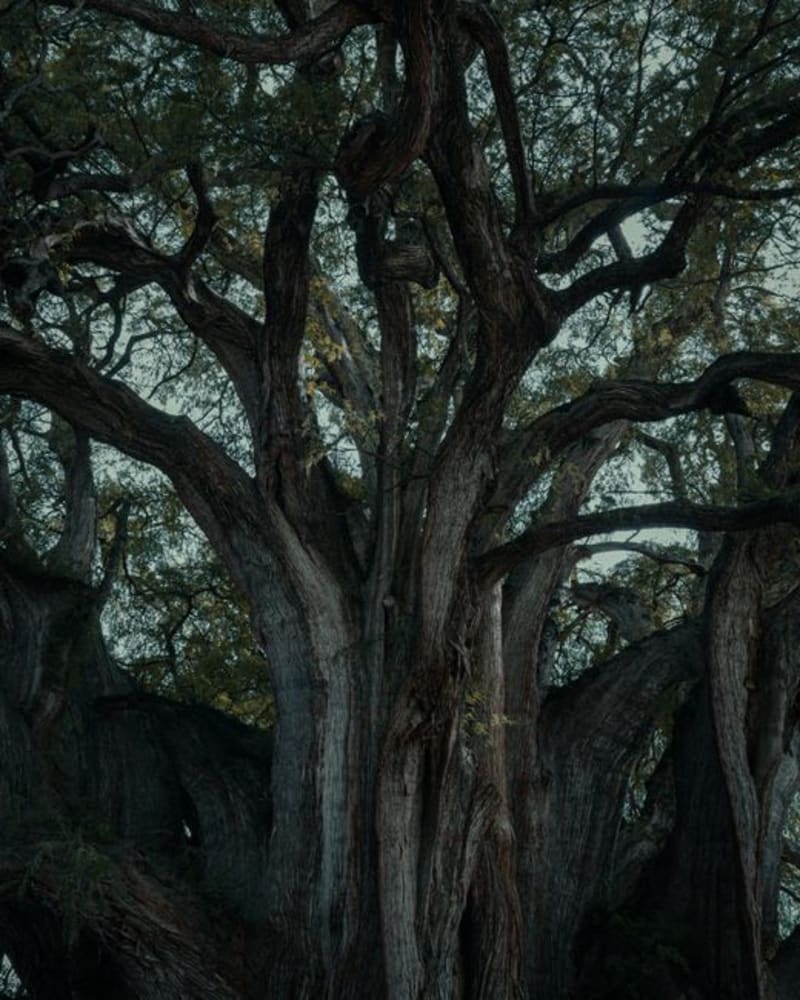 mexico
 Santa María del Tule
Nine kilometers from Oaxaca City on the road to Mitla, Santa María del Tule exists almost entirely around a single tree — a Montezuma cypress over 2,000 years old with the widest trunk on earth. The village has a church, vendors selling tejate and chapulines in the atrium, and a teenager who will walk you through the animal shapes in the bark for a few pesos. I went around the tree twice and still wasn't sure I'd processed it.
Explore mexico
 Yagul
Yagul is a Zapotec and Mixtec archaeological site in the Tlacolula Valley 36 kilometers east of Oaxaca City, on a cactus-covered hillside with the largest known pre-Columbian ballcourt in Oaxaca and a hilltop fortress with views of the entire valley. It receives perhaps one-tenth the visitors of Monte Albán, and in the late afternoon, when the light goes horizontal and the valley floor turns gold, it is one of the places in Mexico where I have felt most clearly why a specific hill was chosen.
Explore