Zaachila
"I spent two hours at those tombs and saw maybe five other people — that would be impossible anywhere closer to the city."
Once the last capital of the Zapotec empire, Zaachila is now a Thursday market town thirty minutes from Oaxaca city where two royal tombs carved with owl deities sit quietly beside the church, and the food stalls serve tlayudas the way Oaxacans actually eat them.

I went on a Thursday, which turned out to be the only day that makes sense. A colectivo from the second-class terminal in Oaxaca dropped me at the main square just after nine in the morning, and the market was already in full swing — vendors lining every street radiating outward from the church, the smell of chile negro and toasted maize in the air before I had even figured out which direction to walk. I had no particular plan. Zaachila rewards wandering more than itineraries, and it punishes arriving with expectations borrowed from somewhere else.
The Tombs Beneath the Hill
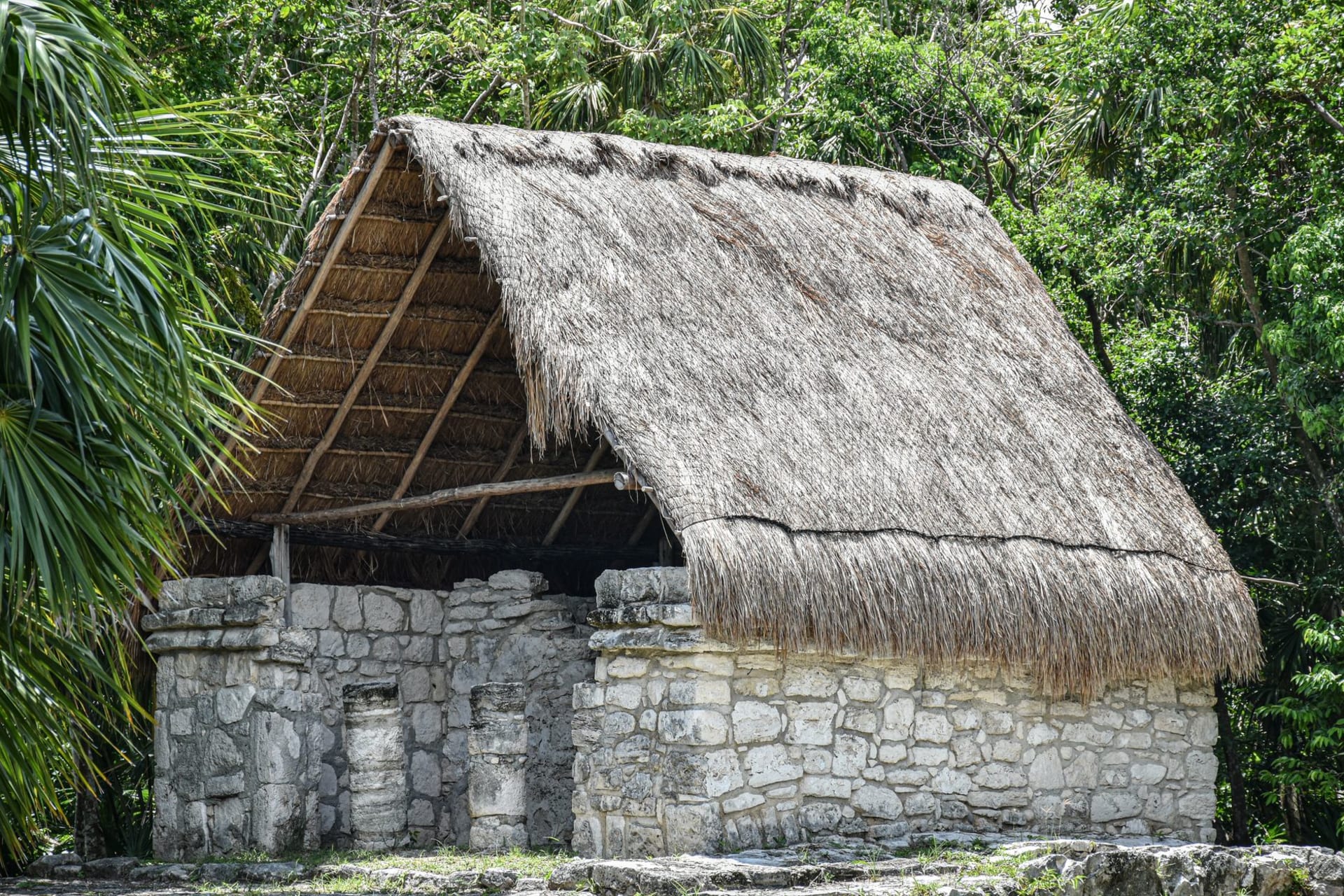
The archaeological zone entrance is almost hidden — a low gate beside the churchyard, easy to walk past if you are not looking. But through it, climbing a short grassy mound, you reach two royal Zapotec tombs that stopped me cold. Tomb 1 is the one to linger in: the carved stone figures flanking the entrance include an owl deity rendered with a precision and weight that I had not expected. The interior, lit by a single bare bulb, is decorated with stone mosaics and stucco reliefs — a turtle, a death god, geometric bands — all intact in a way that feels almost implausible given how little protective infrastructure surrounds them. At one point I stood still and let the flashlight rest, and the complete absence of light in a space carved by hand a thousand years ago for a purpose involving the dead produced a quality of attention I was not prepared for.
I spent close to two hours across both tombs and counted maybe five other visitors the entire time. At Monte Albán on the same afternoon, a tour bus was unloading every fifteen minutes. The intimacy here is not incidental — it is the whole point.

The Thursday Market
Outside the archaeological zone, the market takes over the town completely. This is not a crafts-and-textiles market aimed at visitors from the city — it is a regional food and goods market where people from surrounding valley communities come to buy and sell. The food section, tucked under a corrugated roof near the church, is where I ate. A woman at a comal the size of a table was turning out tlayudas one after another: the large, crisped tortilla spread with black bean paste and asiento, then layered with quesillo pulled by hand and whatever protein the person in front of her had ordered. I had mine with tasajo — the dried, salted beef that Oaxaca does better than anywhere. It came with a small bowl of salsa negra so smoky it tasted like the comal itself. No menu, no price list. You watch, you point, you pay what seems fair, and it always is.
The chapulines are cheaper here than anywhere in the city, and the produce stalls carry chiles and vegetables grown in the southern valley irrigation zone that I cannot find at the Benito Juárez market in Oaxaca.

Around the Plaza
After eating, the pace slows. The main square has benches under old trees, and the Parroquia de Santiago Apóstol has the kind of worn colonial facade that nobody photographs because it is not dramatic, just present. I ordered a tejate from a vendor near the entrance — the pre-Hispanic drink made from maize and cacao ground on a stone metate, served cold and slightly frothy. It is an acquired taste that I have now fully acquired. I sat with it on a bench for twenty minutes and watched the market wind down by degrees, which is the best thing to do in a Oaxacan market town on a Thursday at noon.

Getting There
Colectivos to Zaachila leave from the second-class bus terminal in Oaxaca city throughout the morning — look for vehicles marked Zaachila or ask at the colectivo bays near the terminal entrance. The ride takes around thirty minutes and costs next to nothing. Go on a Thursday if you possibly can; the market runs from early morning through early afternoon and most food stalls are gone by one o’clock.
Keep exploring
More of Oaxaca
Keep exploring
More from Oaxaca
 mexico
 San Bartolo Coyotepec
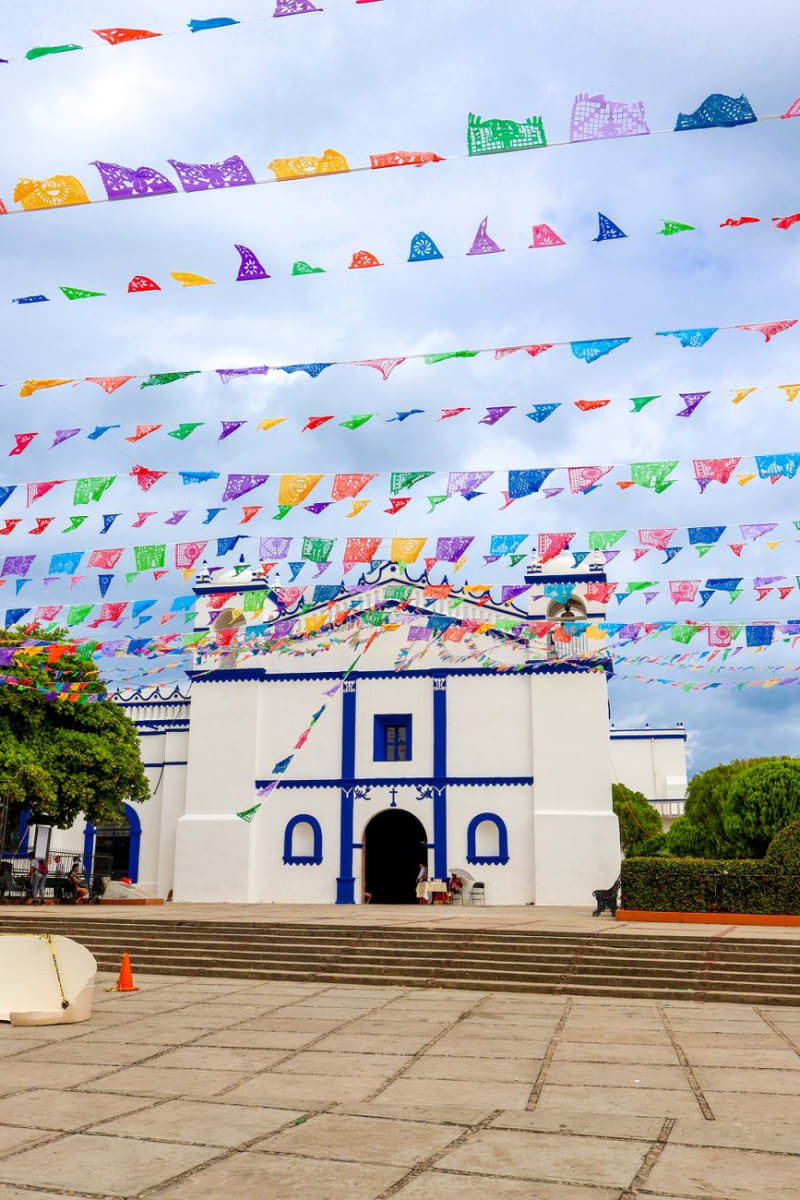
San Bartolo Coyotepec is twelve kilometers south of Oaxaca City and is the home of barro negro — black clay pottery made from a clay specific to this valley, fired in a way that produces a metallic sheen, hand-built without a wheel and polished with a quartz stone. The technique was refined in the 20th century by Doña Rosa Real de Nieto, whose descendants continue in the family workshop. I bought a small vessel for too much money and consider it the most worthwhile thing I have bought in Mexico.
Explore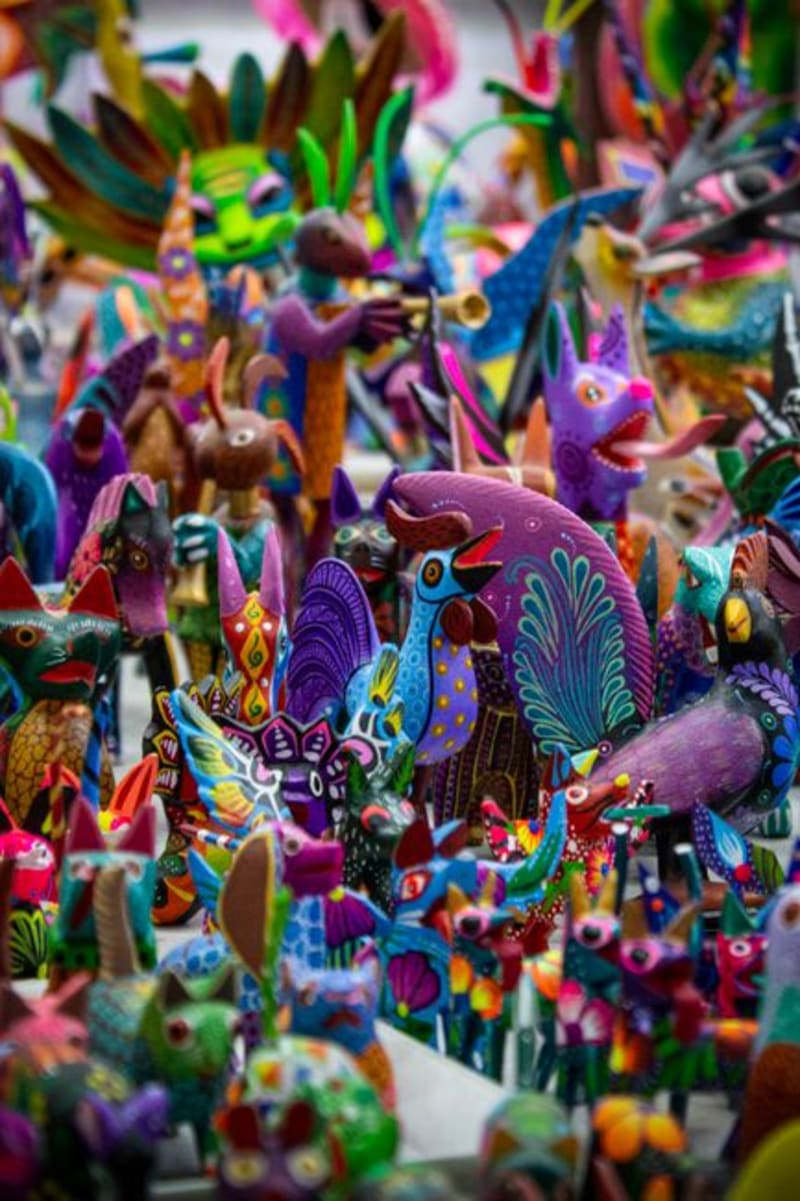 mexico
 San Martín Tilcajete
Twenty minutes south of Oaxaca city, San Martín Tilcajete is a village where copal wood becomes something with teeth and wings — alebrije carvers whose work lines gallery walls from Mexico City to New York, though the best pieces rarely leave the family workshop.
Explore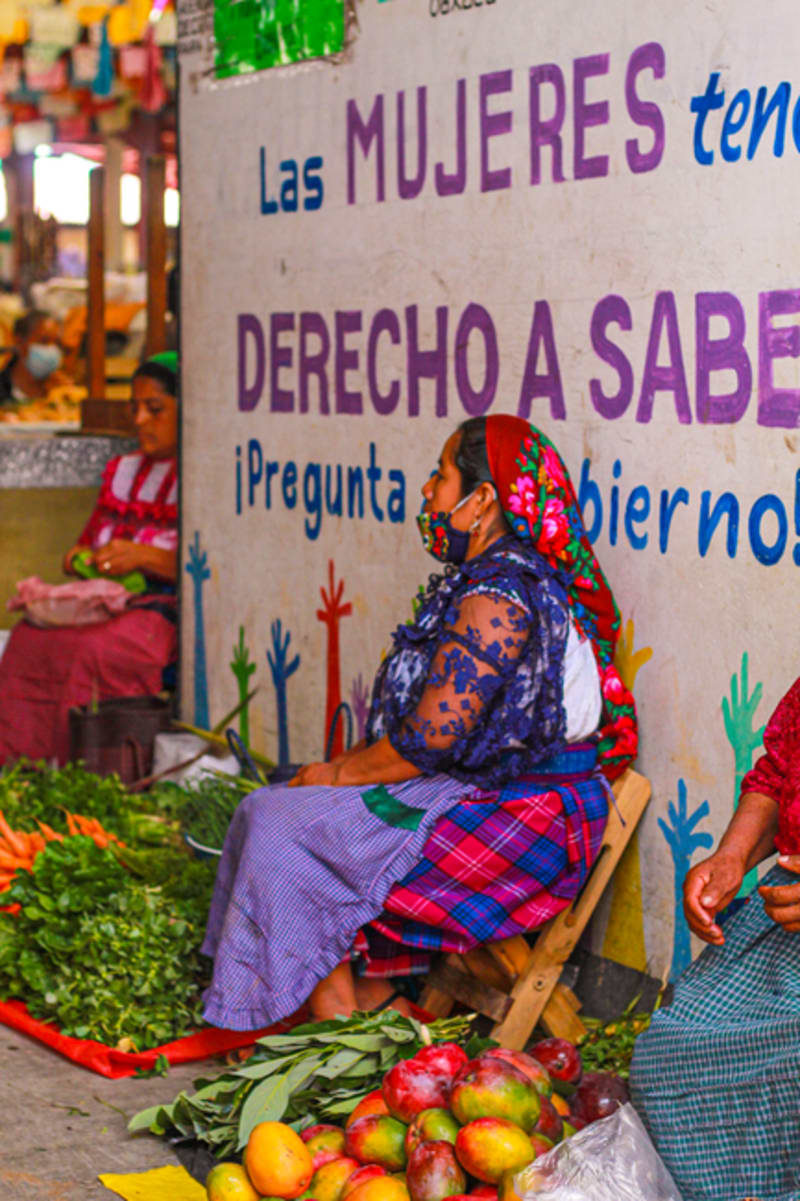 mexico
 Zimatlán de Álvarez
Zimatlán anchors the southern end of the Oaxacan valley with a Wednesday market that draws vendors from the surrounding sierra — handmade baskets, fresh cheese, wild herbs — and almost no one else with a camera. The tlayudas here are eaten standing at the stall, which is exactly the right way.
Explore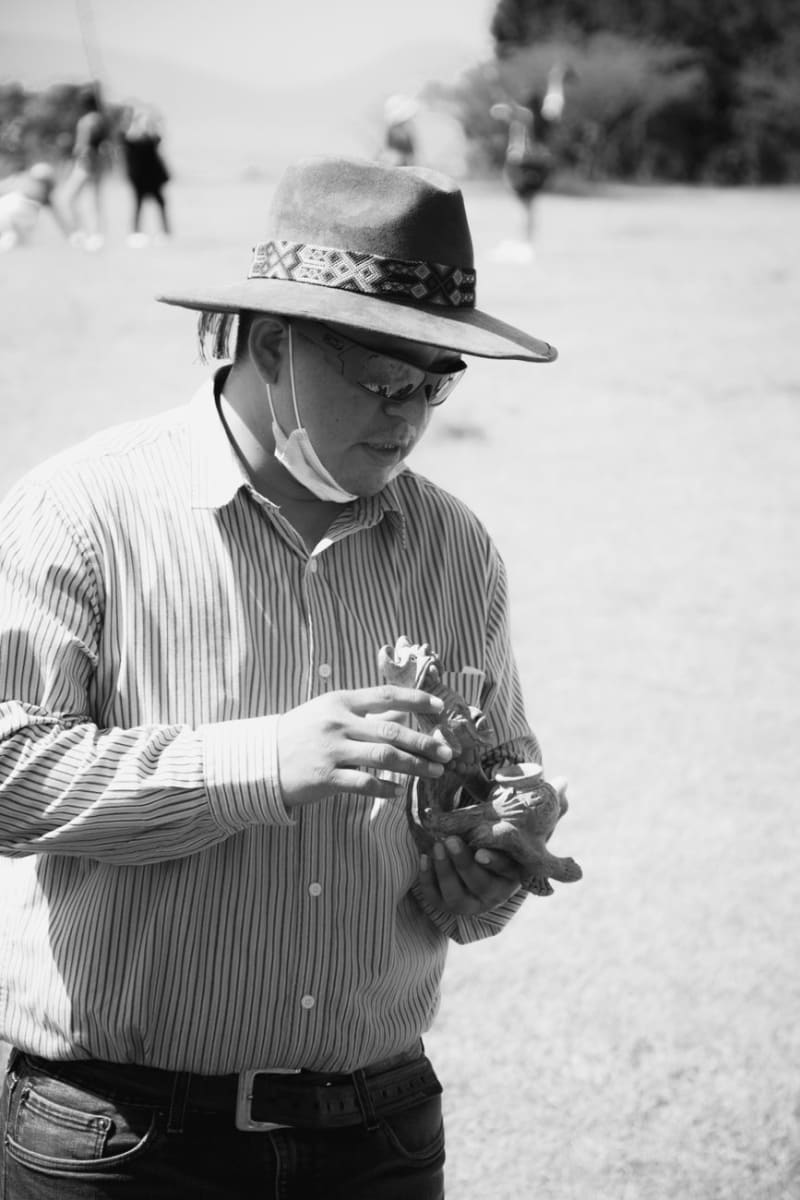 mexico
 Monte Albán
Monte Albán is the mountaintop that the Zapotecs flattened and built on for over a thousand years — a Grand Plaza 300 meters long, temples, a ballcourt, an astronomically aligned observatory, and carved stone slabs depicting captured rulers in positions that make Versailles look restrained. Nine kilometers from Oaxaca City, arrive when it opens or give the site to the tour buses.
Explore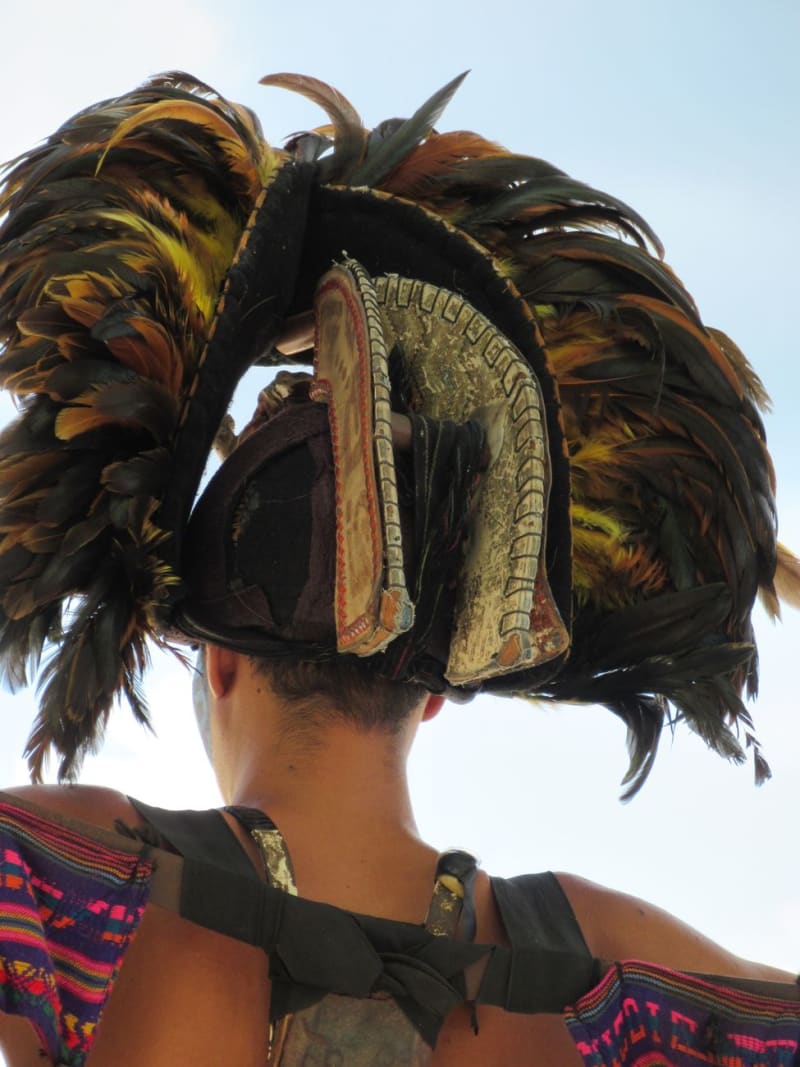 mexico
 Yagul
Yagul is a Zapotec and Mixtec archaeological site in the Tlacolula Valley 36 kilometers east of Oaxaca City, on a cactus-covered hillside with the largest known pre-Columbian ballcourt in Oaxaca and a hilltop fortress with views of the entire valley. It receives perhaps one-tenth the visitors of Monte Albán, and in the late afternoon, when the light goes horizontal and the valley floor turns gold, it is one of the places in Mexico where I have felt most clearly why a specific hill was chosen.
Explore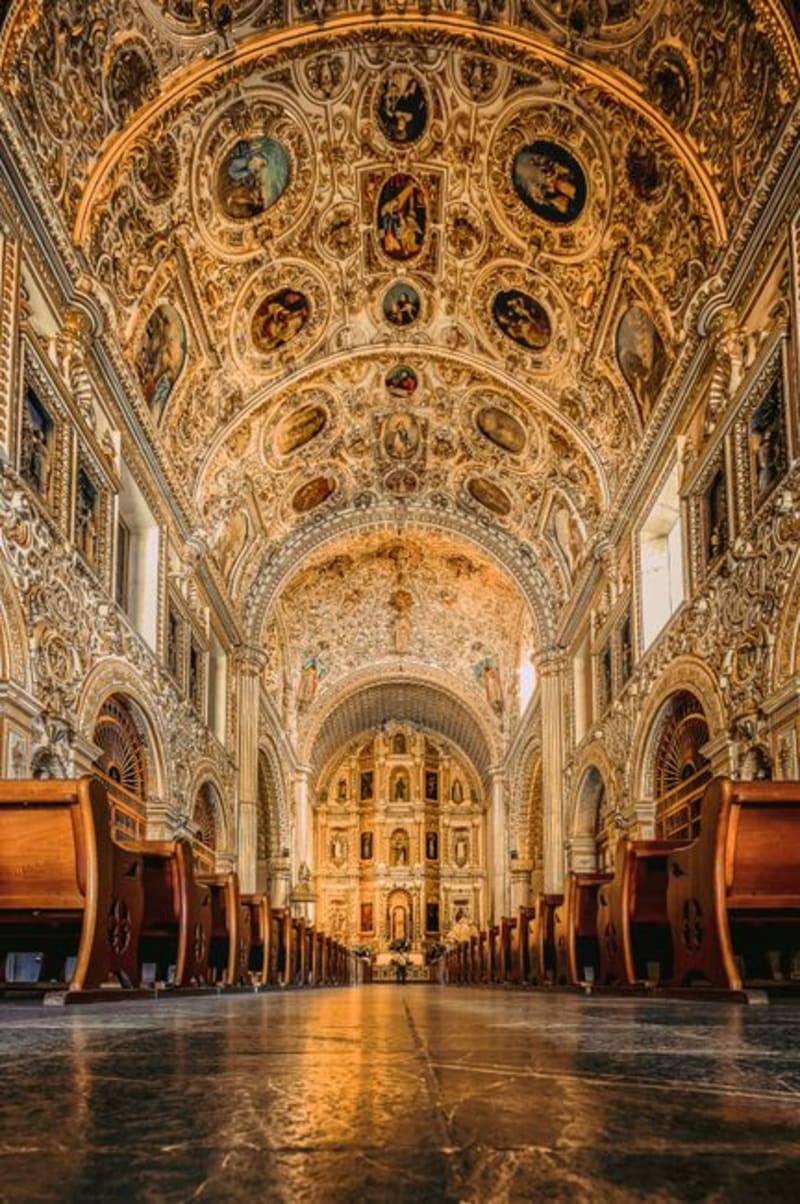 mexico
 Oaxaca City
The colonial capital of Oaxaca state, where mole negro is a civic religion, mezcal is poured from unlabeled bottles at market stalls, and the Santo Domingo church glows gold at dusk in a way that still catches me off guard after a dozen visits. Seven hours from the coast — a commitment I keep making anyway.
Explore