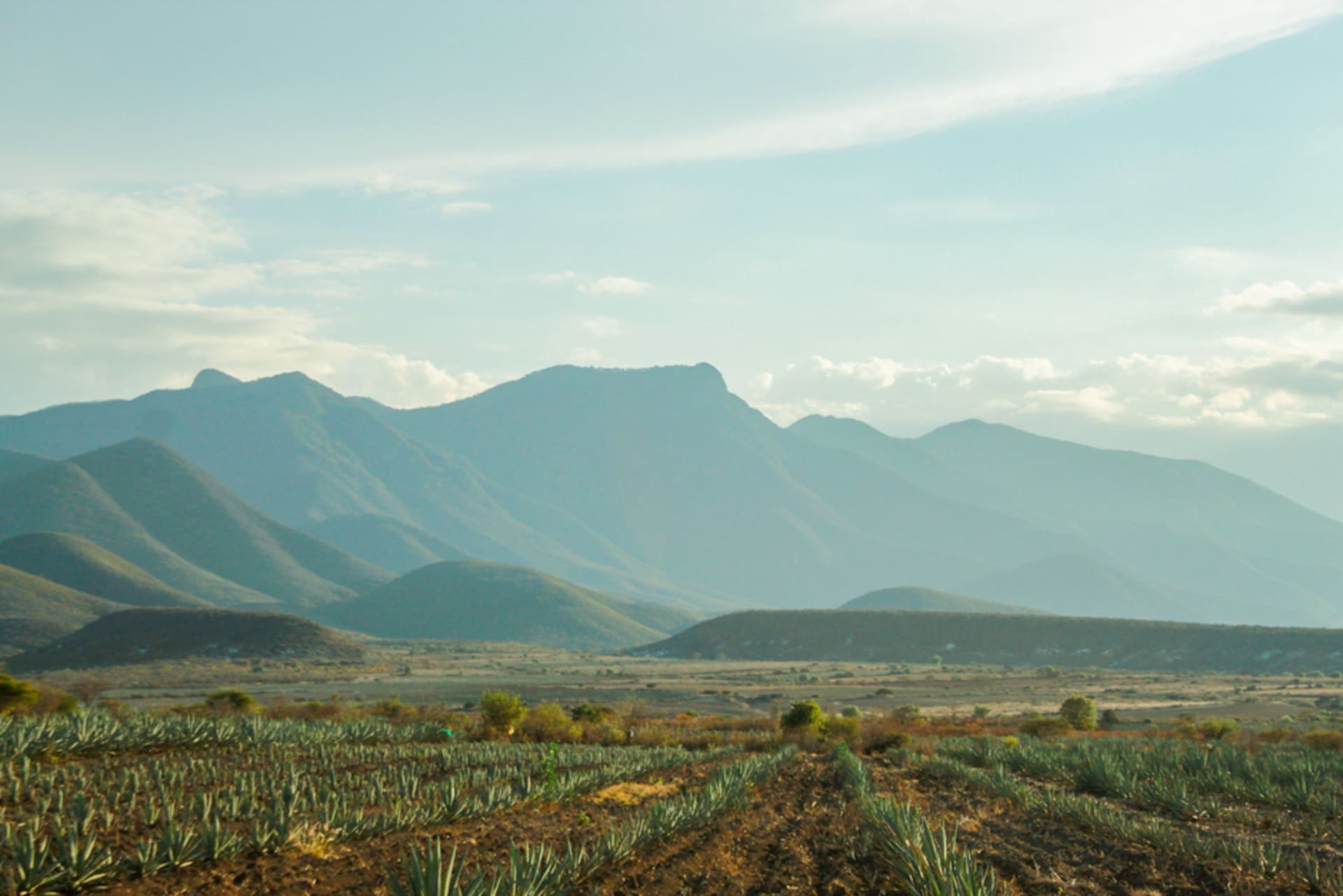
Miahuatlán de Porfirio Díaz
"The palenquero handed me a clay cup of something smoky and vegetal that I could not identify — turned out to be tepeztate, an agave that takes 25 years to mature."
Deep in the sierra south of Oaxaca City, Miahuatlán sits at the center of a mezcal-producing valley where agave fields climb every hillside and family palenques operate on schedules set by nobody but themselves. The Sunday tianguis pulls Chatino and Zapotec vendors in from surrounding villages, and the local mezcal costs less than a coffee back home.

I came to Miahuatlán on a Thursday because someone in Oaxaca City told me to come on Sunday for the market. I stayed four days. The town is small enough that by the second morning the woman running the comedor on Calle Independencia already had my coffee ready before I sat down — black, with a piece of pan de yema balanced on the saucer. Outside, the valley opened in every direction, agave plants dotting the slopes in that particular blue-green that means mezcal is coming, eventually, in ten or twenty or twenty-five years.
The Palenques
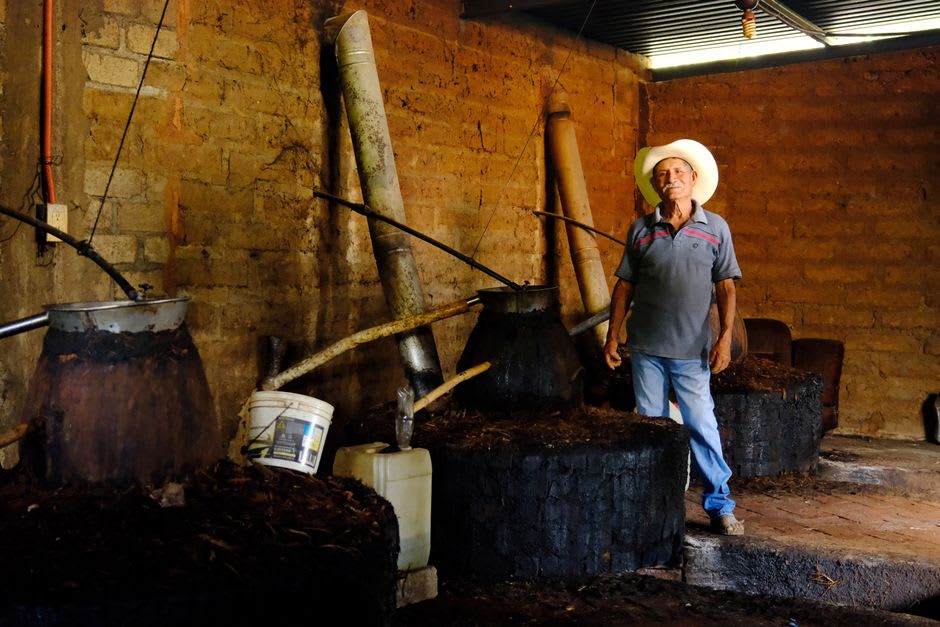
The distilleries here are not tourist operations. A few will let you walk in if you show up with basic Spanish and genuine curiosity, but there is no tasting menu, no gift shop, no printed brochure. Don Aurelio’s place is about two kilometers from the center down a dirt road I would not want to drive in the rainy season. His son does most of the roasting now, but Don Aurelio still manages the tahona — the stone wheel pulled by a horse that crushes the cooked agave before fermentation. He poured me tepeztate from an unmarked plastic bottle into a clay copita, and I held it for a moment before drinking. Smoky, yes, but also something green and mineral underneath. Tepeztate takes 25 years to reach maturity. A full working life. I thought about that on the walk back to town.
The Sunday Tianguis
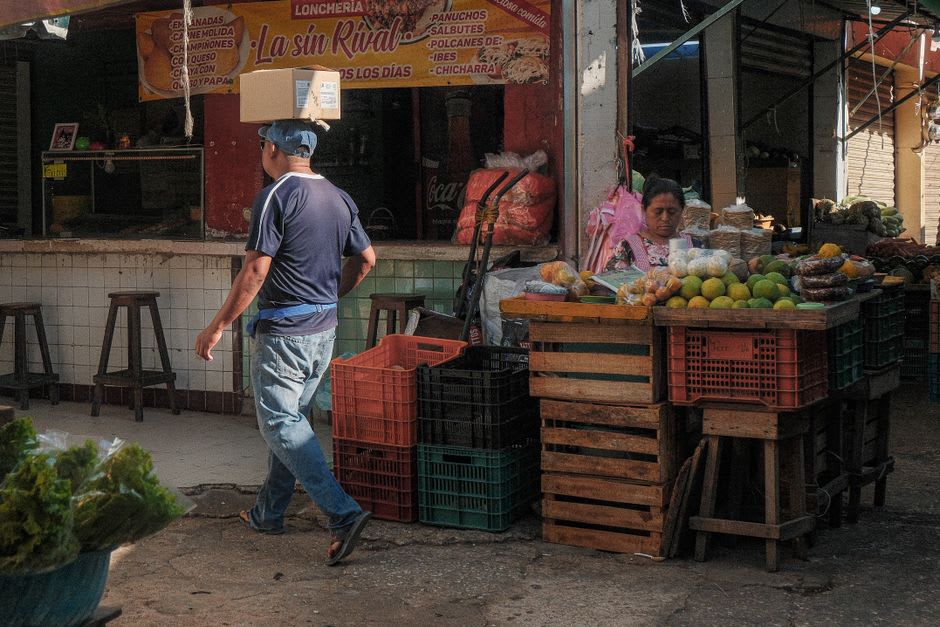
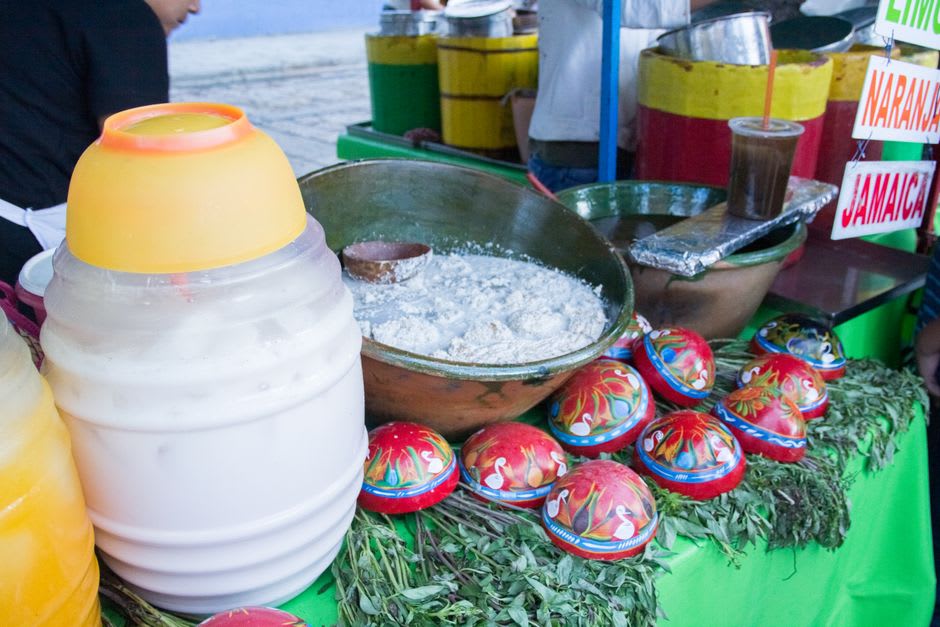
The thing nobody tells you about the Miahuatlán tianguis is that it starts before dawn. By the time the sun clears the sierra, the stalls along the Mercado Flores Magón and spilling down the surrounding streets are already at full volume — Chatino women selling dried chiles de agua and amaranth, Zapotec vendors with piles of tlayudas stacked like plates, and one man who had driven in from some village I’d never heard of with nothing but three varieties of dried grasshoppers in different chile preparations. I ate a breakfast of estofado with rice and black beans for forty pesos at a folding table, sitting next to a farmer who was there to sell two goats and ended up buying a radio. The market has the chaotic, specific energy of a place that exists entirely for the people who live around it. There is exactly one stall aimed at tourists, and it was not doing well.
The Pace of the Place
Miahuatlán rewards the kind of travel where you do not have an itinerary. Afternoons get quiet after two, the streets clear, and the light on the zócalo goes golden around five. I spent one afternoon doing nothing in particular — a slow walk up toward the edge of town where the agave fields begin, a beer at a tienda with plastic chairs out front, a long look at the sierra going purple in the dusk. It was, by objective measure, uneventful. It was also the afternoon I remember most clearly.
Getting There
Miahuatlán is roughly 100 kilometers south of Oaxaca City on Highway 175. Colectivos leave from the second-class bus terminal in Oaxaca throughout the morning and take about two hours depending on stops — the cost is around 80 pesos. There are a handful of small hospedajes in town; book ahead if you are arriving for the Sunday tianguis.
Keep exploring
More of Oaxaca
Keep exploring
More from Oaxaca
 mexico
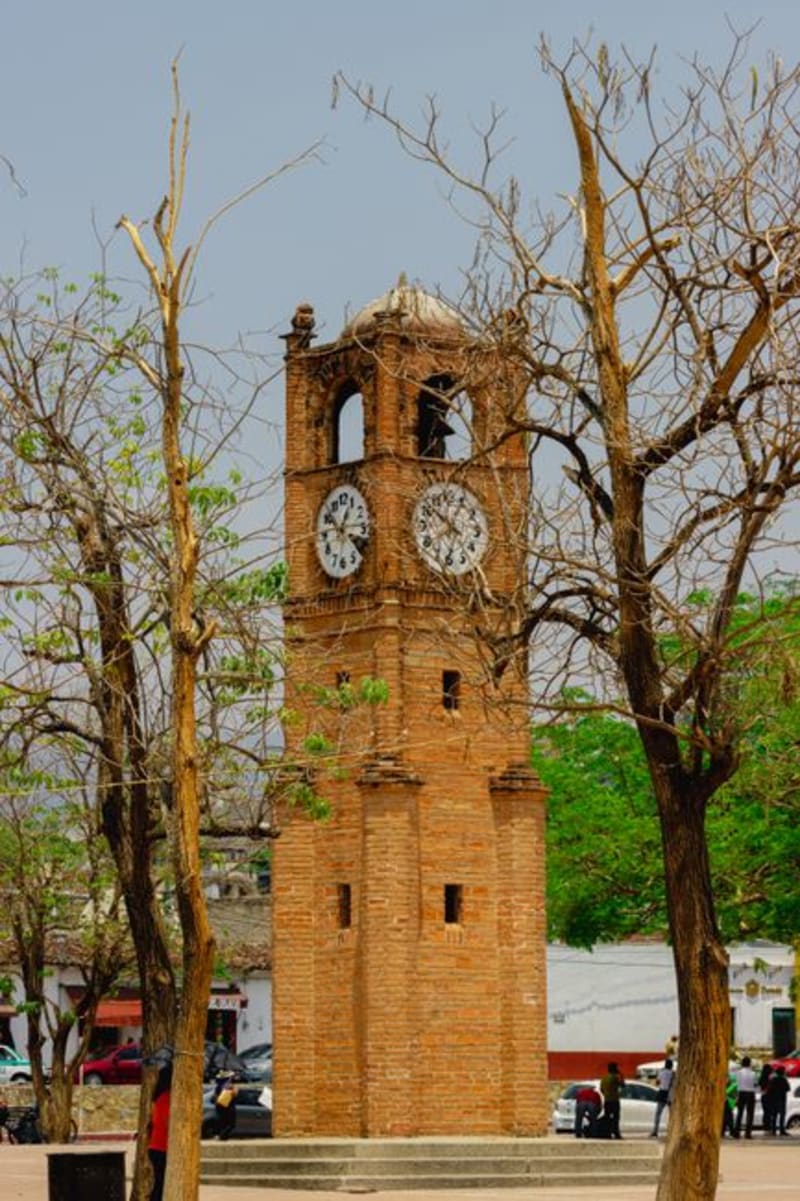
Miahuatlán de Porfirio Díaz
A sierra market town in the pine-oak highlands south of Oaxaca, where Zapotec villages pour into the Monday tianguis and mezcal palenques dot the back roads. Few foreigners ever make the detour off the Puerto Escondido highway.
Explore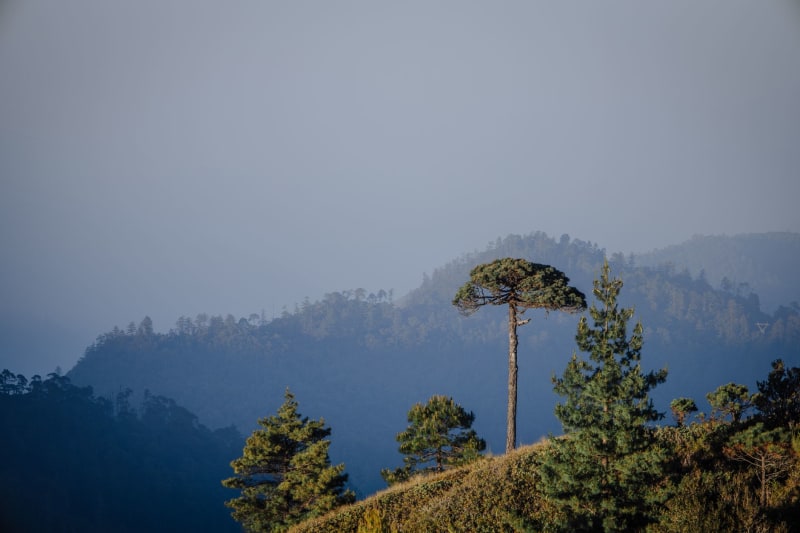 mexico
San José del Pacífico
A cloud forest village on the mountain road between Oaxaca and the coast where the psilocybin mushrooms grow wild in the pine forest, the fog rolls in at three in the afternoon, and the journey down to the sea takes you through five ecological zones in two hours.
Explore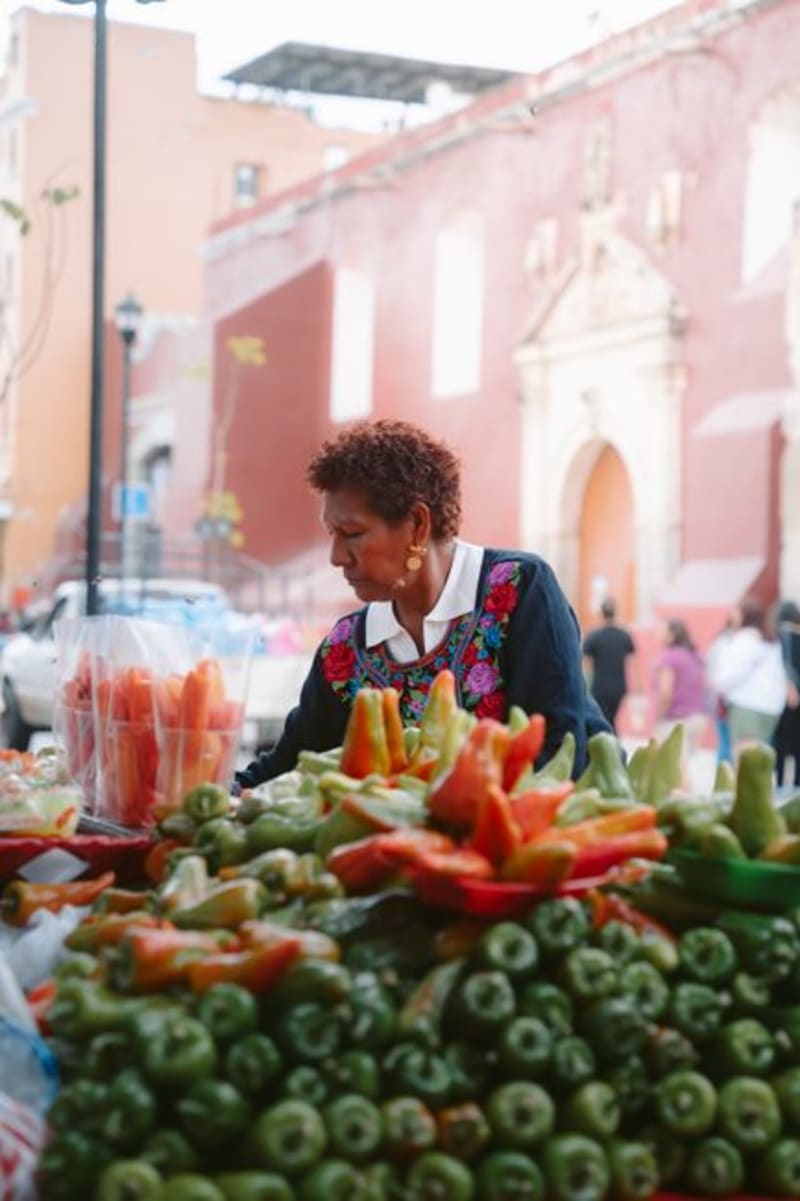 mexico
Ejutla de Crespo
Ejutla de Crespo is a small Zapotec market town seventy kilometers south of Oaxaca City that most visitors pass without stopping. Its Friday tianguis draws vendors from a dozen sierra communities, trading mezcal, textiles, and produce at prices that reflect what things actually cost. Nobody here is performing for tourists — they are simply trading, and that distinction matters.
Explore mexico
Ocotlán de Morelos
Ocotlán de Morelos comes alive on Fridays, when the valley market fills with tasajo, black clay pottery, and dried chiles stacked higher than your head. The town is also the home of the Aguilar family, whose ceramic figurines — skeletons in aprons, women mid-dance — have quietly landed in museum collections around the world.
Explore mexico
San Martín Tilcajete
Twenty minutes south of Oaxaca city, San Martín Tilcajete is a village where copal wood becomes something with teeth and wings — alebrije carvers whose work lines gallery walls from Mexico City to New York, though the best pieces rarely leave the family workshop.
Explore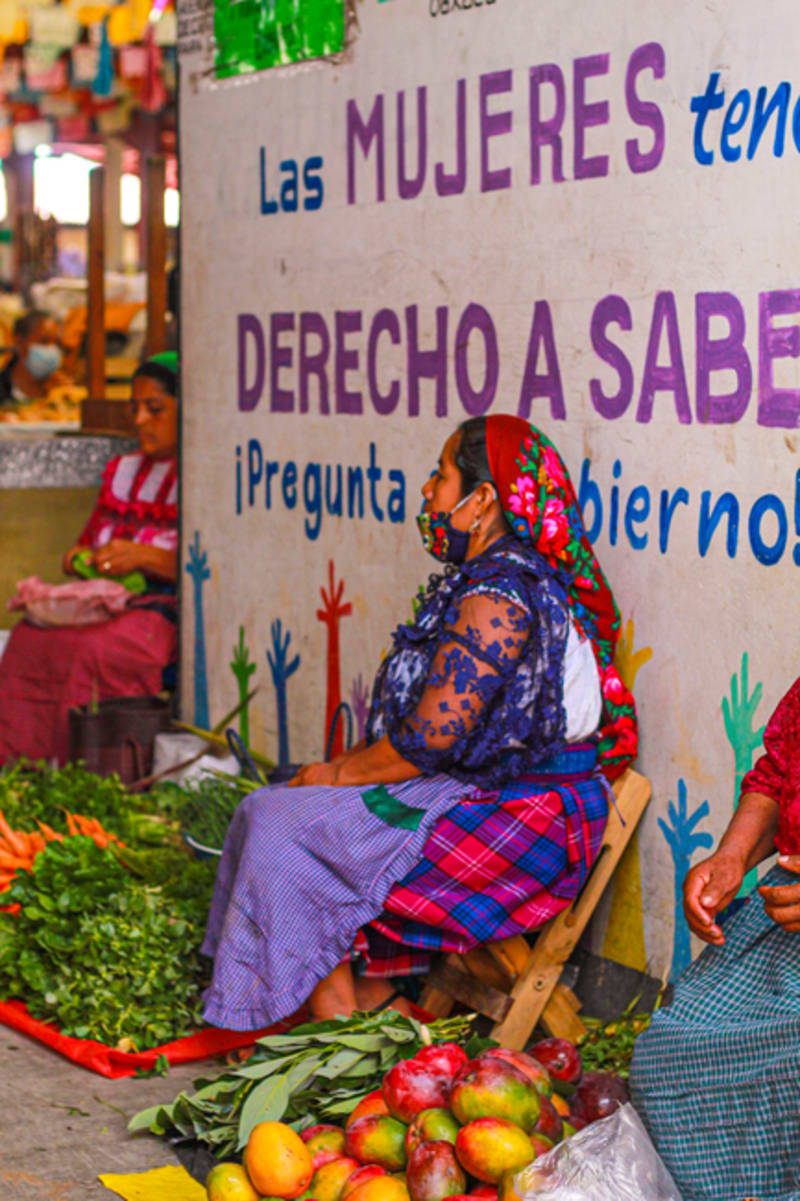 mexico
Zimatlán de Álvarez
Zimatlán anchors the southern end of the Oaxacan valley with a Wednesday market that draws vendors from the surrounding sierra — handmade baskets, fresh cheese, wild herbs — and almost no one else with a camera. The tlayudas here are eaten standing at the stall, which is exactly the right way.
Explore