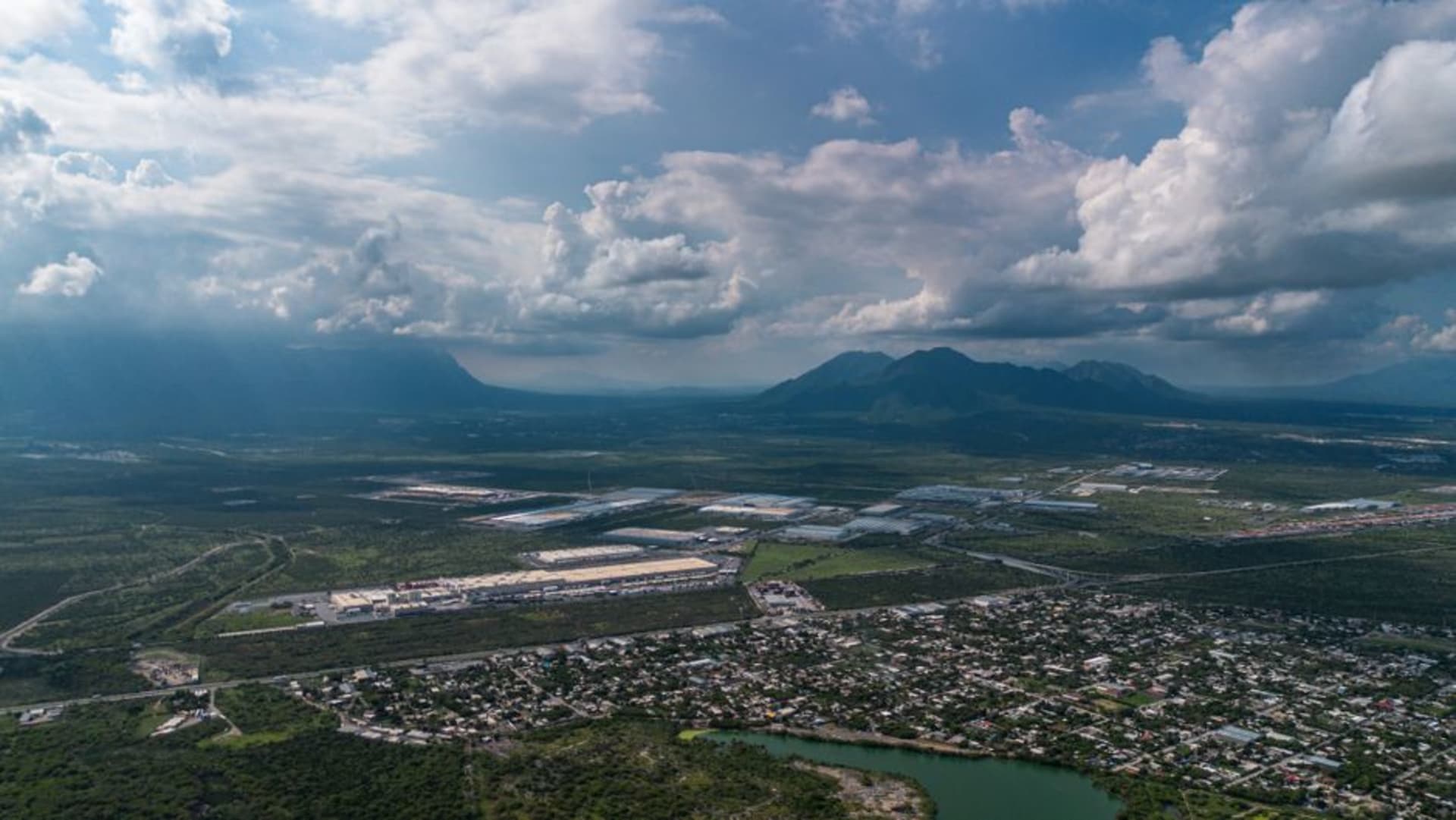
Allende, Nuevo León
"Monterrey is forty minutes away and this might as well be another century. The carnitas were some of the best I have eaten in the north."
A colonial town south of Monterrey where the Río Ramos cuts through limestone hills and the weekend market draws regiomontanos back to something slower. The old centro has the unhurried quality of a place that became charming without trying.

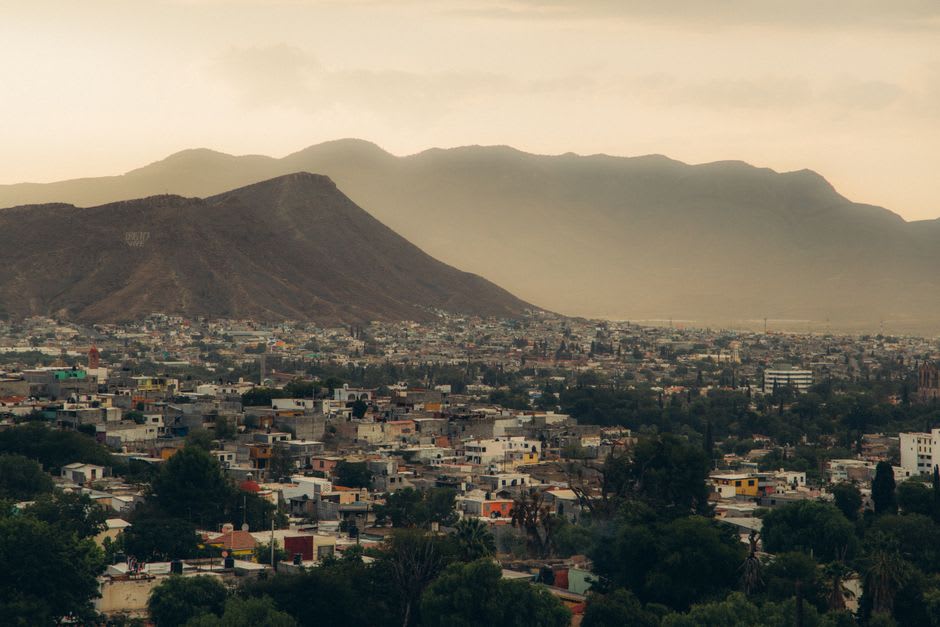
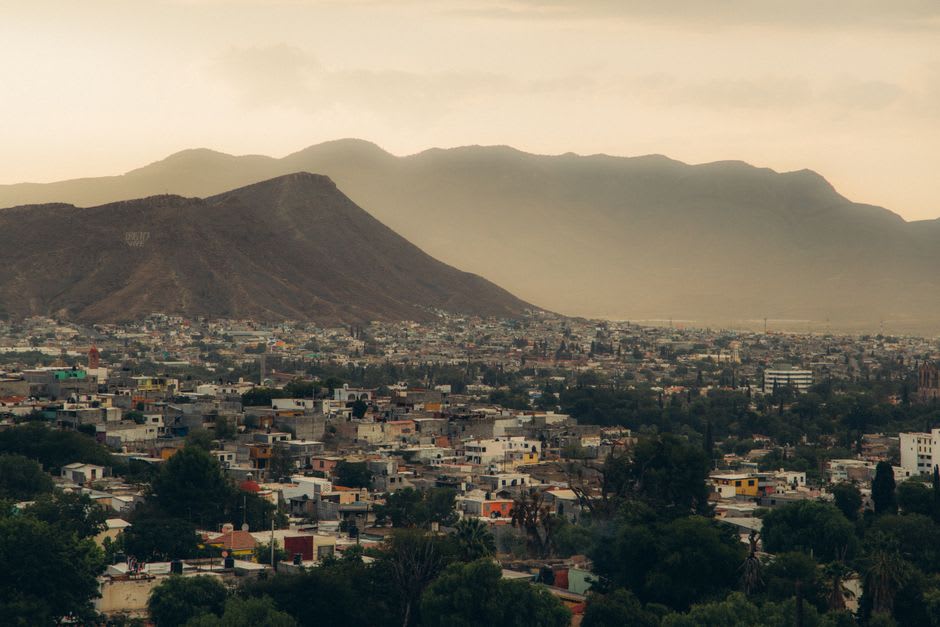
I came on a Saturday because a friend in Monterrey told me the market was worth the drive, and I ended up staying until the light went flat over the hills. Allende sits where the Río Ramos has spent a few thousand years carving through limestone, and there is something about the scale of the place — the low buildings, the plaza you can cross in a minute, the smell of wood smoke before nine in the morning — that makes the city feel very far away, even though it isn’t.
The River and the Hills
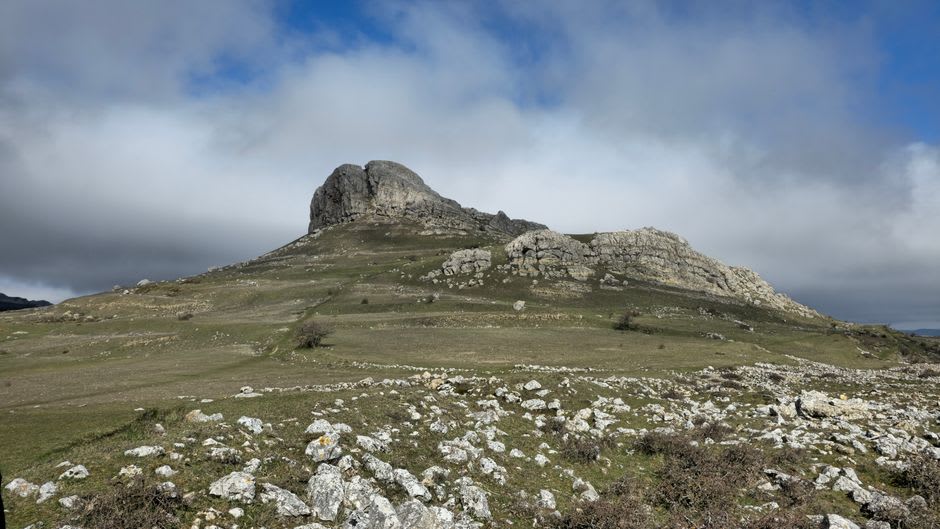
The Río Ramos is the reason people come and, more importantly, the reason they stay longer than planned. Follow Calle Hidalgo down from the plaza toward the water and you hit a stretch of bank shaded by sabino trees where families set out folding chairs before noon on weekends. The canyon walls above town are modest by Sierra Madre standards but the light on the limestone in the late afternoon turns everything the color of old honey. I walked the trail that climbs above the south bank for about forty minutes and had the whole hillside to myself. Below me, the river bent around a sandbar where a couple of kids were throwing rocks at nothing in particular. The trail is unmarked and the footing is loose in places — wear something with grip and don’t expect signage. The reward at the top is a view that explains, without any ambiguity, why people from Monterrey spend Saturday mornings in traffic to get here.
The Market and the Carnitas
The weekend tianguis sets up along the streets north of the Parroquia de San Juan Bautista from around seven until early afternoon. It is not a tourist market — it sells vegetables, hardware, used clothing, and regional food in roughly equal proportion. I found a woman grilling cabrito al pastor near the corner of Morelos who had been at the same spot, her daughter told me, for over twenty years. But the thing I kept returning to was a carnitas stand on the far east end of the market row: pork cooked in copper with enough lard and orange peel that each taco had a faint sweetness underneath the salt. I ate three with nothing but salsa verde and onion. The man running the stand said he sourced his pigs from a farm about twelve kilometers out. I believed him.
The Plaza and the Afternoon
The centro quiets down considerably on weekday afternoons. The Parroquia de San Juan Bautista is a straightforward eighteenth-century church, unrestored in the aggressive way that ruins things, with original stonework still carrying the texture of the tools that shaped it. The plaza benches fill with older men around five o’clock. A small nevería on the west side of the square serves a horchata that is less sweet than the Guadalajara standard and tastes faintly of cinnamon bark. I sat there for an hour with no particular agenda, which is, I think, exactly the correct way to use Allende.
Getting There
Allende is roughly 55 kilometers south of Monterrey on Federal Highway 85. By car the drive takes forty to fifty minutes depending on traffic leaving the city. There is no direct bus from the Monterrey central terminal but combis depart from the Colonia Independencia area. A taxi from central Monterrey runs around 350–400 pesos; an Uber is usually cheaper.
Keep exploring
More of Nuevo León
Keep exploring
More from Nuevo León
 mexico
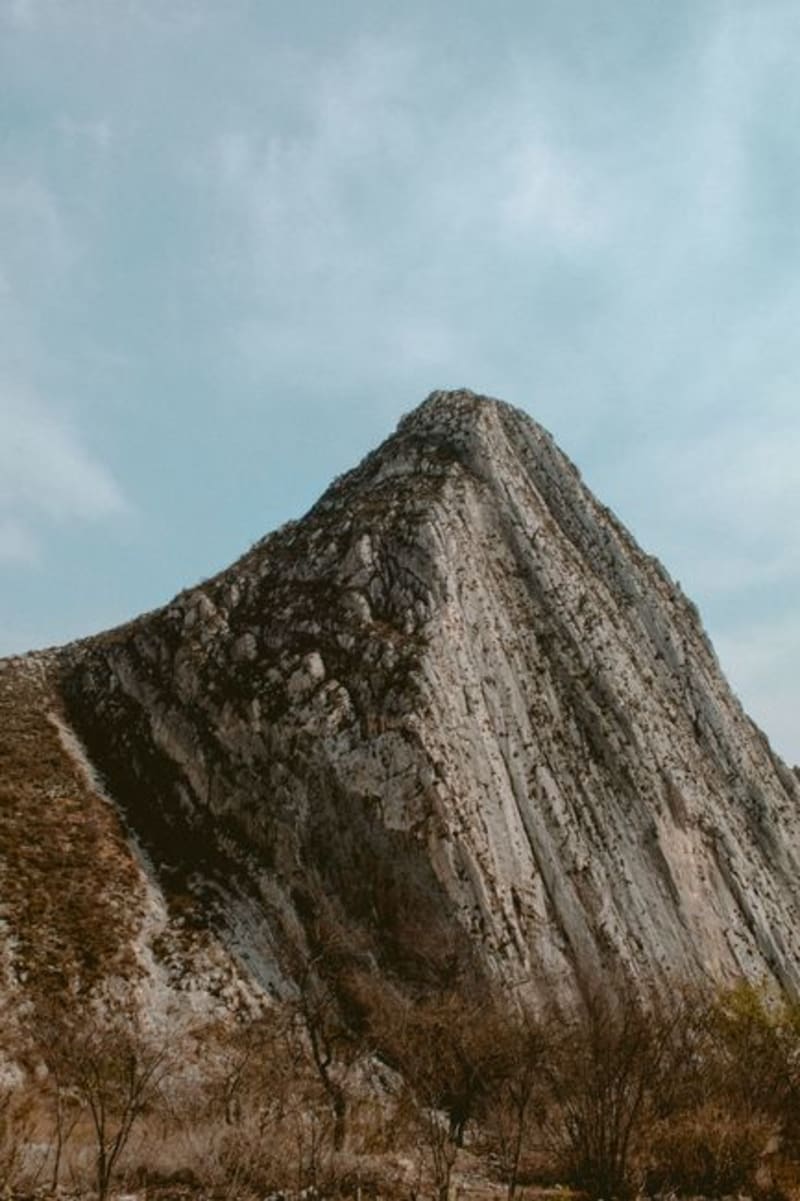
 Santiago Nuevo León
An hour south of Monterrey in the Sierra Madre foothills, Santiago is the mountain escape that regiomontanos treat as their private property — waterfalls, canyon rivers, and a weekend market that makes the drive worthwhile even when the skies are grey.
Explore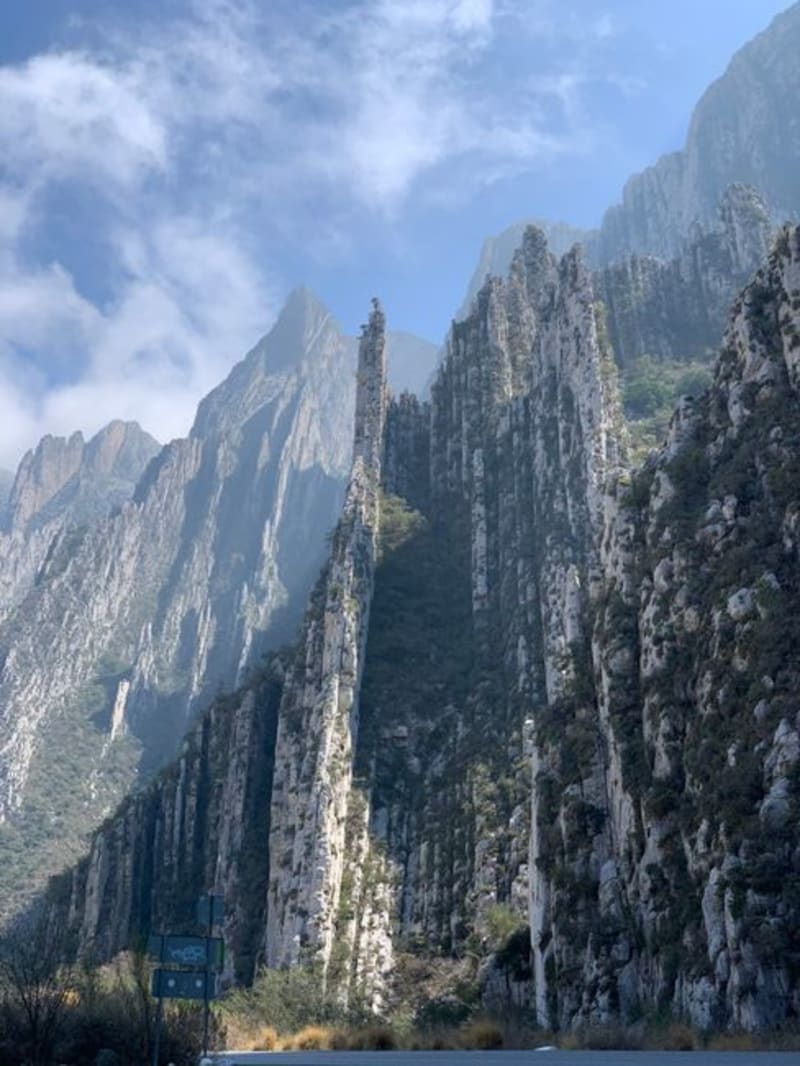 mexico
 Laguna de Sánchez
A high-altitude reservoir folded into the Sierra Madre Oriental two hours south of Monterrey, where pine slopes meet cold water and the air carries a clarity that feels geologically improbable after the basin heat below. Regiomontanos have been making the drive for decades; I arrived by wrong turn and stayed considerably longer than planned.
Explore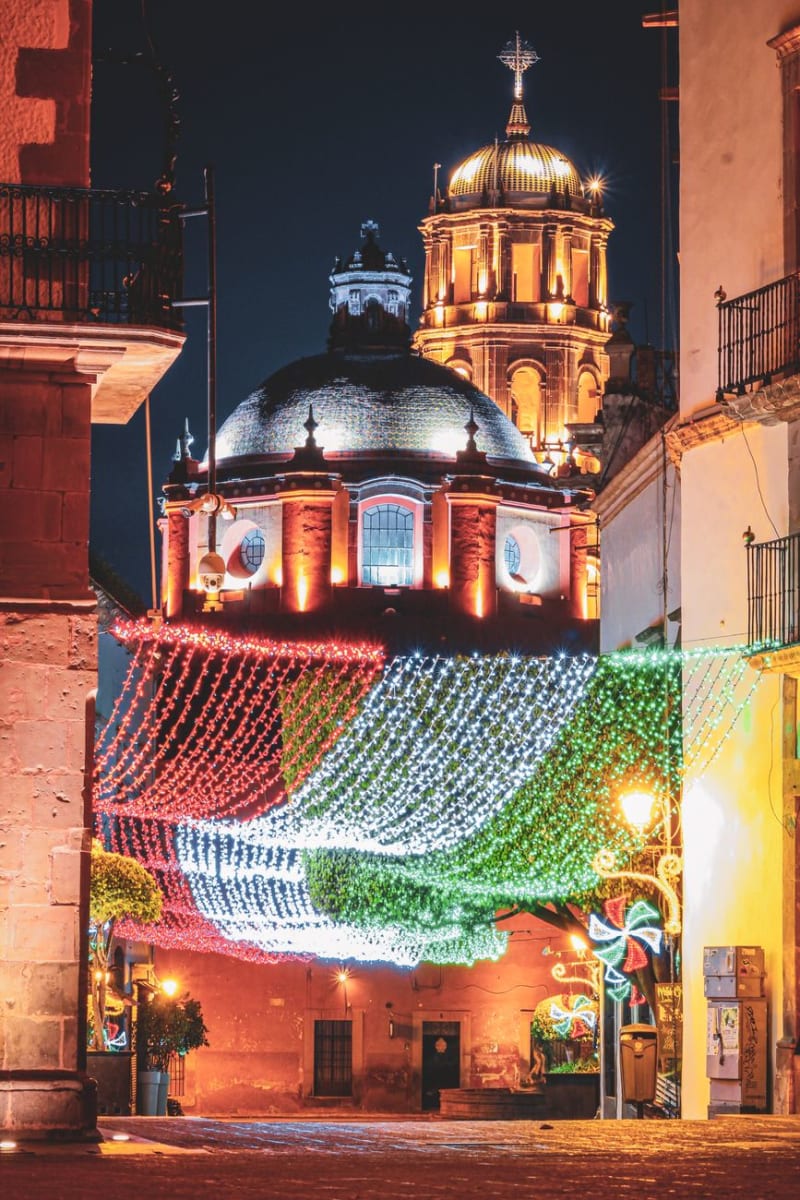 mexico
 Santiago
A mountain town forty-five minutes from Monterrey in the Sierra Madre Oriental with a 40-meter waterfall, apple orchards in the valley, and the specific function of being the place where a large industrial city goes to breathe.
Explore mexico
 Montemorelos
Nuevo León's citrus capital sits in a river valley where orange groves press right up against the colonial barrio, filling the air with something between sweetness and sting. On Sundays the tianguis wraps around an 18th-century parish church and turns the plaza into something worth staying for. Almost no one comes here from outside the region, which is the point.
Explore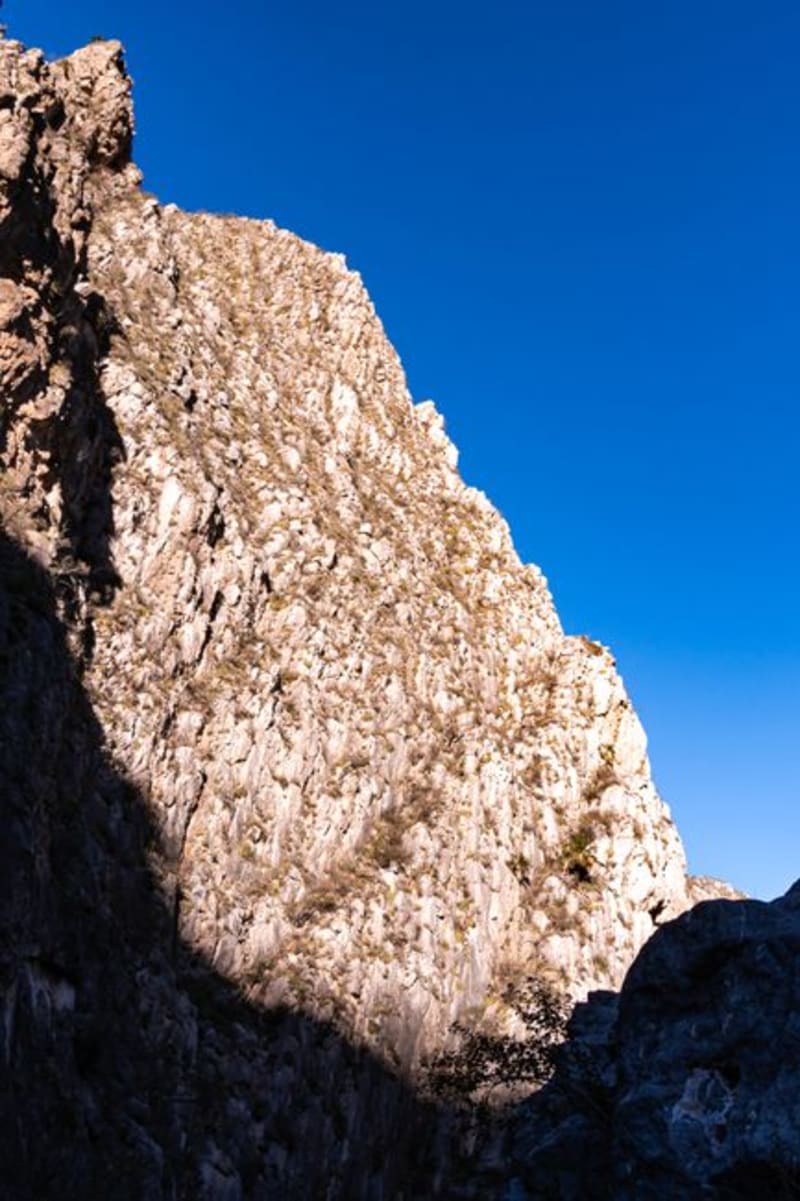 mexico
 Rayones
A village of perhaps eight hundred people lodged where two Sierra Madre canyons converge, reached by forty kilometers of gravel from Santiago — which is exactly why it still has the quality of a place that hasn't noticed it's supposed to be a destination.
Explore mexico
 Cienega de González
A wetland tucked into the Sierra Madre piedmont south of Monterrey, the Cienega de González is one of the finest birding spots in northeastern Mexico — herons, reed warblers, ducks, and occasional rarities that send Texas birders driving through the night. There is no signage, no entry fee, and almost never anyone else.
Explore