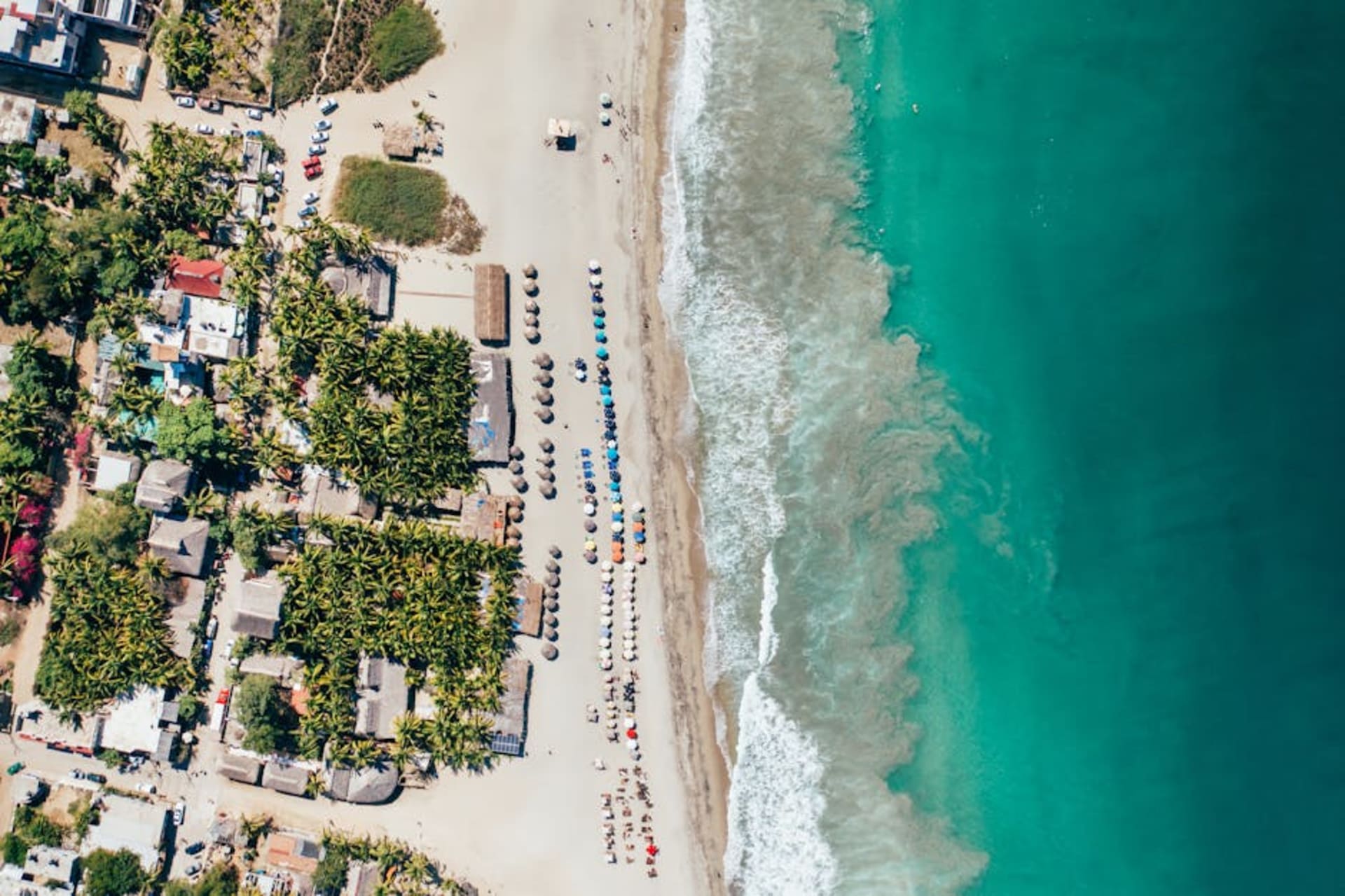
Nayarit
"Nayarit is where the Wixáritari come from — the people the Spanish called Huichol, who maintained their pre-Columbian religious practice in the sierra by being unreachable. The yarn art and the peyote ceremony are still ongoing."
Nayarit is the small Pacific state squeezed between Sinaloa (north) and Jalisco (south) that has managed to be simultaneously famous for a surf town (Sayulita, technically marketed as the Riviera Nayarit to capitalize on Jalisco’s Puerto Vallarta adjacency) and largely invisible to the international tourist circuit that passes through it.
The coast between San Blas and the Jalisco border has been developed in the Riviera Nayarit brand — Sayulita, San Pancho, Punta de Mita — but the development is surf-and-boutique rather than resort-scale. Puerto Vallarta is technically in Jalisco; the international airport and the resort hotel infrastructure are on the Jalisco side of the state line. The Nayarit coast captures the overflow and the travelers who specifically choose the smaller-scale alternative.
San Blas (covered separately) is the colonial port and bird-watching destination on the northern coast — the Spanish established a shipyard here in the 18th century, and the resulting infrastructure (a fort, a church, a port) is now ruins surrounded by the mangrove estuaries that host one of the most concentrated bird populations in western Mexico. The La Tovara mangrove boat tour is the activity.
Mexcaltitán (covered separately) is the circular island in the coastal lagoon that some historians identify with the mythological Aztlán — the Aztec homeland from which the mexica people migrated south to found Tenochtitlán. The identification is contested by archaeologists; the circular island in the middle of a coastal lagoon, seasonally flooded, is real and unusual.
The Wixáritari (Huichol) indigenous people live in the sierra between Nayarit and Jalisco at elevations above 2,000 meters, maintaining a religious and ceremonial tradition that includes the annual peyote pilgrimage to the Wirikuta desert in San Luis Potosí — a 900-kilometer journey to gather the sacred cactus. The yarn paintings and beadwork produced by the Wixáritari for commercial sale are among the most intricate textile arts in the Americas.
Explore
Places in Nayarit
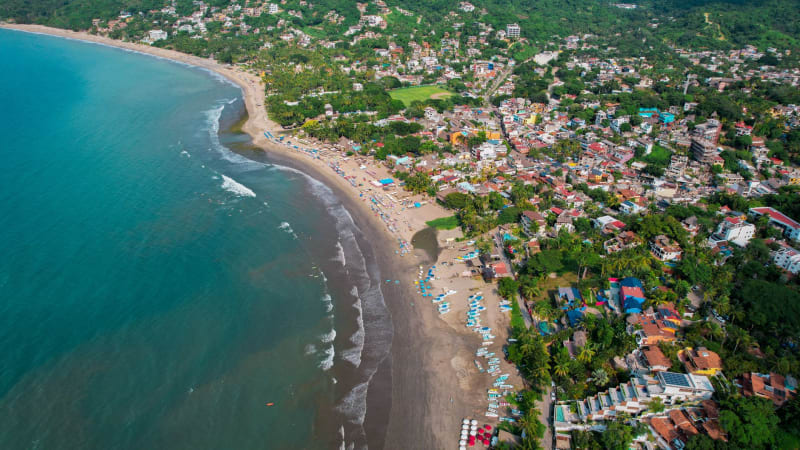
Mexcaltitán
A circular island village in a Nayarit coastal lagoon that some historians believe was the mythological Aztlán — the origin city the Aztecs left in the 12th century on their centuries-long migration to found Tenochtitlán.
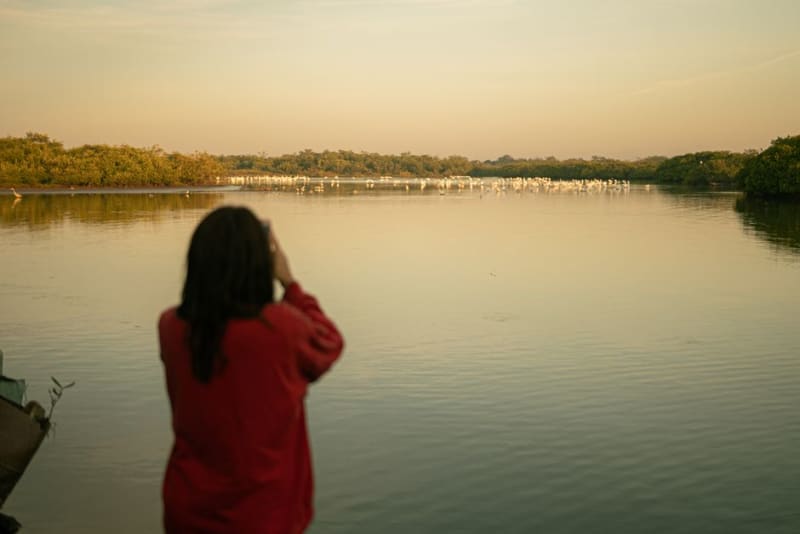
San Blas
A forgotten Nayarit colonial port at the edge of a mangrove estuary — once the most important harbor on Mexico's Pacific coast, now a world-class birding destination with crocodiles in the river and 300 species in the jungle.
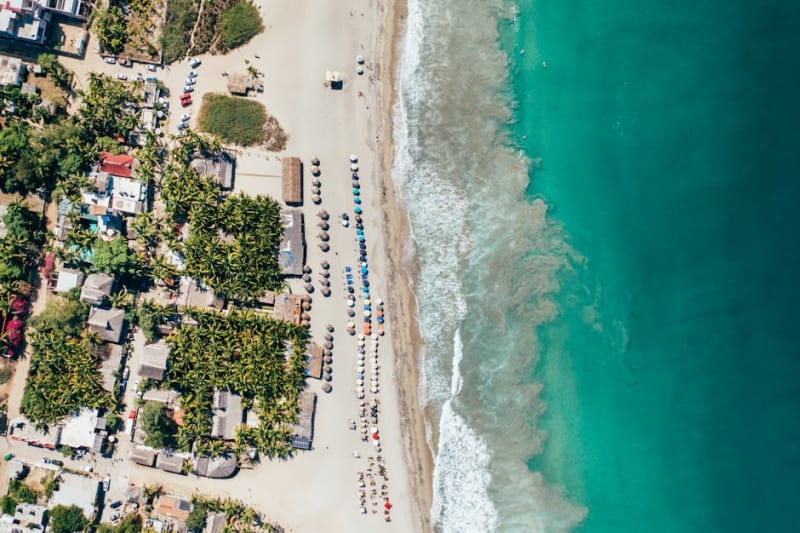
Sayulita
A Pacific surf village turned bohemian beach town, where the waves are forgiving and the mezcal flows until the streetlights come on.