San Blas
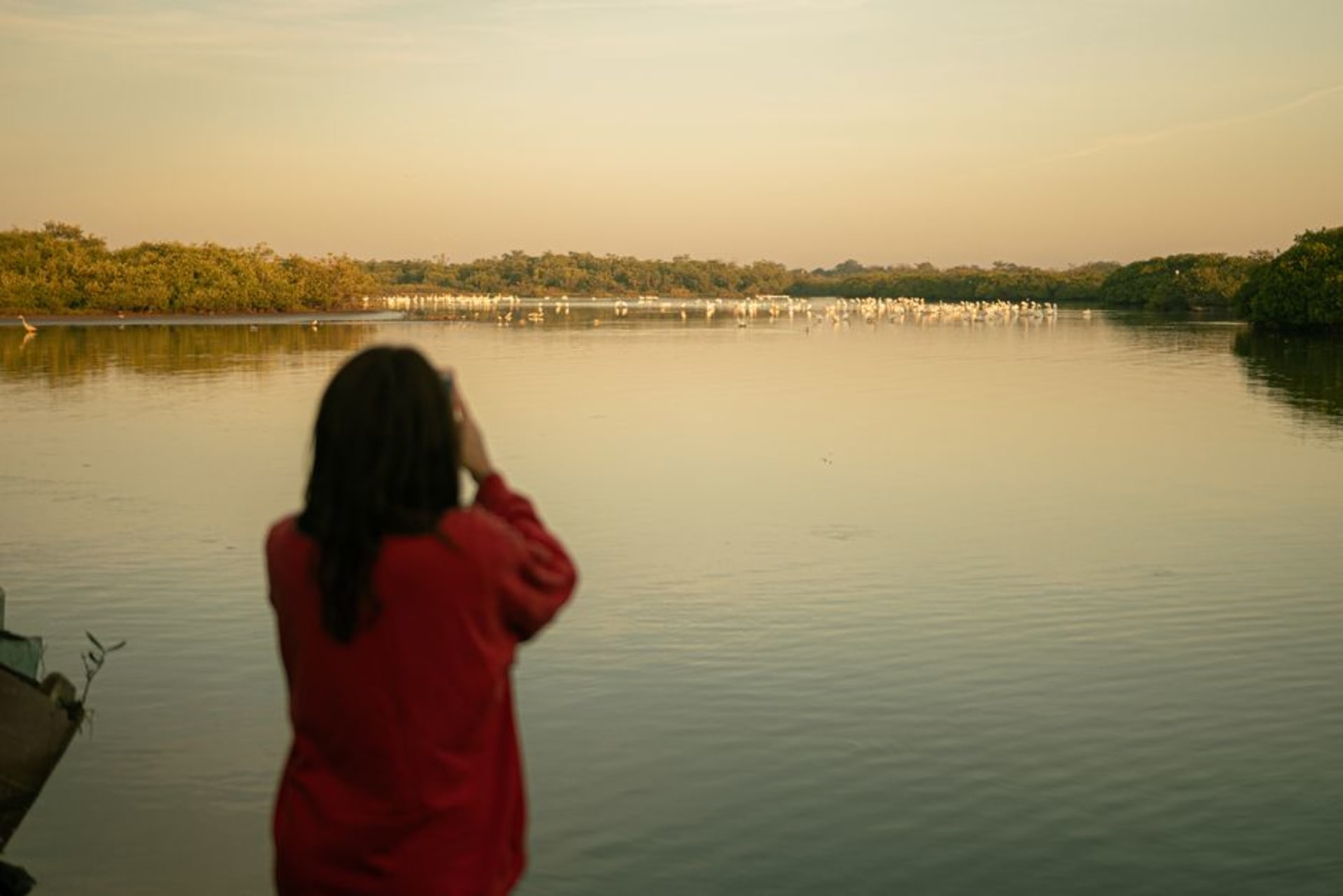
"The birding guide knew the call of every species in the estuary before it appeared. He had been taking boats through these mangroves for forty years. He knew where the crocodiles slept."
San Blas was once the most important port on Mexico’s Pacific coast — the base from which the Manila Galleon trade routes were organized, the harbor from which the Spanish explored and colonized California and the Philippines. The fortifications that crown the hill above the town date from the 18th century and controlled the mouth of one of the most strategically significant harbors in the Pacific world. Then the trade routes shifted, the railroad bypassed the region, and San Blas declined into a fishing village and stayed there.
What the decline preserved: the mangrove estuaries, the jungle, and the bird life. San Blas is now one of the premier birding destinations in the Americas — a place where 300 species can be recorded in a long weekend and where the dawn chorus in the forest above town sounds like a conversation between many different orchestras playing simultaneously.
The Estuary
The Santuario de Aves Marismas Nacionales — the wetland system that includes the San Blas estuaries, mangrove channels, and coastal lagoons — is the largest mangrove system in Mexico and one of the most important in the Eastern Pacific. The boat tours that leave the San Blas dock at dawn travel through the mangrove channels to La Tovara — a freshwater spring in the middle of the mangroves, with a pool clear enough to swim in — passing through a wildlife corridor where roseate spoonbills, wood storks, bare-throated tiger herons, boat-billed herons, and multiple kingfisher species are visible from the boat at close range.
The crocodiles (American crocodile, Crocodylus acutus) are present in the mangrove channels and visible at La Tovara year-round — the spring pool has a resident population that the boatmen know individually. The crocodiles visible at close range from the edge of a small wooden boat, in the silence of the mangrove interior: this is not a zoo encounter. The boatmen are unfazed; the correct response from visitors is something between fascination and appropriate respect.
The bird list at La Tovara on a single morning trip includes species that serious birders will recognize as the primary reason for the visit: the Bare-throated Tiger Heron (rare elsewhere, common here), the Boat-billed Heron (a nocturnal species that roosts in the mangroves and is visible on early morning trips), the Yellow-naped Parrot, and, in the adjacent forest, the Military Macaw in flocks that fill the sky.
The Hill Fort and the Town
The Cerro de San Basilio above the town carries the ruins of the 18th-century fortification and the old customs house — roofless stone buildings overtaken by tropical vegetation, with fig trees growing through the floors and roots splitting the colonial walls. The view from the fort encompasses the estuary, the Pacific coast, and the jungle that runs unbroken into the sierra. The ruin itself is in the process of becoming indistinguishable from the forest around it, which suits it.
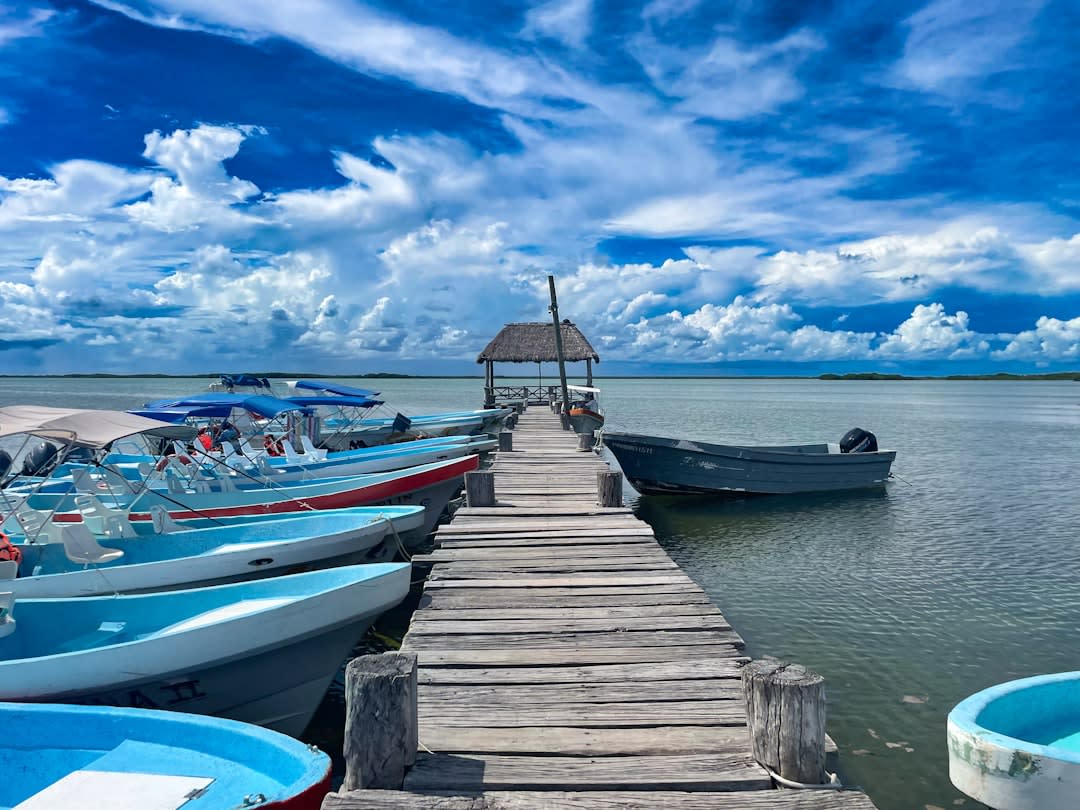
The town of San Blas is modest and unhurried: a main square with a colonial church, a market, a handful of seafood restaurants serving the Pacific catch (the shrimp from the San Blas estuary is the local specialty, boiled in sea water and served with lime and chile), and the fishing fleet anchored in the estuary mouth.
The jejenes (biting midges, known locally as jejenes or no-see-ums) are the single obstacle to extended outdoor time in San Blas. They emerge at dusk and are present through the night; the mornings are fine and the afternoons are fine, but dusk without repellent in San Blas is an experience that requires several days of recovery. Bring DEET in quantity.
The Beaches
The beaches north and south of San Blas are wide, Pacific-facing, and almost deserted. Playa Matanchén — a sweeping bay 8 kilometers south — is the location of what was, at the time of its recording, the longest surfable wave in the world (1.7 kilometers, contested since). The bay’s consistent swells and warm water make it a training location for Mexican competition surfers.
Getting there: Buses from Tepic (1.5h) or Guadalajara (3.5h via Tepic). No direct buses from Puerto Vallarta; colectivo to Tepic, then bus. The town has no airport. A car allows more flexibility for the beaches and the sierra roads above town.
When to go: November through April for birding (dry season, highest species diversity). The estuary tours run year-round. Avoid July-August peak rain and jején season.