Paracho
"The cedar and spruce come from the surrounding sierra. The design comes from the Spanish. The skill has been here since the 1550s. Paracho produces more guitars than anywhere else in the world."
A Michoacán Purépecha town where every family builds classical guitars — 600 workshops producing 120,000 instruments per year, the luthier knowledge passed from father to son since the Franciscans introduced European string instruments in the 16th century.

Paracho de Verduzco is a Purépecha highland town in Michoacán at 2,100 meters that produces more guitars per capita than anywhere else on earth. The National Guitar Fair held each August brings musicians, buyers, and craftspeople from across Mexico and internationally to a town of 12,000 people that has perhaps 600 active guitar workshops — approximately one for every 20 residents.
The origin: the Franciscan friar Vasco de Quiroga (the same bishop who planted the olive trees at Tzintzuntzan) assigned specific craft trades to specific Purépecha communities around Lake Pátzcuaro in the 16th century as part of his utopian vision of specialization — one town would make copper objects, another lacquerware, another textiles. Paracho was assigned musical instruments, specifically the European string instruments that the Franciscan missionaries were using to teach Catholic liturgical music to the Purépecha converts. The assignment stuck.
The Purépecha luthiers of Paracho learned the classical guitar making technique, refined it over five centuries, and produced a regional style that is now internationally recognized: the Paracho guitar, characterized by cedar tops (from the local sierra rather than the spruce preferred by European luthiers), distinctive decorative rosette patterns inlaid around the sound hole, and a construction method that prioritizes affordability without sacrificing structural integrity.
The Workshops
Walking Paracho’s main street and side streets is a tour through guitar production at every stage. The workshops are houses with their front rooms converted to show floors; the actual production happens in the back rooms and covered patios. The stages visible in different workshops:
Wood selection and drying: the tops (soundboard) from local white cedar (Cupressus lusitanica) and the backs and sides from rosewood, mahogany, or the regional hardwoods.
Mold construction and bracing: the internal bracing of the soundboard, the precise fan-bracing pattern that transmits string vibration through the top.
Binding and purfling: the decorative strips that edge the body, often in contrasting wood colors.
Finishing: the shellac French polish or nitrocellulose lacquer that seals and protects the surface.
The range of quality in Paracho is enormous — from the student guitars sold at the market for 500 pesos to the master luthier instruments sold for 15,000-80,000 pesos that compete internationally. The workshop owners are generally willing to explain what distinguishes the levels.

The August Fair
The Feria Nacional de la Guitarra (National Guitar Fair, last week of August) transforms Paracho into a music festival: concerts in the plaza, guitar competitions, luthier exhibitions, and the market of the year when the workshops display their best work and buyers come from Mexico City, the United States, Europe, and Japan.
The concerts during the fair span classical, folk, and popular guitar — the Paracho instrument is associated most strongly with Mexican folk music (the guitarrón, the requinto, and the standard guitar of the mariachi and the son traditions all have Paracho-made versions in commercial circulation) but the classical guitar makers of the highest level produce instruments played in concert halls internationally.
The Surrounding Sierra
The forests above Paracho supply the cedar and some of the hardwoods that go into the guitars — the connection between the living forest and the instrument in the workshop is traceable and local. The Cherán autonomous municipality (covered separately) is 20 minutes north of Paracho; the two towns are in the same Purépecha cultural zone, and the reforestation effort that Cherán has undertaken since 2011 is relevant to Paracho’s cedar supply.

Getting there: Bus from Morelia (1.5h) or Uruapan (45min) to Paracho. The town is on the main Uruapan-Zamora highway. Walk the main street from the bus drop; the guitar market and workshops begin immediately.
When to go: Year-round for guitar shopping. Last week of August for the Feria Nacional. The highland climate is mild; December through February nights are cold (5-8°C) but the days are clear and the workshops are warm.
Keep exploring
More of Michoacán
Keep exploring
More from Michoacán
 mexico
 Paracho
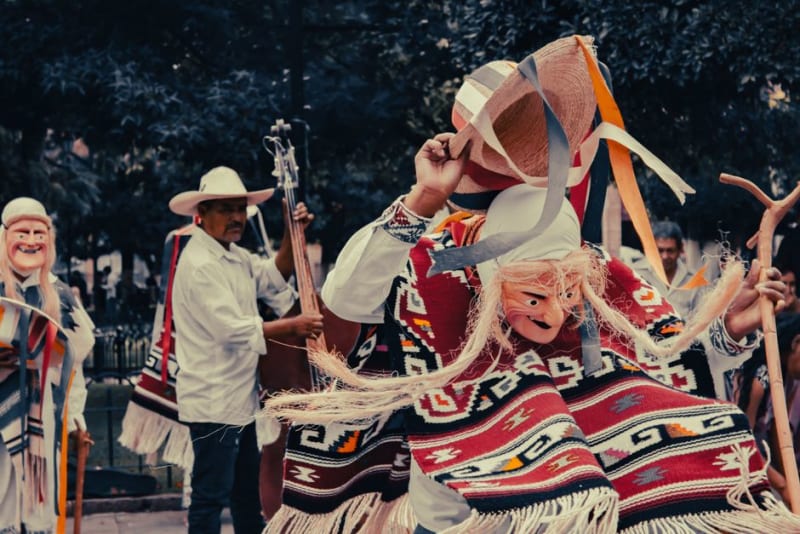
Paracho is a Purépecha highland town where every family workshop smells of cedar and lacquer and guitar-making has been handed down through generations for centuries. The main street doubles as a living lutherie district, with finished instruments hanging in doorways and the sound of tuning filling the morning air.
Explore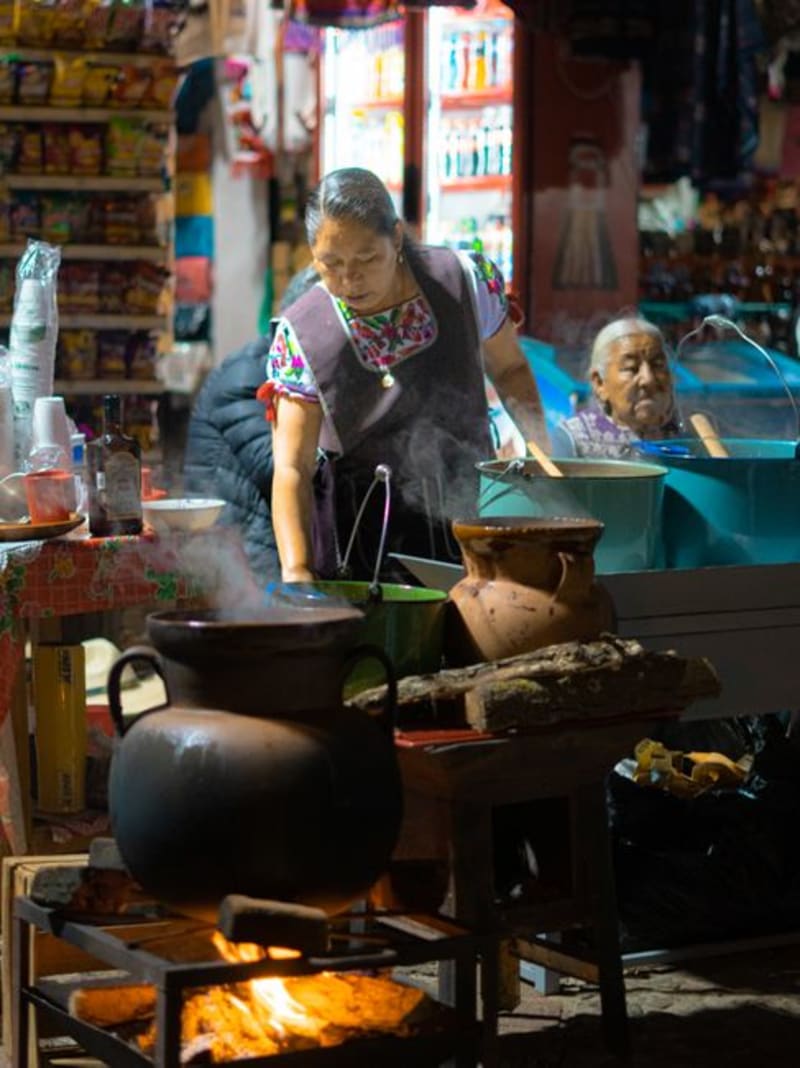 mexico
 Cherán
In 2011, the P'urhépecha community of Cherán expelled timber traffickers, their cartel protection, and the political parties themselves, and began governing their mountain town through neighborhood assemblies. Thirteen years on, the fogatas still burn at every corner, reforestation crews have planted over a million trees, and walking through Cherán feels less like tourism and more like witnessing a small proof that something else is possible.
Explore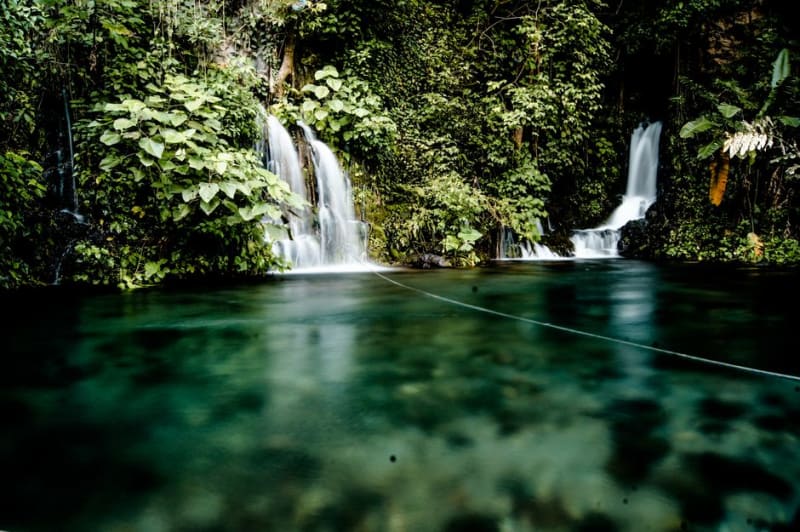 mexico
 Uruapan
The Michoacán avocado capital with the world's most extraordinary waterfall cascading through a national park in the city center — and an hour away, the volcanic cone of Paricutín, which erupted in a cornfield in 1943 and buried two towns.
Explore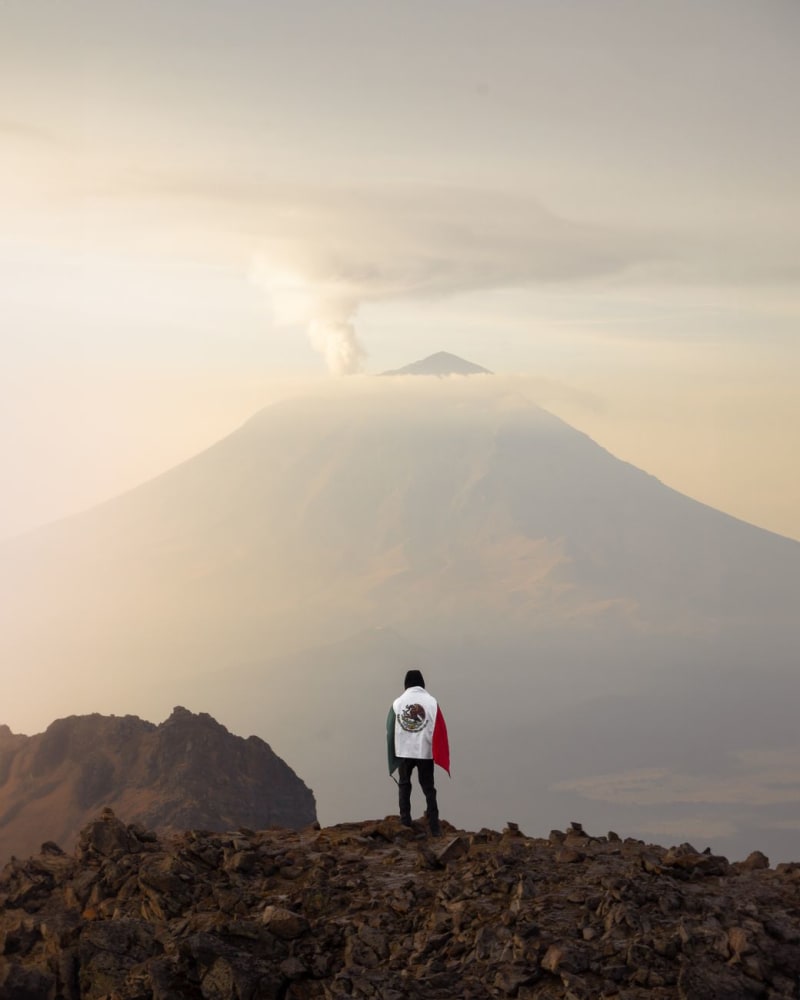 mexico
 Paricutín
On February 20, 1943, a farmer named Dionisio Pulido heard a rumbling from his cornfield near the P'urhépecha village of Paricutín, and by the next morning there was a ten-meter cone of ash and rock where his crop had been. The volcano that grew from that cornfield buried two villages and grew 336 meters in its first year; the cone is still there, dormant since 1952, and at San Juan Parangaricutiro the church tower of the buried village still rises from the solid black lava field like something a medieval painter might have put in a vision of the end of the world. You walk to it across the lava on a horse or on foot, in morning light that makes the black rock go almost purple, and stand at the tower and try to think about what 1943 was like for the people who watched this happen.
Explore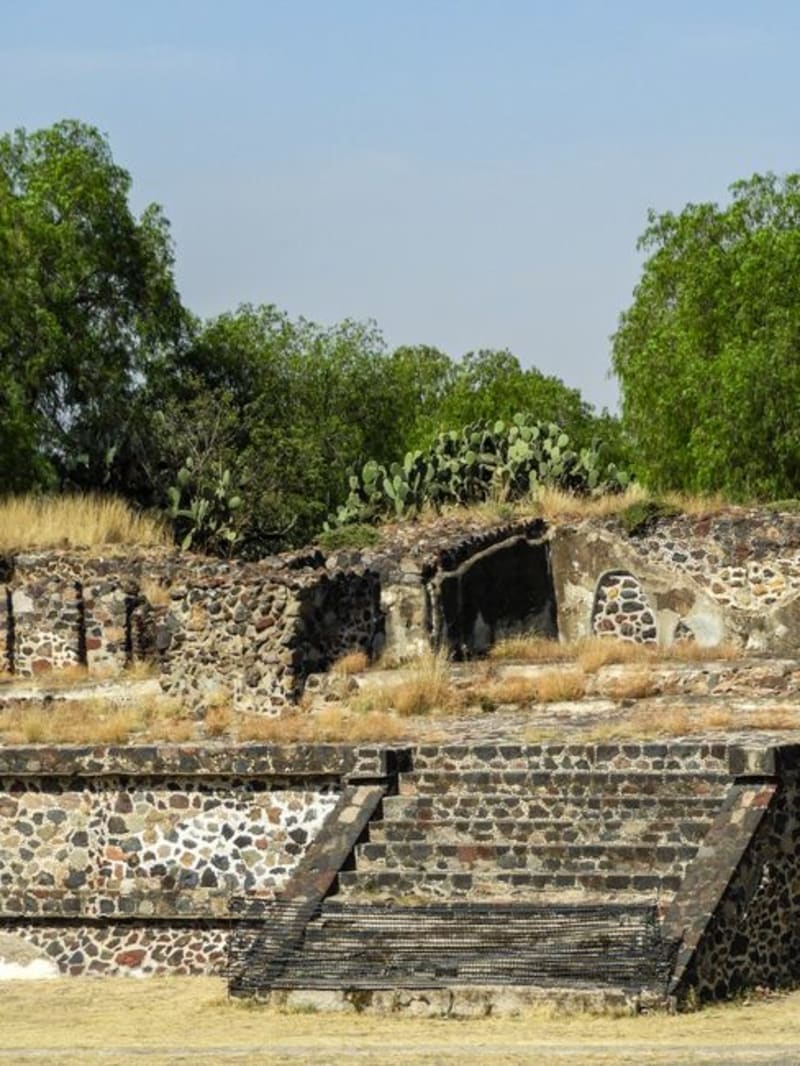 mexico
 Tingambato
Twelve kilometers from Pátzcuaro, Tingambato's archaeological zone sits in pine-forest quiet where most lake-region visitors never venture. The site flourished between 450 and 900 AD, the ball court is among the better-preserved in western Mexico, and you can walk the whole thing without once queuing for a photo.
Explore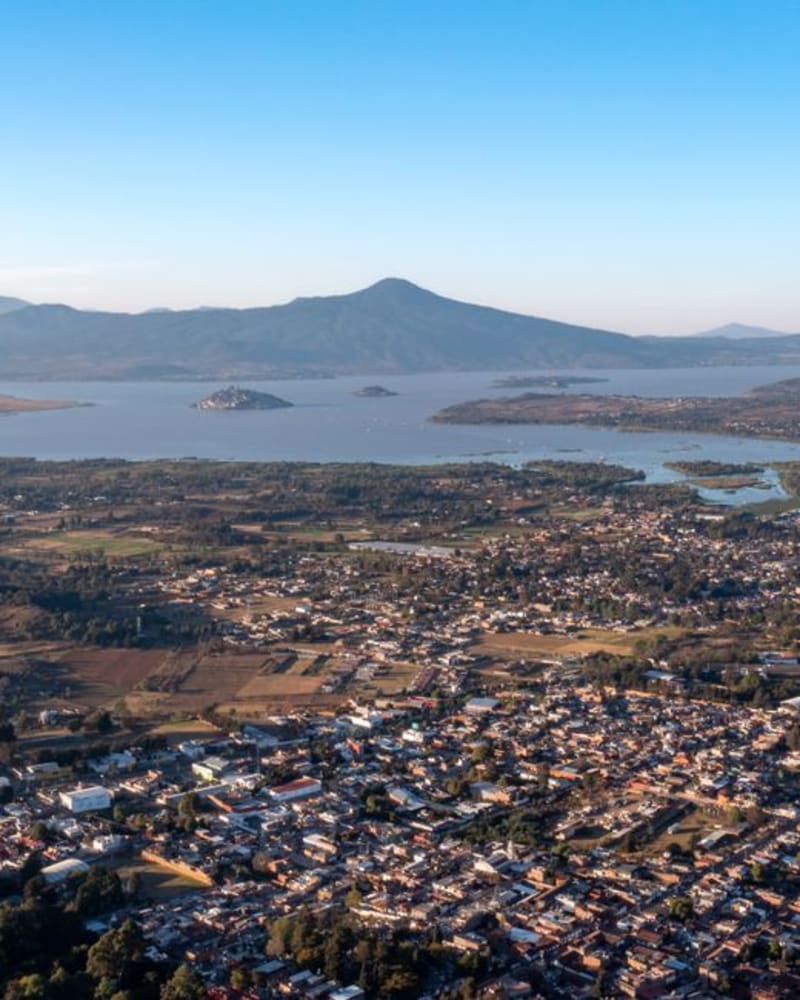 mexico
 Erongaricuaro
A small Purepecha village on the western shore of Lake Patzcuaro where artisan weavers still work backstrap looms, a handful of foreign painters settled decades ago and never left, and the dock offers what might be the quietest hour in all of Michoacán.
Explore