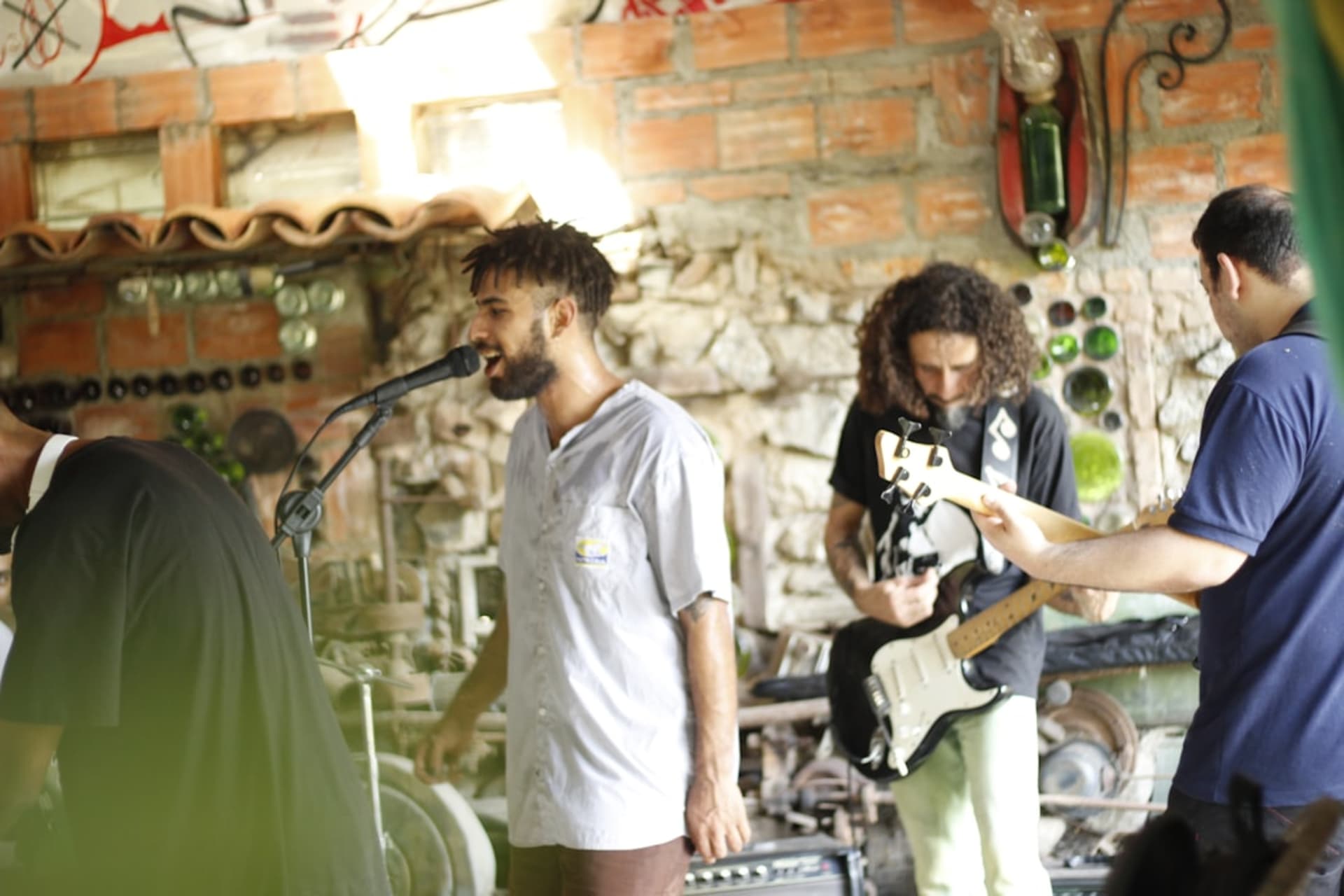
Paracho
"I bought a guitar I cannot play and have not regretted it once — the craftsmanship is extraordinary."
Paracho is a Purépecha highland town where every family workshop smells of cedar and lacquer and guitar-making has been handed down through generations for centuries. The main street doubles as a living lutherie district, with finished instruments hanging in doorways and the sound of tuning filling the morning air.

I arrived on a Tuesday, which turned out to be irrelevant — in Paracho, every day is a workshop day. The bus from Uruapan dropped me at the edge of the zócalo just before seven in the morning, and before I had found coffee, I could already hear it: the low, careful pluck of strings being tuned somewhere nearby, then a scale repeated twice, then silence. It took me a moment to realize it was coming from four different workshops at once.
Cedar, Spruce, and Four Hundred Years of Practice
The main street, Avenida Benito Juárez, is not so much a commercial strip as a family-by-family account of lutherie in Mexico. Every few steps there is another taller open to the street — some glossy and tourist-oriented, most of them cramped rooms where a man or a teenager is bent over a workbench, shaping a neck or laying a rosette with tweezers. The smell is what stays with me: cedar shavings, fresh lacquer, the particular dryness of highland air mixing with wood resin. I spent two hours in one workshop — Guitarras Ramos, on the left side heading uphill — watching a young woman brace a spruce top while her father at the next bench carved a heel joint by hand. Nobody tried to sell me anything for the first ninety minutes. When I finally pointed at a mid-range concert guitar, the price was 3,200 pesos. I paid it. I do not play classical guitar. I carry it on my back anyway.

The August Festival and the Sound It Leaves Behind
Every August, Paracho hosts the Festival Internacional de la Guitarra, and the town becomes briefly unrecognizable — stages in the plaza, players warming up in doorways, competitions running in the municipal auditorium until midnight. I missed it by eleven months. But the craftsmen I spoke to described it the way people describe a religious event they actually believe in: not as tourism, but as a gathering of people who take the instrument seriously. The workshops produce at a different tempo in July, stockpiling guitars for the festival month. If you come in August, expect higher prices and a town that is genuinely alive in a way the rest of the year only approximates. If you come the rest of the year, expect to have the workshops mostly to yourself, which is its own reward.

Eating Between Workshops
The mercado municipal, half a block off the main street, runs breakfast and lunch at long communal tables. I had corundas — the triangular Purépecha tamales wrapped in corn leaves rather than husks — with crema and salsa verde, and a bowl of atole de guayaba that cost twelve pesos and tasted like it had been simmering since dawn. The market women know the workshop schedules; one told me which luthiers close for comida at two and which ones keep working straight through. That is the kind of local intelligence no guidebook carries.

Getting There
Paracho sits about 45 minutes north of Uruapan by combi or second-class bus. From Morelia, buses run to Uruapan regularly and the connection is straightforward. The town is small enough to walk entirely; there is no reason to rent anything. Most workshops open around seven and close by six, with a long midday pause between two and four.
Keep exploring
More of Michoacán
Keep exploring
More from Michoacán
 mexico
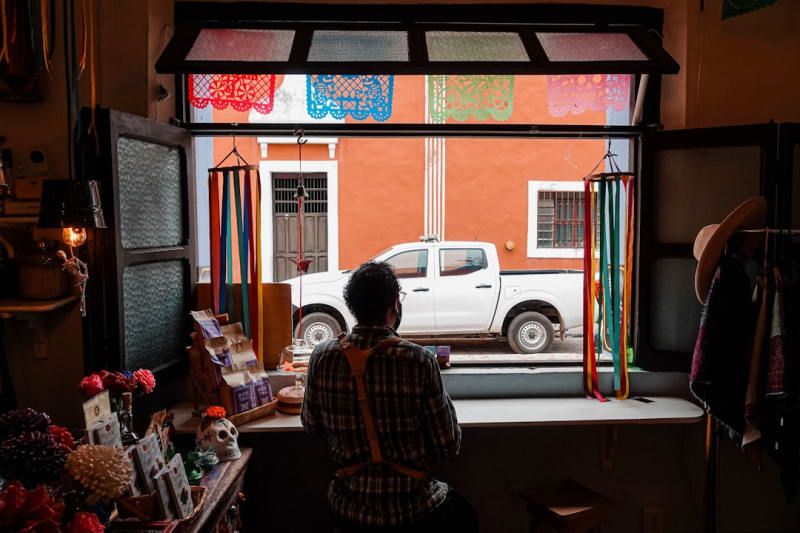
 Paracho
A Michoacán Purépecha town where every family builds classical guitars — 600 workshops producing 120,000 instruments per year, the luthier knowledge passed from father to son since the Franciscans introduced European string instruments in the 16th century.
Explore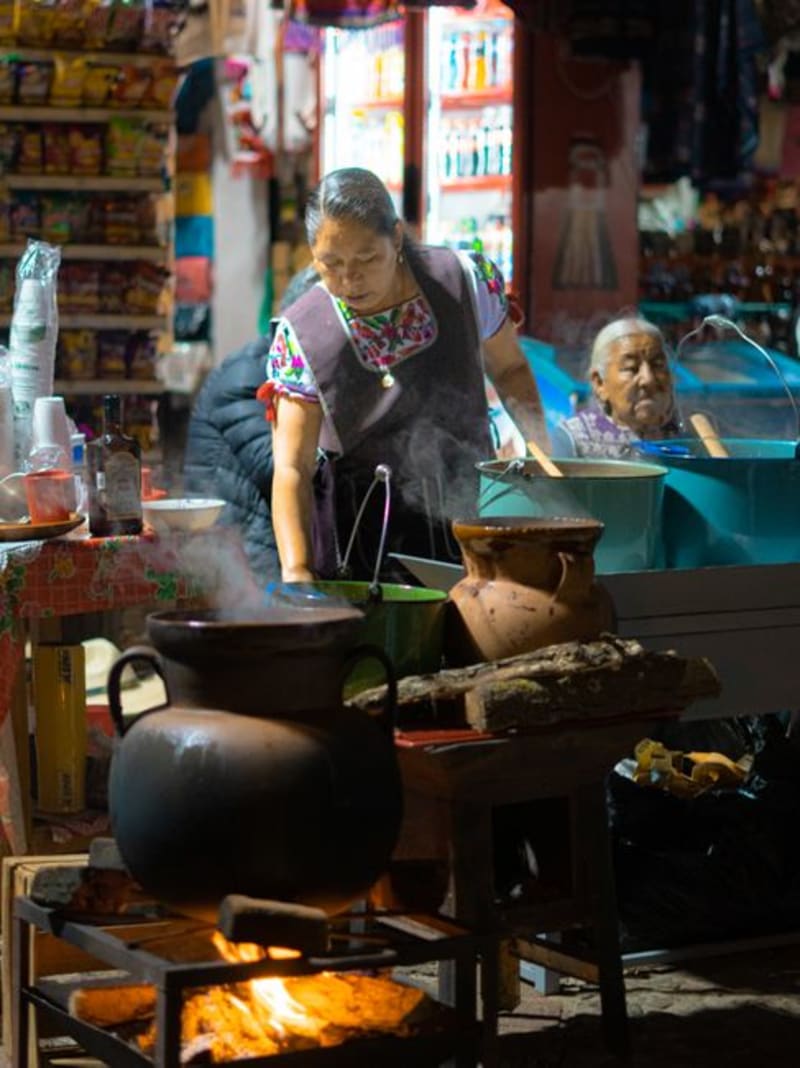 mexico
 Cherán
In 2011, the P'urhépecha community of Cherán expelled timber traffickers, their cartel protection, and the political parties themselves, and began governing their mountain town through neighborhood assemblies. Thirteen years on, the fogatas still burn at every corner, reforestation crews have planted over a million trees, and walking through Cherán feels less like tourism and more like witnessing a small proof that something else is possible.
Explore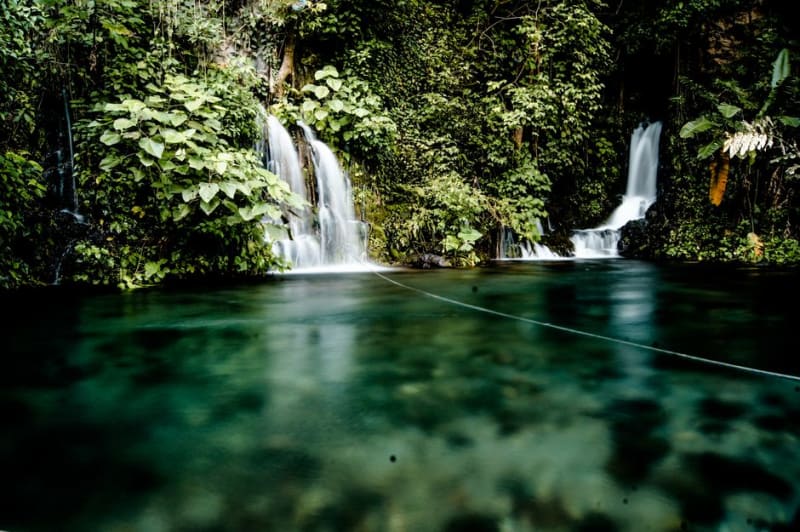 mexico
 Uruapan
The Michoacán avocado capital with the world's most extraordinary waterfall cascading through a national park in the city center — and an hour away, the volcanic cone of Paricutín, which erupted in a cornfield in 1943 and buried two towns.
Explore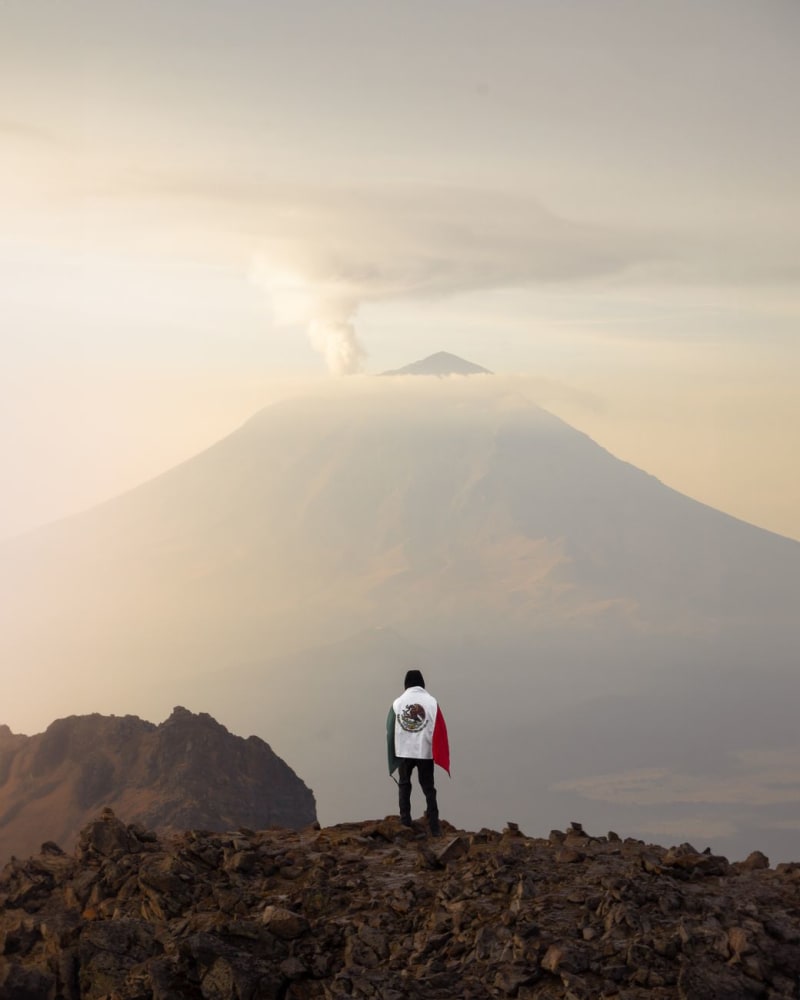 mexico
 Paricutín
On February 20, 1943, a farmer named Dionisio Pulido heard a rumbling from his cornfield near the P'urhépecha village of Paricutín, and by the next morning there was a ten-meter cone of ash and rock where his crop had been. The volcano that grew from that cornfield buried two villages and grew 336 meters in its first year; the cone is still there, dormant since 1952, and at San Juan Parangaricutiro the church tower of the buried village still rises from the solid black lava field like something a medieval painter might have put in a vision of the end of the world. You walk to it across the lava on a horse or on foot, in morning light that makes the black rock go almost purple, and stand at the tower and try to think about what 1943 was like for the people who watched this happen.
Explore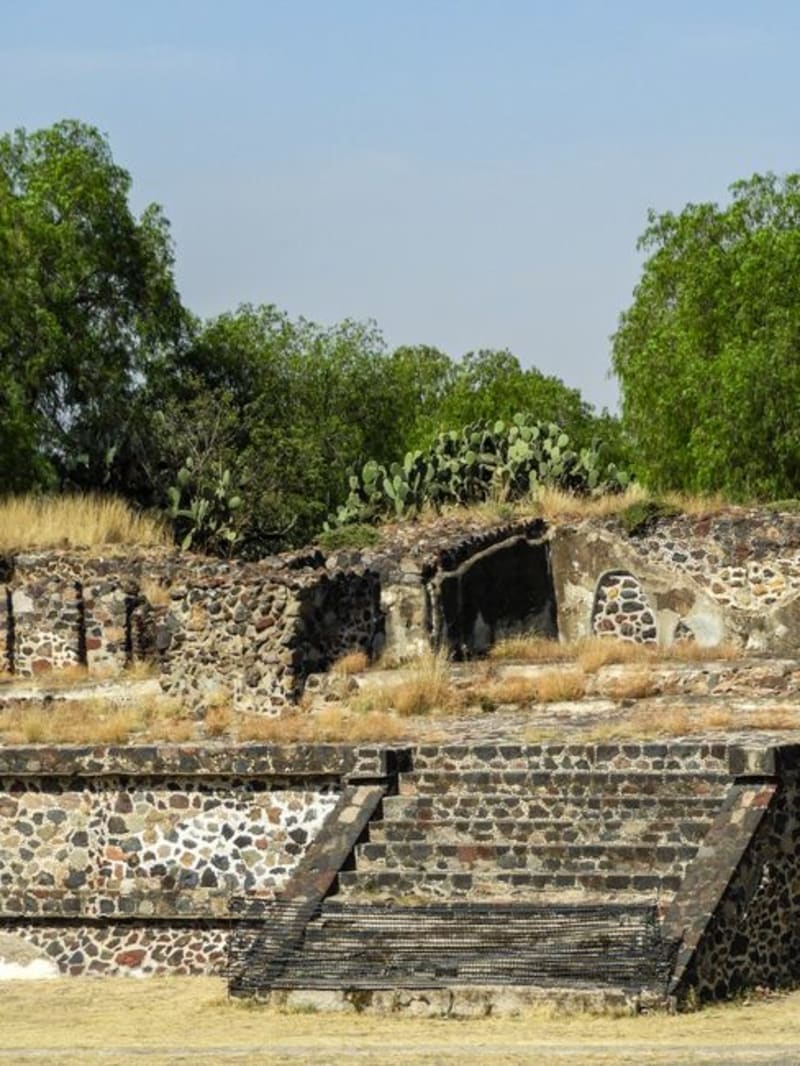 mexico
 Tingambato
Twelve kilometers from Pátzcuaro, Tingambato's archaeological zone sits in pine-forest quiet where most lake-region visitors never venture. The site flourished between 450 and 900 AD, the ball court is among the better-preserved in western Mexico, and you can walk the whole thing without once queuing for a photo.
Explore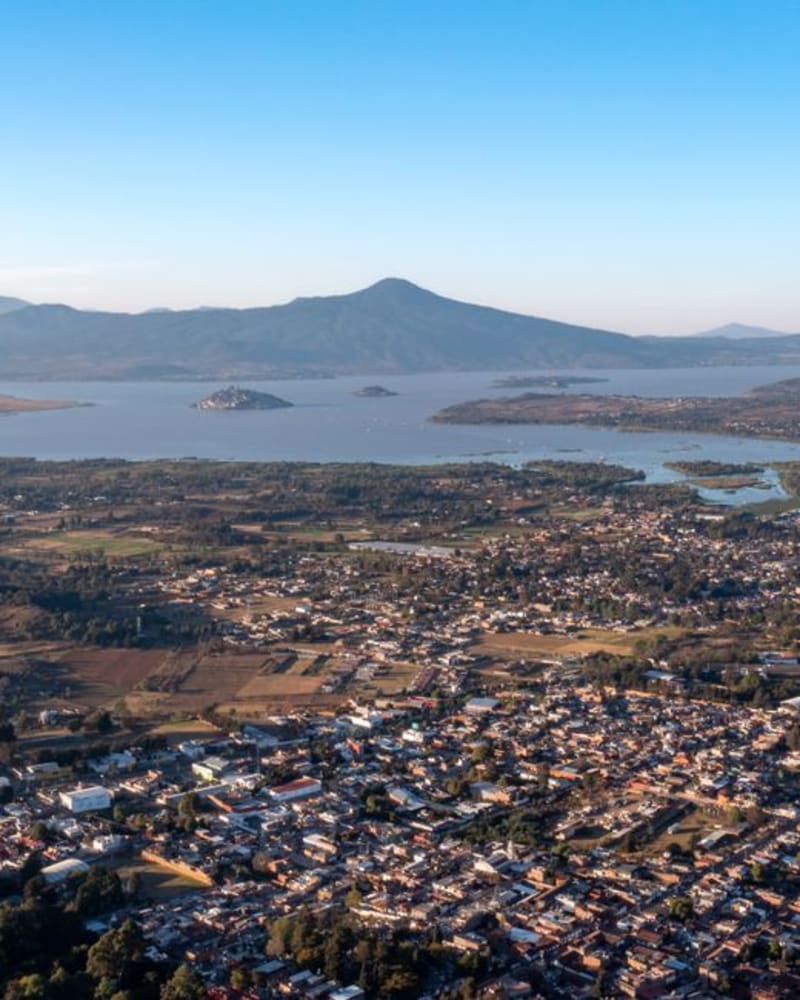 mexico
 Erongaricuaro
A small Purepecha village on the western shore of Lake Patzcuaro where artisan weavers still work backstrap looms, a handful of foreign painters settled decades ago and never left, and the dock offers what might be the quietest hour in all of Michoacán.
Explore