
Michoacán
"The Purépecha were the empire the Aztecs never conquered. Michoacán is what they left — the lakes, the craft traditions, the specific sadness of a culture that survived conquest by becoming invisible."
Michoacán is the Purépecha state — the territory of the pre-Columbian empire that successfully resisted every Aztec military campaign for a century, controlling the highlands and lake country west of the Valley of Mexico from their capital at Tzintzuntzan on Lake Pátzcuaro. The Spanish arrived in 1522 (the Purépecha surrendered diplomatically, having seen what happened to the Aztecs militarily), brought the Franciscan bishop Vasco de Quiroga to reorganize the surviving population, and created the craft-economy system that assigned different manufacturing specializations to different lake towns — a system that still determines what is made in each Michoacán community 500 years later.
The physical landscape of Michoacán is organized by the Trans-Mexican Volcanic Belt — the line of active and dormant volcanoes that runs east-west across central Mexico. The Paricutín volcano erupted in 1943 from a farmer’s cornfield and destroyed the towns of Paricutín and San Juan Parangaricutiro over the following nine years; the church tower of San Juan Parangaricutiro still projects from the lava field, a landmark accessible from Uruapan. The volcanic soil has made Michoacán the avocado capital of the world — the state produces more Hass avocados than any other region on Earth, and the export value has made Michoacán agriculture prosperous and also attractive to organized crime.
Morelia, the state capital (a UNESCO World Heritage colonial city of pink volcanic stone), and the network of lake towns around Lake Pátzcuaro — Pátzcuaro, Janitzio, Tzintzuntzan — are the cultural centers. The Día de los Muertos ceremonies on the lake islands and in the surrounding communities (November 1-2) are the most internationally famous expression of this tradition, drawing visitors from across Mexico and abroad to the candlelit cemetery vigils of the Purépecha communities.
The monarch butterfly overwintering colonies in the oyamel fir forests above Angangueo and in the Valle de Bravo area are active from November through March — the same months as the Day of the Dead celebrations, making Michoacán’s winter calendar uniquely concentrated.
Explore
Places in Michoacán
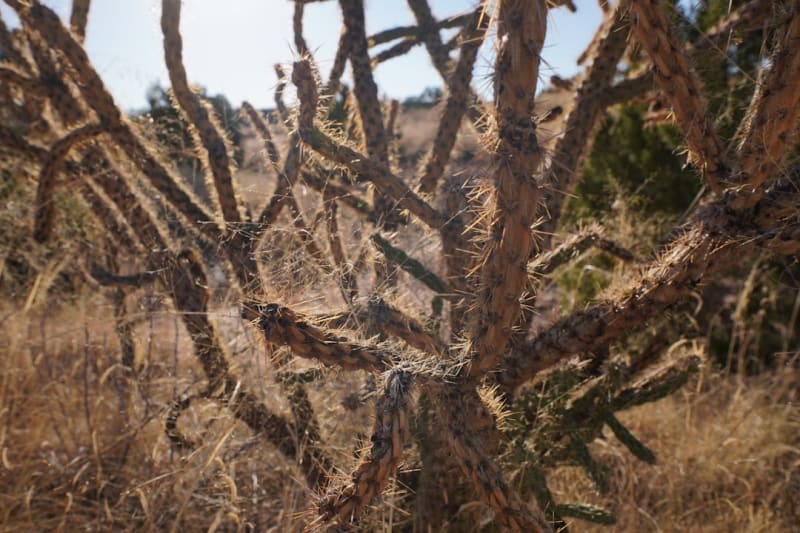
Angangueo
The Michoacán mountain town at the entrance to the monarch butterfly sanctuaries — from November through March, 200 million butterflies roost in the oyamel fir forests above town, their weight bending branches to the ground.
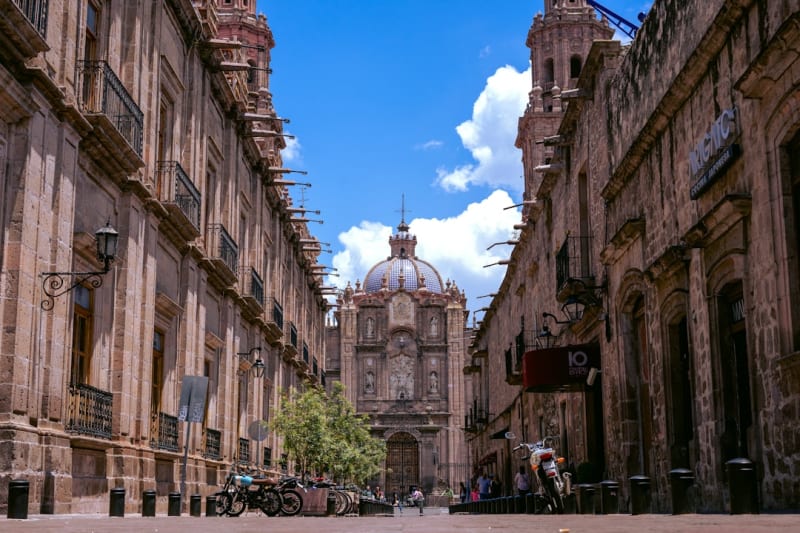
Morelia
Michoacán's pink-stone capital — a perfectly preserved baroque colonial city, the Day of the Dead heartland, and the gateway to the monarch butterfly migration.
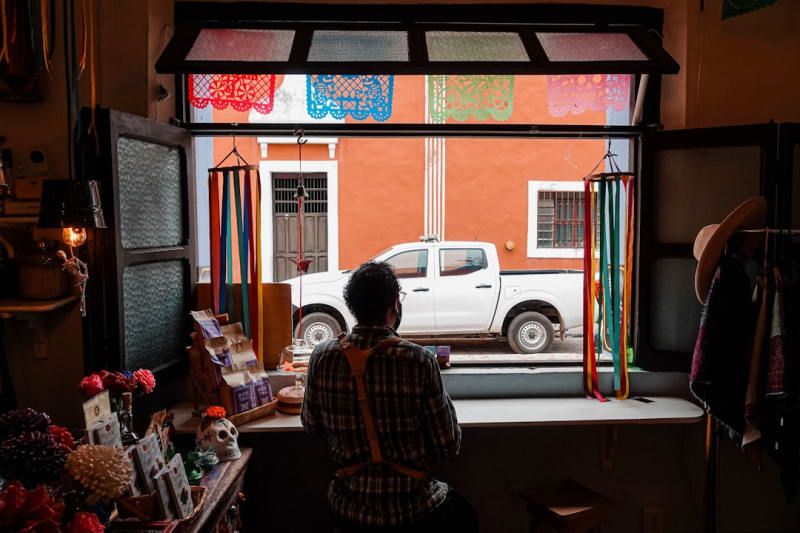
Paracho
A Michoacán Purépecha town where every family builds classical guitars — 600 workshops producing 120,000 instruments per year, the luthier knowledge passed from father to son since the Franciscans introduced European string instruments in the 16th century.
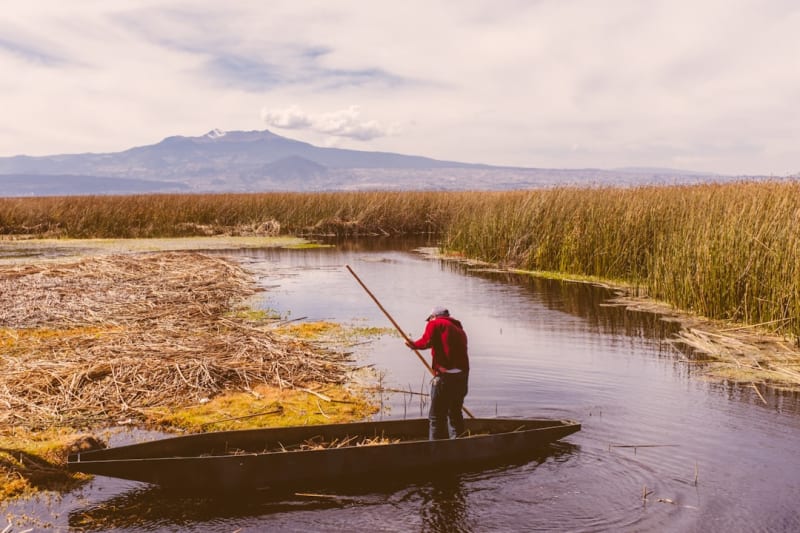
Pátzcuaro
A Purépecha lake town in Michoacán where the Day of the Dead is practiced with a sincerity that has survived five centuries of outside attention without being altered by it.
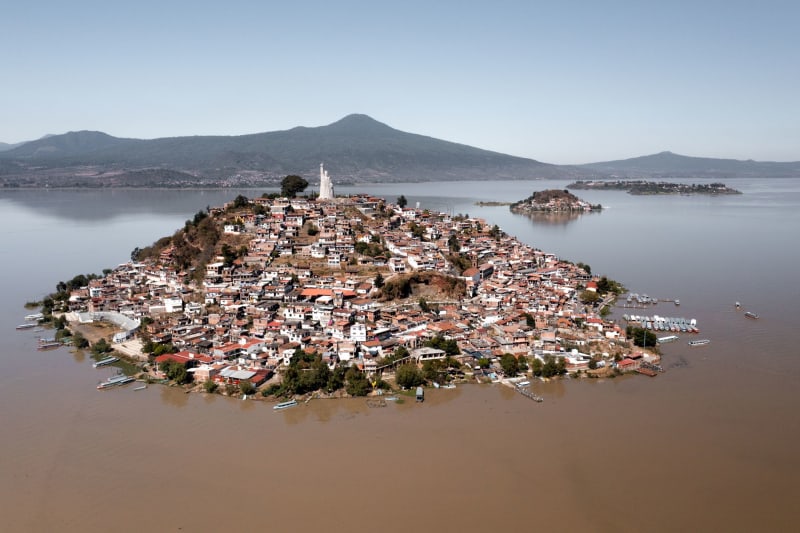
Tzintzuntzan
The former capital of the Purépecha empire on the shores of Lake Pátzcuaro — five pyramid temples on a hillside platform, olive trees planted by Vasco de Quiroga in 1548 still producing fruit, and the most beautiful Day of the Dead cemetery in Mexico.
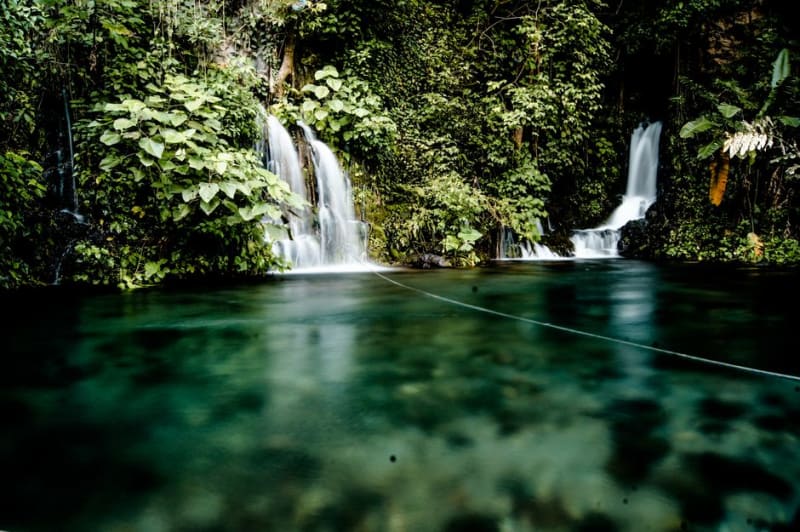
Uruapan
The Michoacán avocado capital with the world's most extraordinary waterfall cascading through a national park in the city center — and an hour away, the volcanic cone of Paricutín, which erupted in a cornfield in 1943 and buried two towns.