Angangueo
"The butterflies cluster so densely that the branches bend. When the sun warms them in the morning, they lift in waves. The sound is like distant rain."
Every October, the monarch butterflies of eastern North America — those that hatched in Canada and the northern United States between June and August — begin flying south. They navigate by the sun and by the Earth’s magnetic field across thousands of kilometers, following a route that none of them have flown before, to arrive in the oyamel fir forests of the Michoacán sierra at altitudes of 3,000-3,400 meters. They have been doing this for longer than we have been recording it.
The Reserva de la Biosfera Mariposa Monarca — which encompasses the core roosting forests above several Michoacán towns — protects the wintering grounds of the eastern monarch population. The reserves at El Rosario (above Angangueo) and Sierra Chincua (above Ocampo) are the most accessible and the most densely populated with butterflies from late November through early March.
What happens in those forests during the winter is one of the most extraordinary biological spectacles on Earth.
The Sanctuaries
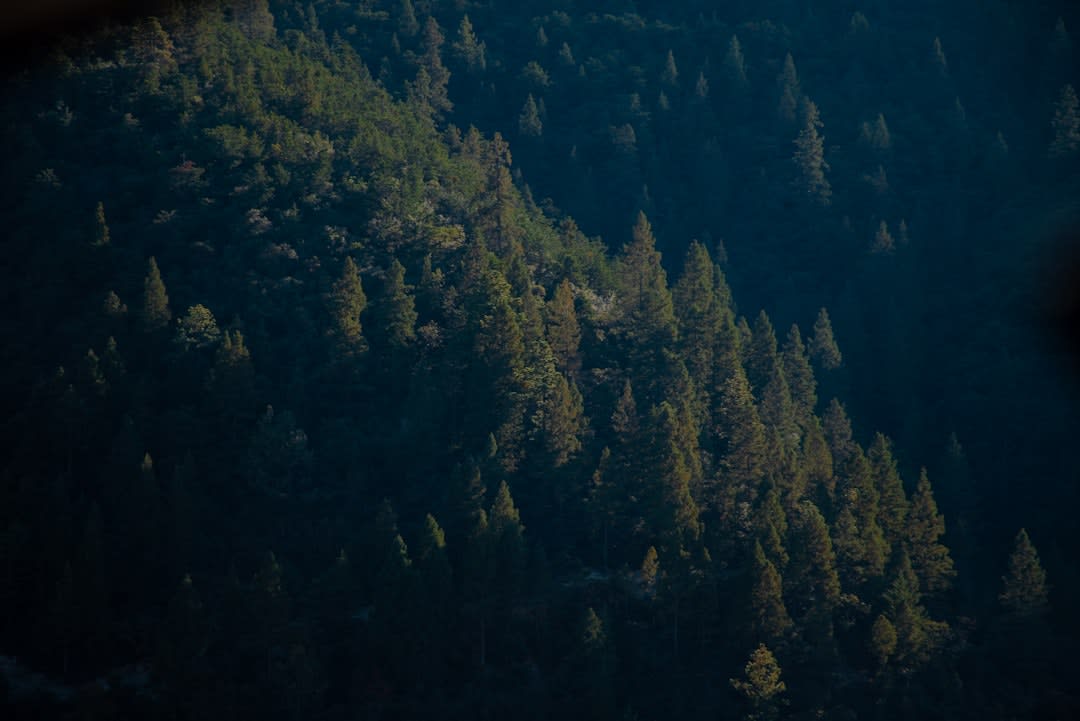
At the Rosario sanctuary, the path from the parking area climbs through the fir forest for about forty minutes before reaching the butterfly zone. The transition is unmistakable: one moment the trees are bare, the next the trunks and branches are covered in orange and black — hundreds of millions of butterflies clustered together for warmth, their combined body heat allowing them to survive nights that would kill individual butterflies.
The butterflies are torpid in the morning cold and cluster so densely that the branches bend under their collective weight. The sound, when you stand in the middle of the roosting area, is not silence — it is the sound of wings moving, fanning slowly for temperature regulation, a dry papery sound at such low individual volume that it takes a moment to identify what you’re hearing.
When the sun comes through the trees and warms the forest floor — typically between 10 and 11 in the morning — the monarchs begin to lift. First in ones and twos, then in waves, then in rivers of orange that flow between the trees and make the air itself appear to be orange. The sun-warmed butterflies move to feed on the wildflowers in the lower forest; the shade areas remain covered. The temperature at the sanctuary (3,000 meters, December-February) is cold: bring layers regardless of the ambient temperature in town below.
The numbers are staggering and ecologically precarious simultaneously. The eastern monarch population has declined dramatically over the past three decades due to milkweed loss in the US agricultural belt (the butterflies can only lay their eggs on milkweed) and illegal logging in the Mexican sanctuaries. The population has partially recovered since the mid-2010s following enforcement improvements; what you see in the sanctuaries today is still a fraction of what existed in the 1980s and what existed in the forest long before that.
The Town and the Mining History
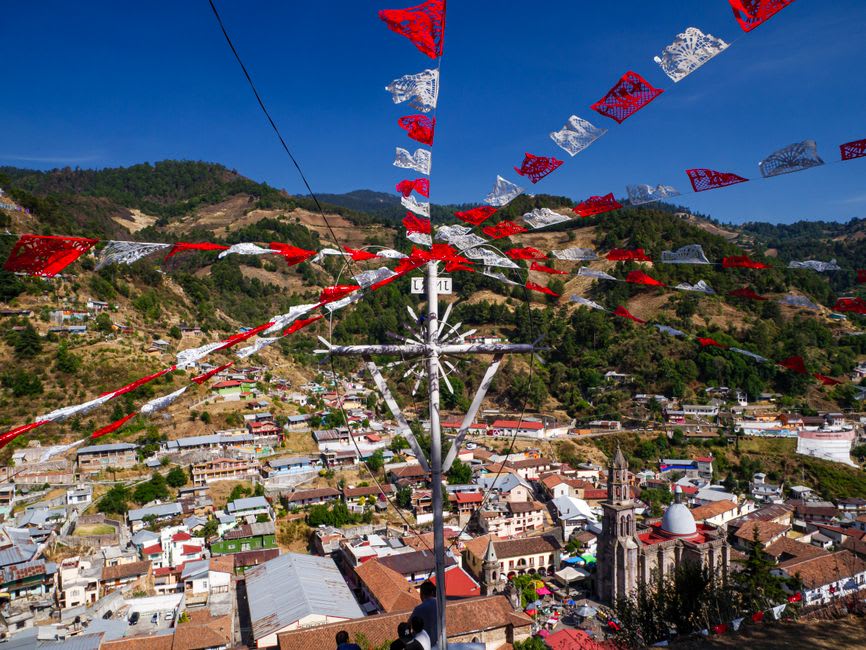
Angangueo is a former silver mining town in the Michoacán sierra, built on such steep terrain that the streets ascend in staircases and the houses are stacked vertically against the hillside. The mining economy collapsed in the mid-20th century; the butterfly sanctuary tourism that developed from the 1980s onward replaced it partially, and the town now lives on a combination of butterfly tourism (November-March) and the quiet the other eight months bring.
The main street has posadas, restaurants serving Michoacán-style food (carnitas in the Michoacán tradition — pork braised in lard with orange and chile, different from and better than the Mexico City version), and the excellent local atole (a hot corn masa drink) served from clay pots in the market on cold mornings.
The drive from Angangueo to the sanctuary passes through villages of Mazahua indigenous communities where the women wear traditional embroidered dress and the Sunday markets reflect a local economy that the butterfly tourism has influenced but not transformed.
Getting there: From Mexico City: 3-4 hours by car via Toluca and Valle de Bravo (the most direct route through the sierra). Buses from CDMX to Zitácuaro (3h), then local bus or taxi to Angangueo (45 min). From Morelia: 2.5 hours by car.
When to go: Mid-November through early March. December and January are the peak months for butterfly density. Late February sees the butterflies beginning to move in advance of their return migration. The sanctuary is closed outside butterfly season. Weekends bring more visitors than weekdays — weekday morning visits in January provide the best combination of density and quiet.