
Morelia
"The cathedral is pink. The wine is from the valley two hours south. The Day of the Dead is unlike anything I have seen anywhere."
Morelia arrived in my life the way the best Mexican cities do: via an offhand recommendation that turned out to be completely correct. A woman I met at a mezcal bar in Roma Norte told me to go in November, specifically for the Day of the Dead, and to stay at least four nights because three is not enough. She had grown up in Michoacán. She said it like someone who had stopped trying to explain it to people who hadn’t been.
She was right on every count.
The city’s bones are extraordinary. Morelia’s historic center — a UNESCO World Heritage Site since 1991 — is built almost entirely in pink quarry stone (cantera rosa), a volcanic rock quarried in the region that gives the colonial buildings their particular color: warm salmon in daylight, amber at dusk, something approaching rose gold under the colonial streetlamps that line the main aqueduct. The cathedral, begun in 1660 and completed in 1744, has twin towers that stand 62 meters high and can be seen from nearly every street in the center. In the evening, when the stone lights up and the outdoor restaurants fill and the aqueduct arches stretch into the distance, Morelia is one of the most beautiful cities in Mexico.
The Cathedral and the Center
The Catedral de Morelia is the architectural center of gravity and the visual fact that organizes everything else. The exterior, carved from pink cantera in a Spanish baroque style inflected with local interpretations, rewards slow attention. The interior is cooler: a long nave, relatively plain by Mexican baroque standards, with a famous 19th-century pipe organ that is still used for concerts.
The Plaza de Armas in front of the cathedral is the social center of the city. Morelia’s café culture is strong — the portales on the south and east sides of the plaza have been occupied by restaurants and coffee vendors for decades, and in the evenings they fill with families, students from the local university, and the kind of ambient street performance that Mexican plazas generate naturally.
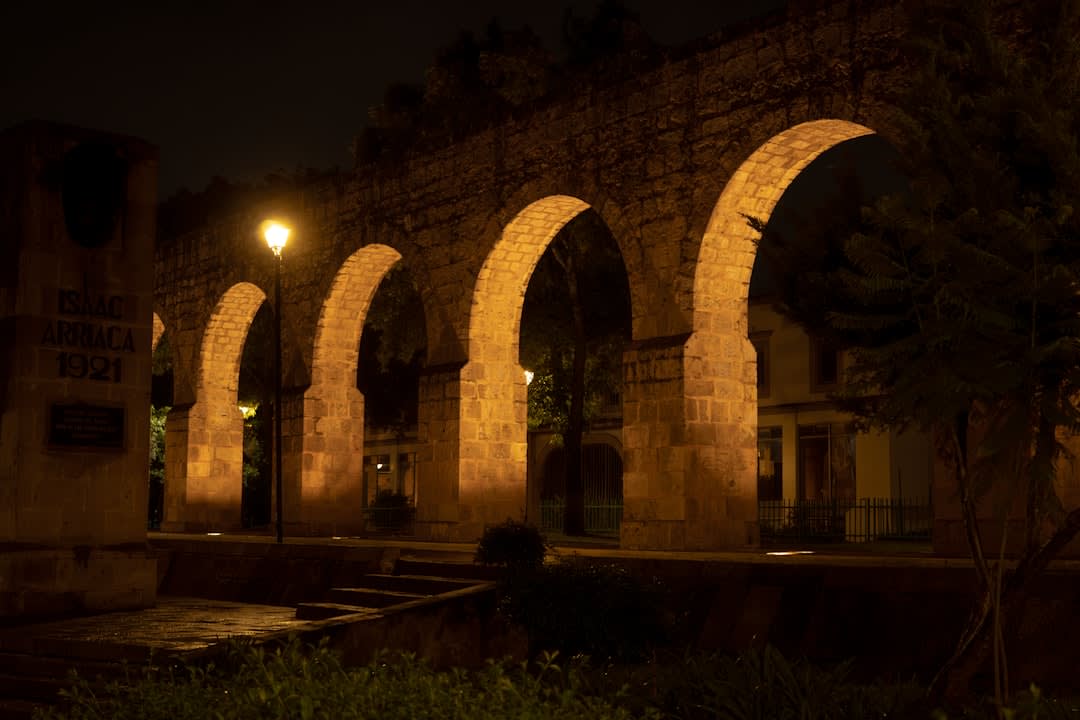
Walk east from the plaza along Avenida Francisco I. Madero — the main commercial artery — and then cut south to the aqueduct, a 1.6-kilometer structure of 253 arches built in 1785 to supply the city with water from the hills. The aqueduct runs along what is now a broad pedestrian boulevard with restaurants on both sides; at night, lit up, it is the most immediately striking thing in the city and completely free to walk the length of.
Day of the Dead
I have seen Day of the Dead celebrations in Oaxaca (extraordinary), in Mexico City (vast and increasingly performative), and in Pátzcuaro (separate entry below, quieter and more intimate). The Morelia version is different from all of them: larger than Pátzcuaro, more rooted in the Purépecha indigenous tradition than Mexico City, and organized around the municipal cemetery and the surrounding streets in a way that makes the ceremony genuinely accessible without being turned into a spectacle.
The Panteón Municipal on the night of November 1st to 2nd is the center of it. Families carry marigolds, copal, food, and candles to the tombs of their dead and spend the night there in vigil — talking, eating, keeping company with the dead in a way that is less mournful than the word “vigil” suggests. The cemetery fills with candlelight and marigold orange and the smell of copal smoke, and the effect is of attending something very old that has survived because it is still genuinely practiced, not because it has been preserved.
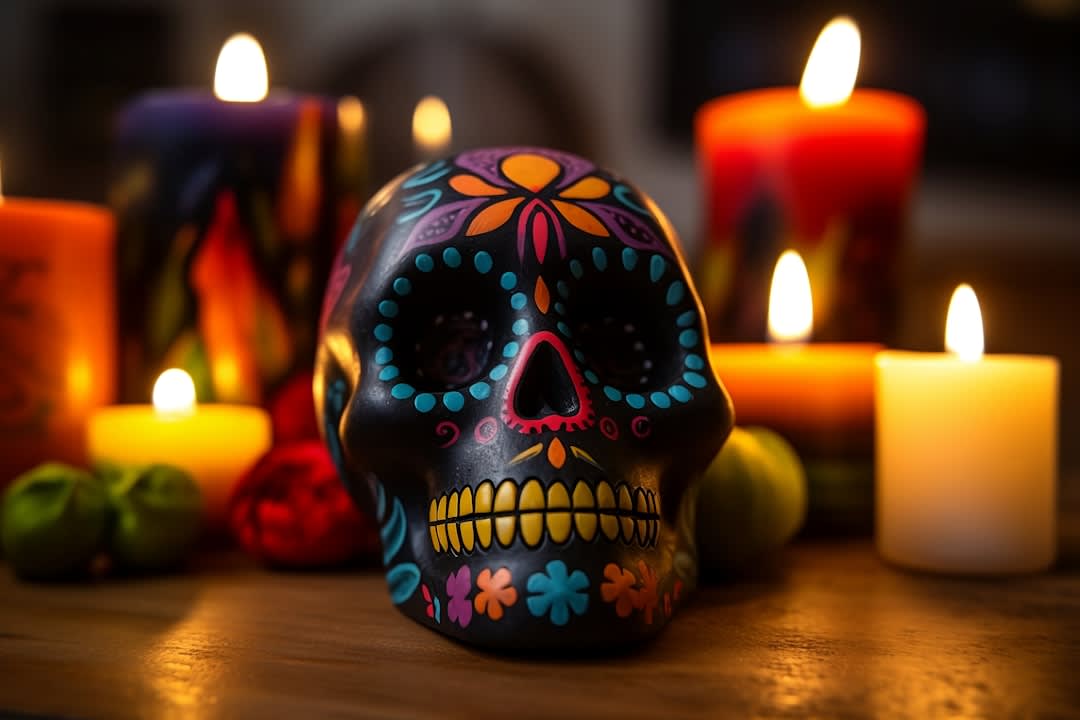
Book accommodation months in advance for November 1-2. The entire city fills and prices triple.
The Monarch Butterflies
Between late October and March, the mountains two hours east of Morelia receive the entire eastern North American population of monarch butterflies — roughly 100 million insects that have migrated from Canada and the northern United States, following a route encoded in genetics no individual butterfly completes more than once. The biosphere reserve at Angangueo and the sanctuaries at Sierra Chincua and El Rosario are where they congregate in densities that have to be seen to be understood.
The trees, in the hours after dawn when the temperature rises and the butterflies warm up, seem to vibrate. Then individual butterflies begin to move, and then groups, and then the air above the forest is suddenly full of orange and the sound — which nobody tells you about beforehand — is a low papery rustling from tens of millions of wings moving simultaneously. I stood in it for twenty minutes and didn’t speak.
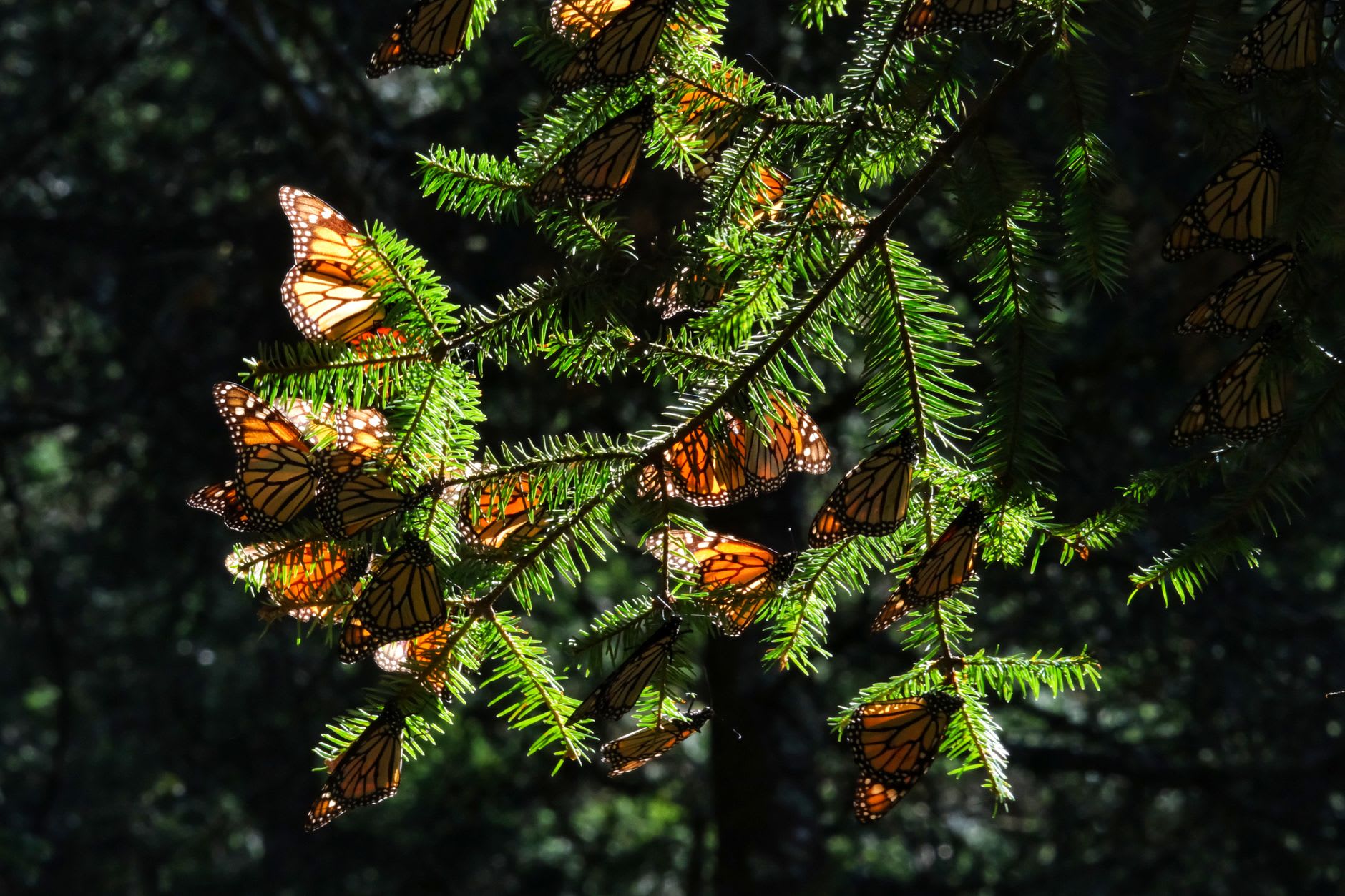
The sanctuary visit requires a guide (they are assigned at the entrance and are essential — the paths are not marked and the terrain is steep). Arrive early and wear layers: the altitude is around 3,000 meters and the morning temperature can be near zero even in November. The butterflies are most active between 10am and 2pm when the sun warms the clearing. Allow four to five hours total including the drive from Morelia.
What to Eat
Michoacán has one of the most distinct regional cuisines in Mexico, which is a competitive field. The state’s contributions to the national table include:
Carnitas — braised pork, cooked in copper pots in lard, served with tortillas and salsa. The Michoacán version, made in copper caldrons that have been used for generations, is the standard by which all other carnitas are judged. The mercado on Calle Galeana sells it by weight from the morning through early afternoon.
Uchepos — fresh corn tamales, softer and sweeter than the dried-corn versions found elsewhere, wrapped in corn husks and served with sour cream and salsa verde. Specific to Michoacán and almost impossible to find outside the state.
Atole de grano — a warm drink made from corn, distinct from the sweet atole found elsewhere, with a slightly fermented edge. Sold in the morning at market stalls.
Morelia’s candy quarter — two streets near the mercado are dedicated entirely to candy vendors selling traditional Michoacán sweets: fruit pastes, cajeta, ates, sugar skulls. More interesting than it sounds and a good place to buy gifts.
Getting there: Direct buses from Mexico City’s Terminal Poniente (Observatorio) take around four hours on Coordinados or ETN. Morelia has its own airport with connections from Mexico City and Guadalajara.
When to go: November for the Day of the Dead and the onset of butterfly season. February and March for the butterflies at their peak, the city quieter and less crowded. Avoid mid-December through early January — the city fills with Mexican tourism and accommodation rates spike.