Pátzcuaro
"Janitzio at two in the morning, November 2nd, lit by a thousand candles. The most moving thing I have seen in Mexico."
Everything I had read about Pátzcuaro’s Day of the Dead said it was crowded, commercialized, and still somehow worth attending. The third point turned out to be correct in a way the first two failed to predict.
We arrived on October 31st on the late bus from Morelia. The town was already filling — pilgrims, tourists, families from across Michoacán arriving to spend the night with their dead. The streets around the lake were clogged with marigold vendors, food stalls, and the particular kind of organized chaos that Mexican towns produce without apparent effort. I had been warned about all of this. What I had not been warned about was what it looked like at midnight on the island of Janitzio, in the cemetery, when all the other noise had fallen away and it was just candlelight and copal and five hundred years of unbroken tradition.
Janitzio
The island of Janitzio sits in the center of Lake Pátzcuaro and is home to a fishing community that has lived there since before the conquest. It is accessible by a short lanchas ride from the pier at Pátzcuaro town — ten minutes across water that is cold and silty and smells of the lake vegetation that grows in the shallows.
The island’s hillside cemetery is the center of the Day of the Dead ceremony. On the night of November 1st, the families of Janitzio carry marigolds, food, candles, and photographs to the graves of their dead and spend the night in vigil. The ceremony is Purépecha in origin — the indigenous people of Michoacán have been marking this boundary between the living and the dead in this lake for over a millennium — and has survived the overlay of Catholicism (which arrived in the 16th century and added its own calendar) with its core intact.
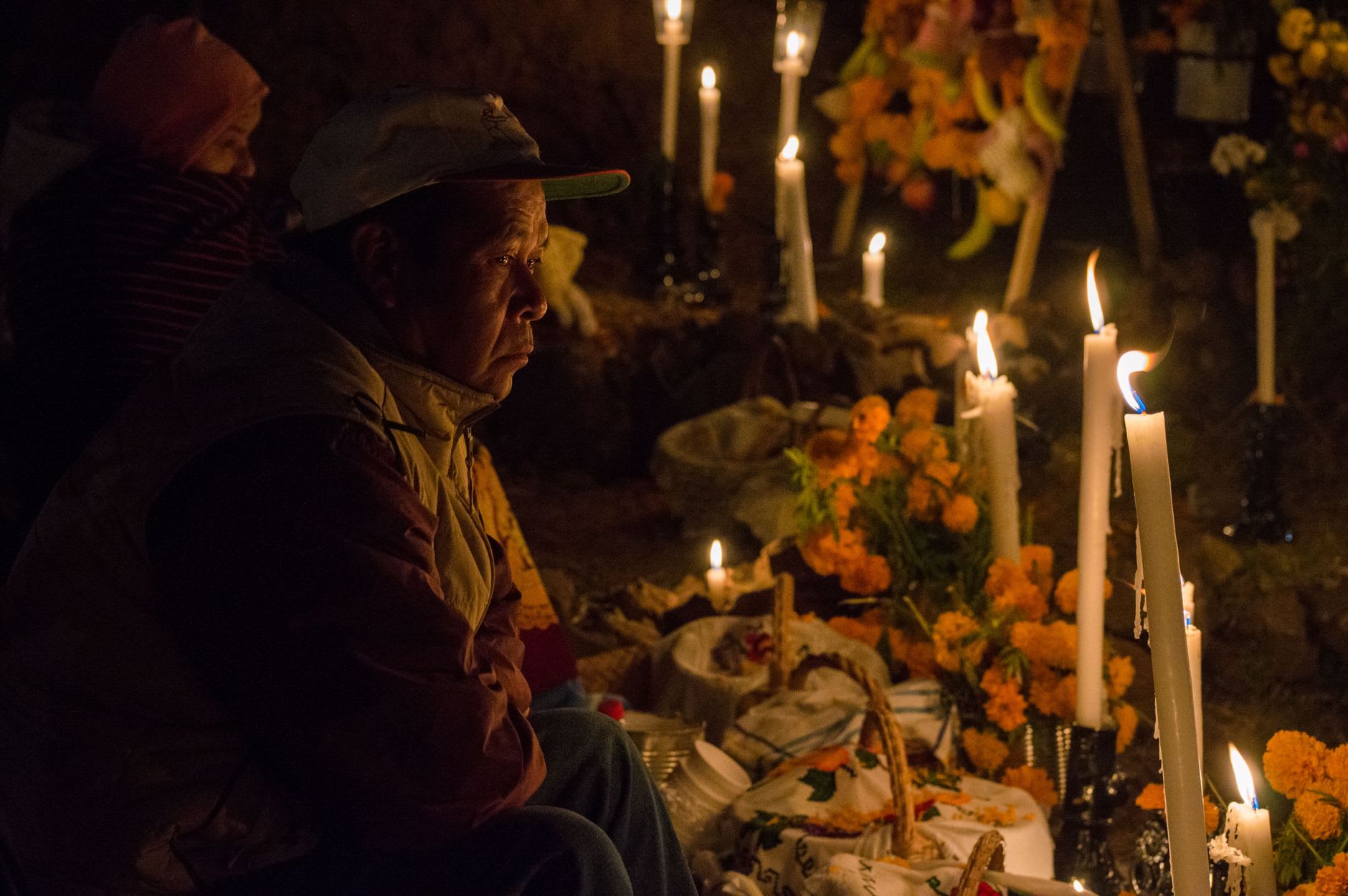
I got there at eleven at night. By midnight the cemetery was so full of candles that the graves were invisible beneath the orange of the marigolds and the white of the wax light. Family groups sat among the offerings — eating, talking quietly, sometimes sleeping. There was no announcement, no choreography, no performance for outsiders. We were watching something being done for the dead, not for us. That distinction — obvious in principle, rare in practice — is what makes Janitzio different from the more celebrated ceremonies in Oaxaca, which are beautiful but increasingly aware of their own audience.
Go late. The crowds thin significantly after eleven and the ceremony becomes more intimate as the night progresses.
The Town
Pátzcuaro is a colonial town of whitewashed walls and dark wooden beams — the Michoacán vernacular that distinguishes it from the pink-stone cities further west. The main plaza, the Plaza Vasco de Quiroga (named for the 16th-century bishop who built the colonial town and is still revered in Michoacán), is one of the largest in Mexico: a long rectangle lined with arcaded buildings and shaded by enormous ash trees that were planted, according to local account, in the 18th century.
The surrounding streets — particularly Calle Portugal and the lanes running toward the lake — have a quieter life. Craft workshops, textile vendors, and the occasional mezcal producer operate out of buildings that have been used for the same purpose for generations.
The Mercado de Artesanías on Calle Enseñanza is the right place to buy craft work from the lake region. The lacquerware made in the nearby town of Uruapan, the copper pieces from Santa Clara del Cobre, the woven textiles from the lake villages — all are available here at prices that reflect the actual cost of making them. The copper vendors in particular: Santa Clara del Cobre (thirty minutes by bus) has been producing hammered copper since the pre-Columbian era, and the market there on weekends is an extraordinary place to spend two hours.
The Fishermen
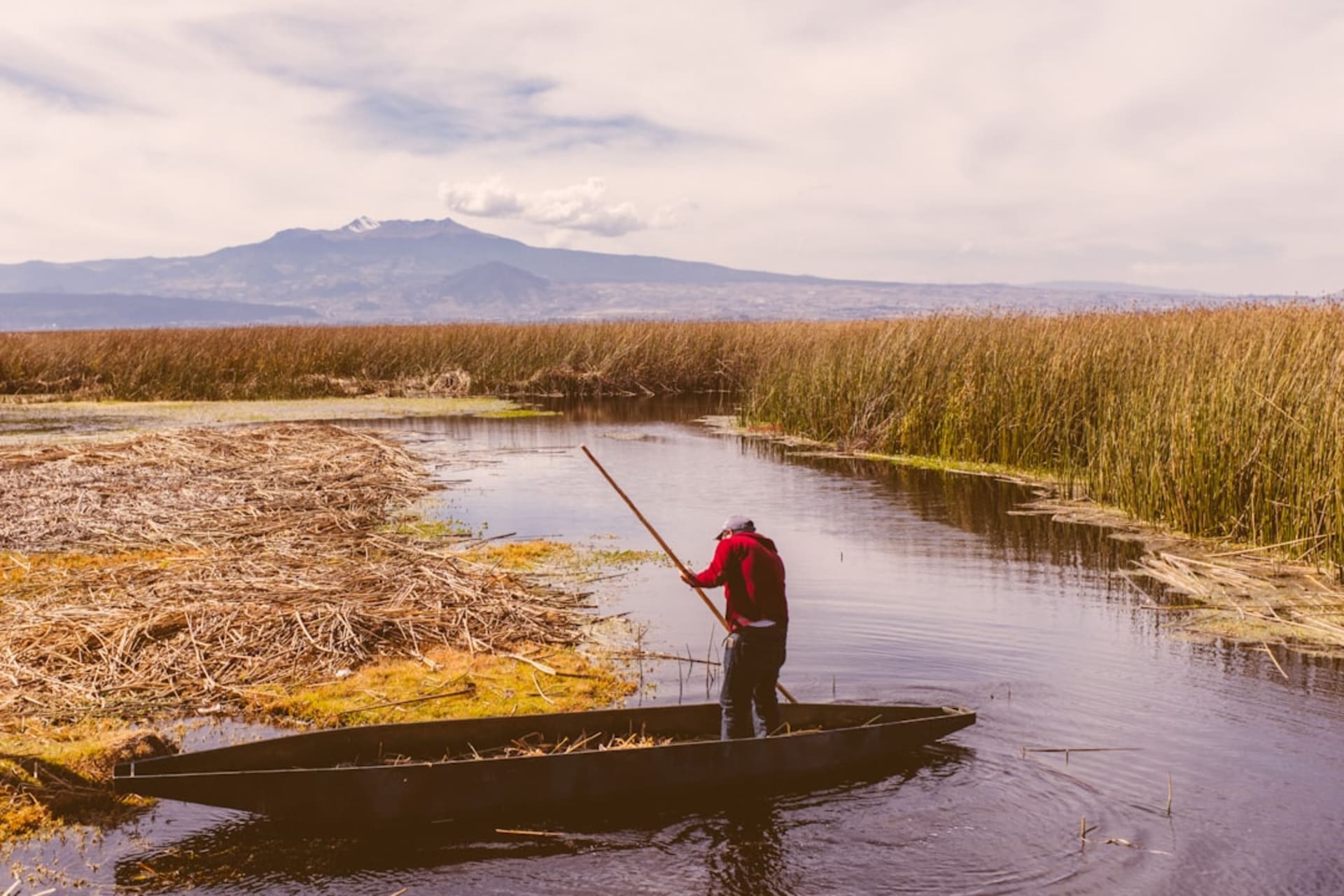
The butterfly-net fishermen of Lake Pátzcuaro — mariposa nets stretched from wooden frames, used from hand-carved wooden canoes — have become the photographic symbol of the lake. The practice is ancient and the nets are a pre-Hispanic design that has been maintained unchanged. Whether it is still practiced as a genuine fishing method or primarily as a tourist performance is a question that locals answer differently depending on who’s asking.
What I can report is that at five-thirty in the morning, before the tourist lanchas were running, I watched two men fish from a canoe near the town pier with butterfly nets in the blue pre-dawn light with no evident audience in mind. Whether they caught anything useful is a separate question. The image — the mist on the water, the silhouette of the nets against the grey sky, the absolute quiet — is one that stays.
What to Eat
Michoacán’s food is the reason to linger. In Pátzcuaro specifically:
Pescado blanco — the small whitefish endemic to Lake Pátzcuaro, traditionally served whole and fried, with lime and chile. The lake population has declined significantly and the pescado blanco sold in restaurants is often not from the lake itself, but the preparation is still the right one: light, fresh, crisp.
Carnitas — the Michoacán standard. The best version in town is sold from a copper pot at the far end of the covered market, open from eight in the morning until it runs out, usually by noon.
Uchepos and corundas — the two tamale variants specific to Michoacán. Uchepos are fresh corn, soft and slightly sweet. Corundas are shaped in a triangular fold rather than the standard cylinder, made from masa and lard, served with crema and salsa.
Getting there: Buses from Morelia take forty-five minutes. From Mexico City, change in Morelia or take a direct service to Uruapan and connect from there.
When to go: October 31st through November 2nd for Day of the Dead. The rest of the year Pátzcuaro is a quiet colonial town with good craft shopping and a lake that is worth a morning. February through April is dry season and the most comfortable for walking.