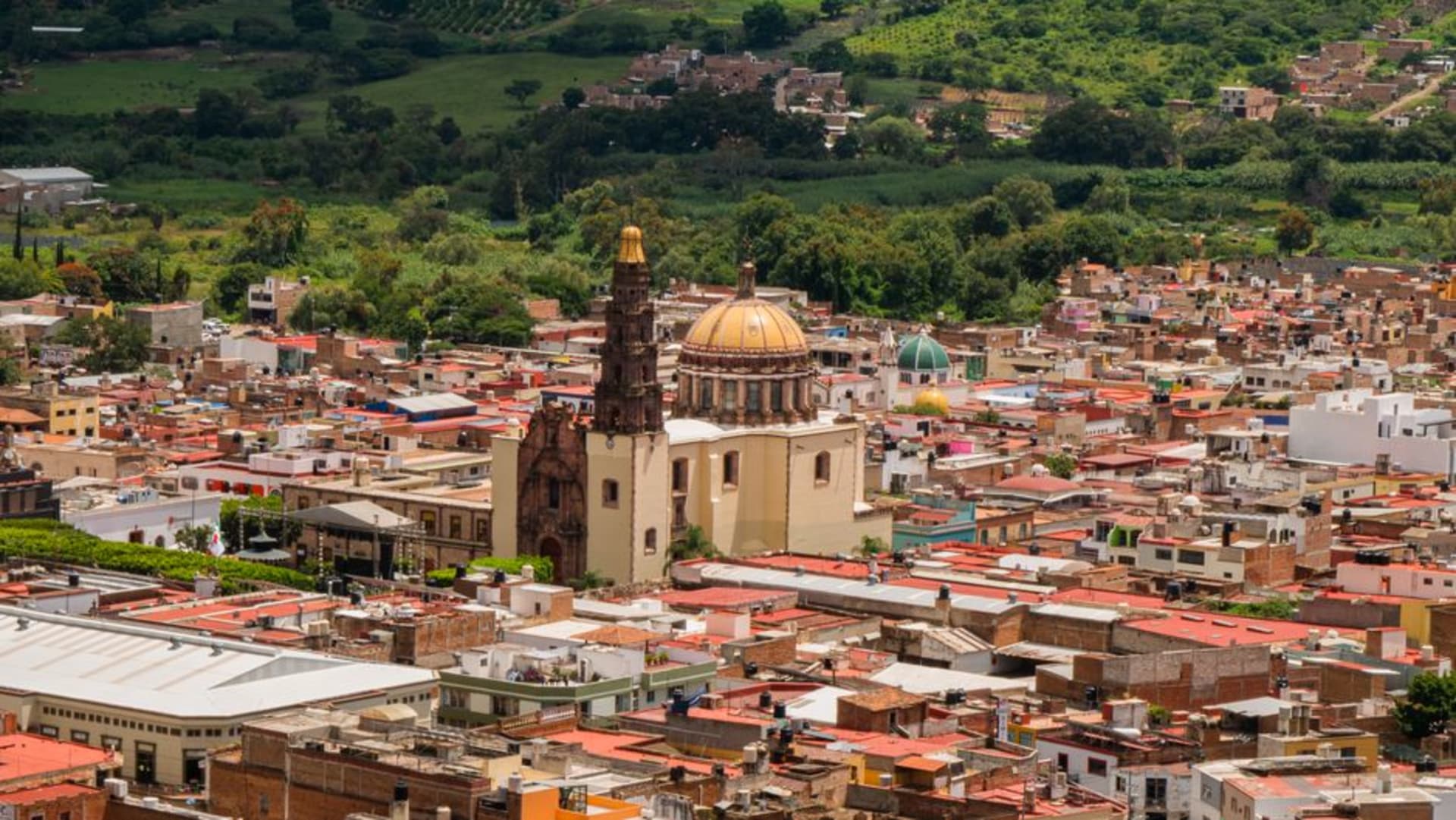
Mascota
"The road from Puerto Vallarta climbs so steeply and winds so hard that arriving in Mascota feels like surfacing into a different country — cooler, quieter, and smelling of pine."
A pueblo mágico tucked into the Sierra Madre at 1,200 metres, reached by a mountain road that peels away from Puerto Vallarta through pine forest and cattle ranches. The town is quietly handsome without performing it — colonial facades, a market with local cheeses and smoked meats, and evenings cool enough that you need a jacket.

The road from Puerto Vallarta climbs for two hours through pine forest and cattle gates, and at some point I stopped checking the map because there was nothing useful to check — either it goes somewhere or it doesn’t. Somewhere turned out to be Mascota, and I arrived in the mid-afternoon with the light already going orange through the pines. The plaza was empty in the way that plazas in functional Mexican towns are empty on a Thursday: not deserted, just unbothered. A man was repainting a park bench. Two women crossed with plastic bags from the market. Nobody was performing their town for anyone.
The Town That Doesn’t Try
Mascota is a pueblo mágico that seems largely indifferent to the designation. The colonial facades along the main streets are well-maintained but not restored to the point of unreality — paint chips in places, the ironwork is practical rather than decorative. The Parroquia de la Inmaculada Concepción anchors the zócalo with the quiet authority of a building that has been standing long enough to stop caring whether you look at it. I spent an afternoon walking circuits around the plaza, buying a coffee from a cart near the jardín, watching the town conduct its actual business: hardware store, pharmacy, taquería, the normal machinery of a place that has not reorganized itself around visitors. At 1,200 metres, the air is different — thinner, cleaner, and in the evenings you feel the altitude in your lungs and your body reaches instinctively for a jacket that, if you came from Puerto Vallarta, you almost certainly did not bring.

What the Market Actually Has
The mercado municipal is where Mascota shows its hand. The surrounding ranches produce cheeses — queso de aro, a hard pressed local variety that comes wrapped in cloth — and smoked meats that have nothing to do with the vacuum-packed versions you find in city supermarkets. I bought a wedge from a woman who told me, with notable seriousness, that the milk comes from cows that eat grass. In 2026 this is worth saying out loud. Raicilla, the regional agave spirit produced in these mountains for centuries before mezcal became fashionable, is sold from unlabeled bottles at a few tiendas on the side streets off the main square. It is rougher than most mezcal I have had — more resinous, more mineral, completely uninterested in impressing anyone. I drank a small glass at a plastic table outside a store and watched a rooster walk across the street without any particular urgency.

The Laguna and the Rest of the Day
Laguna de Juanacatlán sits about four kilometres from town and is worth the walk if you have the morning for it. The lake occupies a basin ringed by pine-covered hills, the water cold and clear and not yet wearing the footprints of mass tourism. I went at eight in the morning when the mist was still low over the water and had the shore mostly to myself. Bring something from the market, take your time getting back, and plan to be in town again before the afternoon clouds move in from the sierra. In the evening, the streets empty fast — by seven-thirty Mascota is operating on mountain time, which means dinner early, a glass of raicilla at the counter somewhere, and bed before nine with the window cracked open to the cool air.

Getting There
Mascota is roughly 100 kilometres east of Puerto Vallarta — about two hours by the road through San Sebastián del Oeste, which is paved but narrow in stretches and best driven in daylight. There is no direct bus from Puerto Vallarta; a rental car or arranged transfer is the practical option. The best months are November through February, when the rainy season has ended, the hills are still green, and the days are clear and cool without being cold.
Keep exploring
More of Jalisco
Keep exploring
More from Jalisco
 mexico
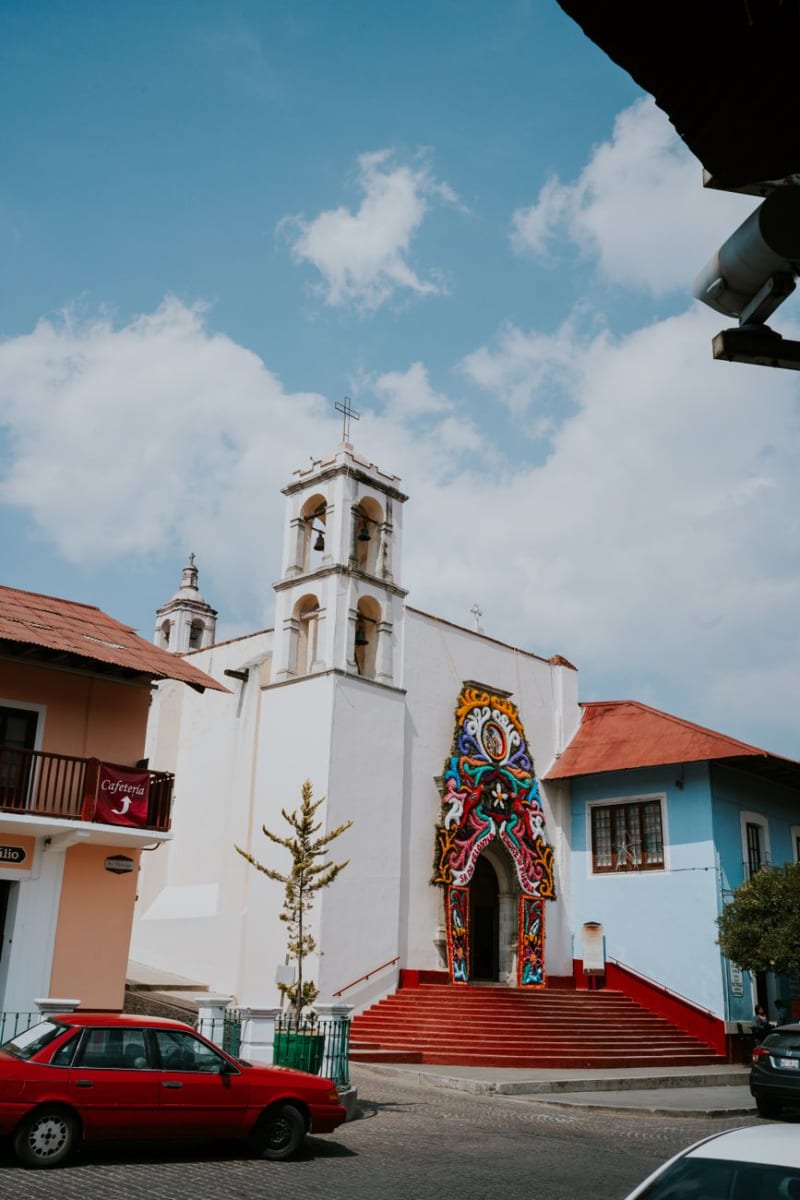
 San Sebastián del Oeste
San Sebastián del Oeste is a silver mining Pueblo Mágico in the Sierra Madre Occidental — 80 kilometers from Puerto Vallarta by road, or forty minutes by small propeller plane, or a different world entirely. Founded in 1605, the colonial plaza and church are of disproportionate grandeur for a current population of around 800, built for the prosperity of centuries ago and now kept mostly by the mountain silence. I flew in on the small plane from PV, stepped onto a grass airstrip, and arrived in a town where the loudest sound was a rooster.
Explore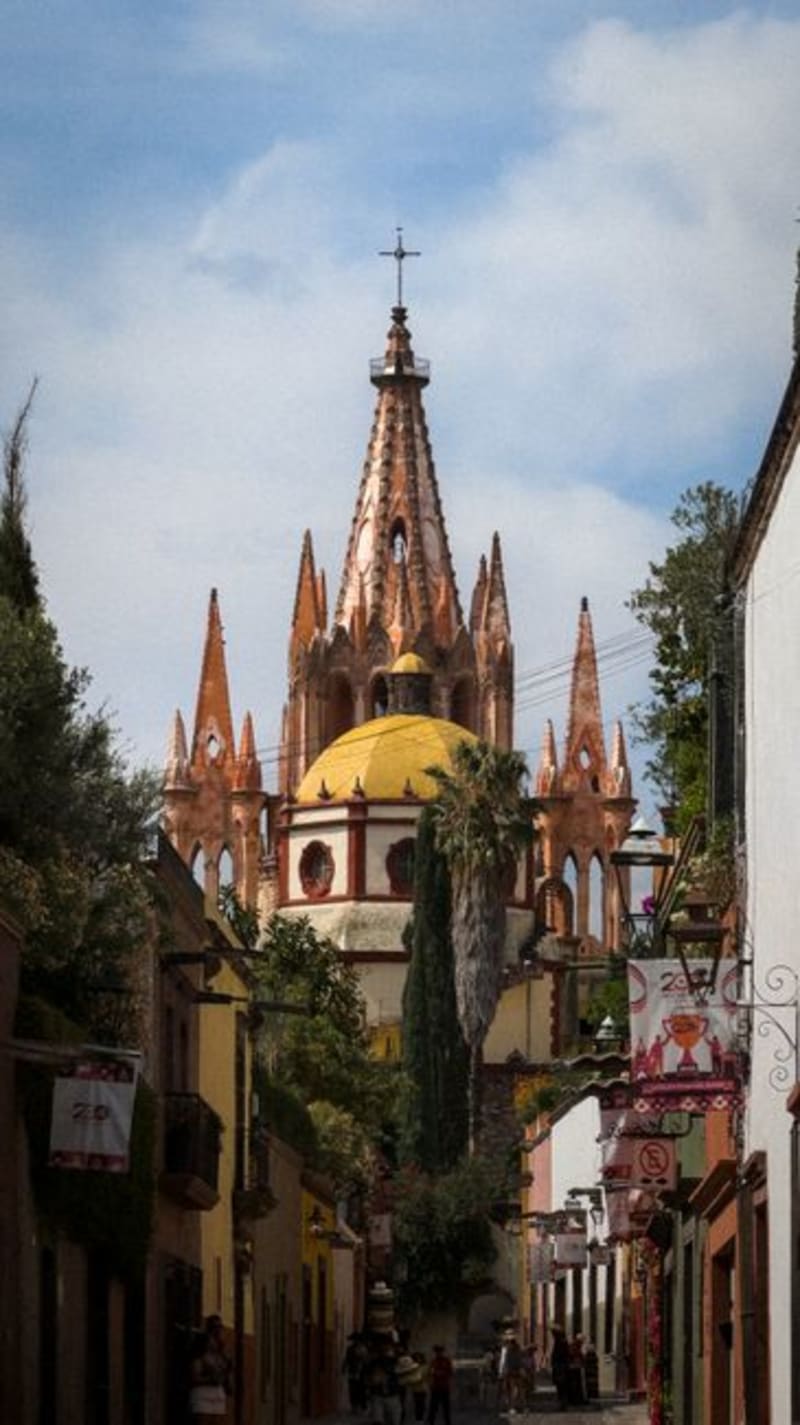 mexico
 Talpa de Allende
A pilgrimage town tucked into the Sierra Occidental, where millions come each year to see a tiny wooden Virgin and end up staying longer than planned — drawn in by the gorditas, the cool mountain air, and streets that feel built for walking slowly.
Explore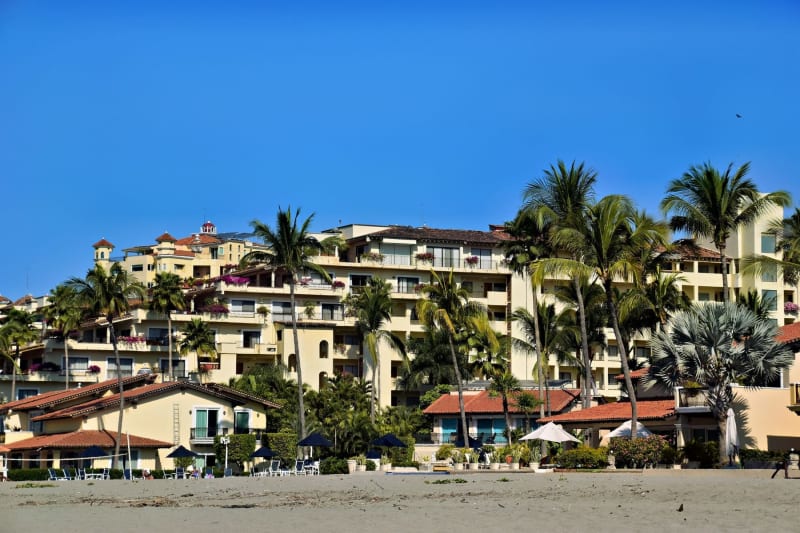 mexico
 Puerto Vallarta
Cobblestone streets meet Pacific beaches where the Sierra Madre meets the sea in Mexico's most romantic resort town.
Explore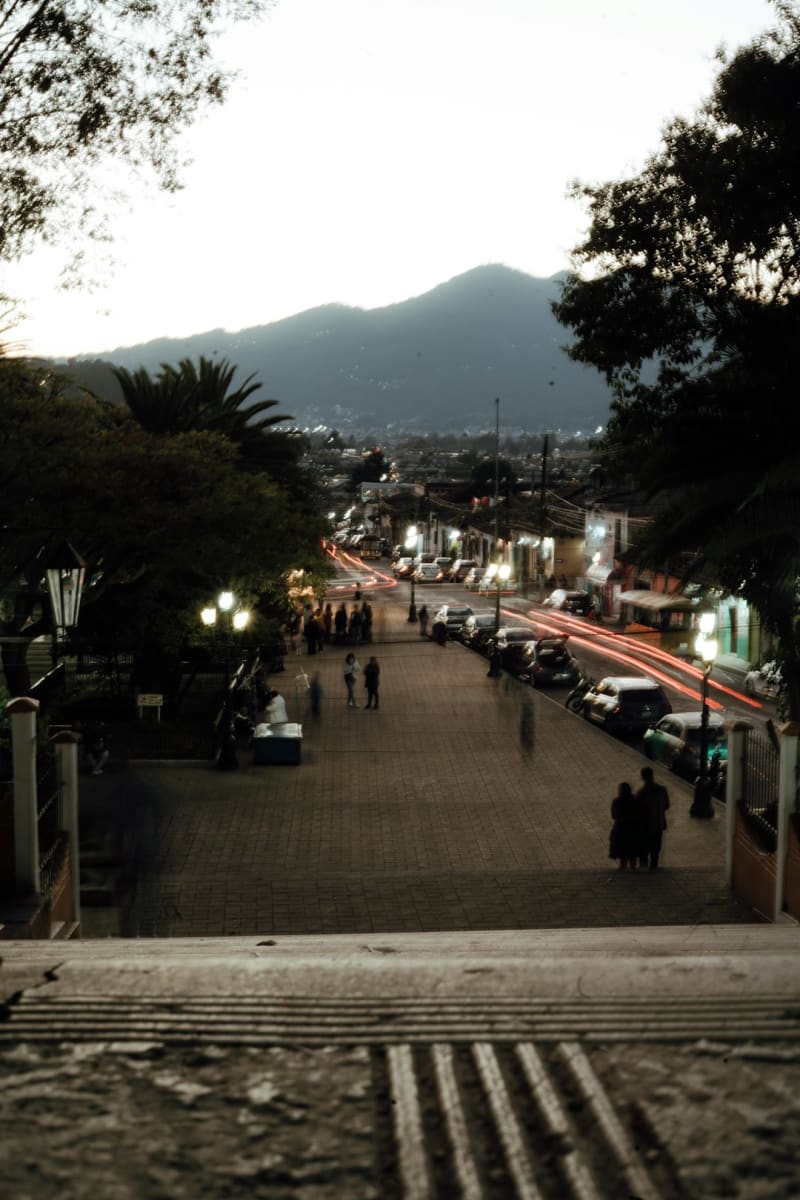 mexico
 El Tuito
Fifty kilometers south of Puerto Vallarta, the highway turns inland and climbs into a different Mexico entirely. El Tuito is a whitewashed Pueblo Mágico draped over a ridge in the Sierra de Cacoma, its baroque church visible for kilometers and its cobblestones untouched by the resort logic of the coast below.
Explore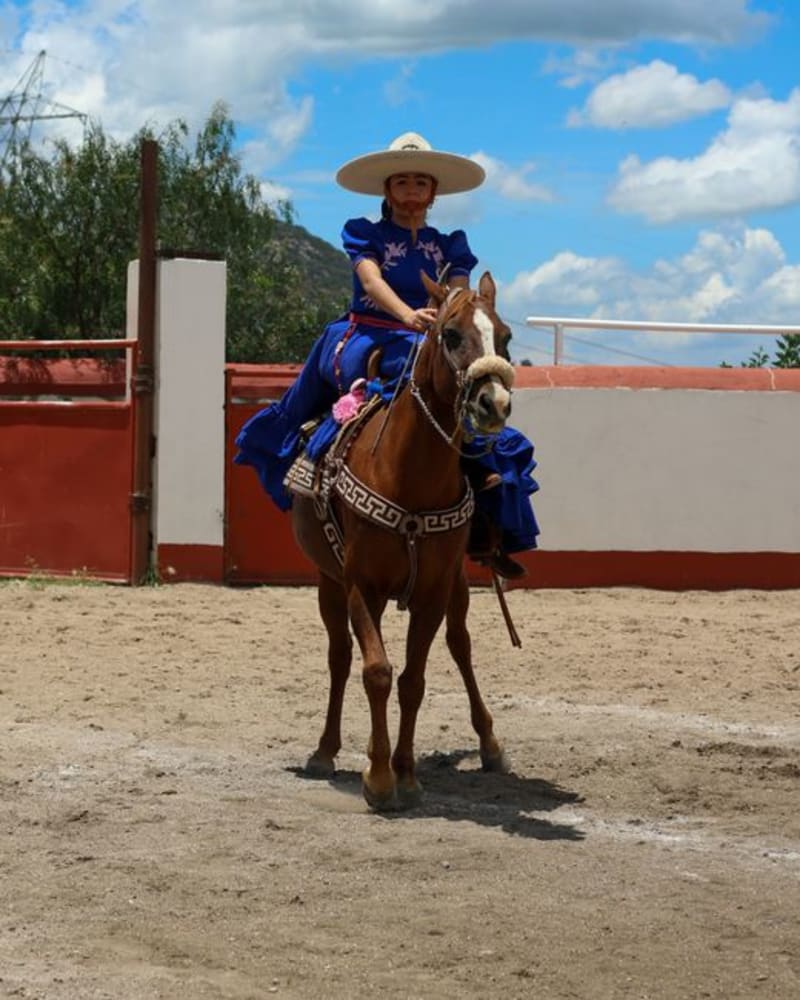 mexico
 San Marcos
San Marcos is a quiet Jalisco town that wakes violently every April for the Feria de San Marcos — a horse fair of charro riders and regional spectacle that has been running since the 19th century. The rest of the year it barely stirs, which is part of what makes the contrast so startling.
Explore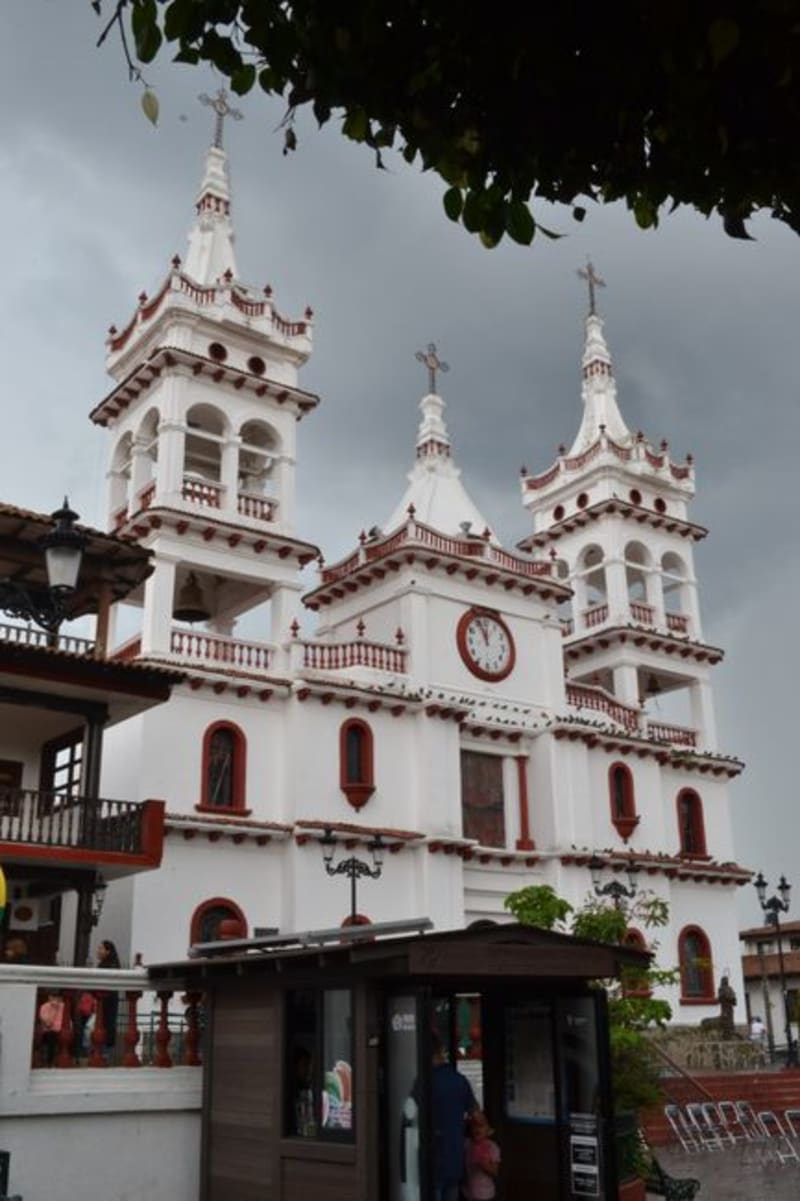 mexico
 Etzatlán
A Pueblo Mágico in western Jalisco that wears its designation without performance — colonial arcades, a lagoon full of migratory birds, and a Saturday market that serves the town rather than its visitors.
Explore