El Tuito
"The priest was sweeping the atrium when I arrived, and he paused to recommend the carnitas stand two streets over — the blessing I actually needed."
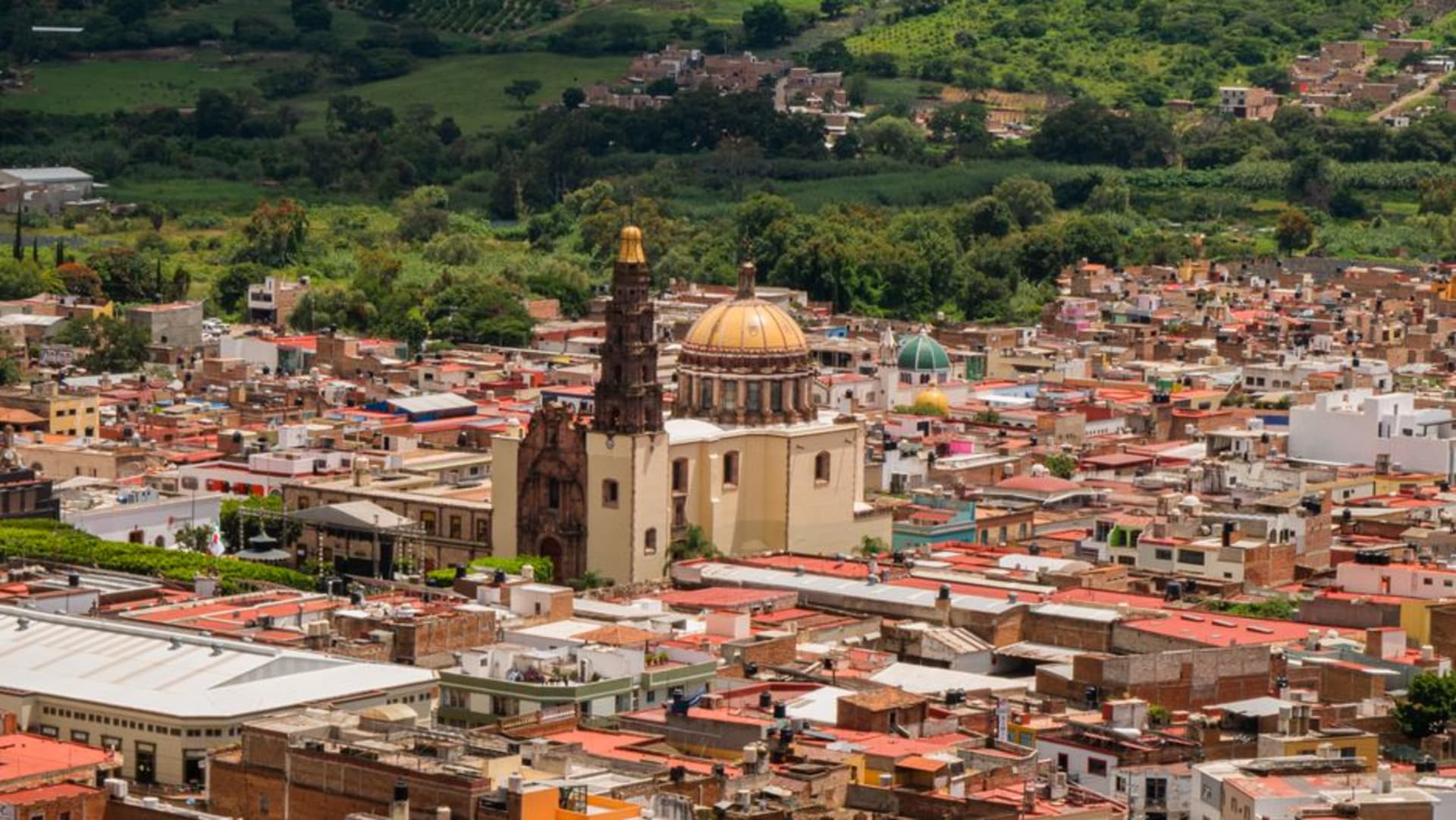
Fifty kilometers south of Puerto Vallarta, the highway turns inland and climbs into a different Mexico entirely. El Tuito is a whitewashed Pueblo Mágico draped over a ridge in the Sierra de Cacoma, its baroque church visible for kilometers and its cobblestones untouched by the resort logic of the coast below.

I pulled off the highway at the sign for El Tuito because the road looked interesting, which is the only honest reason anyone stops anywhere. The climb from the coastal plain takes maybe fifteen minutes, and when you crest into the village you realize the Pacific was visible the whole time — you just weren’t paying attention. The priest was sweeping the atrium of the Parroquia de San Pedro when I arrived, and he paused to recommend the carnitas stand two streets over. That was the blessing I actually needed. I stayed for six hours.
A Church That Earns Its Prominence
The Parroquia de San Pedro Apóstol sits at the center of El Tuito the way baroque churches always do in these Jalisco towns — not modestly, not accidentally, but as a full declaration of intent. The tower is visible from the highway for kilometers before you turn. Up close, the proportions are even more assertive: thick walls the color of old bone, an atrium wide enough to hold a fair, and inside, a cool darkness that takes a moment for your eyes to accept.
What I wasn’t expecting was the view from the churchyard. El Tuito is built along a ridge, and the atrium sits at its edge. On a clear morning — and most mornings here are clear — you can see the coast shimmer somewhere past the foothills. The Sierra de Cacoma rises behind you. The village itself drops away in tiers of rooftops and bougainvillea. It’s the kind of geography that makes you understand why someone built a church here and why anyone stayed.

Carnitas and the Slow Business of the Plaza
The carnitas stand the priest mentioned is on Calle Independencia, or near it — I stopped asking for exact addresses in small Jalisco towns after realizing everyone navigates by landmarks anyway. The woman running it fries the pork in a copper pot over wood, which produces carnitas with a slightly smoky edge you don’t get from gas burners. She serves them on blue plastic plates with handmade tortillas, a bowl of salsa verde that leaves a clean burn, and a pile of raw onion and cilantro. It was eleven in the morning. I ate two portions.
The plaza fills in a slow, unhurried way that has nothing to do with tourism. Old men occupy the iron benches by mid-morning. A woman sells elotes from a cart near the kiosk. By noon the tianguis along the main street is in full voice — vegetables, dried chiles, plastic household goods — and the whole transaction of the day has the quality of something that happens the same way every week and has for generations.

The Drive Back Down
What El Tuito offers, finally, is proportion. After Puerto Vallarta’s waterfront hotels and the strip of resort beaches along the Riviera Nayarit, the village’s scale is almost disorienting — a main square you can cross in ninety seconds, streets where you hear your own footsteps, a horizon that hasn’t been blocked. Most tourists driving the coastal highway toward Manzanillo don’t stop. The sign is easy to miss and the detour adds forty minutes. That math is El Tuito’s best feature.
The road back to the highway drops quickly through oak and pine, and then suddenly you’re back in the heat and the coast traffic, and the ridge with its white church has already disappeared behind a turn.

Getting There
El Tuito sits on Federal Highway 200, roughly 50 kilometers south of Puerto Vallarta. Look for the turnoff signed to the village and climb the paved road inland — about 12 kilometers from the highway. There is no bus that goes up the ridge; a rental car or taxi from Tomatlán or the coast is your best option. Fuel up before you go, and bring cash.
Keep exploring
More of Jalisco
Keep exploring
More from Jalisco
 mexico
 Puerto Vallarta
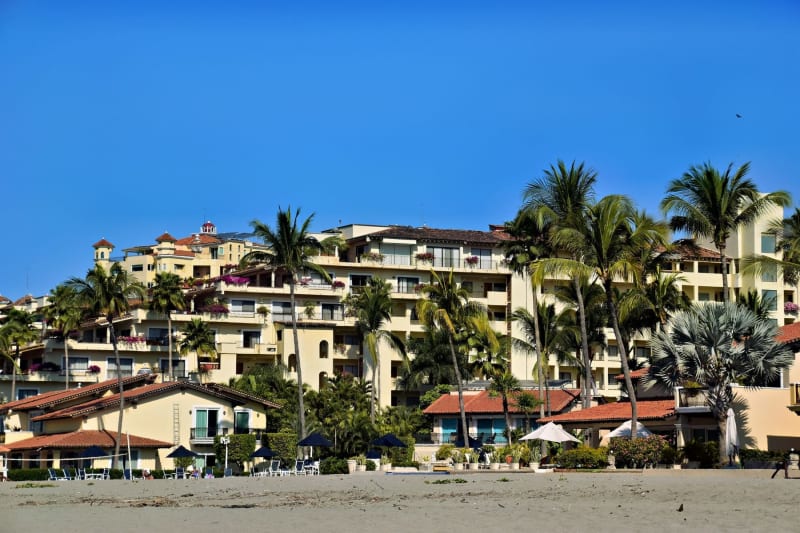
Cobblestone streets meet Pacific beaches where the Sierra Madre meets the sea in Mexico's most romantic resort town.
Explore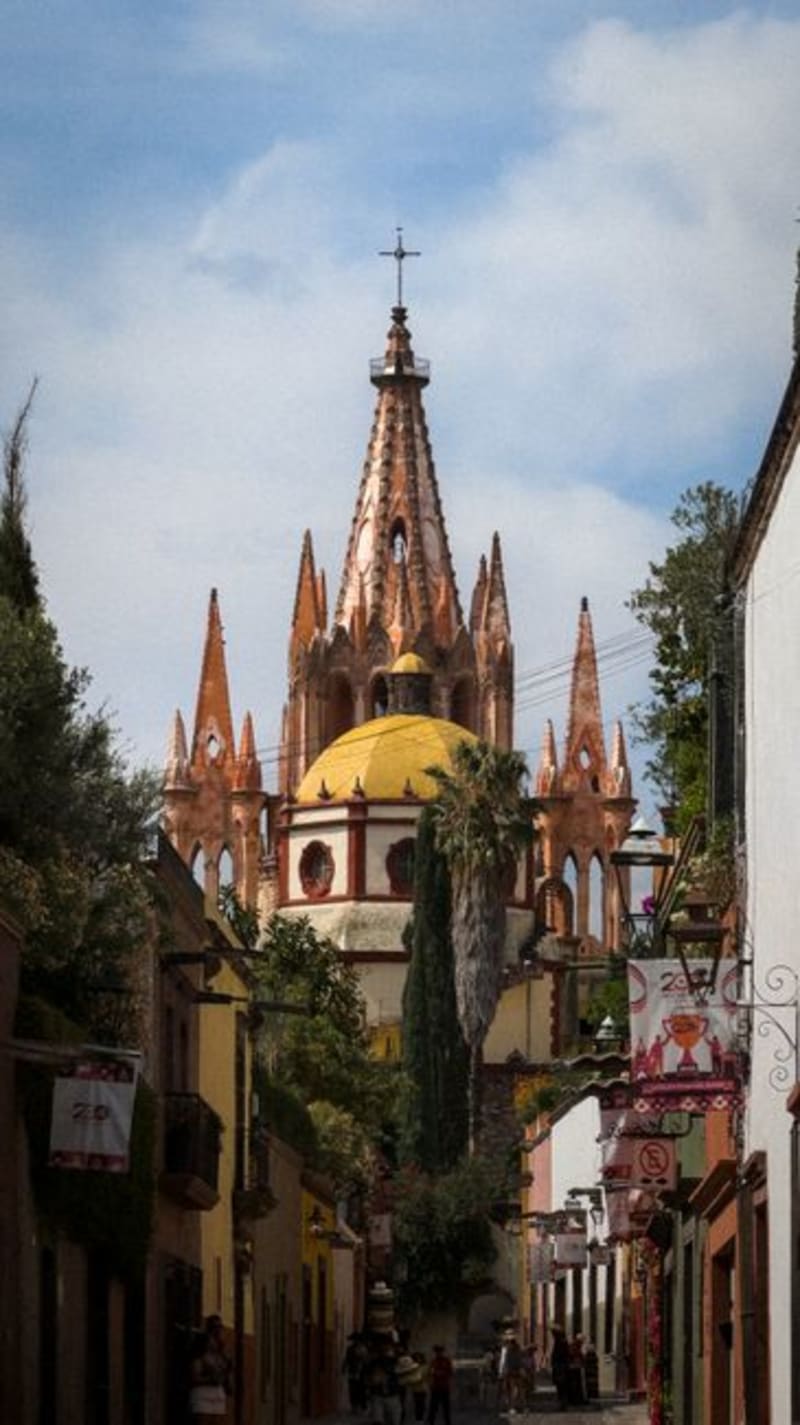 mexico
 Talpa de Allende
A pilgrimage town tucked into the Sierra Occidental, where millions come each year to see a tiny wooden Virgin and end up staying longer than planned — drawn in by the gorditas, the cool mountain air, and streets that feel built for walking slowly.
Explore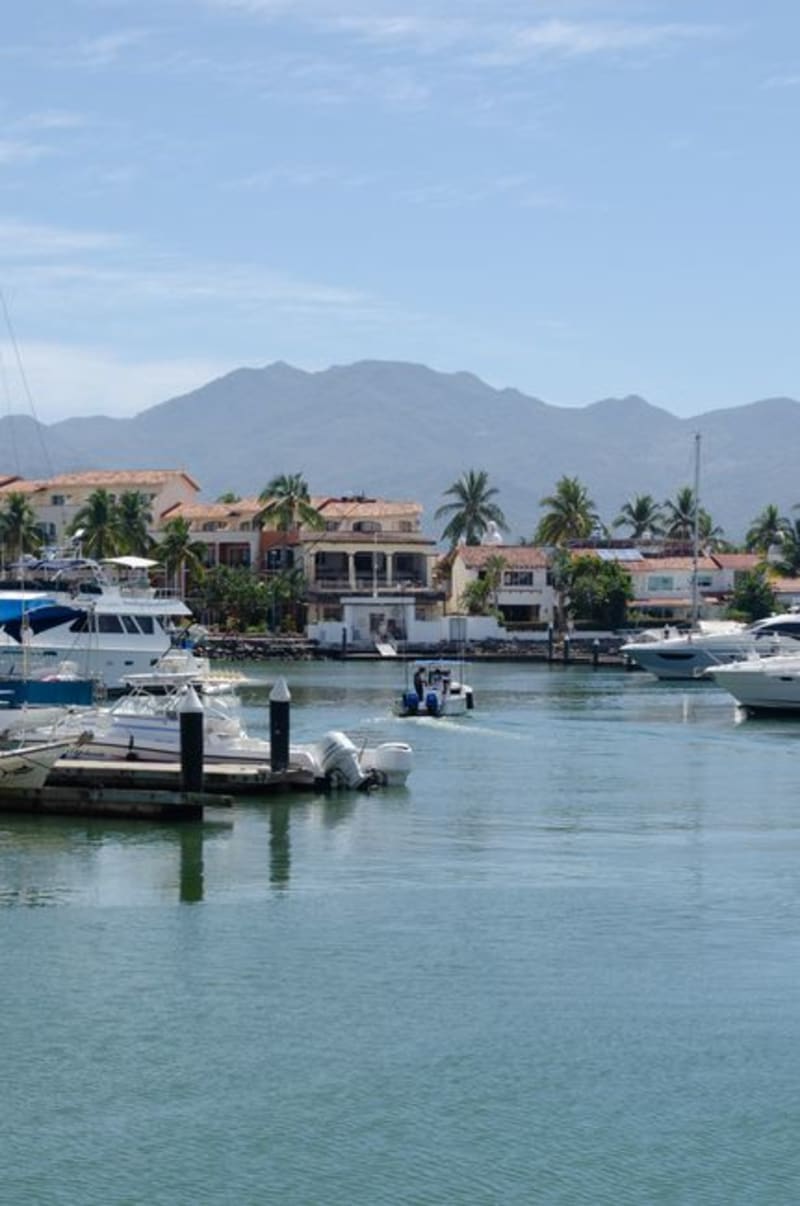 mexico
 Tomatlán
A small agricultural town at the feet of the Sierra Madre where mango groves and coconut palms run down to the Costa Alegre, one of the most unvisited coastlines in all of Mexico. Tomatlán moves at the pace of its own heat — unhurried, productive, indifferent to tourism in the best possible way.
Explore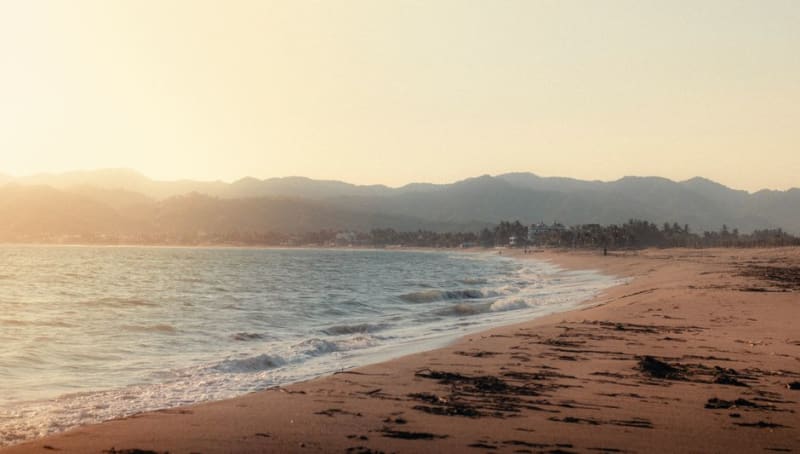 mexico
 Tomatlán
Most surfers blow past Tomatlán chasing Sayulita or Punta Mita, which is exactly why the wild coast west of this river town still belongs to those who know. Long empty beaches backed by jungle, zero condominiums, and waves that nobody is fighting you for.
Explore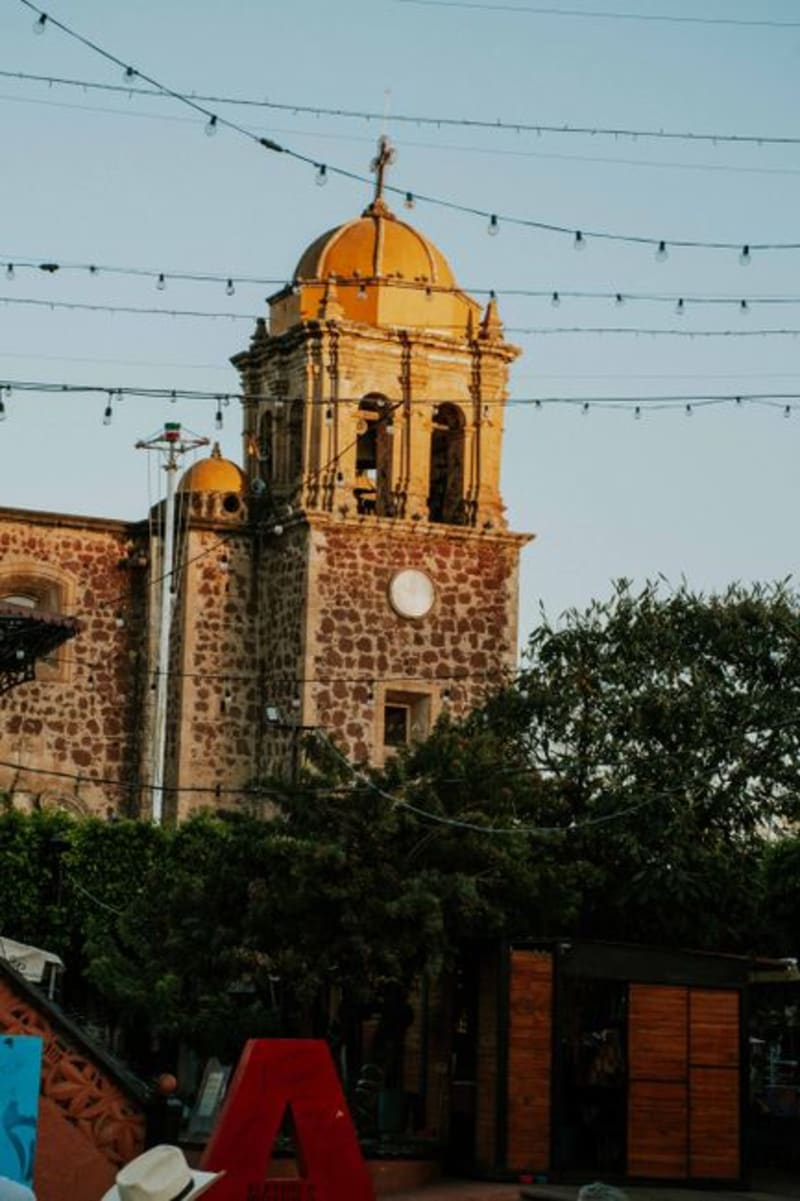 mexico
 Mascota
A pueblo mágico tucked into the Sierra Madre at 1,200 metres, reached by a mountain road that peels away from Puerto Vallarta through pine forest and cattle ranches. The town is quietly handsome without performing it — colonial facades, a market with local cheeses and smoked meats, and evenings cool enough that you need a jacket.
Explore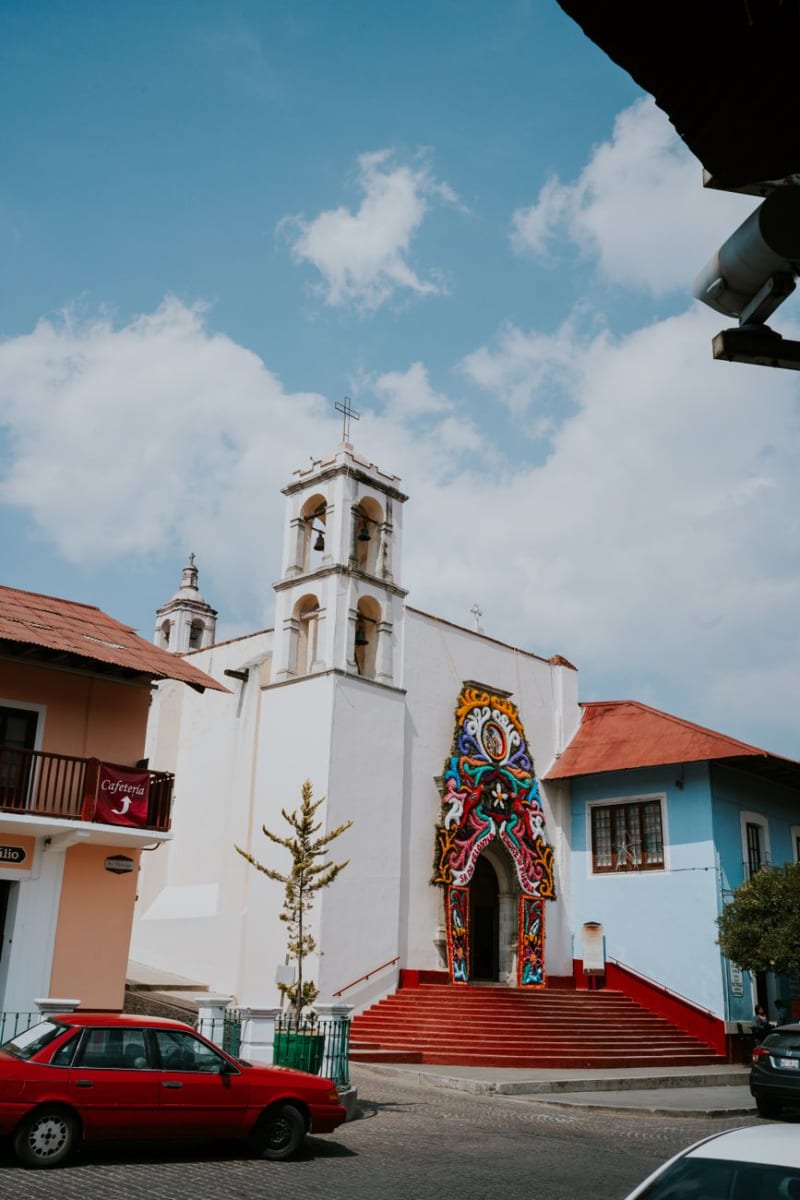 mexico
 San Sebastián del Oeste
San Sebastián del Oeste is a silver mining Pueblo Mágico in the Sierra Madre Occidental — 80 kilometers from Puerto Vallarta by road, or forty minutes by small propeller plane, or a different world entirely. Founded in 1605, the colonial plaza and church are of disproportionate grandeur for a current population of around 800, built for the prosperity of centuries ago and now kept mostly by the mountain silence. I flew in on the small plane from PV, stepped onto a grass airstrip, and arrived in a town where the loudest sound was a rooster.
Explore