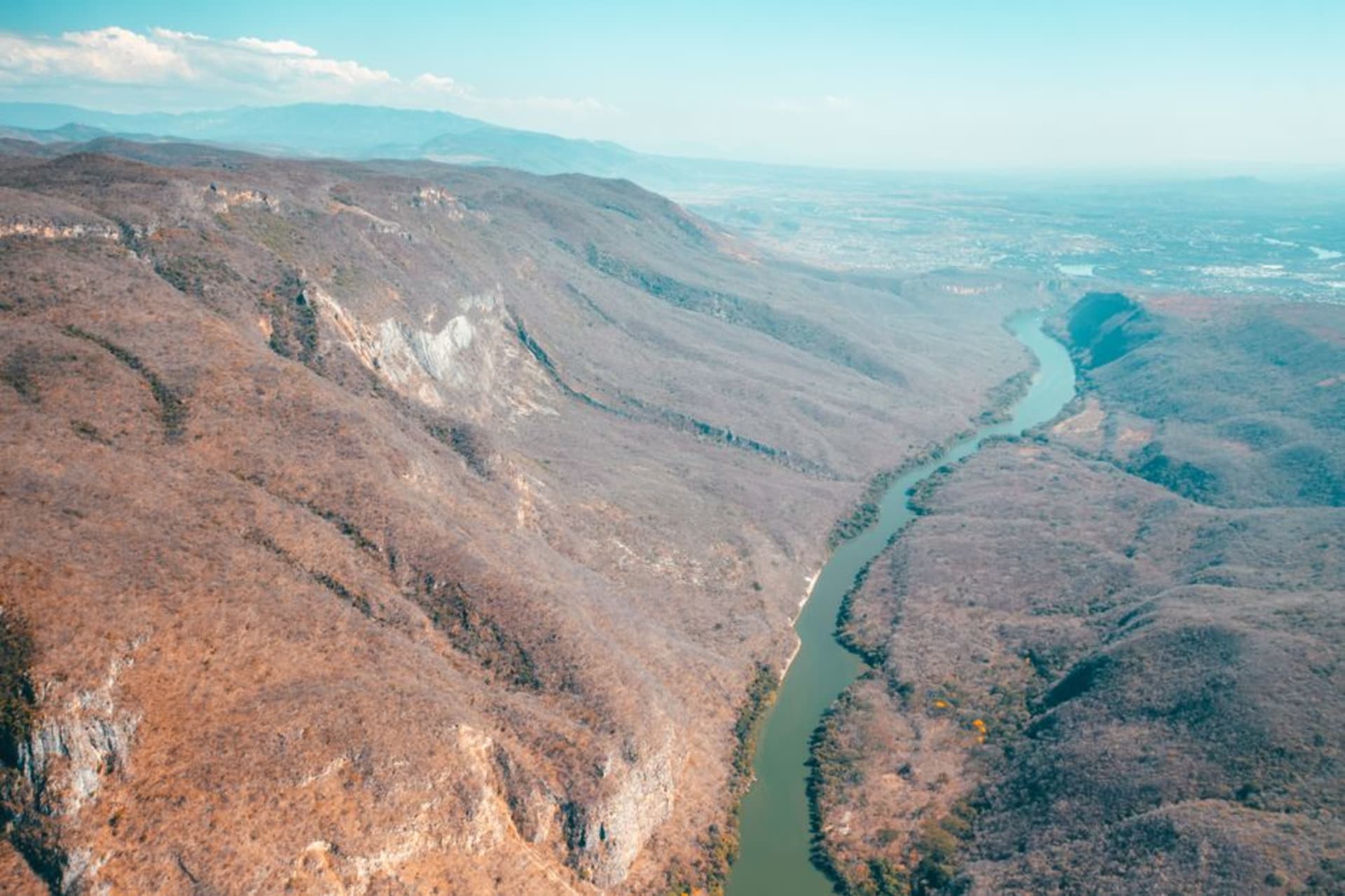
Bolaños
"The canyon opens below you like a wound in the earth, and at the bottom, somehow, there is a town."
Bolaños sits at the bottom of one of Mexico's most dramatic canyons, where the Bolaños River has carved a gorge that rivals Copper Canyon without a single tour operator in sight. An 18th-century silver-mining town held in place by sheer topography, it is reached by a road that requires both nerve and low gear.

I almost turned back three times on the descent into Bolaños. The road switches back on itself in ways that seem, at each curve, to be the last possible option before the cliff edge asserts itself. Then the canyon floor arrives — flat, almost absurdly calm — and there is the town, cream-walled and terracotta-roofed, settled into the gorge as though it simply grew here. I parked in the shade of a mesquite tree beside the river and sat for a moment with the engine off, listening to the water and the almost complete absence of anything else.
The Canyon and the Silence It Makes
The Cañón del Bolaños is not famous. That is, I think, its most important quality. There are no zip lines, no lookout platforms with branded signage, no guided jeep tours departing at nine. What there is: a gorge that drops several hundred metres from the surrounding plateau, red and ochre rock walls streaked with mineral deposits, and a river that runs green in the dry season. I walked the dirt track along the riverbank for an hour in the early morning, before the heat settled in, and passed one woman with a bucket and no one else. The canyon produces a specific kind of quiet — not silence exactly, because the water is always audible, but an absence of human noise that feels almost physical after weeks on the coast.

The Church and What the Silver Built
The Parroquia de Santiago Apóstol stands at the centre of the plaza with the particular authority of an 18th-century building that has outlasted its reason for existing. Bolaños was a silver town — productive enough in the colonial period to warrant proper ecclesiastical architecture — and the church still carries that origin in its proportions. I went inside on a Tuesday afternoon when it was empty except for an elderly man arranging flowers near the altar. The interior is cool in the way thick stone walls stay cool, and the light through the side windows hits the carved retablo at an angle that makes the gilding look almost molten. Outside on the plaza, two teenagers were sharing a bag of chicharrones and paying the church no attention whatsoever.

Eating at the Bottom of the World
There is one comedor near the market building where I ate both days I was there. The woman running it offered me sopa de fideos, frijoles de olla, and a plate of nopales with eggs. No menu card, no options beyond what she had cooked that morning. The frijoles were the kind that take all day and taste like it. I drank café de olla from a clay cup and watched a dog negotiate a tortilla from the table beside mine. It cost me sixty pesos and it was, in the way that simple things cooked well always are, exactly right.

Getting There
Bolaños is roughly 180 kilometres north of Guadalajara via Colotlán. The last stretch descends into the canyon on a narrow paved road — entirely driveable in a standard car, but slow. Budget three hours from Guadalajara and go in daylight. There is no bus service I could confirm. Fuel up in Colotlán; there is no petrol station in Bolaños itself.
Keep exploring
More of Jalisco
Keep exploring
More from Jalisco
 mexico
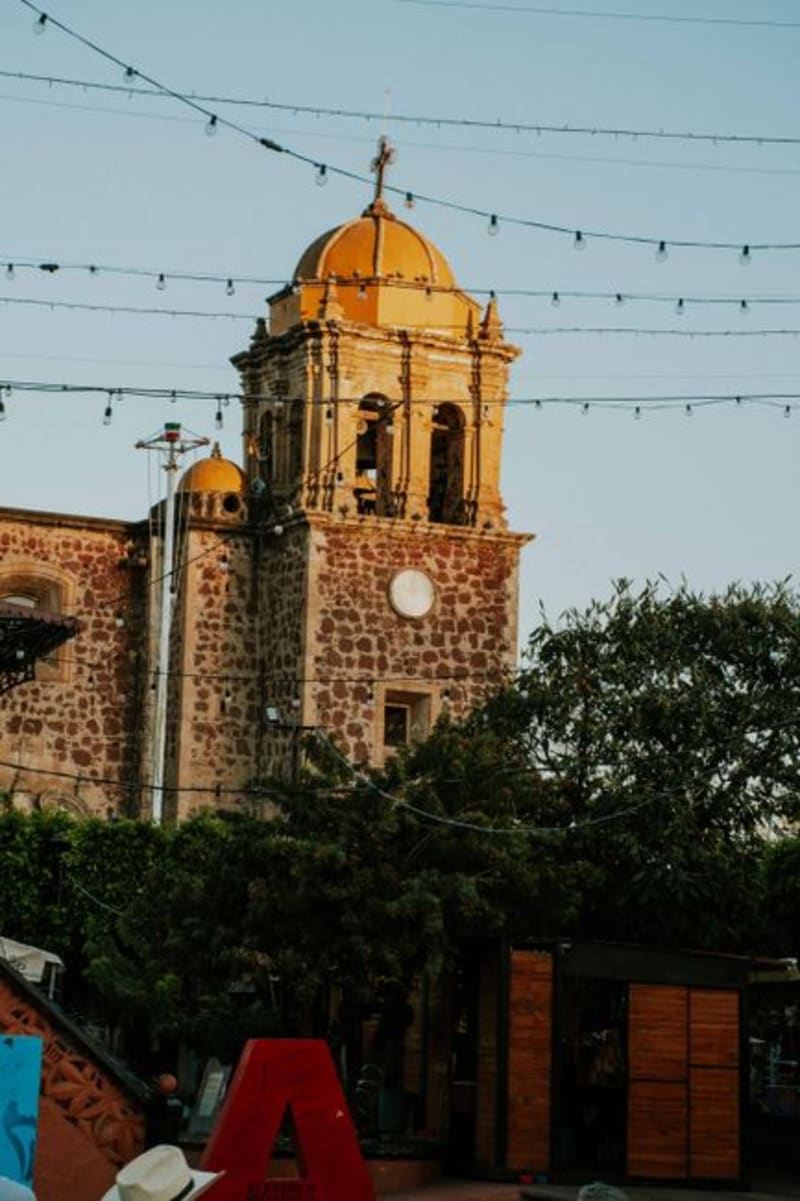
 Bolaños
A colonial silver-mining town at the foot of one of Jalisco's deepest canyons, reached by a road that unwraps 800 metres of altitude in a series of switchbacks so precise they feel engineered for reflection. The silver ran out generations ago. The Wixáritari communities in the surrounding sierra were here long before it and remain long after.
Explore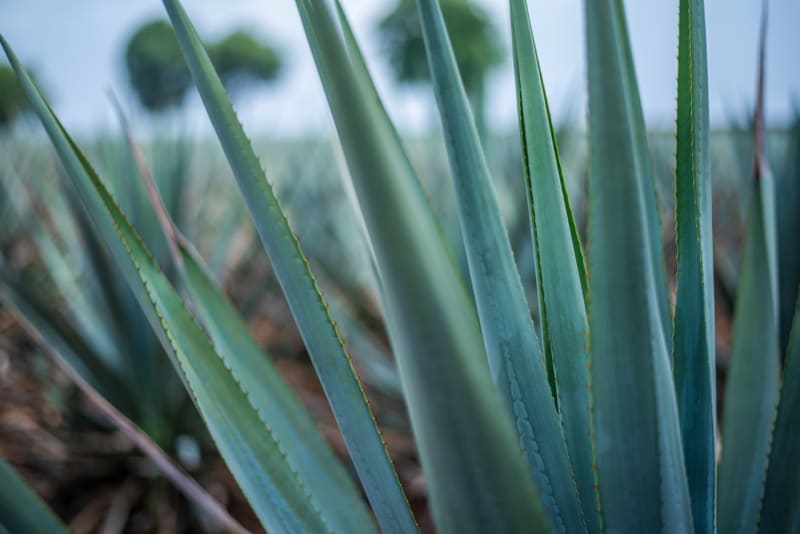 mexico
 Tequila
The Jalisco town that gave its name to Mexico's most exported spirit — blue agave fields covering the volcanic slopes, distilleries where you can watch jimadors harvest a plant that takes eight years to mature, and the train from Guadalajara through the agave landscape.
Explore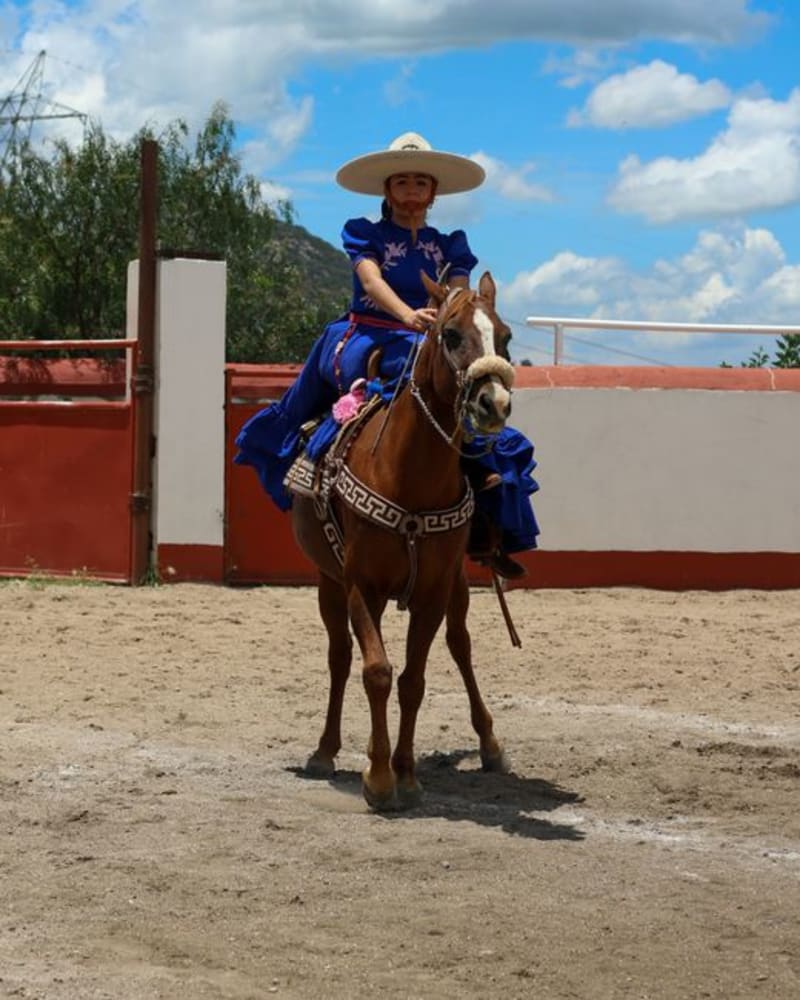 mexico
 San Marcos
San Marcos is a quiet Jalisco town that wakes violently every April for the Feria de San Marcos — a horse fair of charro riders and regional spectacle that has been running since the 19th century. The rest of the year it barely stirs, which is part of what makes the contrast so startling.
Explore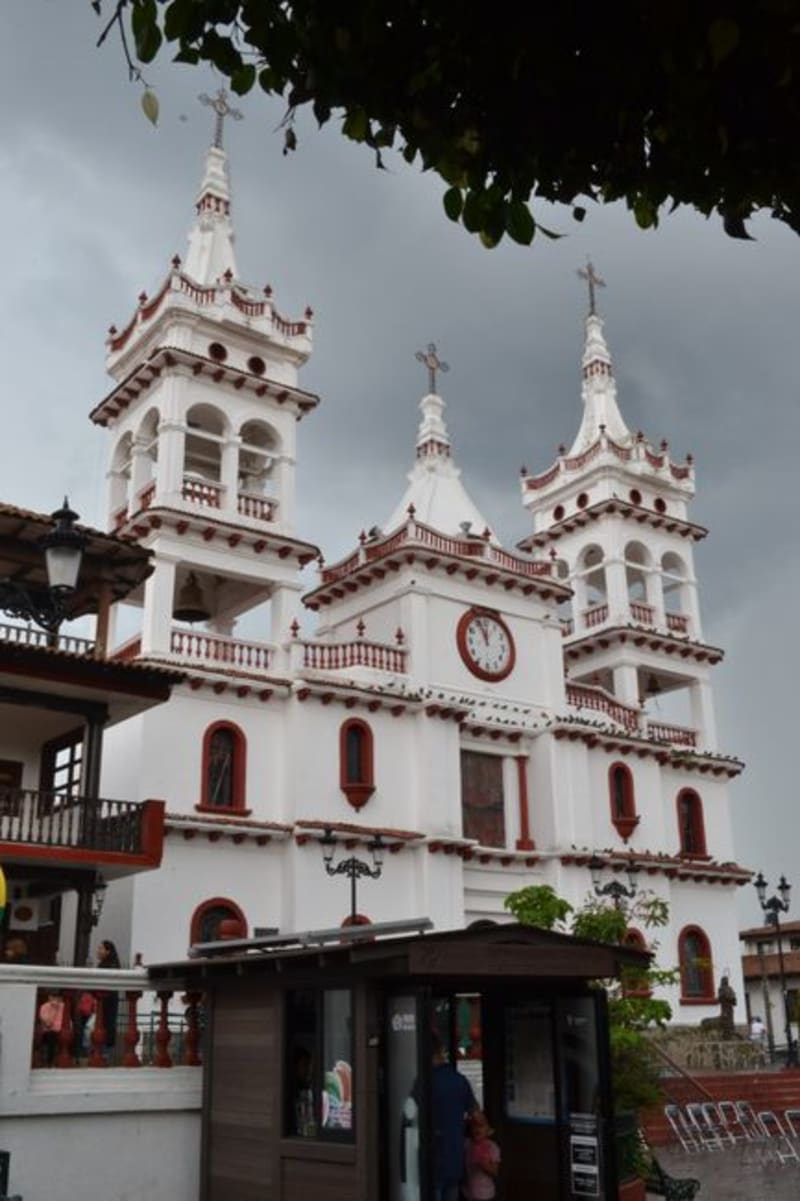 mexico
 Etzatlán
A Pueblo Mágico in western Jalisco that wears its designation without performance — colonial arcades, a lagoon full of migratory birds, and a Saturday market that serves the town rather than its visitors.
Explore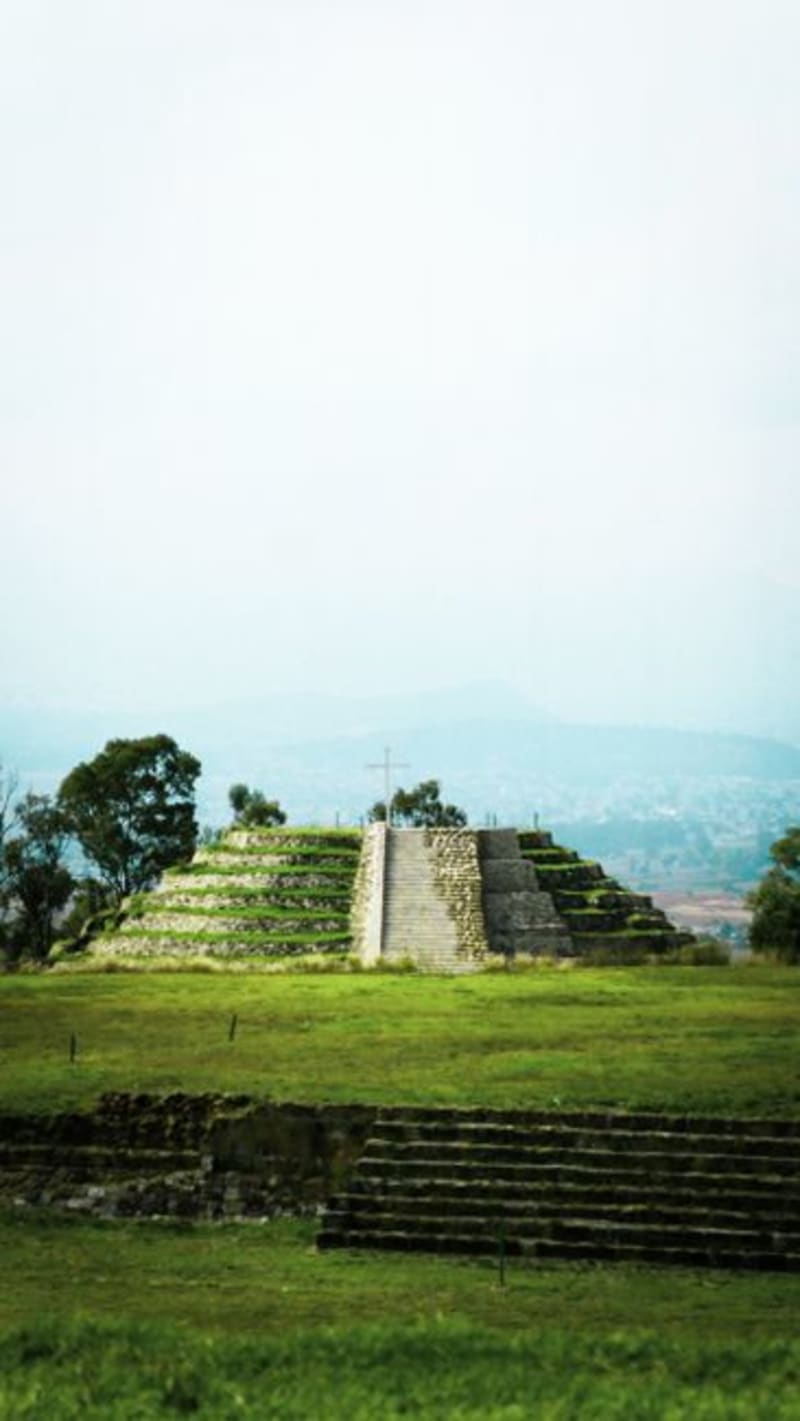 mexico
 Teuchitlán
An hour west of Guadalajara, Teuchitlán holds the Guachimontones — circular stepped pyramids built by a civilization whose architectural logic appears nowhere else in Mesoamerica. The Teuchitlán tradition flourished here for over a millennium. Almost no one outside Mexico has heard of it.
Explore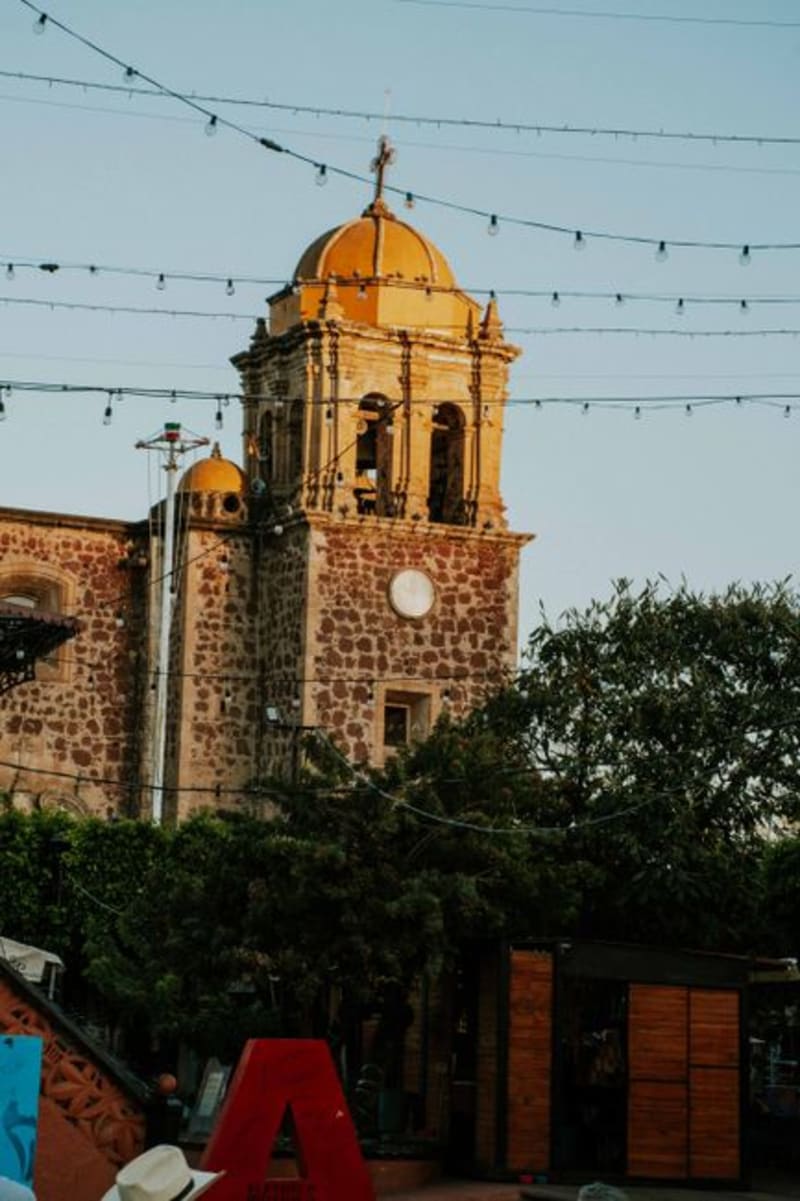 mexico
 Yahualica de González Gallo
A chili-growing town in the Los Altos highlands of Jalisco, Yahualica is where the chile cascabel defines everything — the Sunday market, the festival calendar, and a birria reputation that has reached all the way to Guadalajara's better taquerías.
Explore