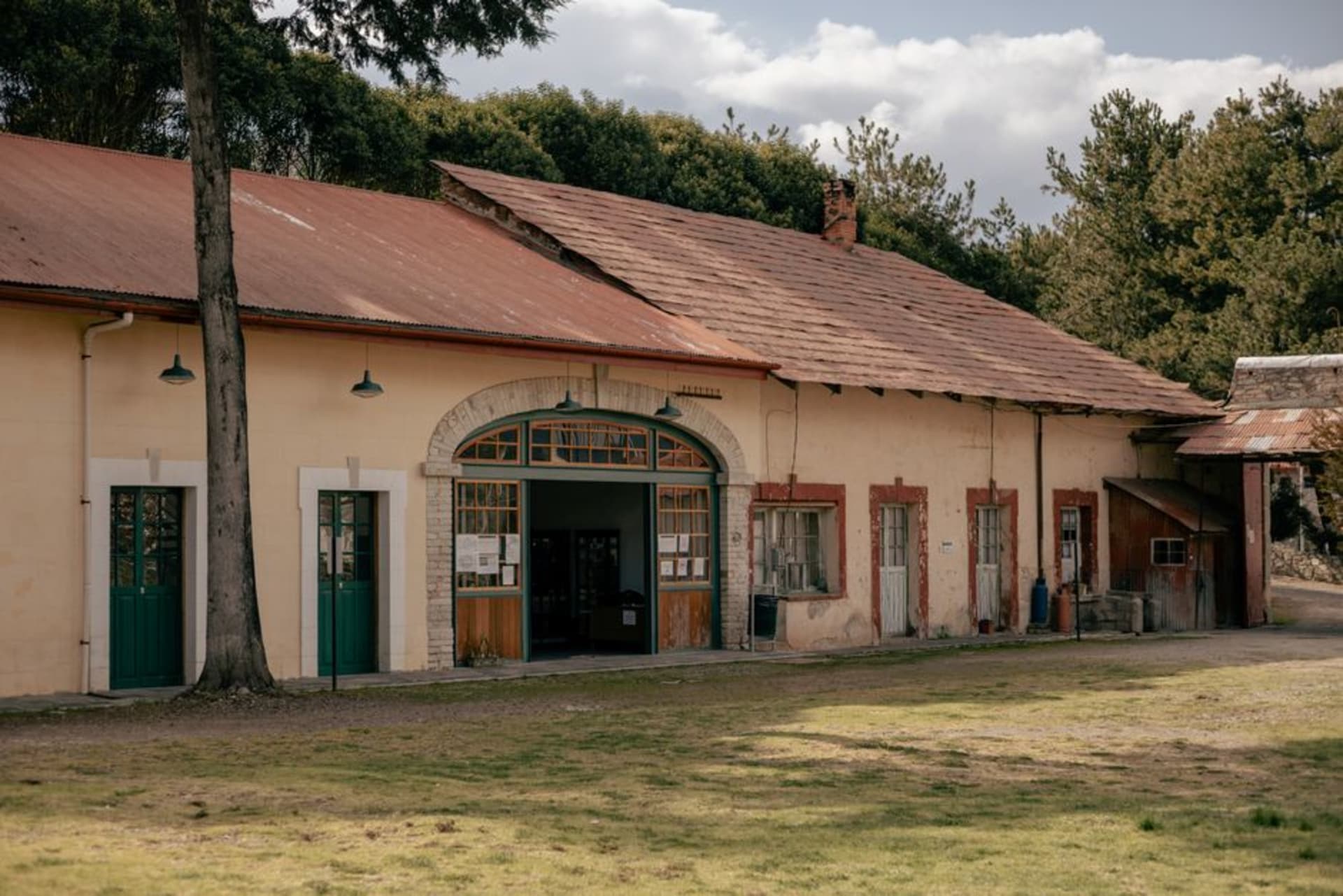
Bolaños
"The road into Bolaños takes 40 minutes to descend what you could see in 30 seconds from the canyon rim — by the time you reach the town, you feel genuinely elsewhere."
A colonial silver-mining town at the foot of one of Jalisco's deepest canyons, reached by a road that unwraps 800 metres of altitude in a series of switchbacks so precise they feel engineered for reflection. The silver ran out generations ago. The Wixáritari communities in the surrounding sierra were here long before it and remain long after.

There is a moment on the road into Bolaños when you can see the whole town below — the red-tiled roofline, the church dome, the glint of the river — and understand simultaneously that you are still twenty minutes away. The switchbacks are that patient. I descended from the sierra in late October, the light already going amber at four in the afternoon, and each hairpin revealed a slightly different angle on the same small cluster of colonial buildings at the canyon floor. I pulled over twice. Not for photos, exactly. More to let the scale register before I lost it.
Eight Hundred Metres Down
The Cañón de Bolaños doesn’t announce itself the way the Grand Canyon does — there are no viewing platforms with interpretive signs, no organized overlooks. You’re driving north through the Jalisco sierra, the road climbing past agave fields and dry oak scrub, and then suddenly there is a gap in the world. The canyon drops in layered bands of ochre and rust, the Bolaños River a thin silver thread 800 metres below. The town at the bottom looks like a rumor.
The descent road is paved but takes concentration. Forty switchbacks — I counted thirty-seven before I gave up — each one tight enough that a truck coming the other way requires negotiation. I had read that the road was improved in the 1980s. Before that, Bolaños was accessible only by mule trail, which explains a great deal about the town’s particular relationship to the outside world. Some places develop an inwardness from geography alone. Bolaños has it completely.

The Wixáritari Dimension
Bolaños sits inside territory the Wixáritari have moved through for centuries. Their communities — scattered across the high sierra of Jalisco, Nayarit, and Durango — predate the mines by a long margin, and their continued presence gives the region a different texture than a standard colonial ghost-town visit. On the road in, I passed a family walking with bundles. In the town itself, two women were selling yarn paintings in the shaded corner near the presidencia. The nierika — woven or beaded panels that transmit cosmological knowledge through pattern — can look decorative to a passing eye, and the passing eye is usually wrong about that.
I didn’t attempt to visit any community without an introduction, which felt correct. But the awareness of the Wixáritari as the longer story underneath the colonial one changes what you’re looking at when you look at Bolaños. The Spanish came for the silver and calibrated everything to its extraction. The Wixáritari organized their world around entirely different coordinates. Both realities are still here, and the canyon holds them together without resolving them.

What the Silver Left Behind
The Parroquia de Santiago Apóstol was built in the 18th century at the height of the mining boom and is notably oversized for a town of this population, which is always the giveaway. Spanish colonial ambition calibrated church dimensions to wealth, not people, and Bolaños’s church seats far more than currently live here. I sat inside it on a weekday afternoon as the only person present. The air was cool and smelled of old stone.
For lunch I ate caldo de res at a small comedor two streets back from the plaza — a deep broth with root vegetables that had been going since morning, served with hand-pressed tortillas and a bowl of dried arbol salsa I kept returning to. The woman who ran the place asked where I was from and seemed genuinely curious about the answer. That’s rarer than it should be.

Getting There
Bolaños is roughly 300 kilometres north of Guadalajara — four to five hours via Colotlán. There is no scheduled bus service that goes all the way in; you will need your own vehicle or to arrange a ride from Colotlán. The canyon road closes occasionally after heavy rain. Visit between November and April when the sierra roads are dry and the descent is straightforward.
Keep exploring
More of Jalisco
Keep exploring
More from Jalisco
 mexico
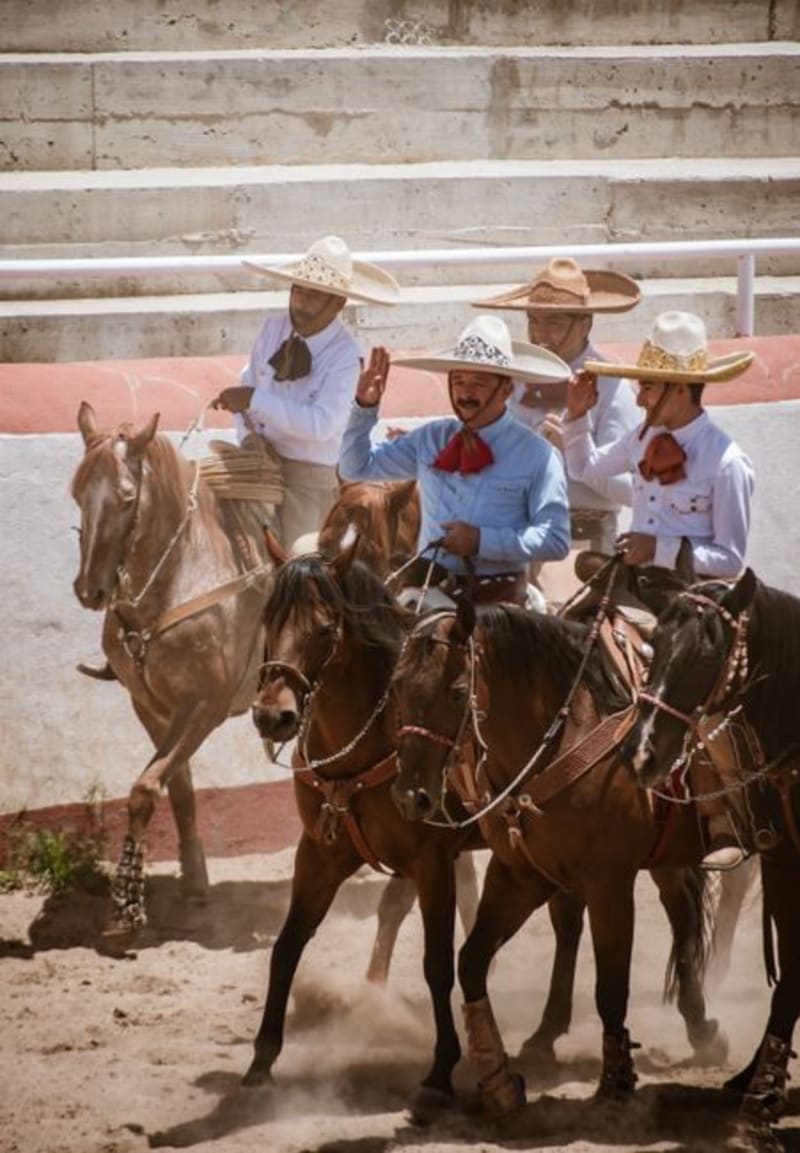
 Bolaños
Bolaños sits at the bottom of one of Mexico's most dramatic canyons, where the Bolaños River has carved a gorge that rivals Copper Canyon without a single tour operator in sight. An 18th-century silver-mining town held in place by sheer topography, it is reached by a road that requires both nerve and low gear.
Explore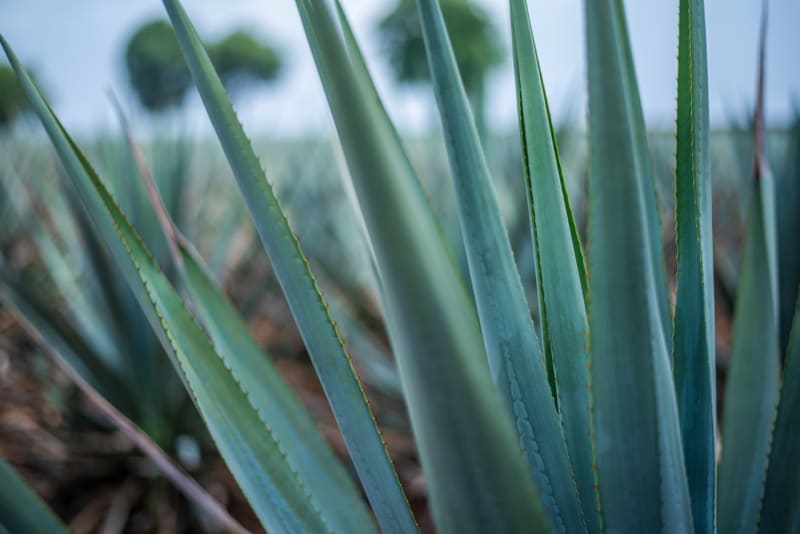 mexico
 Tequila
The Jalisco town that gave its name to Mexico's most exported spirit — blue agave fields covering the volcanic slopes, distilleries where you can watch jimadors harvest a plant that takes eight years to mature, and the train from Guadalajara through the agave landscape.
Explore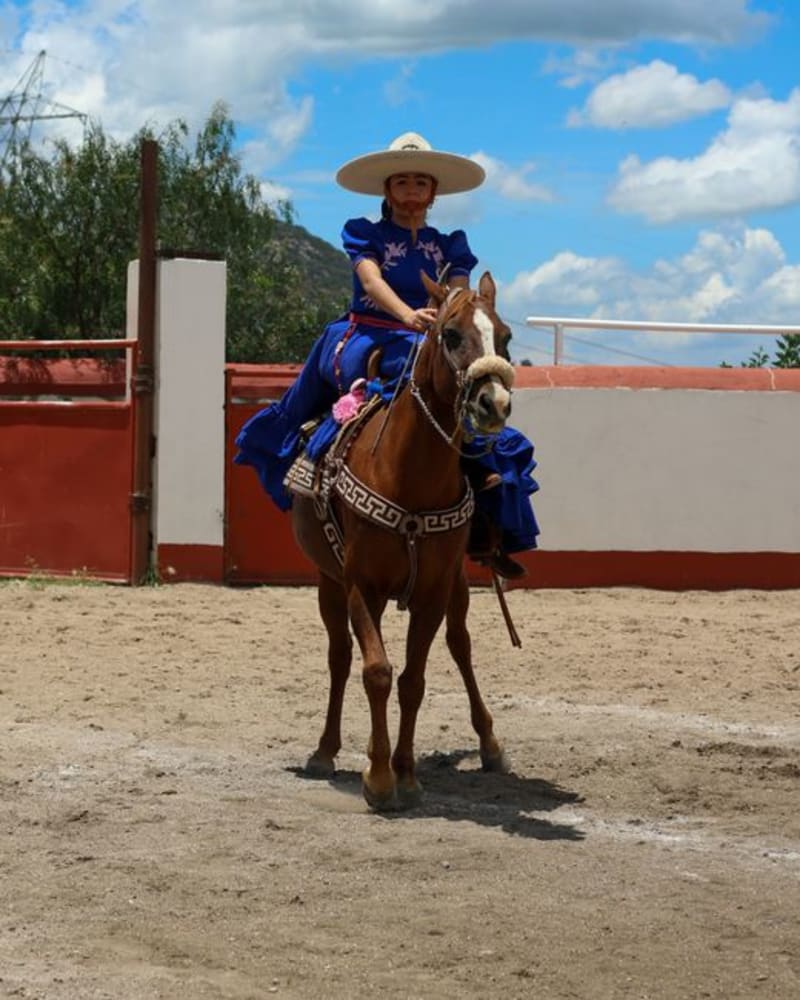 mexico
 San Marcos
San Marcos is a quiet Jalisco town that wakes violently every April for the Feria de San Marcos — a horse fair of charro riders and regional spectacle that has been running since the 19th century. The rest of the year it barely stirs, which is part of what makes the contrast so startling.
Explore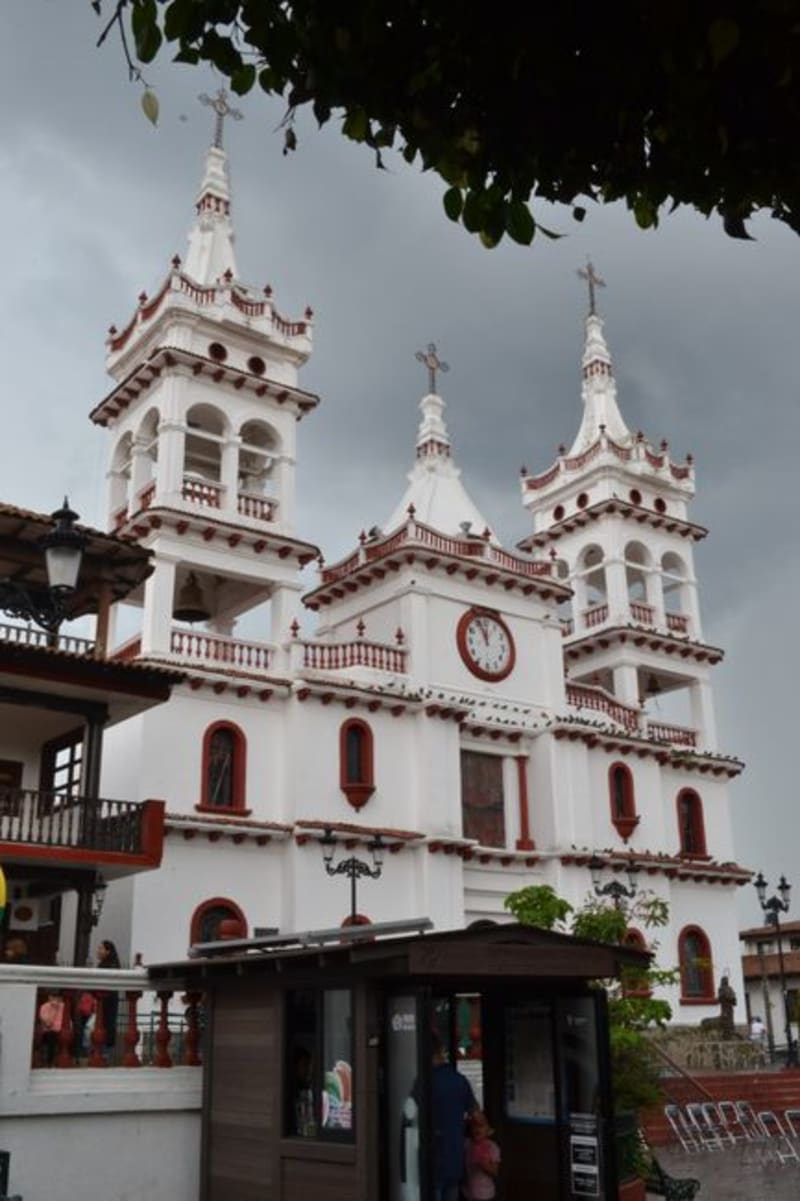 mexico
 Etzatlán
A Pueblo Mágico in western Jalisco that wears its designation without performance — colonial arcades, a lagoon full of migratory birds, and a Saturday market that serves the town rather than its visitors.
Explore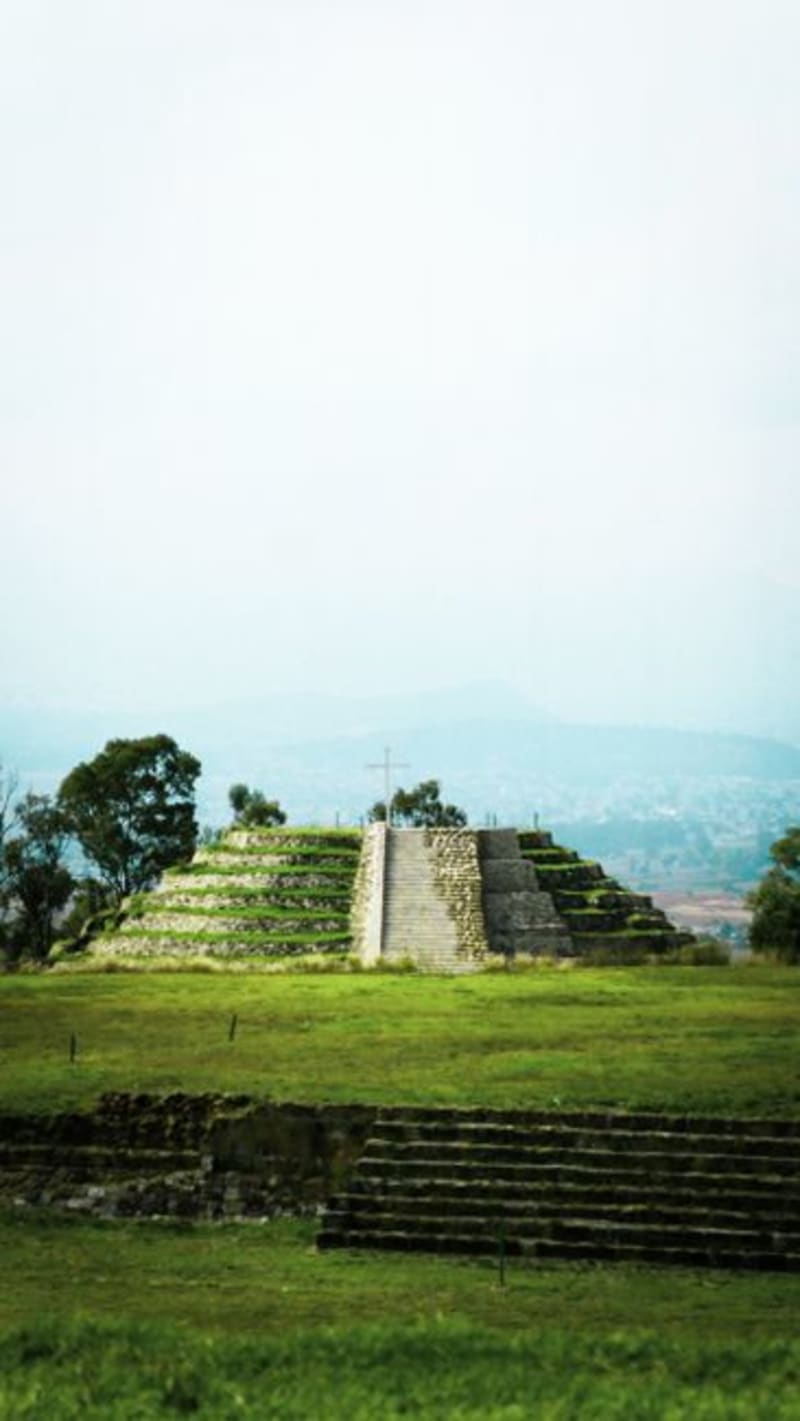 mexico
 Teuchitlán
An hour west of Guadalajara, Teuchitlán holds the Guachimontones — circular stepped pyramids built by a civilization whose architectural logic appears nowhere else in Mesoamerica. The Teuchitlán tradition flourished here for over a millennium. Almost no one outside Mexico has heard of it.
Explore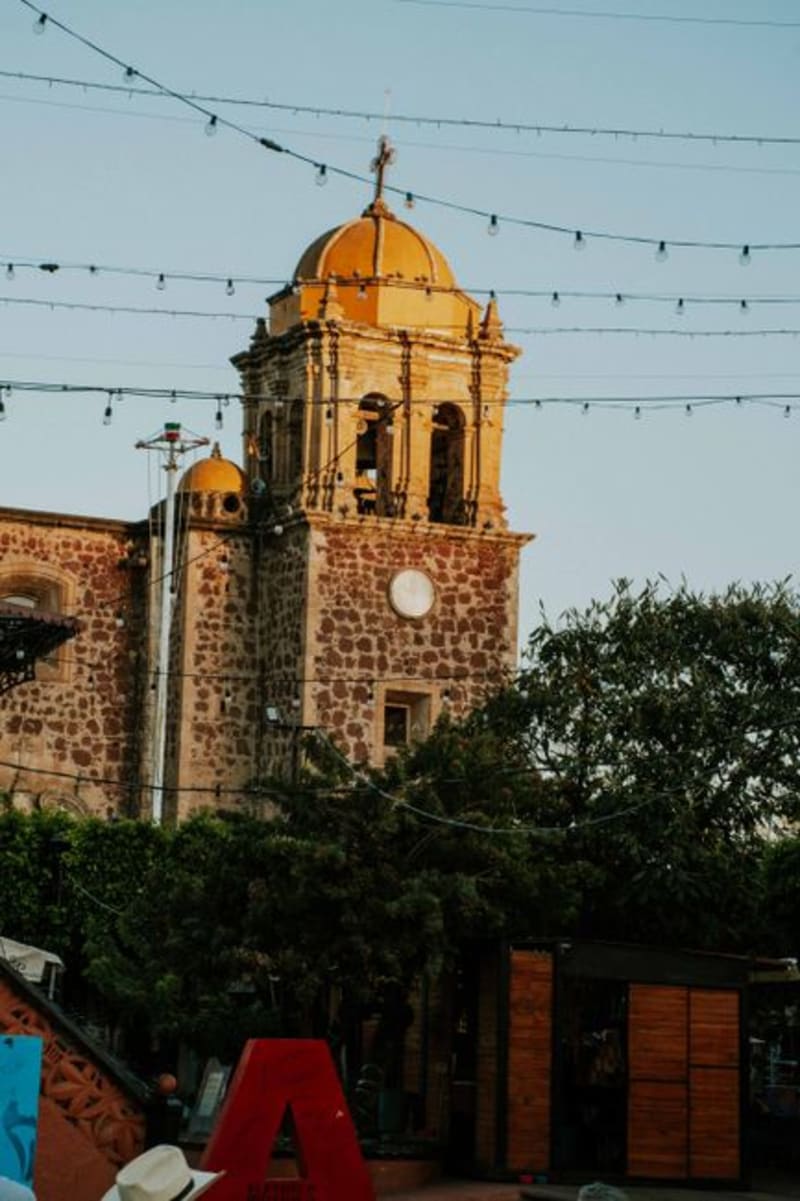 mexico
 Yahualica de González Gallo
A chili-growing town in the Los Altos highlands of Jalisco, Yahualica is where the chile cascabel defines everything — the Sunday market, the festival calendar, and a birria reputation that has reached all the way to Guadalajara's better taquerías.
Explore