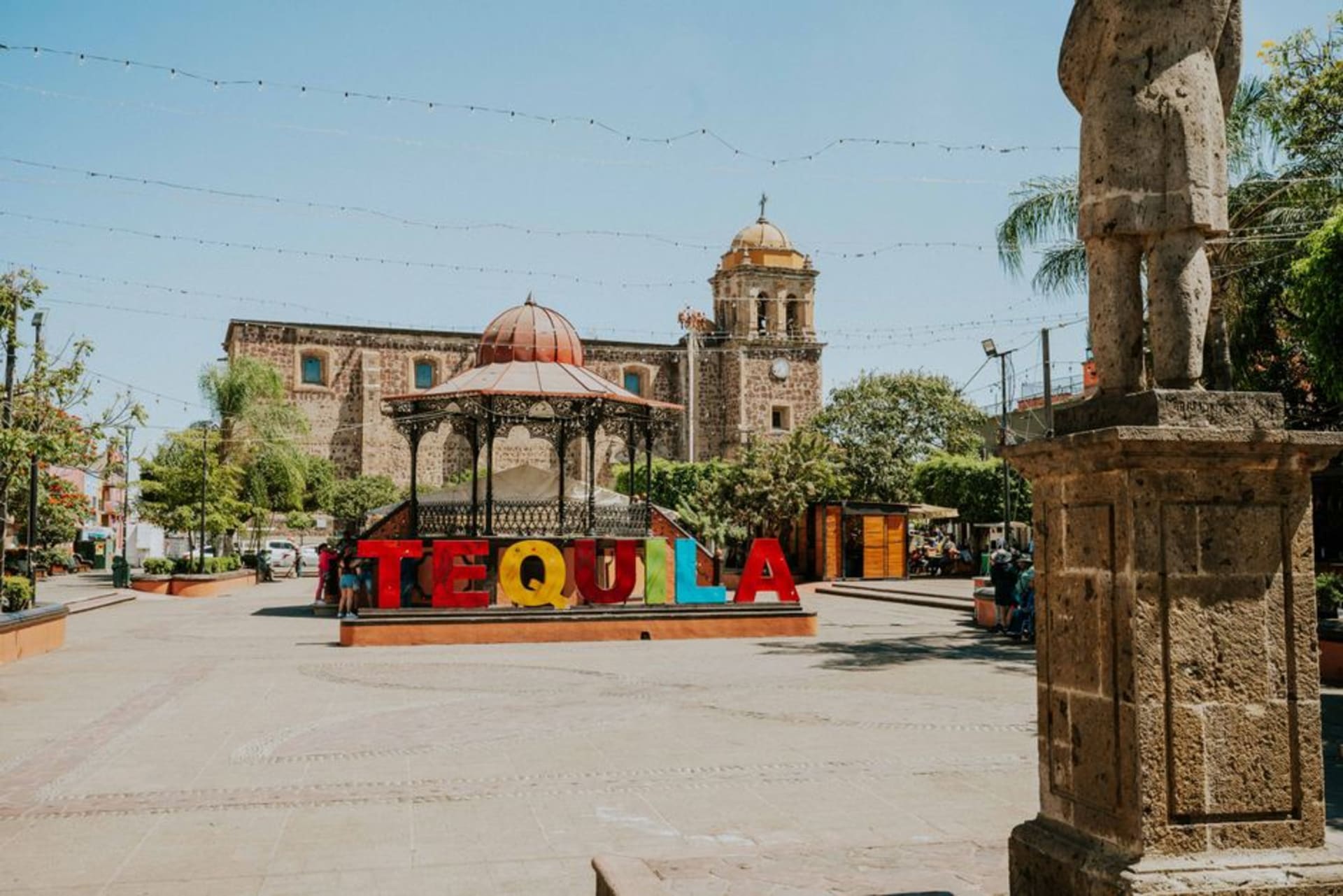
Yahualica de González Gallo
"The market smelled of dried chili and wet earth, and I bought a kilo of cascabels I had absolutely no plan to carry."
A chili-growing town in the Los Altos highlands of Jalisco, Yahualica is where the chile cascabel defines everything — the Sunday market, the festival calendar, and a birria reputation that has reached all the way to Guadalajara's better taquerías.

I came on a Sunday, which turned out to be the only right day to come. The bus from Guadalajara dropped me two blocks from the market before nine in the morning, and the smell hit first — that particular mix of dried cascabel, damp stone, and woodsmoke that I now think of as the specific scent of Los Altos. A woman was settling a debt with a bag of chilis rather than cash, and the man on the other side of the transaction looked entirely satisfied with this arrangement. I stood there watching for longer than was probably polite.
The Cascabel Capital
The chile cascabel — round, rust-colored, rattling its seeds when you shake it — is not glamorous by the standards of Mexican chili culture. It doesn’t get the attention of the ancho or the guajillo. But around Yahualica, it is the economy, the festival, and the argumentative pride of every producer you meet at the Mercado Municipal. The annual Festival del Chile Cascabel pulls growers from as far as Oaxaca and Puebla, and the debates about soil, altitude, and drying technique run with the same intensity as wine arguments in Burgundy. I spent an hour at a stall run by a third-generation producer named Don Aurelio, who walked me through five different grades of his harvest, each one slightly darker, slightly more complex. I bought the kilo I couldn’t really carry. I’d do it again.

Birria with a Regional Reputation
The thing nobody tells you about Yahualica’s birria is that it’s served earlier than anywhere else I’ve eaten it in Jalisco. By seven in the morning, Birria El Güero on Calle Hidalgo already has a line. The broth is darker than Guadalajara’s versions, heavier with cascabel and clove, and the meat — goat, not beef, though they’ll give you a look if you ask — pulls apart in a way that suggests it spent most of the night in the pot. I ate two bowls with a stack of tortillas de maíz and a glass of agua de jamaica so cold it left rings on the plastic table. The man next to me was on his third bowl. He told me he drove forty minutes from a neighboring municipio every Sunday. I believed him completely.

The Sunday Market Pace
After the birria, the right move is to walk slowly. The Sunday tianguis spills off the main plaza down three or four side streets, and the barter economy is not performative — it’s just how some of these transactions still work. Seeds, dried herbs, homemade cheese. I found a woman selling handmade rebozos from the back of a pickup truck. She wasn’t interested in negotiating. The price was the price. I bought one and wore it back to the bus stop.

Getting There
Yahualica is roughly 90 kilometers northeast of Guadalajara. Several bus lines run from the Central Camionera Nueva in Guadalajara, with a journey of around two hours depending on the route. The Sunday market justifies building your entire visit around that day — aim to arrive before nine to beat the heat and catch the best selection.
Keep exploring
More of Jalisco
Keep exploring
More from Jalisco
 mexico
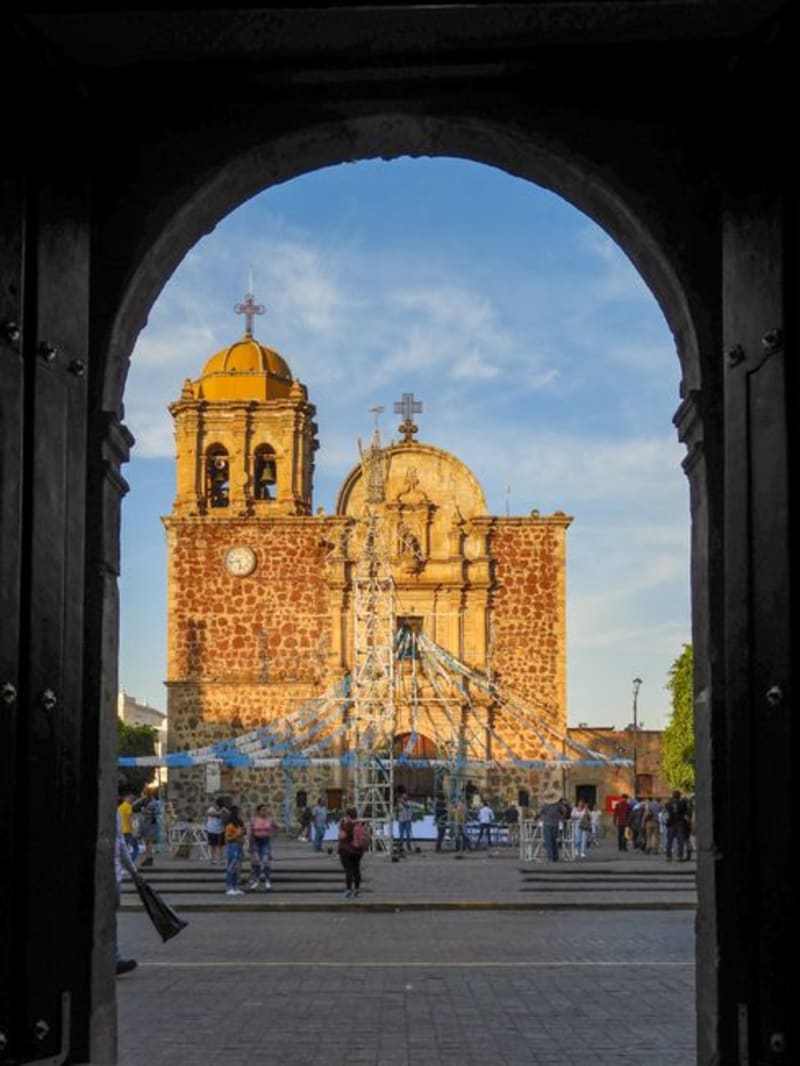
 Tepatitlán de Morelos
In the red-clay highlands of Los Altos de Jalisco, Tepatitlán is where birria de res has been slow-cooked the same way for generations — long before anyone thought to photograph it. The surrounding landscape rolls out in agave and ranchland under a sky that feels earned rather than decorative.
Explore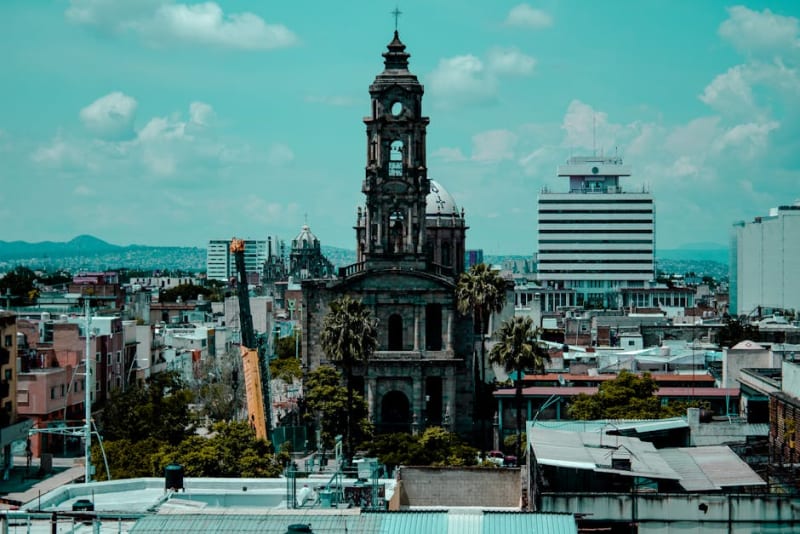 mexico
 Guadalajara
Mexico's second city — birthplace of tequila, mariachi, and a contemporary art scene that rivals the capital.
Explore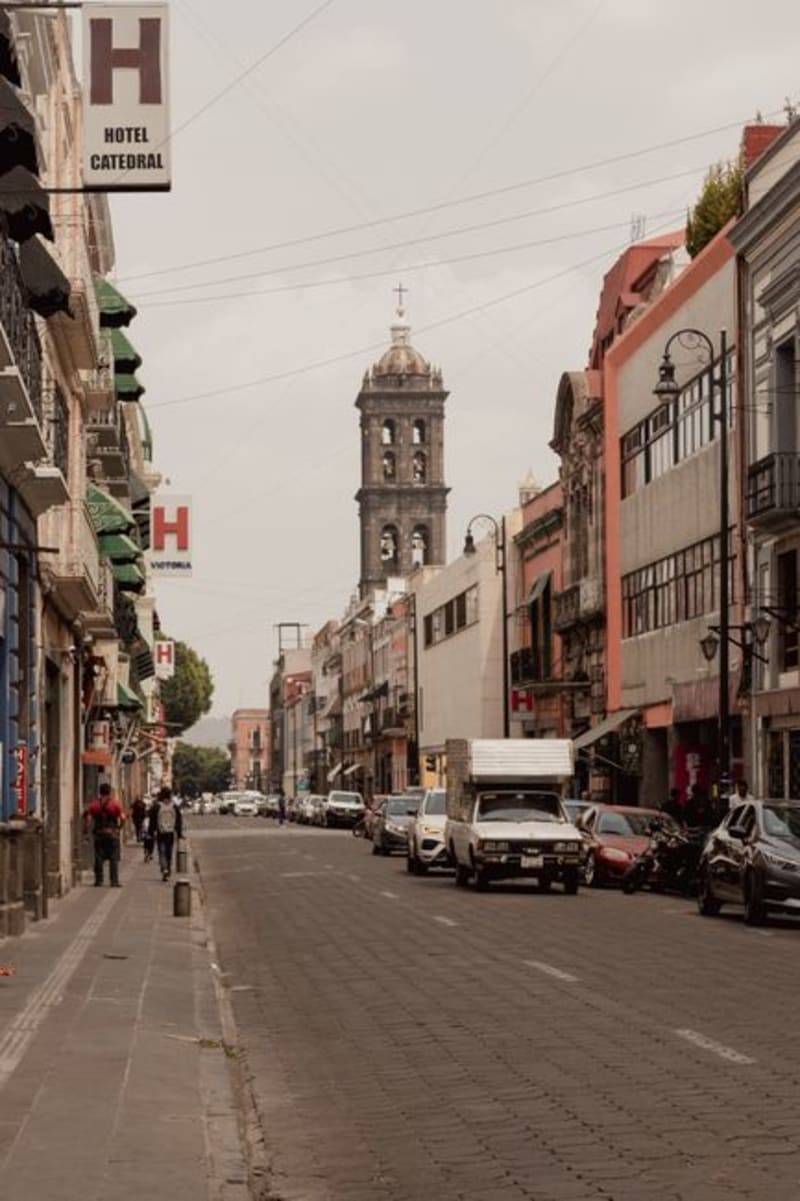 mexico
 Zapopan
Technically a suburb of Guadalajara, Zapopan operates more like its own republic — anchored by a seventeenth-century basilica that draws millions of pilgrims each October and a Huichol art collection that will genuinely alter how you perceive color. Nobody treats it like a tourist attraction, which is precisely why it works.
Explore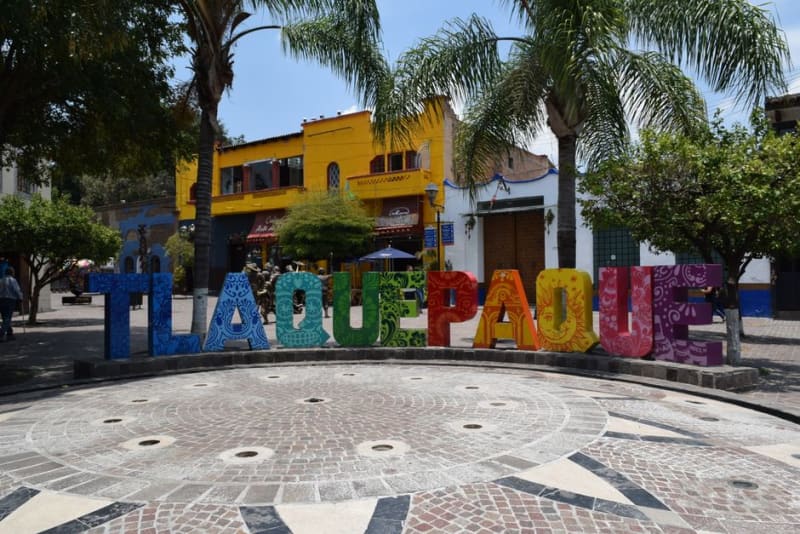 mexico
 Tlaquepaque
Guadalajara's artisan district — a colonial village absorbed by the city that still produces Mexico's finest blown glass, Talavera-style ceramics, and handmade furniture, in studios open to the street.
Explore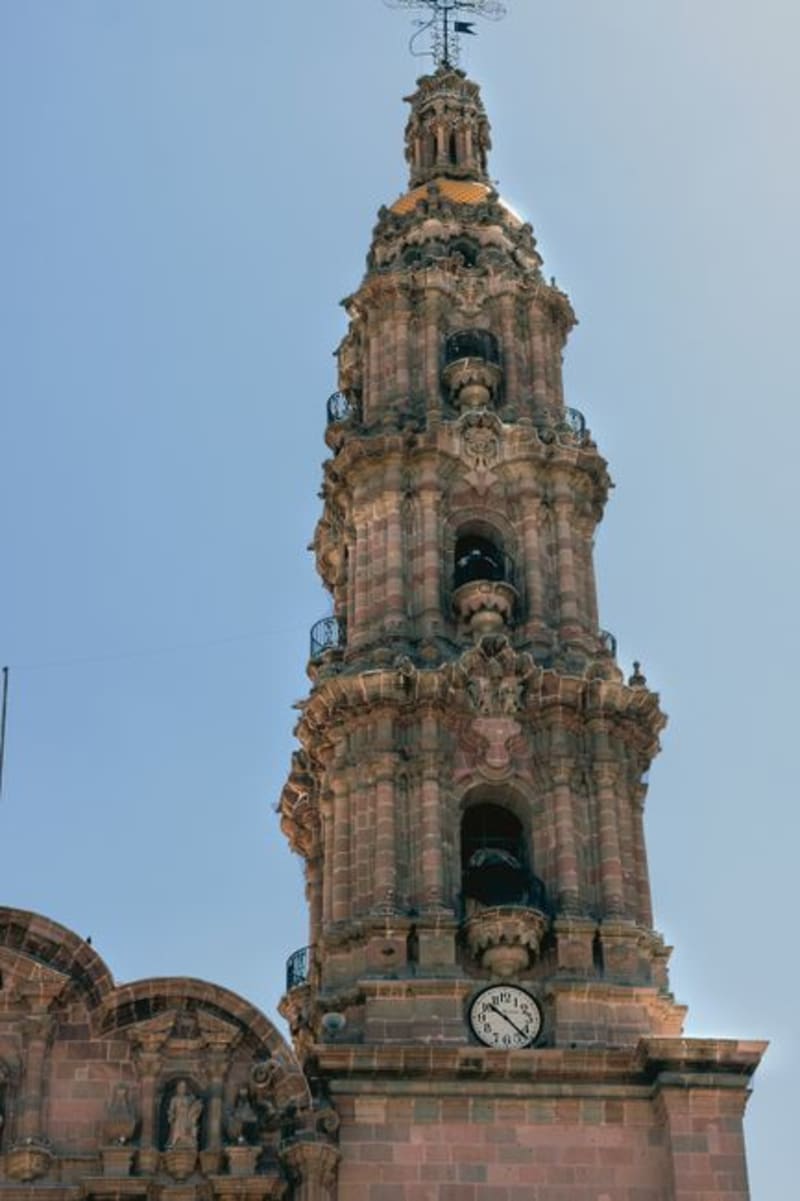 mexico
 San Juan de los Lagos
San Juan de los Lagos draws eight million pilgrims a year to its baroque basilica, one of the most visited shrines in the Americas. The town runs on devotion — candlelit atria, birria grilled at dawn, silver milagritos left in thanks for recovered limbs and survived accidents. Even arriving without faith, you leave with something rearranged.
Explore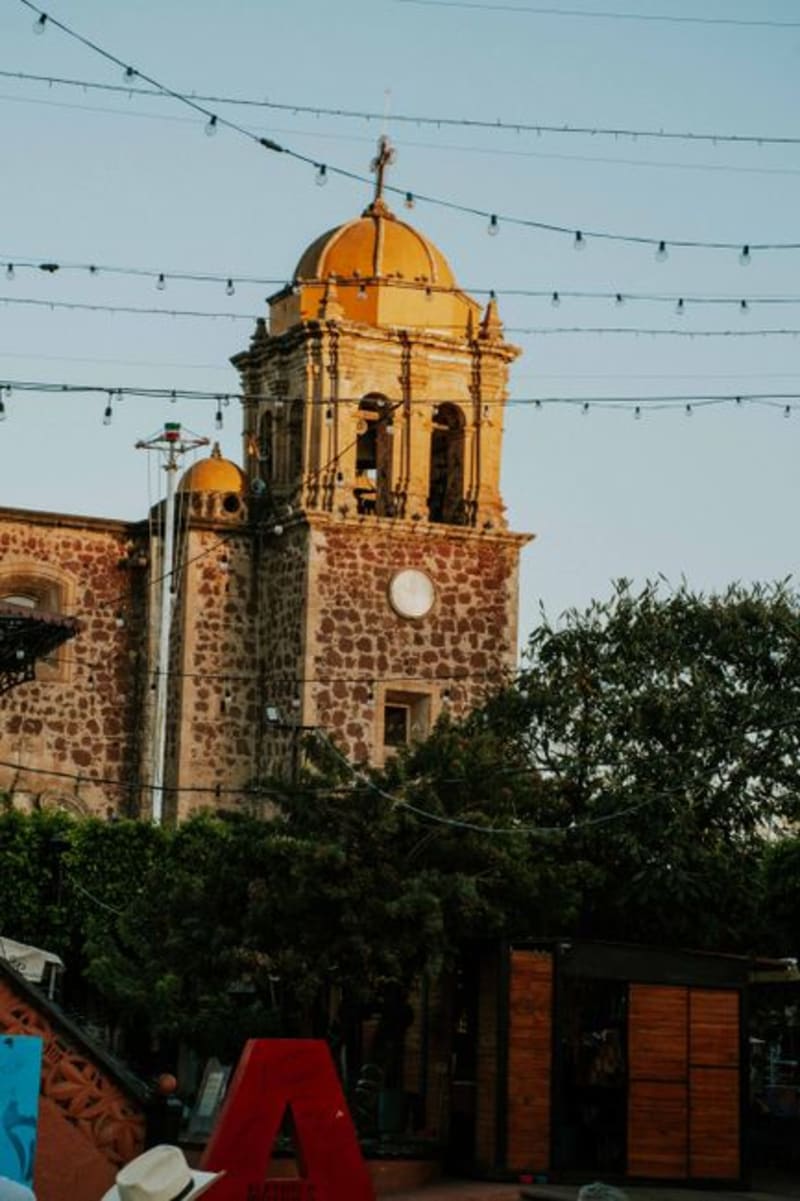 mexico
 Arandas
Arandas sits in the red clay highlands of Los Altos de Jalisco, where the altitude and volcanic soil slow the agave to a slow sweetness that the town of Tequila cannot replicate. The distilleries here have been running for generations with little interest in tourism, and the town itself promenades its jardín with the easy self-possession of a place that has never needed to perform.
Explore