Cocula
"The trio started playing before my food arrived and didn't stop until I was two meters away finishing the second bowl of birria. This was not a performance. This was just lunch."
Cocula is a small city in western Jalisco with a claim — contested, as all the best Mexican cultural origin stories are — to being the birthplace of mariachi. The municipal museum makes the case with instruments, photographs, and a conviction that feels local and genuine rather than touristic. The surrounding valley is agave country under a broad highland sky. I went for the music argument and stayed for the birria and a trio that has been playing lunch every day for thirty years.

The argument about where mariachi comes from is one of those Mexican cultural disputes that generates more heat than the evidence strictly warrants, which is itself a Mexican cultural characteristic. Several towns in western Jalisco claim the origin. Cocula’s case is that mariachi evolved from the string ensembles of the region’s eighteenth and nineteenth-century haciendas — small groups of string players who provided music for hacienda dances and festivals, gradually formalizing into what we now recognize as the form. The municipal museum makes this argument with instruments in glass cases, archival photographs, and explanatory panels written with the specific pride of a small city that knows it has something worth claiming.
I spent an hour in that museum. Whether the argument is conclusive — scholars disagree, and Tecalitlán also has a strong case — I cannot say with confidence. What I can say is that Cocula’s investment in the question is genuine, and the living musical culture of the town reflects it. The Festival Internacional del Mariachi held annually in Guadalajara, which is the major formal gathering for the form, consistently acknowledges Cocula in its history. There is something there, even if the origin cannot be pinned to a specific hacienda or a specific year.
The Restaurant That Plays Every Day
The specific reason I went to Cocula on a Tuesday rather than a weekend was this: someone in Guadalajara had told me about a family restaurant near the center that has had a live musical trio performing at lunch every day for thirty years. Not on weekends, not for special occasions. Every day, at lunch, the trio plays.
I found the restaurant without difficulty. I ordered birria — the slow-cooked goat stew of western Jalisco that Guadalajara has made globally famous but that still tastes better in a small Jalisco city where it is eaten without Instagram awareness — and the trio was already playing when I sat down. Two guitarists and a violinist, older men, working through the classic mariachi repertoire with the ease of people who have played these songs so many times that the songs play themselves.
They were two meters from my table. The room was about half full: families eating lunch, a few men at the bar, the weekday midday crowd of a small city. No one was paying special attention to the music except me, which was the entire point. The music was furniture. The music was the condition under which people ate their lunch in this restaurant, and it had been for thirty years.
The birria arrived in a clay pot with consommé for dipping the tacos in, the meat falling apart after hours of slow cooking with dried chiles and spices. I ate one bowl and ordered a second. The señora who ran the place brought it without comment. I tipped the musicians separately at the end, which they accepted with the professional graciousness of people who have been doing this long enough that outside appreciation no longer surprises them.

The Valley and the Agave
Cocula sits in the valley of the Río Cocula in the highlands of western Jalisco, at an elevation that gives the landscape the quality I associate with this part of Mexico: broad, open, high, the sky at midday a blue with no haze in it. The hills around the valley are covered in blue agave — not the industrial monoculture of the Tequila valley proper, which is a few hours northeast, but the same plant cultivated here with the same patience. The agave takes six to twelve years to mature before it can be harvested. The hillsides around Cocula have the look of something being waited for.
Driving into town from the main highway, the road runs through agave fields on both sides — the plants in their rows at the angular, architectural posture that agave adopts, spreading rosettes with spined tips catching the midday sun. There are hawks on the fence posts. There are always hawks on the fence posts in western Jalisco and I have made peace with never successfully identifying which species they are.
The agave-covered landscape has the quality I associate with certain parts of southern France — the Languedoc hillsides with their vines in rows, that same combination of organized agriculture on an ancient landscape. The comparison is imprecise. The plants are completely different, the scale is different, the light is different. But the sense of a place patiently producing something over years rather than seasons registers the same way.
Getting There
Cocula is about 80 kilometers southwest of Guadalajara, roughly 90 minutes by road. The bus from Guadalajara’s old bus terminal runs the route; coming by car you take the highway toward Barra de Navidad and turn off before the descent to the coast begins. A day trip from Guadalajara is possible and sufficient. An overnight stay allows for an evening in the town center and a more relaxed morning, which is rarely wrong.

Keep exploring
More of Jalisco
Keep exploring
More from Jalisco
 mexico
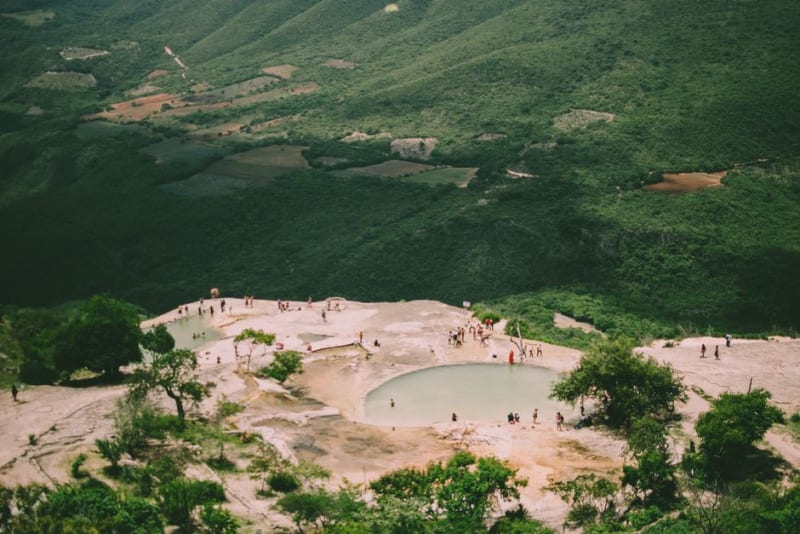
 Chimulco
A thermal park near Ocotlán in the Altos de Jalisco, Chimulco is where Tapatío families spend their Sundays soaking in warm spring-fed pools ringed by bougainvillea and eucalyptus. Unpretentious, a little loud, and quietly restorative.
Explore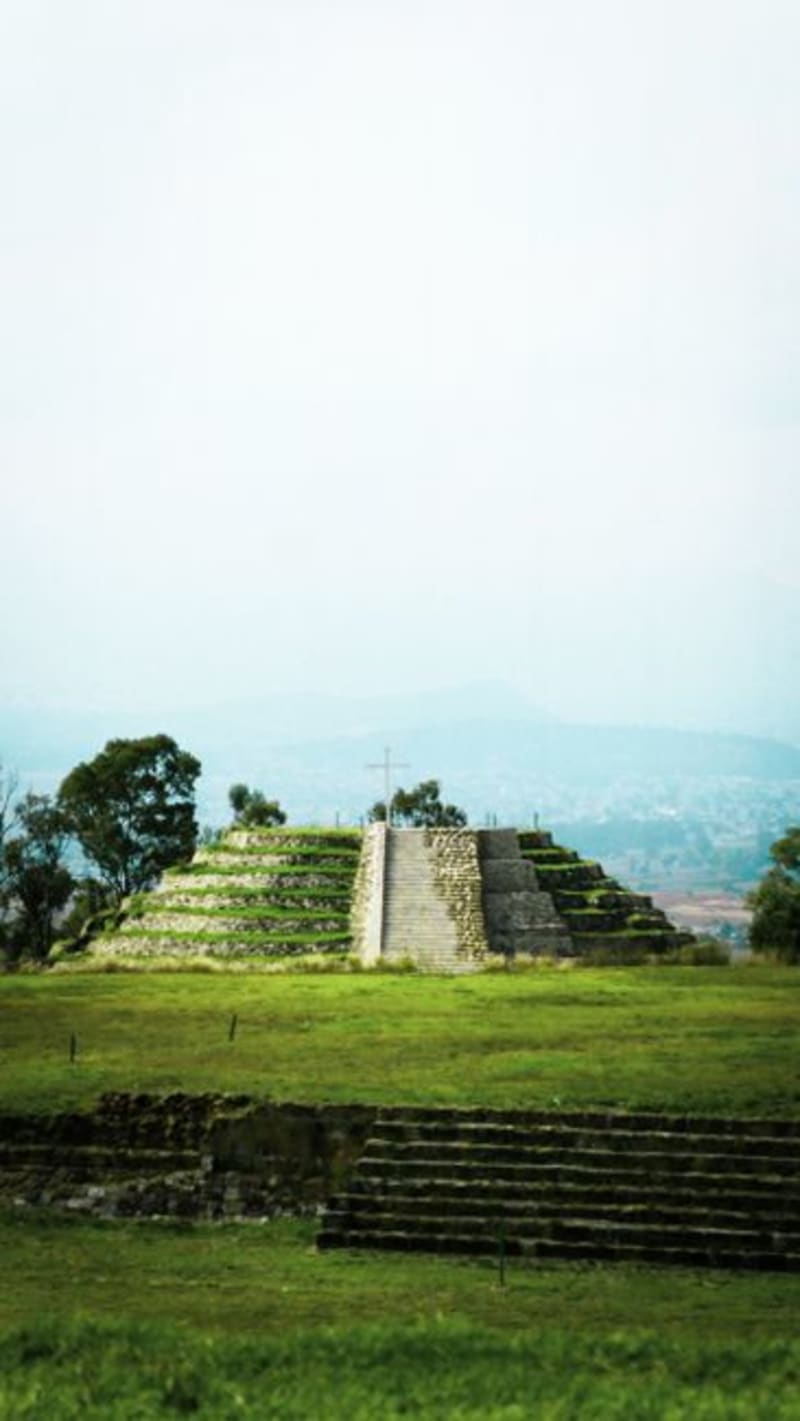 mexico
 Teuchitlán
An hour west of Guadalajara, Teuchitlán holds the Guachimontones — circular stepped pyramids built by a civilization whose architectural logic appears nowhere else in Mesoamerica. The Teuchitlán tradition flourished here for over a millennium. Almost no one outside Mexico has heard of it.
Explore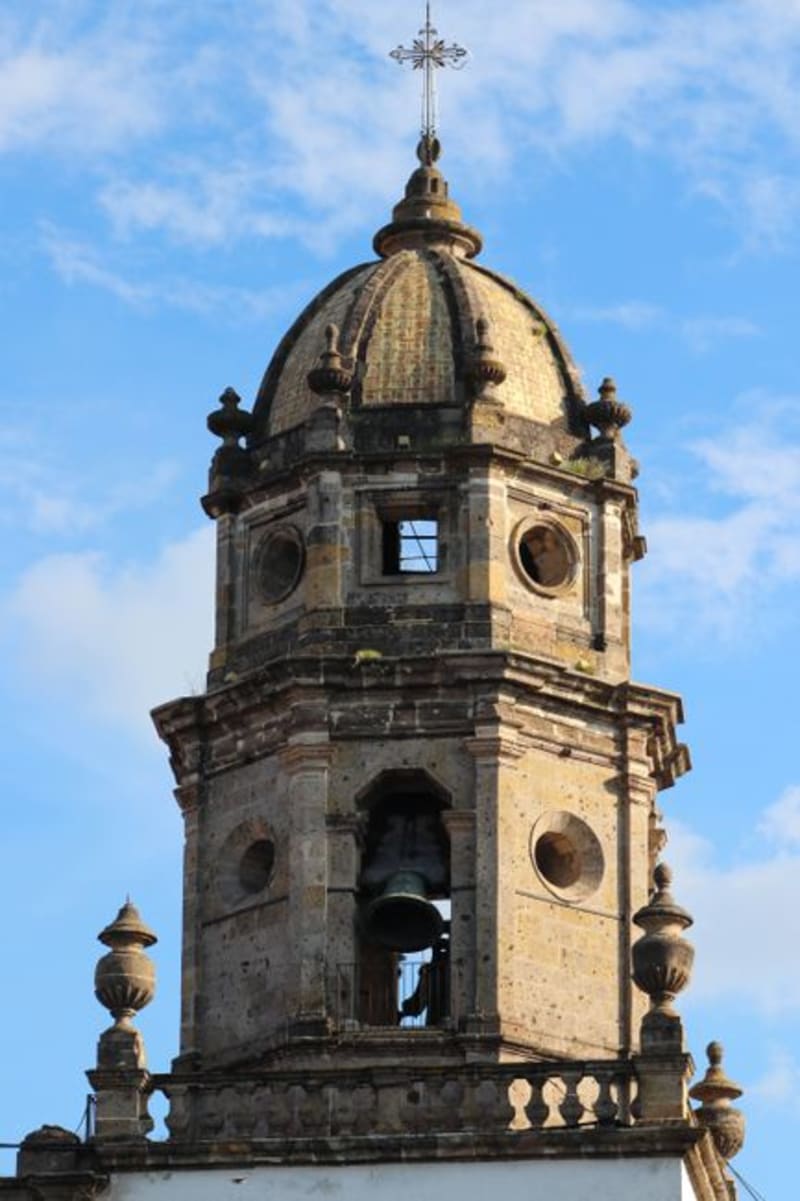 mexico
 Ameca
Ameca sits in a broad fertile valley between Guadalajara and the coast, quietly being a real Jalisco city rather than a tourist destination. The portales on its main plaza are worth a long afternoon, and the surrounding countryside grows agave and sugarcane in the same stretch of land.
Explore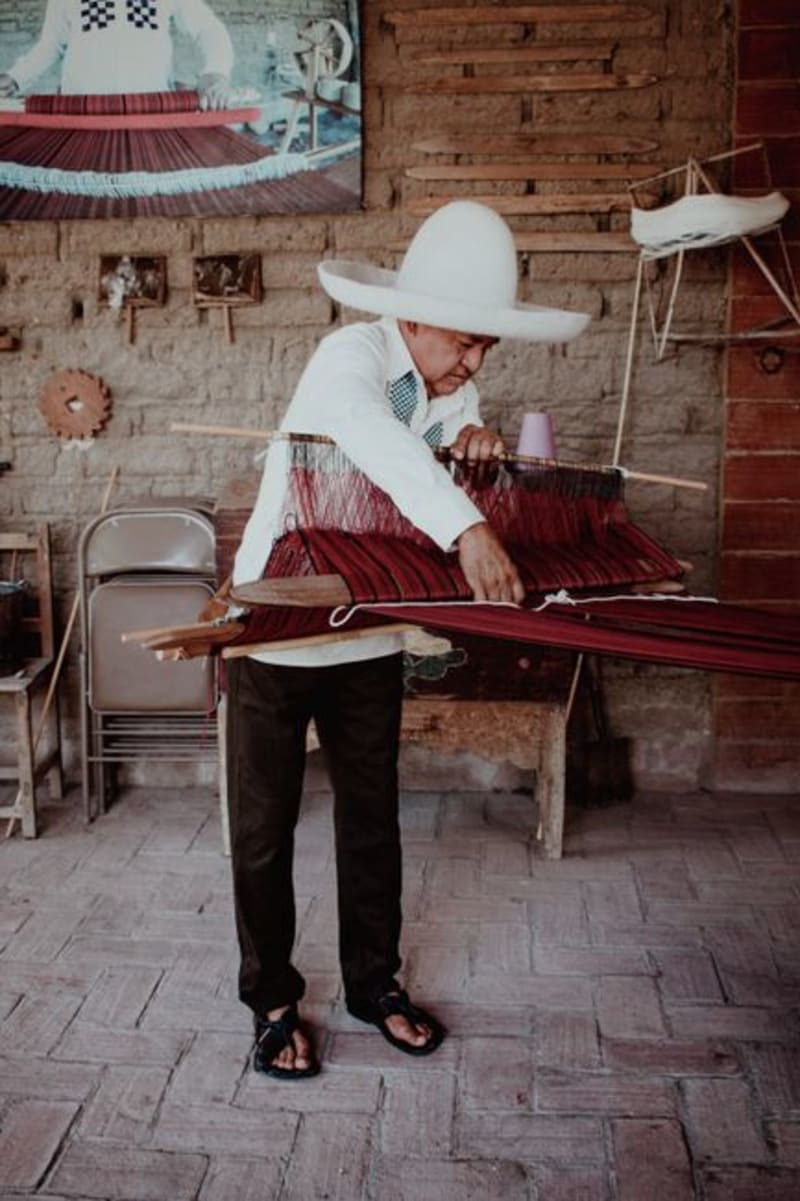 mexico
 Jocotepec
At the western end of Lake Chapala — Mexico's largest lake — Jocotepec has none of Ajijic's expat polish and twice its authenticity: a real market, hand-loomed sarapes that have been made here for generations, and a malecón where the fishermen outnumber the tourists on most mornings.
Explore mexico
 Tapalpa
A Jalisco highland pine forest town at 2,000 meters where the weekend escape from Guadalajara has created a village of white buildings and red rooftiles, wool rugs woven in a tradition brought by the Spanish, and a landscape of volcanic rock formations called the Piedrotas that appear to have been arranged by someone with too much time.
Explore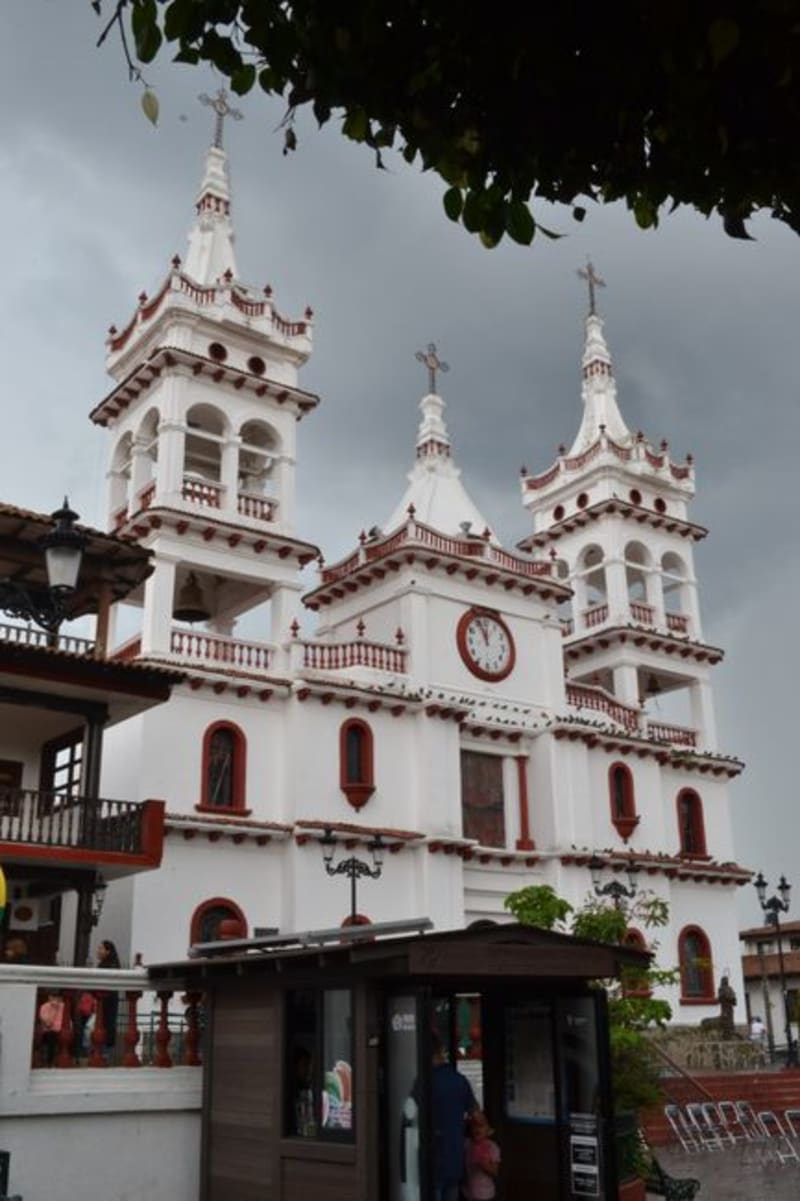 mexico
 Etzatlán
A Pueblo Mágico in western Jalisco that wears its designation without performance — colonial arcades, a lagoon full of migratory birds, and a Saturday market that serves the town rather than its visitors.
Explore