
Dolores Hidalgo
"I had a scoop of shrimp ice cream in the exact plaza where independence began. The connection I was looking for did not come."
The town where Miguel Hidalgo rang the church bell on September 16, 1810, and set off a revolution. Today Dolores is better known for hand-painted talavera and the strangest ice cream menu in the republic — shrimp, mole, tequila, and corn, all sold in the shadow of the Parroquia de Nuestra Señora de los Dolores.

I arrived on a Tuesday morning on a second-class bus from San Miguel de Allende — forty minutes, forty pesos, no fuss. The jardín principal was already busy: schoolchildren in uniform crossing the cobblestones, a man arranging ceramic talavera plates on a folding table, and, right there at the center of the square, a row of heladería carts. The Parroquia de Nuestra Señora de los Dolores rose behind them in pale ochre stone, solemn and enormous, seemingly indifferent to the fact that someone was doing a brisk trade in shrimp-flavored ice cream directly in front of it.
Where a Revolution Started
The bell Miguel Hidalgo rang at roughly eleven o’clock on the night of September 15, 1810, no longer hangs in this church — it was moved to the Palacio Nacional in Mexico City, which is the kind of thing that happens to famous objects. A replica hangs in its place, and the Museo Casa de Hidalgo, two blocks from the jardín on Calle Morelos, holds the more intimate story: the priest’s living quarters, his library, the room where the conspiracy was hatched with Allende and Aldama before the plan accelerated ahead of schedule. I spent an hour inside and came out thinking that revolutions are, among other things, a failure of original planning. The museum is quiet, the staff unbothered, admission negligible. The jardín’s iron kiosk, painted green, is the place to sit afterward and let the morning settle.

Talavera and the Tile Workshops
Dolores Hidalgo is, after its revolutionary credentials, a ceramics town. The workshops line the road out toward Guanajuato city — Talavera Vázquez, Talavera San Gabriel, a dozen others — and most let you walk the production floor without formality. I watched a woman in her fifties applying cobalt slip to a plate with a brush narrower than a pencil, each stroke placed without hesitation. The talavera here follows a regional style distinct from Puebla’s: bolder geometry, stronger color contrasts, occasionally figures that tip toward folk naïve. Prices are honest. I bought two soup bowls and a small tile with a fish on it and carried them wrapped in newspaper all the way back to Puerto Escondido without breaking anything, which felt like its own small victory.

The Ice Cream Problem
The heladerías around the jardín serve flavors that read like a dare: tequila, mole negro, elote, chicharrón, cerveza, queso. I ordered shrimp — camarón — because it seemed like the honest choice given where I was standing. It tasted exactly as you’d expect: faint brininess, a sweetness that shouldn’t work, the unmistakable flavor of a decision you can’t take back. I finished it. The vendors are cheerful about tourists who make a face. I think that’s part of the arrangement.

Getting There
From San Miguel de Allende, buses leave from the Central de Autobuses roughly every hour; the ride is forty to fifty minutes. From Guanajuato city, take a direct bus or change in Silao — about ninety minutes total. Dolores Hidalgo works well as a day trip from either city, though spending a night here slows things down in a way that isn’t unpleasant.
Keep exploring
More of Guanajuato
Keep exploring
More from Guanajuato
 mexico
 Dolores Hidalgo
The town where Mexican independence was declared in 1810 is also, improbably, the country's capital of eccentric ice cream — shrimp, beer, chicharrón — and some of the finest Talavera-style ceramics you will find anywhere in Guanajuato. The patriotic drama and the bizarre helado sit side by side on the main plaza, and somehow both feel entirely Mexican.
Explore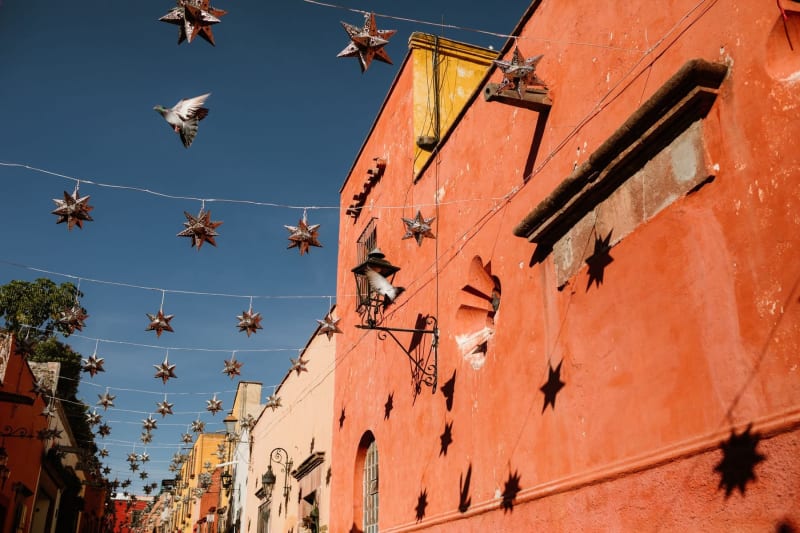 mexico
 San Miguel de Allende
A hilltop colonial gem where pink parroquia bells ring over cobblestones and artists have gathered for decades.
Explore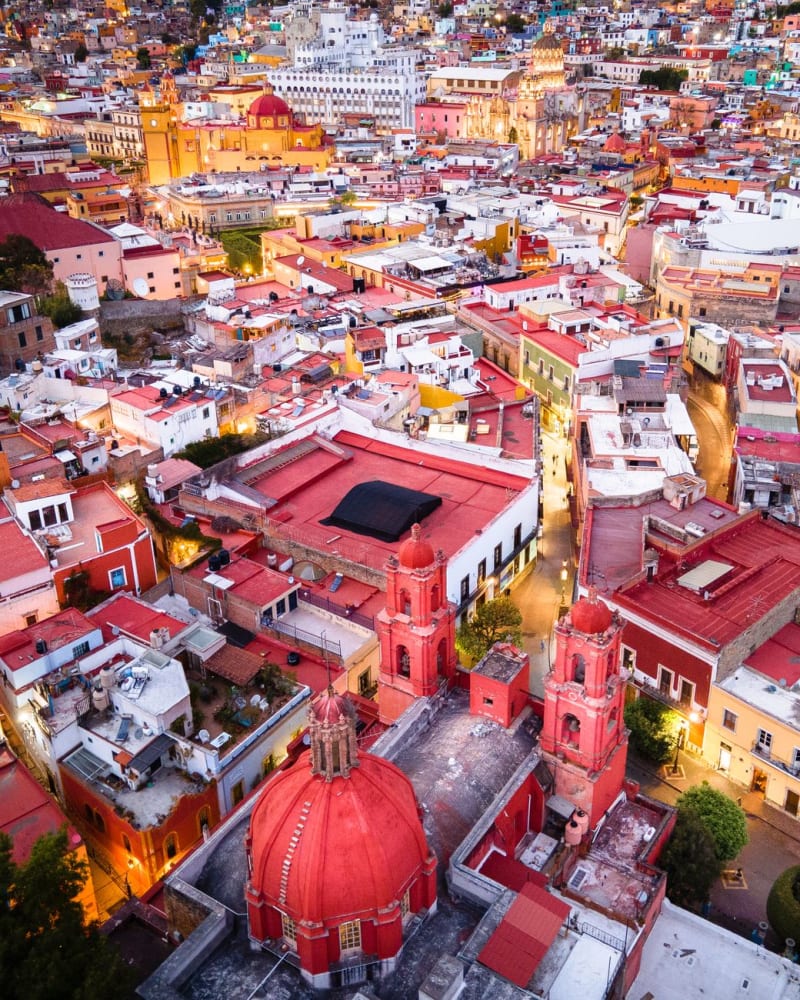 mexico
 Guanajuato City
A UNESCO World Heritage city folded into a ravine, where subterranean callejones, facades painted in twenty shades of ochre and turquoise, and the annual Festival Internacional Cervantino make it one of the most theatrically beautiful cities in the Americas. The silver mines that built colonial Spain still run beneath its streets.
Explore mexico
 Comonfort
Comonfort is a colonial town on the Laja River between San Miguel de Allende and Celaya, known locally for its ceramics and known to very few people outside the region for the Cañada de la Virgen — a pre-Columbian pyramid complex on the edge of a river canyon 25km from town that was only opened to visitors in 2011. On a clear morning with the light coming low across the canyon, the site felt like a real discovery rather than an attraction.
Explore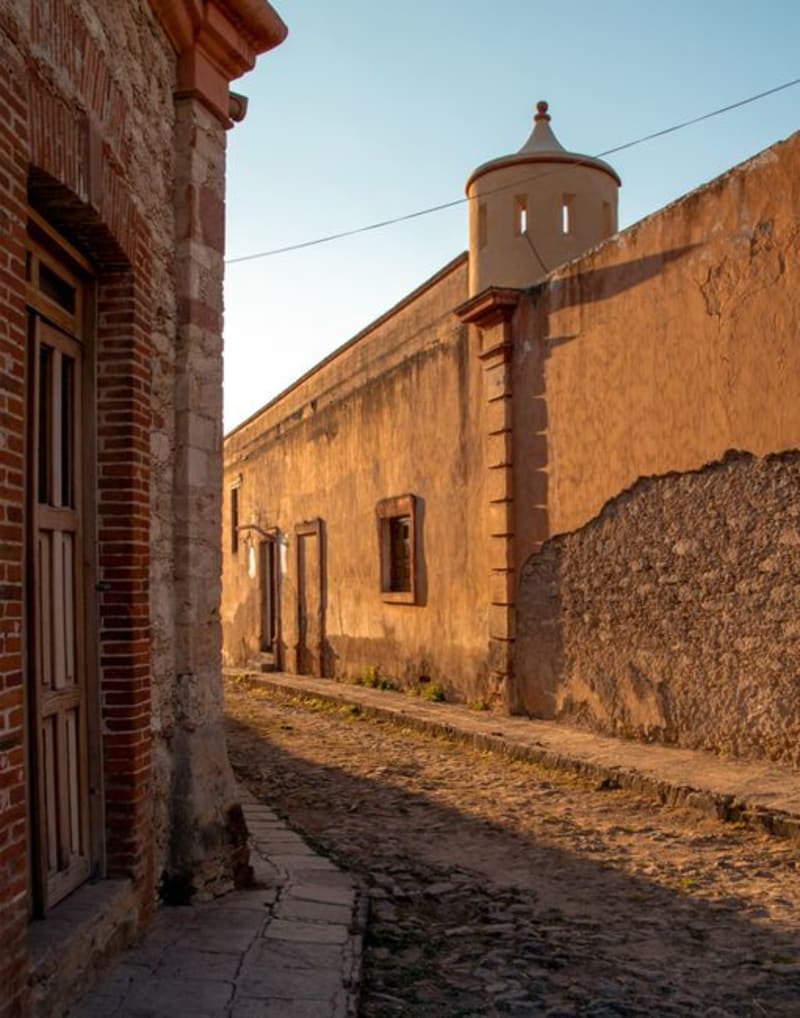 mexico
 Mineral de Pozos
A ghost town turned artist colony in the high desert of Guanajuato, where the crumbling ruins of 19th-century silver and copper mines share the landscape with galleries, mezcal bars, and painters who came for the light and quietly never left.
Explore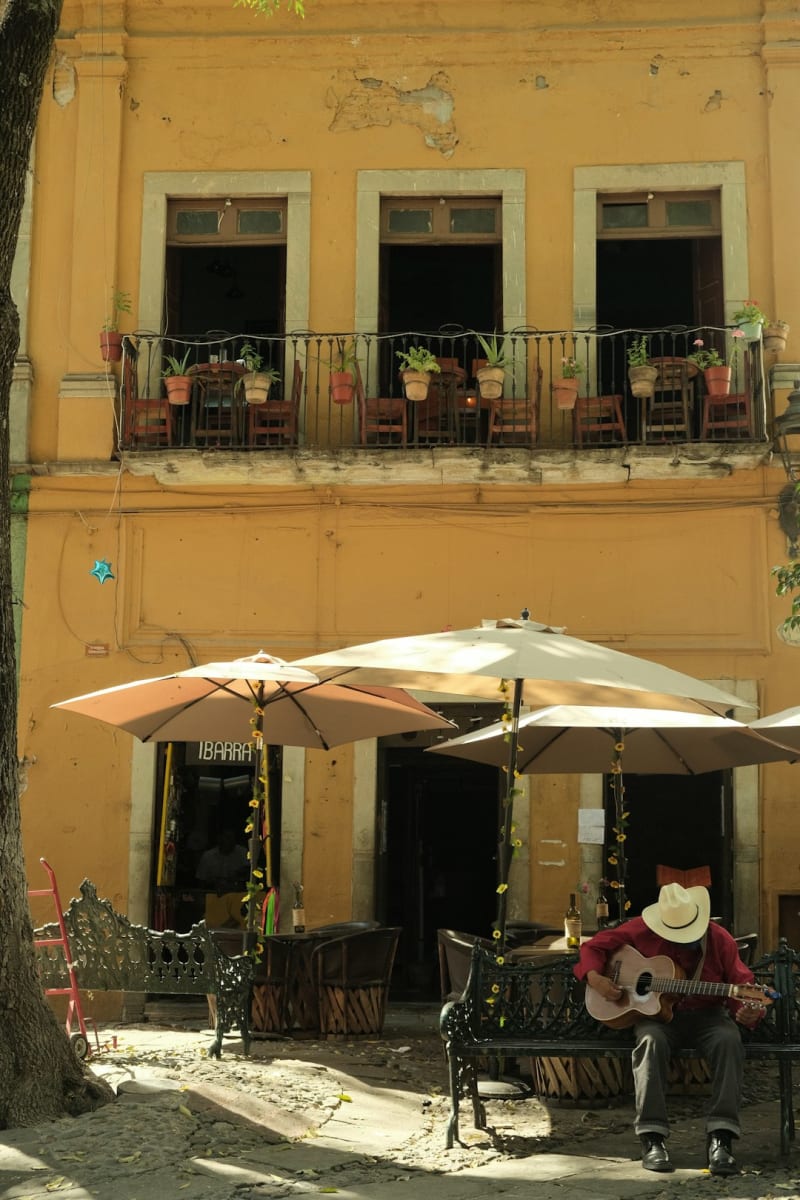 mexico
 San Luis de la Paz
At the northeastern edge of Guanajuato where the Bajío hills roughen into the Sierra Gorda, San Luis de la Paz carries its Pueblo Mágico distinction quietly — colonial arcades, a handsome plaza, and a Sunday tianguis where Chichimec Jonaz artisans still lay out their embroidered work alongside dried chiles and Sierra Gorda produce. The town was founded specifically as a peace settlement after decades of failed military campaigns against the Chichimec confederacy, a history the locals have not forgotten.
Explore