
Comonfort
"A pyramid on the edge of a canyon that opened to visitors thirteen years ago and still has almost no one there. I arrived at eight in the morning and had an hour alone with it."
Comonfort is a colonial town on the Laja River between San Miguel de Allende and Celaya, known locally for its ceramics and known to very few people outside the region for the Cañada de la Virgen — a pre-Columbian pyramid complex on the edge of a river canyon 25km from town that was only opened to visitors in 2011. On a clear morning with the light coming low across the canyon, the site felt like a real discovery rather than an attraction.

Everyone on the San Miguel de Allende circuit drives past Comonfort on the way to somewhere else. It is on the road between San Miguel and Celaya, it has a traditional colonial center and a reputation for ceramics, and most people treat it as a road blur rather than a destination. I did too, for a while. Then I read something about the Cañada de la Virgen — “Virgin’s Canyon” — and understood that Comonfort had been holding something back.
The town itself I visited on the same day I went to the site, arriving early enough to buy coffee and a pan de nata from a panadería near the plaza before driving out to the canyon. The plaza is good — a colonial church with a pale stone facade, the municipal buildings, the market stalls setting up in the early morning. A woman was selling ceramic plates from a table near the entrance to the market, the kind of earthenware that has been made in this part of Guanajuato for generations: terracotta with green and brown glazes, practical and without pretension.
The Cañada de la Virgen
The site is 25km from Comonfort on a dirt road that crosses the mesquite scrub of the Bajío before dropping down to the edge of the Cañada de la Virgen river canyon. The road requires a vehicle with some clearance; I drove it in a regular sedan and was fine, but slowly. The parking area is small and managed by a group of local ejido guides who take visitors to the site on foot — it is not accessible without a guide, which is both a conservation measure and a source of income for the community.
My guide was a young man named Alan who had been leading tours here for three years and knew the site thoroughly. He explained, as we walked down the path toward the canyon rim, that Cañada de la Virgen was only formally excavated starting in 1997 and only opened to the public in 2011 — before that it was known to locals but largely overgrown. The pyramid complex dates from the late Preclassic to early Classic periods, roughly 540 BCE to 1000 CE, built by a culture that archaeologists have not definitively identified but was likely connected to the broader Bajío cultural network of that era.
The site is astronomically aligned: the main pyramid tracks the movement of the sun at the solstices and equinoxes, with specific architectural elements designed to frame or mark solar events. Alan showed me a sightline through a doorway in the upper platform that, on the June solstice, frames the sunrise exactly. Standing in that doorway on an ordinary January morning, I could imagine the calculation it represented — centuries of observation built into stone at the edge of a canyon.

The Canyon and the Light
The canyon itself is the other reason to come. The Laja River — which passes through Comonfort before joining the Lerma — has cut a narrow gorge through the volcanic rock of the Bajío, and the pyramid complex is built on the canyon rim above it. The combination of the archaeological site and the landscape is unusual: most of the major pre-Columbian sites in central Mexico are on plains or hills with open views, but Cañada de la Virgen has intimacy as well as scale — the canyon walls close in, the river is audible below, and the pyramid sits at an edge rather than a summit.
I arrived at eight in the morning, which Alan told me was unusual for visitors. Most groups come later. The early light came across the canyon from the east at a low angle that was doing extraordinary things to the stone — the pyramid platforms in high relief, every course of stone casting a shadow onto the one below it, the whole structure suddenly three-dimensional in a way that photographs from midday sun do not capture.
After an hour on site, we walked back up to the parking area and I thanked Alan and tipped him generously. The drive back to Comonfort was slower than the drive out because I kept stopping to look at the mesquite scrub in the morning light.

Getting There
Comonfort is on Federal Highway 51 between San Miguel de Allende (35km northeast) and Celaya (30km south). The Cañada de la Virgen site requires a car for the 25km dirt road — no public transport reaches it. Book through the ejido guides at the site entrance or through the Comonfort tourism office. Open Wednesday through Sunday; closed Monday and Tuesday. Arrive early.
Keep exploring
More of Guanajuato
Keep exploring
More from Guanajuato
 mexico
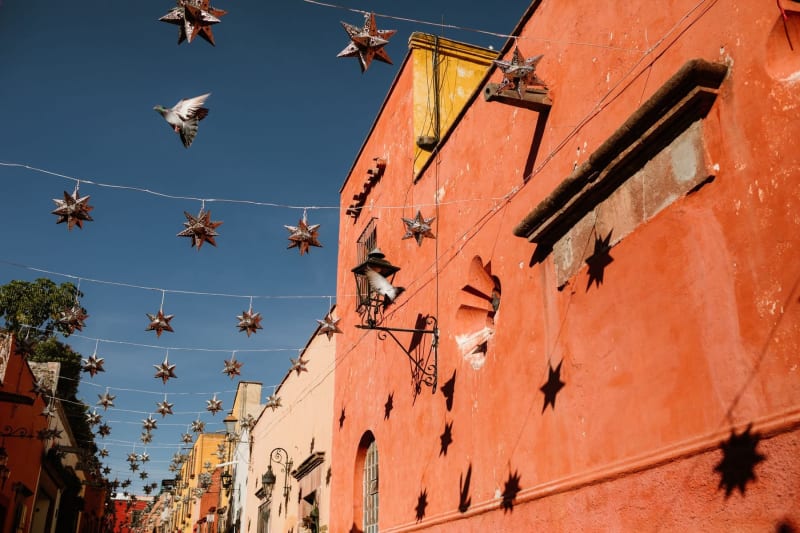
 San Miguel de Allende
A hilltop colonial gem where pink parroquia bells ring over cobblestones and artists have gathered for decades.
Explore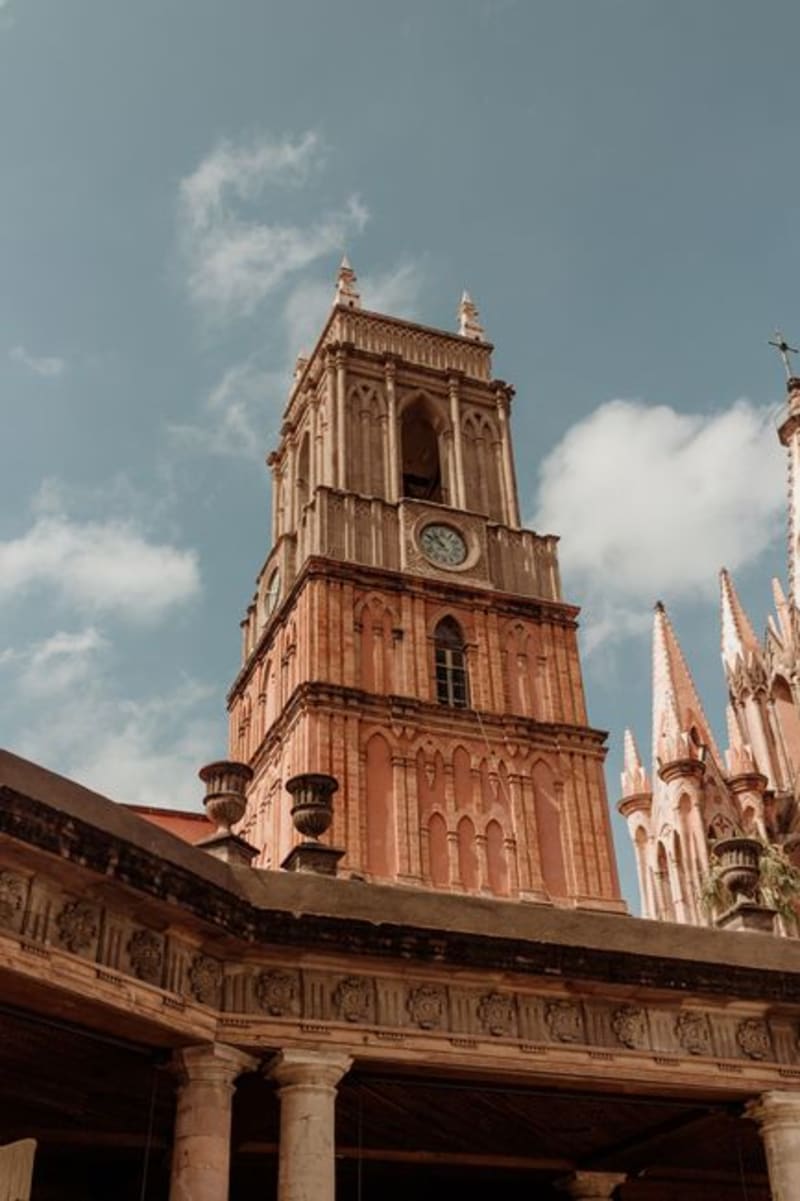 mexico
 Celaya
Celaya is Guanajuato's most overlooked city — and one of its most rewarding. The neoclassical dome of the Templo del Carmen, the baroque extravagance of San Francisco, and the family workshops slow-cooking Mexico's finest cajeta in copper pots give this place a quiet depth that most travelers miss entirely.
Explore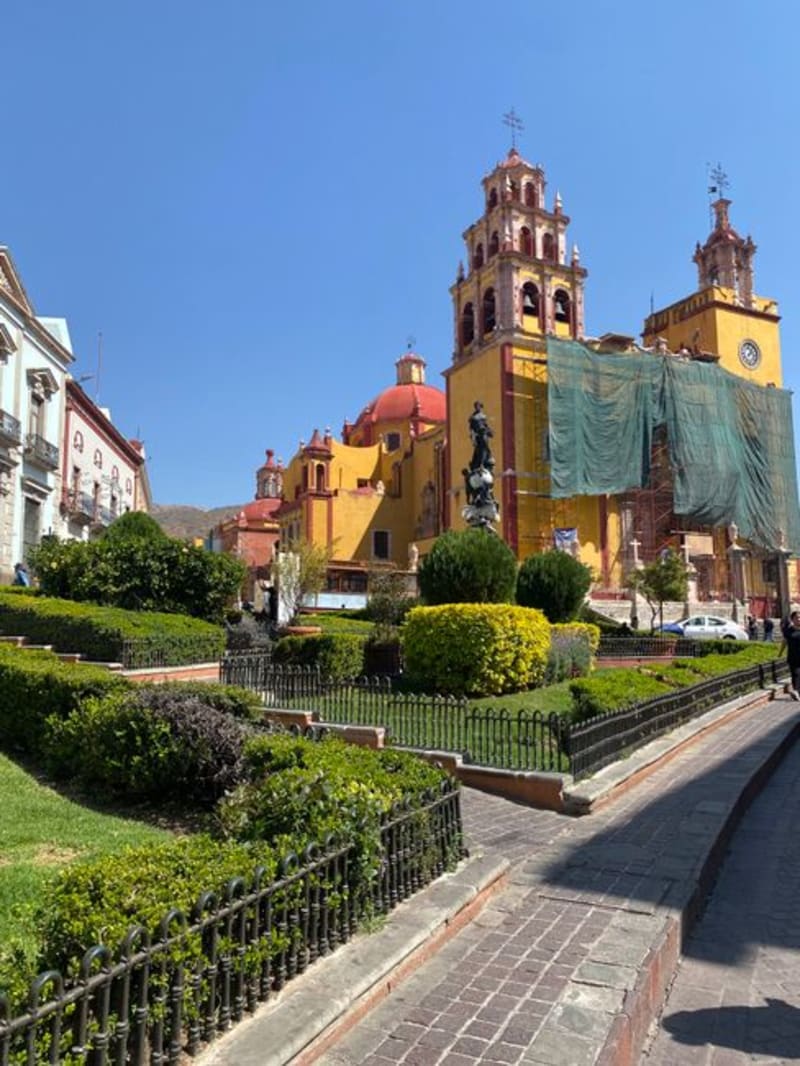 mexico
 Apaseo el Alto
A Bajío town in southeastern Guanajuato where the roads are lined with workshops turning out carved wooden furniture and crafts, the smell of sawdust and lacquer hanging over whole streets. Fertile farmland surrounds a colonial center, and the calendar is stitched together with festivals. Industrious, warm, and proud of what its hands can make.
Explore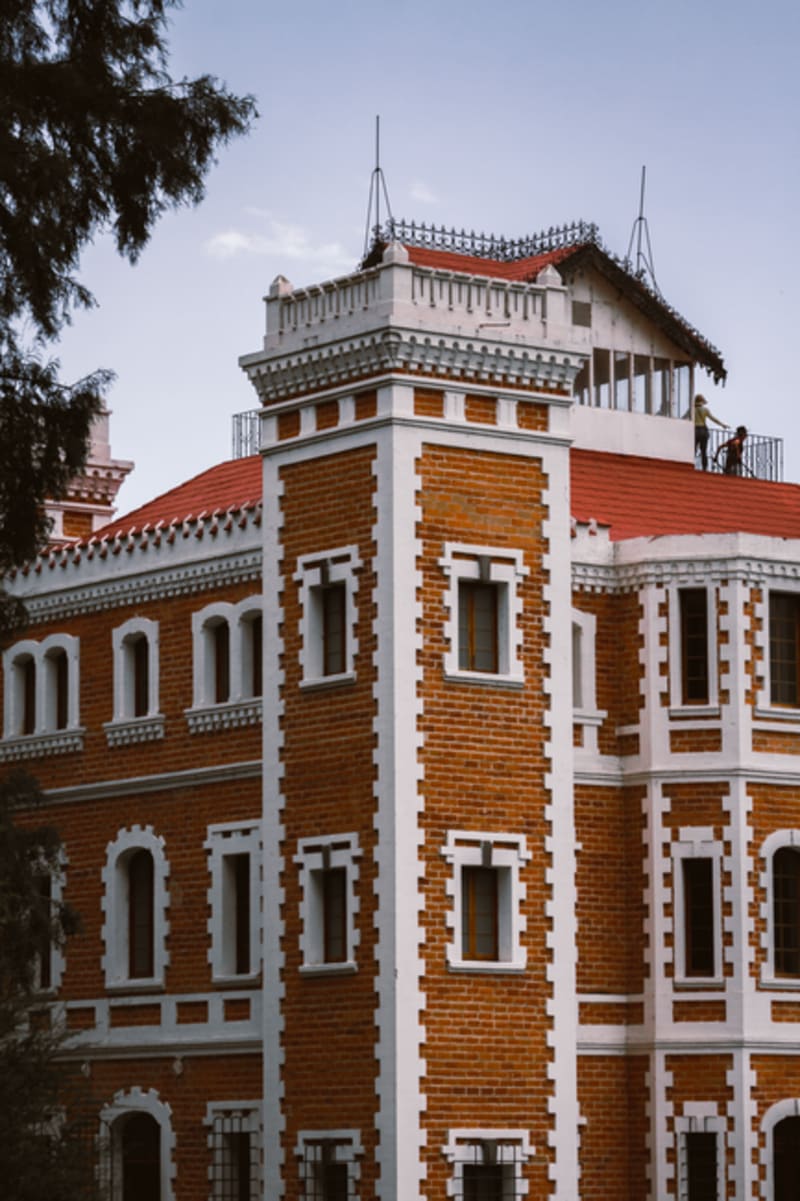 mexico
 Salamanca
Salamanca arrives with Pemex smokestacks on the horizon and leaves you with the memory of a baroque church so elaborate it seems impossible nobody warned you about it. The industrial city Guanajuato built around its oil wealth turns out to have a colonial center of rare quality — ex-haciendas, a grand plaza, and a Churrigueresque facade that stops you mid-step.
Explore mexico
 Dolores Hidalgo
The town where Miguel Hidalgo rang the church bell on September 16, 1810, and set off a revolution. Today Dolores is better known for hand-painted talavera and the strangest ice cream menu in the republic — shrimp, mole, tequila, and corn, all sold in the shadow of the Parroquia de Nuestra Señora de los Dolores.
Explore mexico
 Dolores Hidalgo
The town where Mexican independence was declared in 1810 is also, improbably, the country's capital of eccentric ice cream — shrimp, beer, chicharrón — and some of the finest Talavera-style ceramics you will find anywhere in Guanajuato. The patriotic drama and the bizarre helado sit side by side on the main plaza, and somehow both feel entirely Mexican.
Explore