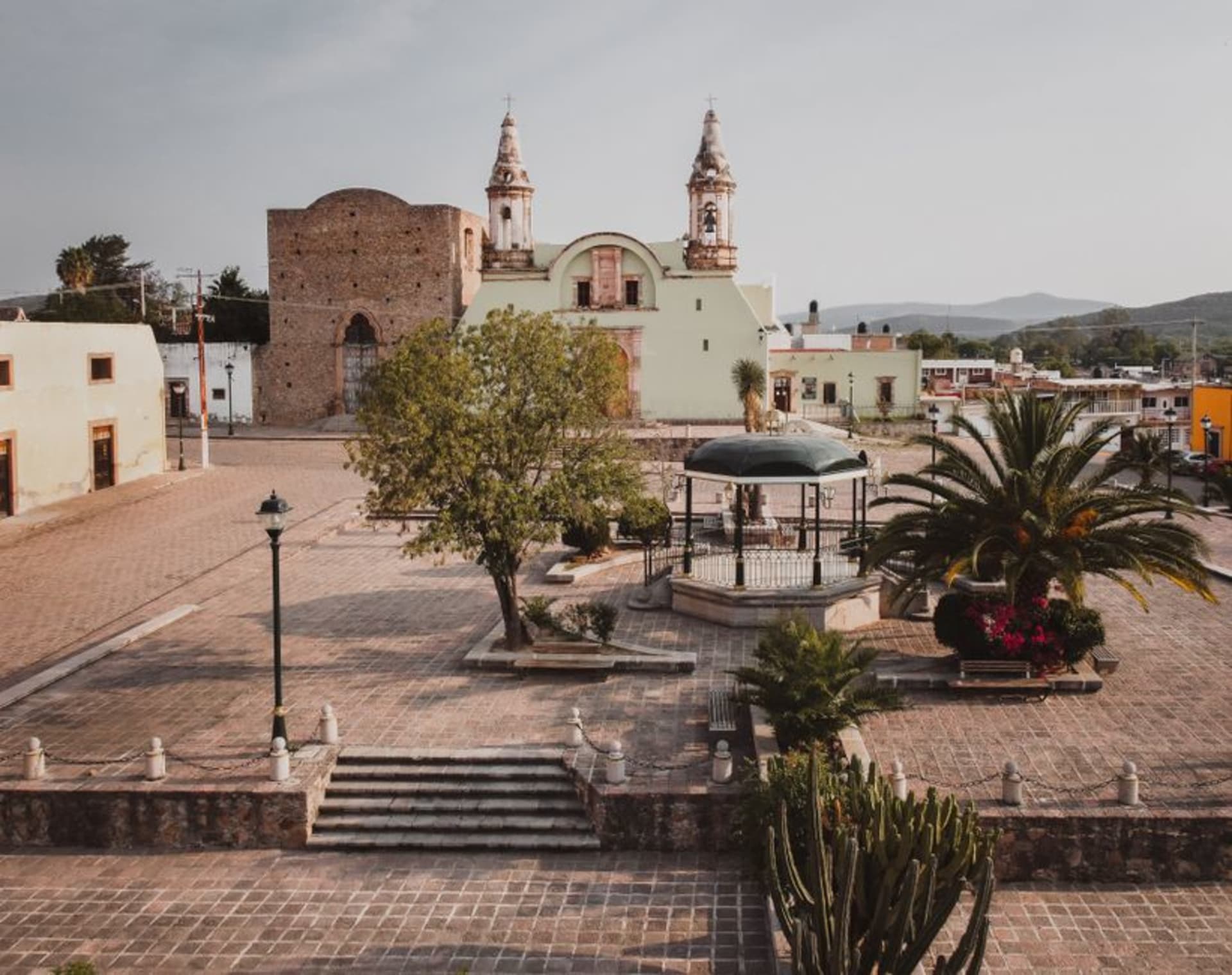
A dignified old Otomí regional capital in northern Estado de México, with an arcaded colonial plaza, an ancient convent, and a hinterland of haciendas, reservoirs, and temperate farmland. Not a resort town, not a Pueblo Mágico brochure — a working place with centuries behind it.

I like a town that carries its history without making a show of it, and Jilotepec carries a great deal. It was an Otomí regional centre long before the Spanish arrived and became an important colonial seat afterward, and you feel both layers pressing up through the streets — but the town wears it all with a kind of workaday shrug. There are no tour groups. There’s a man selling newspapers, a woman with a basket of bread, and a plaza that has watched five centuries go by and isn’t especially impressed by your arrival. I came for an afternoon and it quietly earned a return.
The arcaded plaza
The heart of Jilotepec is its plaza, ringed on one side by stone portales — the arcaded colonnades that shelter the sidewalk and, beneath them, the small commerce that keeps a town alive. I sat under the arches with a coffee and watched the ordinary theatre of a regional capital doing its business: farmers in from the surrounding fields, kids in school uniforms, an old man reading the paper with the total absorption of someone with nowhere else to be. The light came in low under the arches and striped the stone.
What I appreciate about Jilotepec is that the plaza isn’t a stage set. It’s the actual centre of gravity for a lot of surrounding countryside, the place people come to buy and sell and settle things. That gives it a solidity the prettified tourist towns lose. Nothing here is performed for me. I could sit under the portales for hours, and I nearly did.

The old convent
Rising over the plaza is Jilotepec’s colonial religious core — an old convent complex, the kind the mendicant orders threw up across central Mexico in the sixteenth century to anchor their work among the Otomí. I stepped inside out of the heat and found the cool, thick-walled hush that these buildings do better than anything else. The stone holds centuries of candle smoke and quiet. An older woman knelt near the front; otherwise I had the nave to myself.
I’m not religious, but I’ve never lost my taste for these spaces — for the weight of the walls, the worn stone underfoot polished by generations of feet, the sense of a room built to make a person feel small in a useful way. Jilotepec’s convent isn’t the grandest in Mexico. It’s better than grand: it’s still in use, still the centre of the town’s Sundays, still doing the job it was built for.

Haciendas and reservoirs
Beyond the town the country opens into temperate farmland dotted with old haciendas and, here and there, the broad flat shine of a reservoir. I drove out in the late afternoon with no destination, which is my favourite way to see a place, and let the roads take me past grazing land and stone gateposts and water holding the last of the light. This is fertile, worked country — maize and cattle and the long agricultural rhythm that has fed this region since before the conquest.
I stopped at the edge of a reservoir and watched the sun go down over the water while a couple of fishermen packed up their lines. It was completely ordinary and completely lovely, the two things I’ve found go together more often than not in this country. Jilotepec doesn’t hand you a spectacle. It hands you an afternoon, and trusts you to know what to do with it.
Getting There
Jilotepec sits in northern Estado de México, about an hour and a half from Mexico City by the Highway 57 toll road toward Querétaro, with its own well-marked exit. Frequent buses run from Mexico City’s northern terminal, since this is a real regional hub and not a tourist afterthought. The town itself is walkable — plaza, portales, and convent all cluster together — but the haciendas and reservoirs of the hinterland want a car and an unhurried afternoon. The temperate highland climate is kind most of the year; come on a weekday to catch the town simply being itself.
Keep exploring
More of Estado de México
Keep exploring
More from Estado de México
 mexico
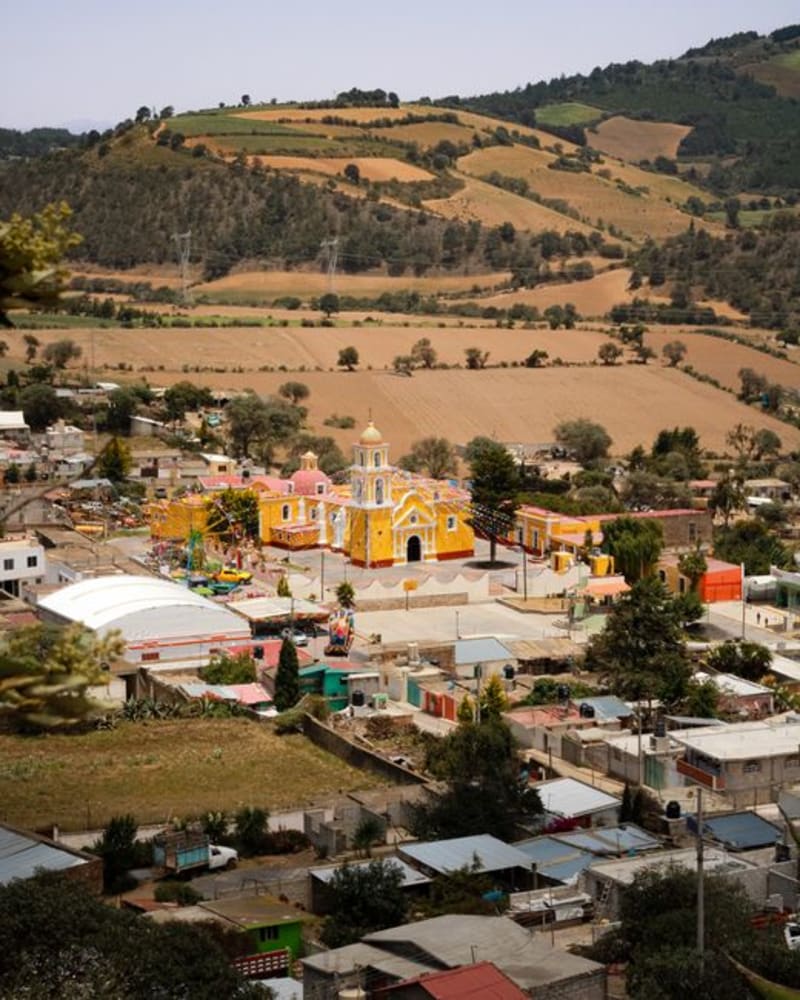
 Soyaniquilpan
A small northern municipality of Estado de México that most people only ever see as a blur through the car window on the way to Querétaro. Otomí roots, plains of maguey, and a reservoir that holds the whole dry sky. Overlooked, and the better for it.
Explore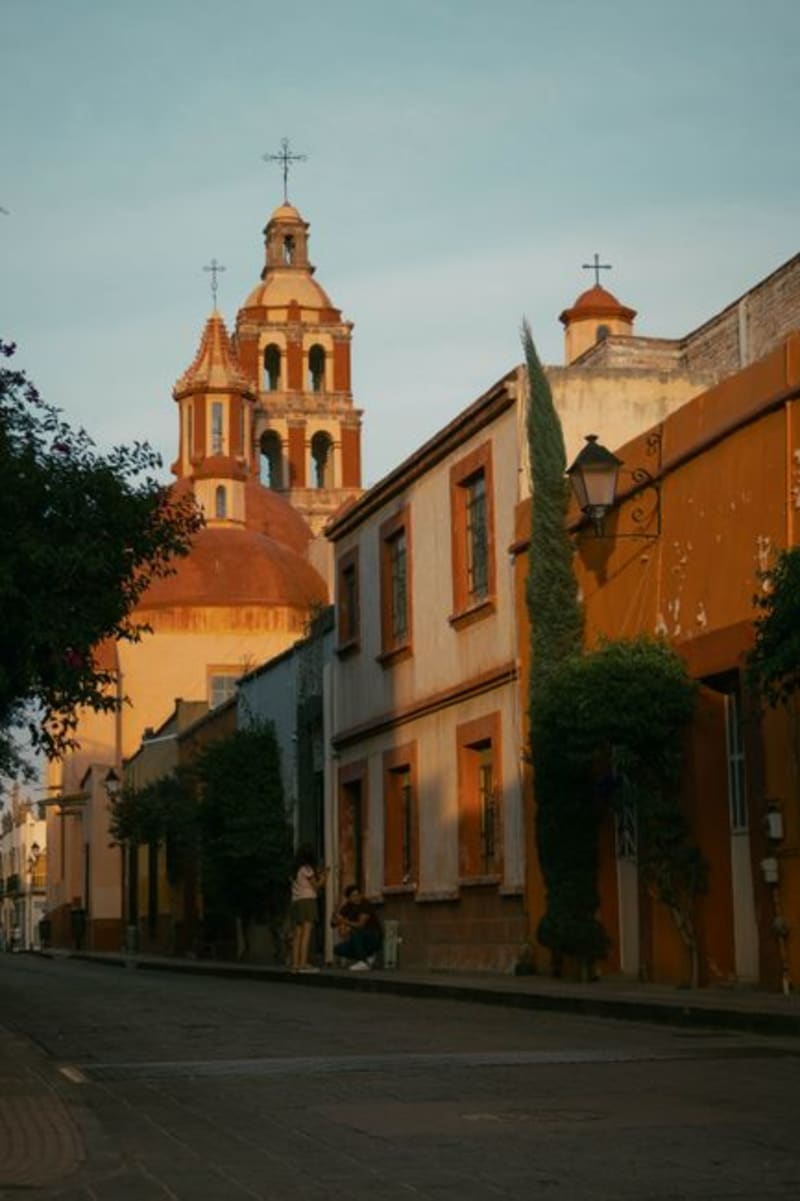 mexico
 Chapa de Mota
A forested highland town north of Toluca where the air turns cool and damp and smells of pine resin. Otomí country of springs and waterfalls and mist that sits in the treetops past noon. A green escape almost nobody makes, an hour from the city and a world away from it.
Explore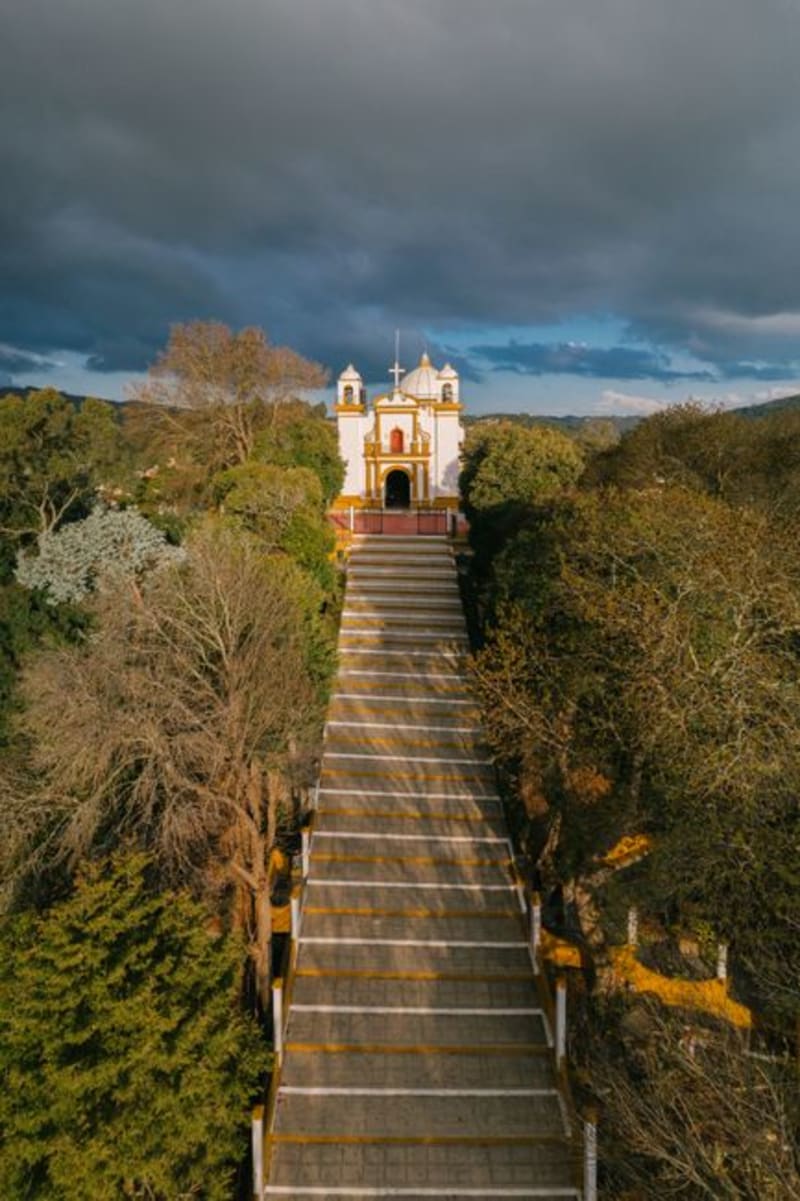 mexico
 Aculco
A Pueblo Mágico in the north of Estado de México where a 16th-century Franciscan convent anchors a zócalo that hasn't been polished for visitors, and cloth-wrapped Queso Aculco is sold from roadside trucks by people who assume you already know better.
Explore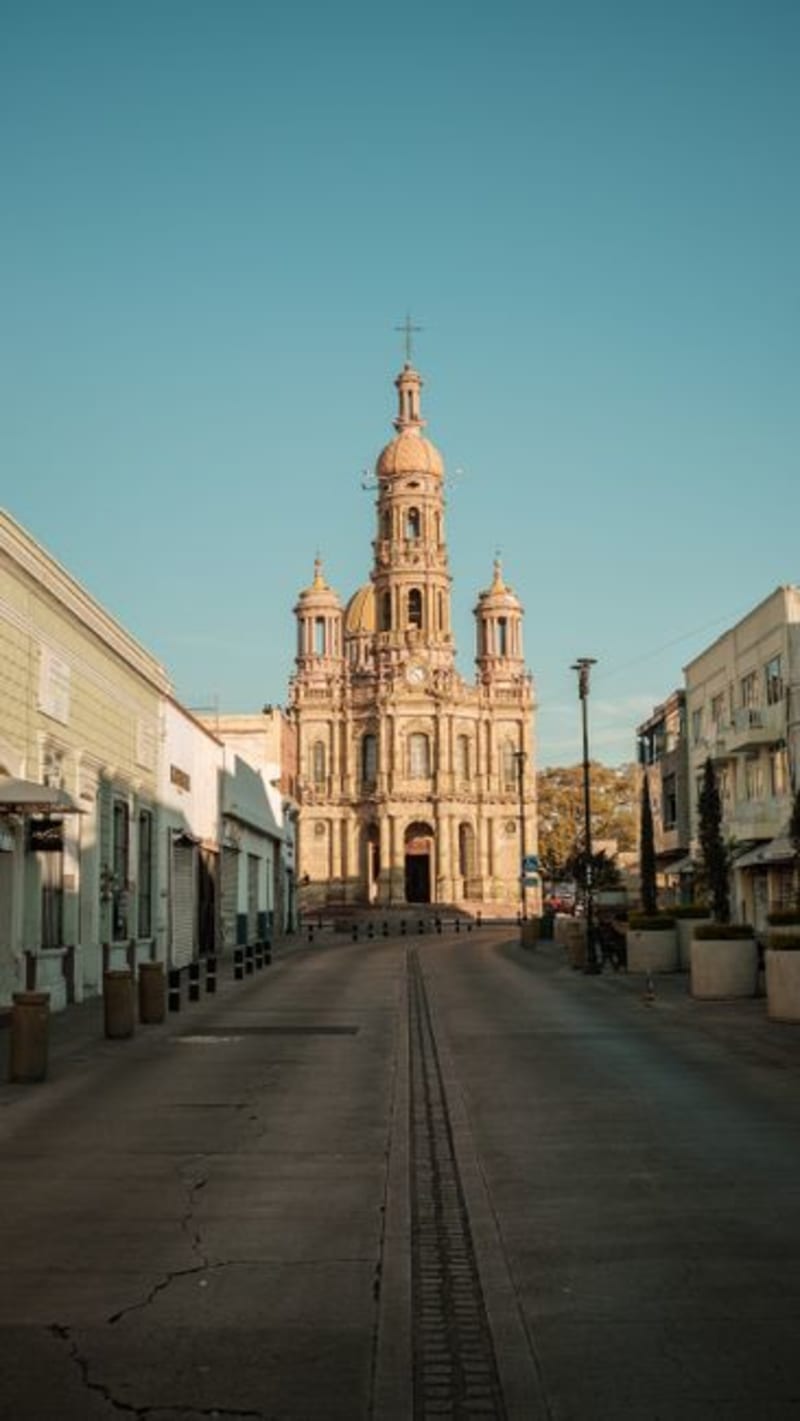 mexico
 Polotitlán
A far-northern corner of Estado de México where the state runs out and the Bajío begins. Old dairy haciendas, wide farm plains, and a plaza so quiet you can hear the church bell decide whether to ring. Cheese country, cattle country, unhurried.
Explore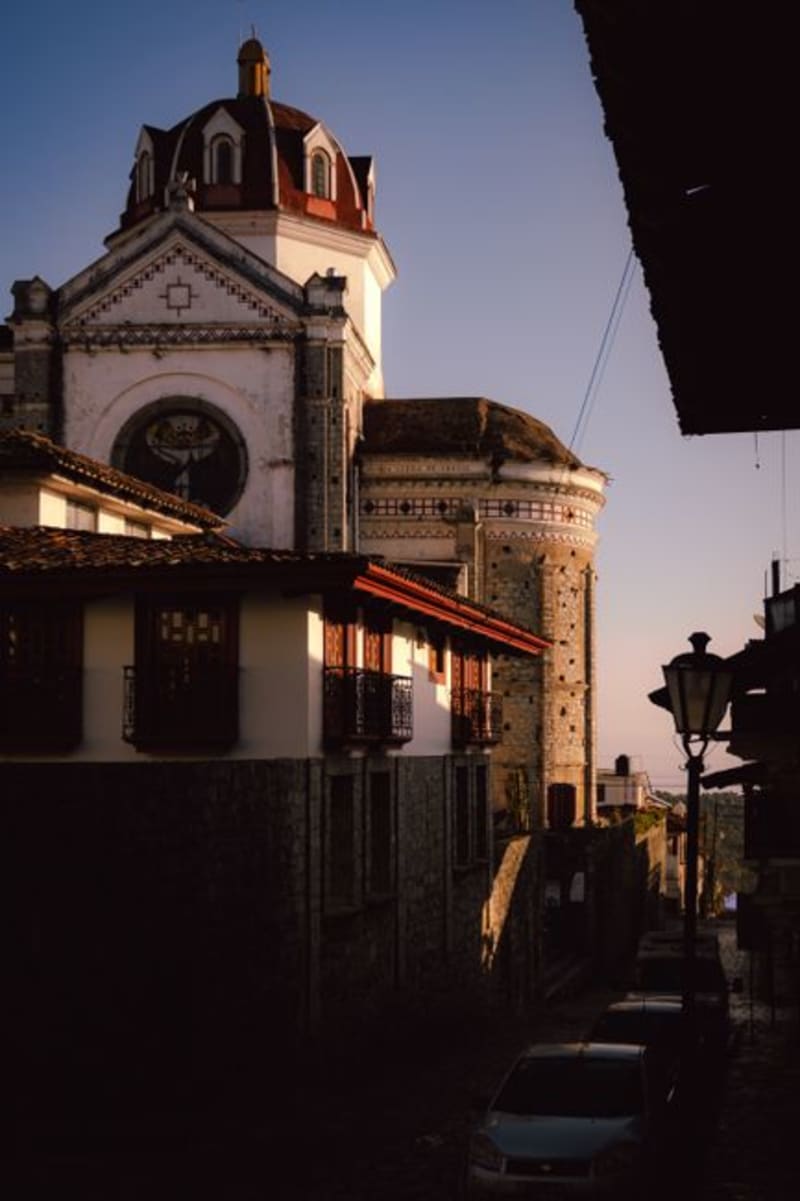 mexico
 Villa del Carbón
An hour north of Mexico City in the pine-forested mountains of Estado de México, Villa del Carbón operates at a pace that feels almost remedial after the capital. The Pueblo Mágico draws weekenders for its renowned cheese and chorizo market, its sixteenth-century Augustinian monastery, and the straightforward luxury of breathing cold air in forests that smell of pine resin and wet earth.
Explore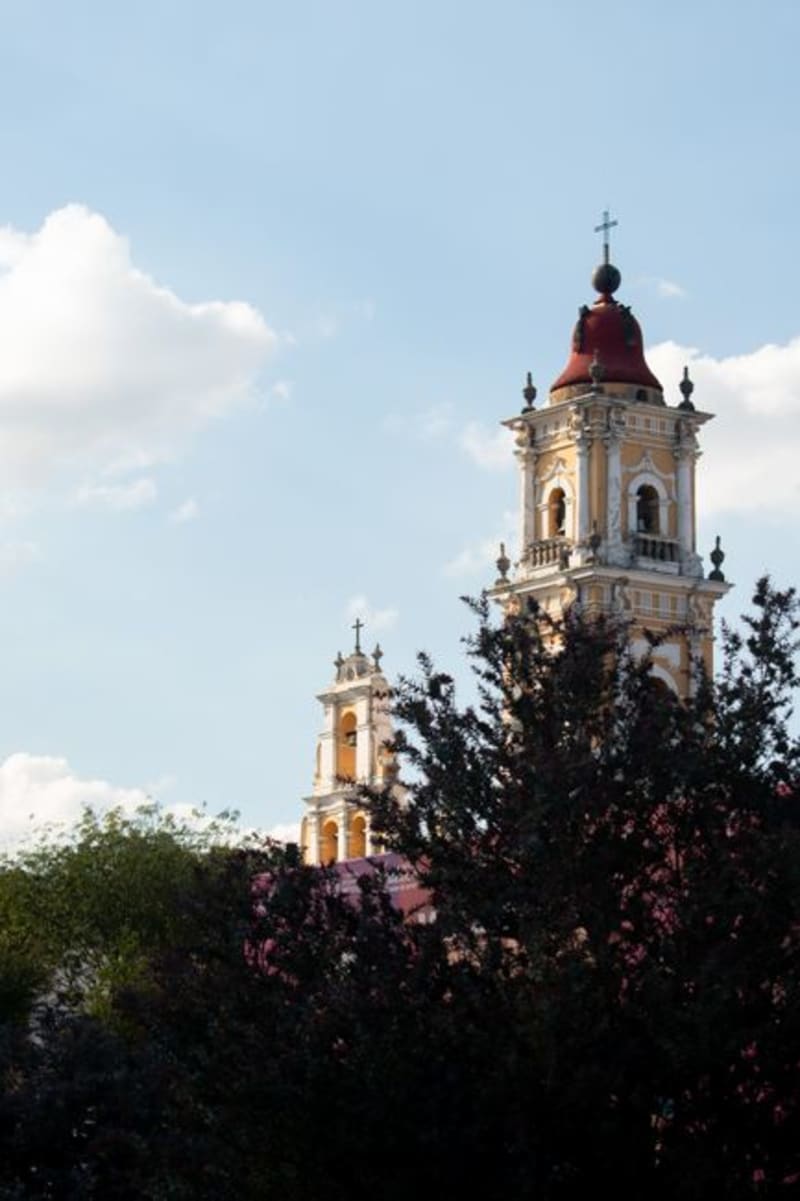 mexico
 Jocotitlan
Jocotitlan is a quiet Mazahua town in Estado de México, defined by the dormant volcano that rises directly above it — intimate and climbable in a way that Popocatépetl never quite is. Market day fills the plaza with embroidered blouses and woven baskets that most visitors to the region will never see.
Explore