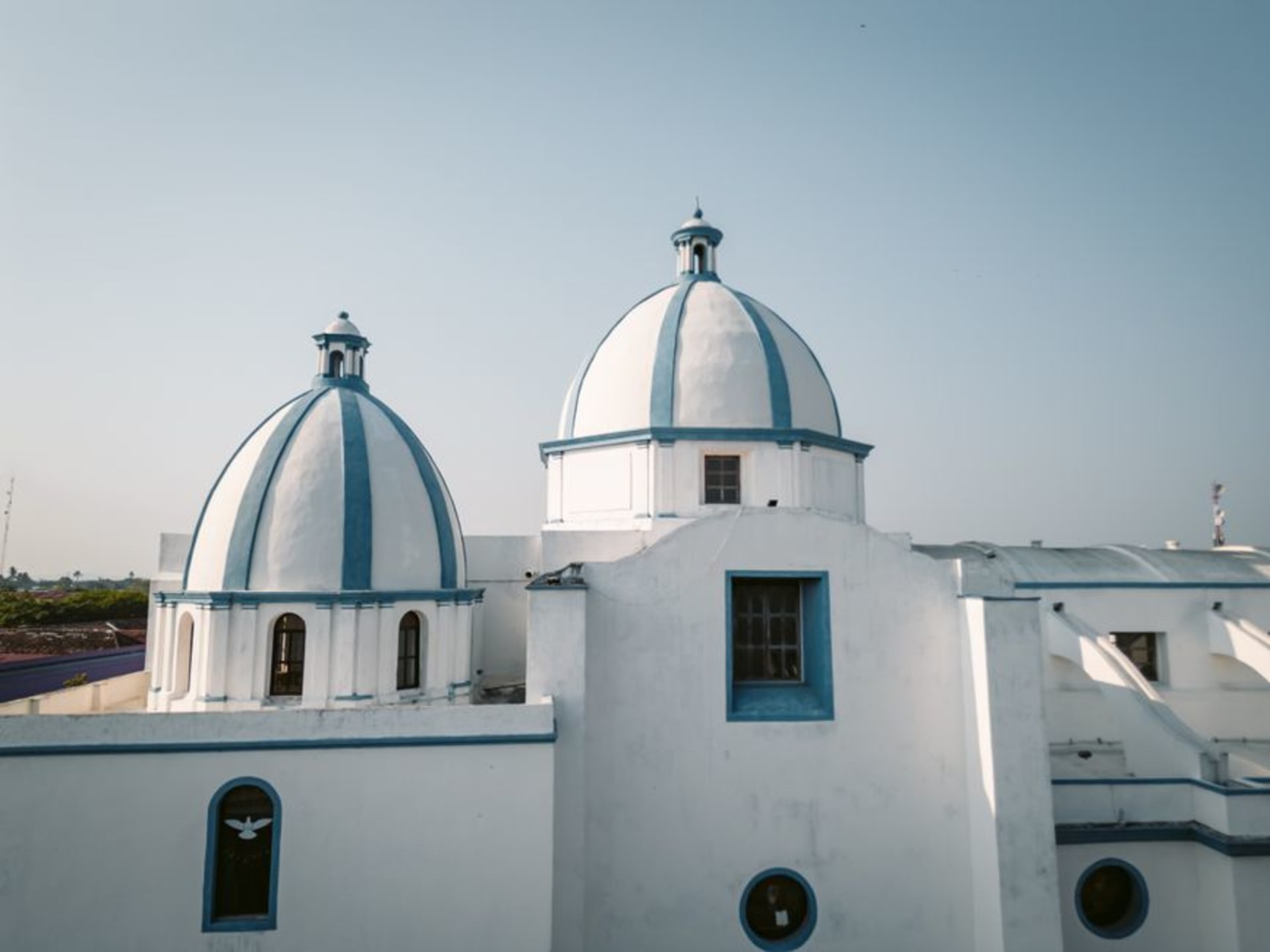
Aculco
"I bought a round of Queso Aculco from a woman who seemed mildly offended I hadn't heard of it before. She was right to be."
A Pueblo Mágico in the north of Estado de México where a 16th-century Franciscan convent anchors a zócalo that hasn't been polished for visitors, and cloth-wrapped Queso Aculco is sold from roadside trucks by people who assume you already know better.

I came to Aculco on a Tuesday in January, which turned out to be exactly the right time — not for any festival, but because there was almost nobody there. The bus from Jilotepec dropped me at the edge of the zócalo in the middle of the afternoon, and the light was already thinking about turning gold. The convent was the first thing I noticed, sitting at the far side of the square with the kind of confidence that comes from five centuries of not being moved. The second thing I noticed was a truck parked along the road north of town, selling cheese by the round to drivers who didn’t even bother stopping the engine. That truck would take up an unreasonable portion of my remaining time in Aculco.
The Ex-Convento de San Andrés Apóstol
The convent sits at the center of Aculco with a gravitational pull you feel before you understand it. Built by the Franciscans in the mid-sixteenth century, it is one of those structures that was never meant to be admired — it was meant to last, which it has, with a certain indifference to whoever showed up later. The church facade is plain by the standards of colonial Mexico, which in this case is a compliment. There is no performance in it. The atrium walls still stand, and the arched open chapel on the north side is the kind of thing that makes you stop walking without meaning to.
I spent probably forty minutes sitting in the atrium. A few pigeons. A man pushing a broom across the flagstones. The afternoon light working its way across the stone in the slow way it does at altitude in January. Aculco holds its Pueblo Mágico designation officially, but the convent feels indifferent to that designation. It has had other things on its mind. The interior is not heavily decorated — worth going in anyway, if only to feel the temperature drop by ten degrees and to notice how the proportions of the nave make you unconsciously stand straighter.

Queso Aculco
The cheese trucks park along the road that leads north out of the zócalo, and if you miss them, several market stalls in town carry the same thing. Queso Aculco is semi-aged and cloth-wrapped — firm but not hard, with a salinity that builds slowly rather than announcing itself immediately. The cloth binding leaves a faint imprint on the rind. I bought a round from a woman who seemed mildly offended I hadn’t heard of it before. She was right to be.
She explained, without being asked, that the cloth aging was the critical part — that the cheese breathes differently than plastic-wrapped versions, that the rounds sold in supermarkets in Toluca are technically the same product but are not, in any meaningful sense, the same thing. I ate about a quarter of my round standing in the parking area and bought a second one to take back to Puerto Escondido. Queso Aculco travels well in a cooler bag. It also disappears faster than you’d expect, because you keep cutting just one more slice to make sure you remember what it tasted like.

The Streets and the Market
The cobblestones in the historic center wear unevenly — you can tell they haven’t been recently relaid for aesthetic purposes because some stretches require more attention underfoot than others. On weekdays the zócalo is quiet enough that you notice individual sounds: a radio from inside a shop, a moto turning the corner, the scrape of a chair on the portales. Market days bring a tianguis into the streets around the main square, where you can find local honey, fruit preserves, and more cheese alongside the usual hardware and clothing stalls.
The town has not been heavily restored for visitor consumption. Some facades are peeling. This is not a complaint. There is a specific relief in a Pueblo Mágico that hasn’t yet been sanded into a theme-park version of itself, where the main square functions as an actual town square for actual residents rather than as a backdrop. Aculco is still in that earlier phase, and it is worth arriving while that is still the case.

Getting There
Aculco sits roughly 130 kilometers northwest of Mexico City, with the most direct route passing through Atlacomulco — a drive of two to two and a half hours depending on how the city releases you. Regional buses connect from Jilotepec and Toluca on their own schedules; check locally for current departure times. Weekdays are substantially quieter than weekends, when day-trippers arrive from the capital. The dry season, November through April, gives you the best roads and the clearest light.
Keep exploring
More of Estado de México
Keep exploring
More from Estado de México
 mexico
 Polotitlán
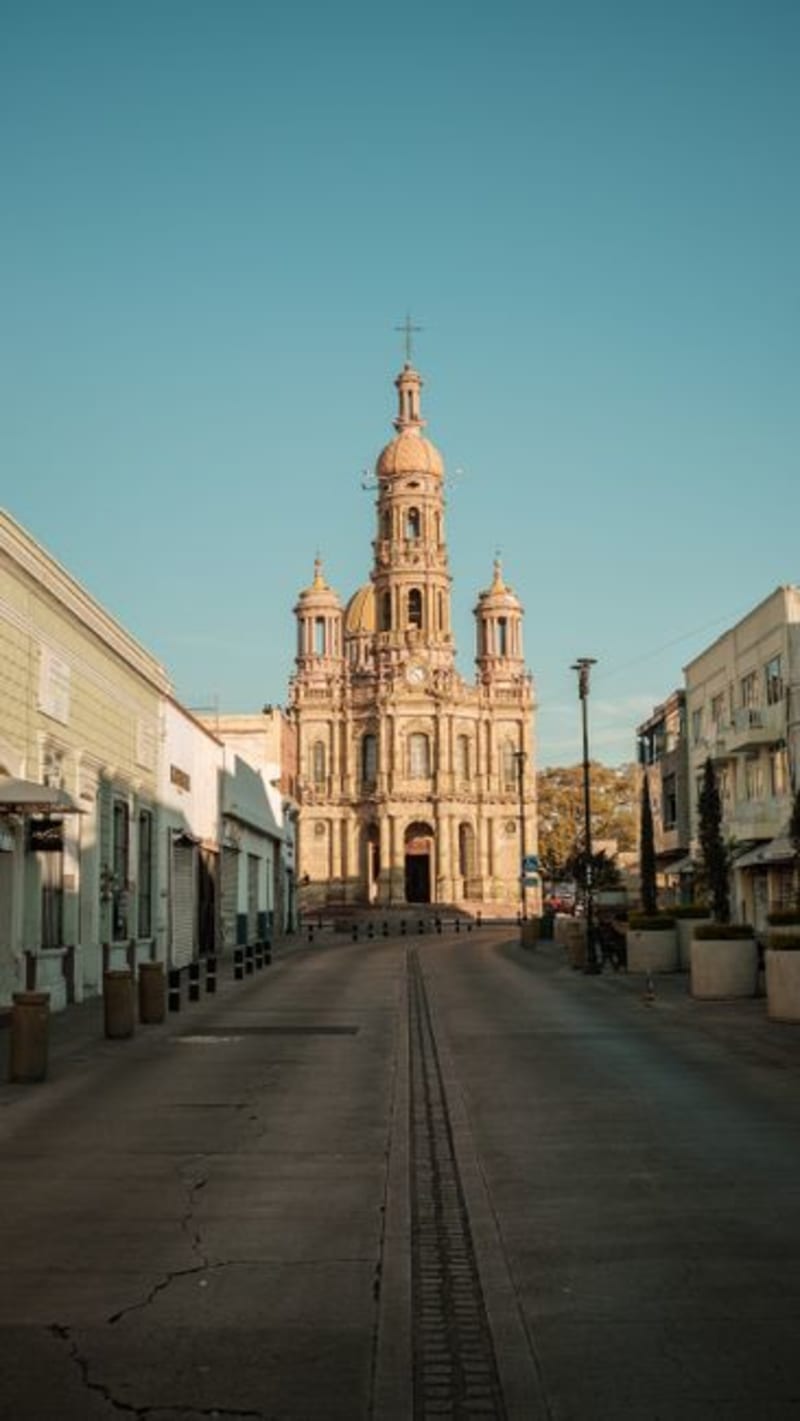
A far-northern corner of Estado de México where the state runs out and the Bajío begins. Old dairy haciendas, wide farm plains, and a plaza so quiet you can hear the church bell decide whether to ring. Cheese country, cattle country, unhurried.
Explore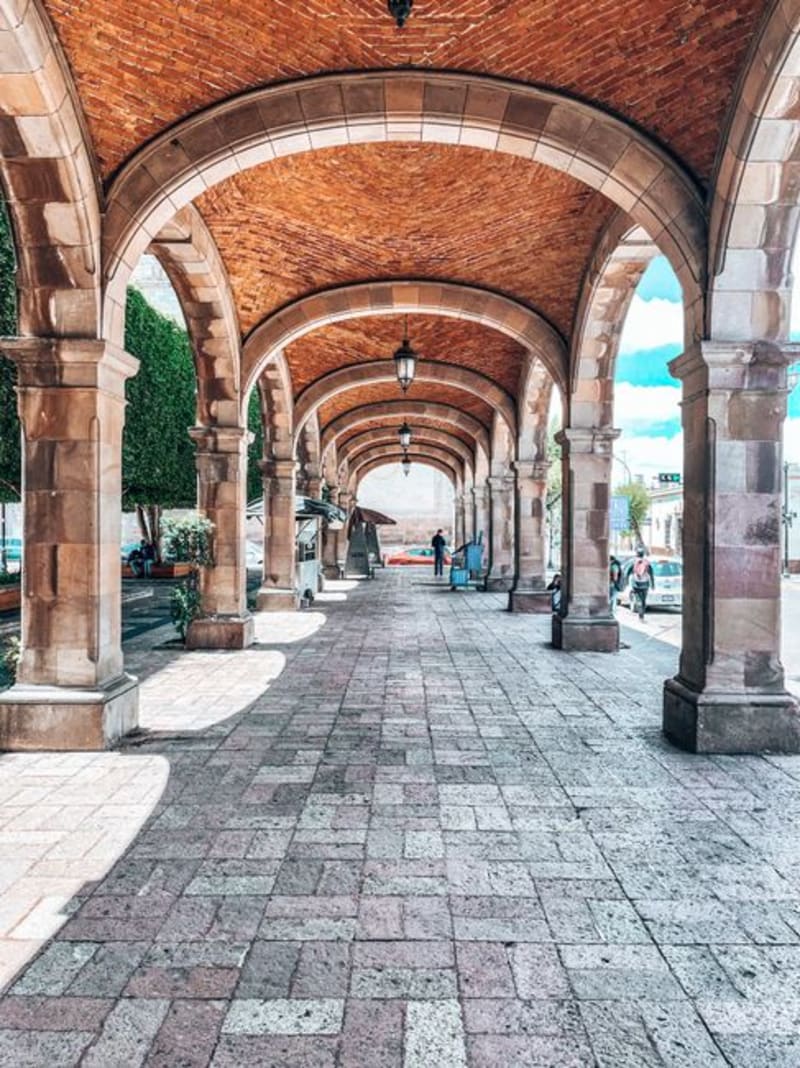 mexico
 Jilotepec
A dignified old Otomí regional capital in northern Estado de México, with an arcaded colonial plaza, an ancient convent, and a hinterland of haciendas, reservoirs, and temperate farmland. Not a resort town, not a Pueblo Mágico brochure — a working place with centuries behind it.
Explore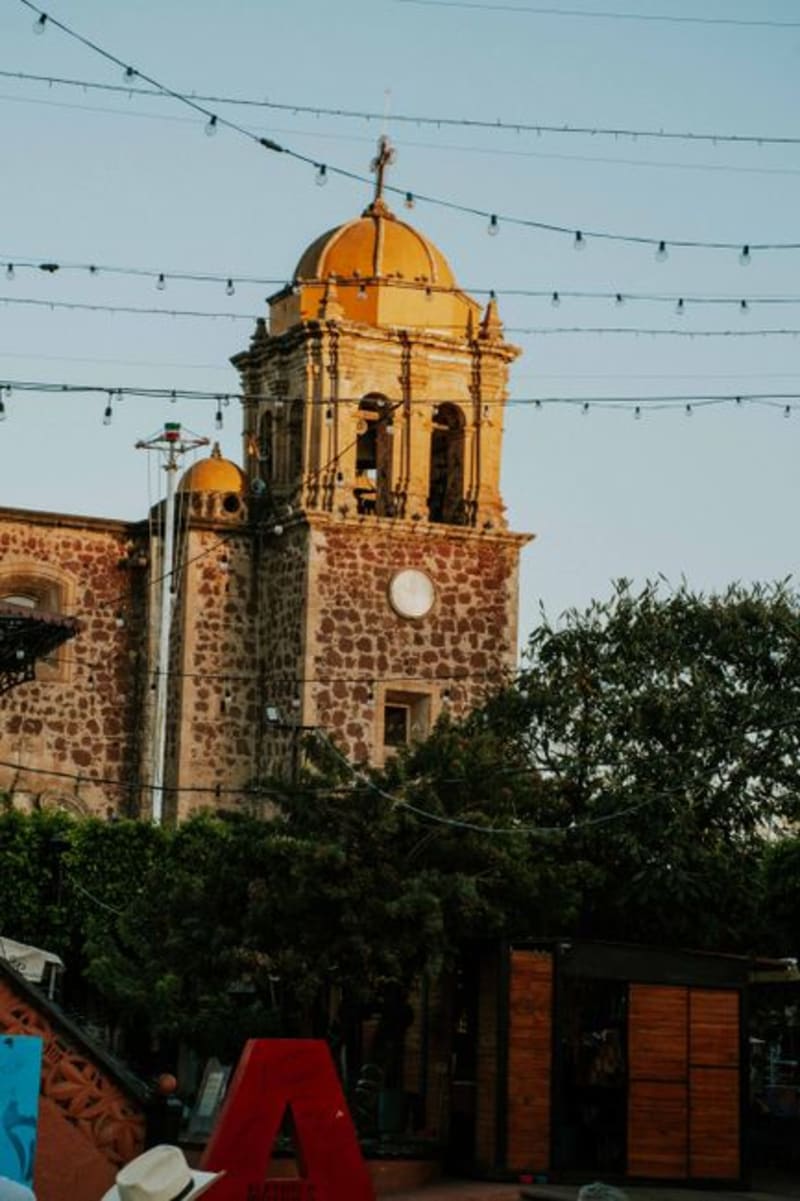 mexico
 Temascalcingo
A humble Mazahua and Otomí town in the upper Lerma valley of far northwest Estado de México, in the green farming country that shaped the painter José María Velasco. Thermal springs, traditional pottery and weaving, and a rural quiet that rewards the traveler willing to go looking for it.
Explore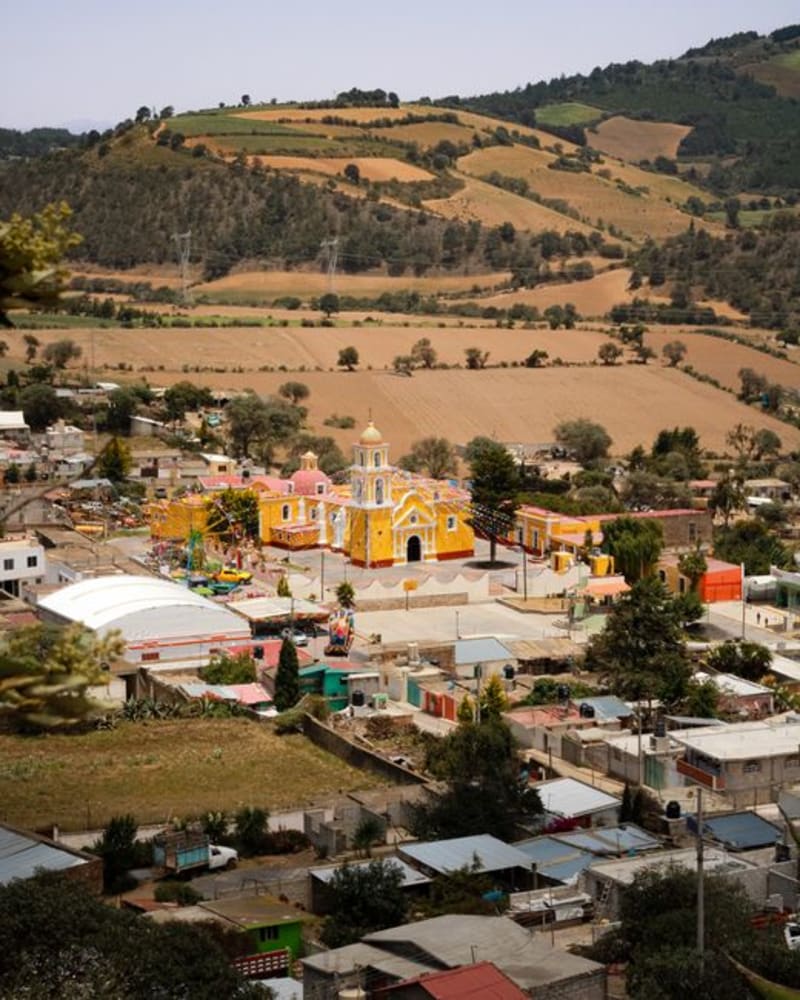 mexico
 Soyaniquilpan
A small northern municipality of Estado de México that most people only ever see as a blur through the car window on the way to Querétaro. Otomí roots, plains of maguey, and a reservoir that holds the whole dry sky. Overlooked, and the better for it.
Explore mexico
 El Oro
A former gold and silver mining town at 2,700 meters in the Estado de México highlands, where a magnificent 1909 Art Nouveau theatre sits stranded in a nearly empty mountain town — one of the most architecturally improbable buildings in Mexico.
Explore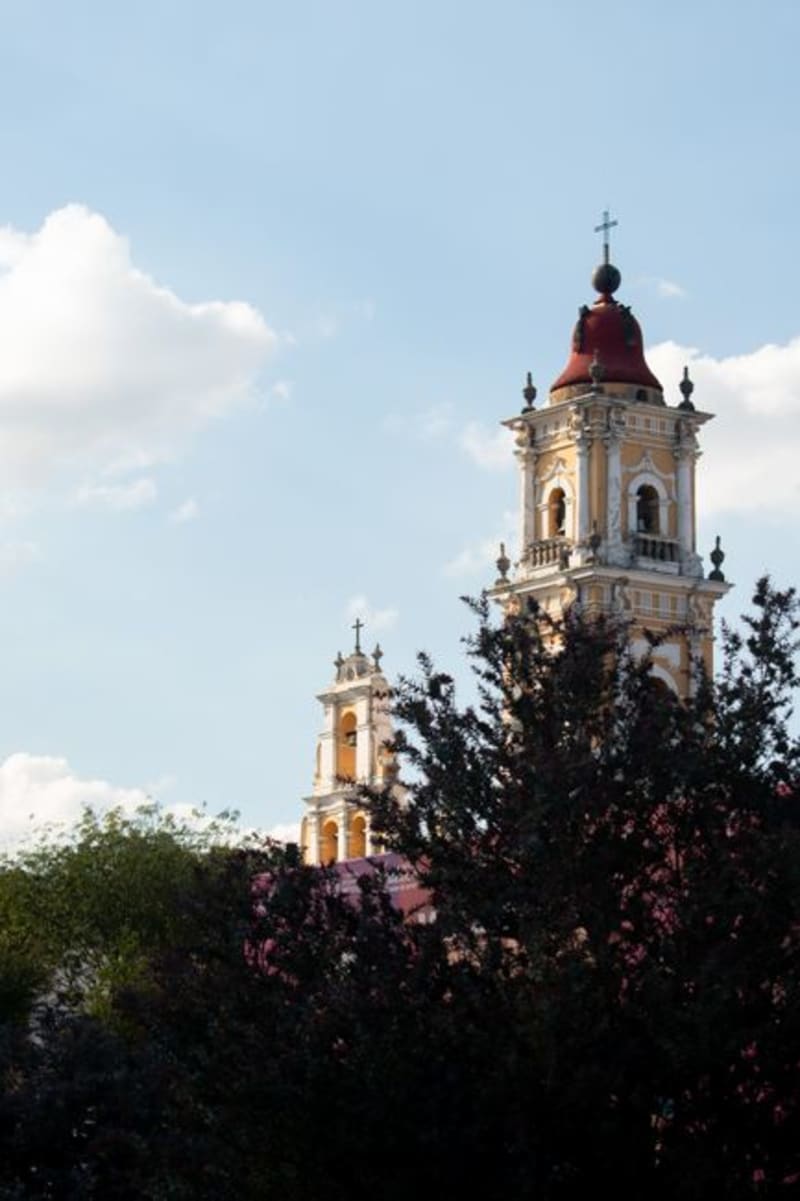 mexico
 Jocotitlan
Jocotitlan is a quiet Mazahua town in Estado de México, defined by the dormant volcano that rises directly above it — intimate and climbable in a way that Popocatépetl never quite is. Market day fills the plaza with embroidered blouses and woven baskets that most visitors to the region will never see.
Explore