Rincón de Romos
"I watched a woman stitch pulled-thread work for the better part of an hour while her granddaughter tried to explain Instagram to her. Both of them seemed confident the other one was missing something important."
Twenty minutes north of Aguascalientes city, Rincón de Romos runs at a pace calibrated for people who already know each other. The town keeps the state's deshilado pulled-thread embroidery tradition alive in family workshops, and its weekend market operates less like a tourist attraction and more like a standing social appointment.

I came up from Aguascalientes on a Saturday morning, twenty minutes north on the carretera, and the shift in tempo was immediate. Not quieter exactly — Rincón de Romos was louder than I’d expected — but slower in the way a conversation gets slower when the people having it actually know each other. A group of men in front of the presidencia were debating something with the patience of people who have been debating it for years. I bought a coffee from a thermos an abuela was selling off a folding table near the parroquia and stood there long enough to feel like I’d interrupted something.
Deshilado, Still Living
The town’s signature craft turns up everywhere once you know what you’re looking at: tablecloths folded in market stalls, half-finished pieces spread across laps during the afternoon lull, finished work draped in restaurant windows with handwritten price tags. Deshilado — pulled-thread embroidery — involves drawing individual threads from woven fabric to build geometric lacework in the gaps left behind. In Rincón de Romos the tradition is still practiced in family workshops rather than reproduced at scale, and the distinction is visible in the work.
I spent time in one such workshop off Calle Independencia where three generations were working in the same room: a grandmother setting the pattern, her daughter finishing edges, a teenage girl who was mostly on her phone but could pick up a needle and demonstrate the base stitch without breaking from the conversation she was having. The finished pieces sell for what feels like not enough — a large tablecloth for four hundred pesos — and the women who make them seem entirely aware of this fact and entirely unbothered by my awareness of it. I bought a small piece. It is the most precisely made thing in my apartment.

The Market as Weekly Institution
The Saturday market in the centro sets up before seven and runs until the vendors decide it is over, which has less to do with time than with inventory. The food side is where I spent most of my morning. Gorditas de maíz filled with requesón and chile, tamales from a woman who kept a running tally of how many each regular had taken, enchiladas hidrocálidas with a sauce darker and more layered than anything I’d found in the city twenty minutes south. People eat standing at waist-high wooden tables positioned in spots they have claimed for twenty years.
This is not a market calibrated for browsing. It is a market for buying what you need and eating what you know and talking to people you have known your whole life. You are welcome to participate in any of this. You are simply not the intended audience, and the difference turns out to be generative. Nobody performs anything for you. The birria vendor does not explain birria. The woman at the cheese stall does not soften her prices. It is all exactly what it is.

A Festival Calendar Made for Residents
Rincón de Romos runs a full festival calendar and almost none of it is designed with visitors in mind, which makes all of it more interesting to attend. There are feast days tied to the parish of San Juan Bautista, charreadas on the edge of town, street celebrations whose precise occasion I could never fully establish but whose food was without question. I arrived during one such event — fireworks at an hour when fireworks felt inadvisable, a brass band working through the same corrido three times with increasing confidence — and ended up eating in someone’s courtyard because the woman at the neighboring table suggested it with the certainty of someone who understood that declining would be rude.
You arrive here as a guest. That is different from arriving as a tourist, and the distinction matters more than it sounds like it should.

Getting There
Rincón de Romos is twenty minutes north of Aguascalientes city on Federal Highway 45. Local buses depart frequently from the Central de Autobuses throughout the day. Driving is straightforward; parking near the centro is easy on weekday mornings and more contested on Saturdays, which is, of course, the day worth going. Spring brings the warmest festival season. Autumn brings the market without the crowd.
Keep exploring
More of Aguascalientes
Keep exploring
More from Aguascalientes
 mexico
 Pabellón de Arteaga
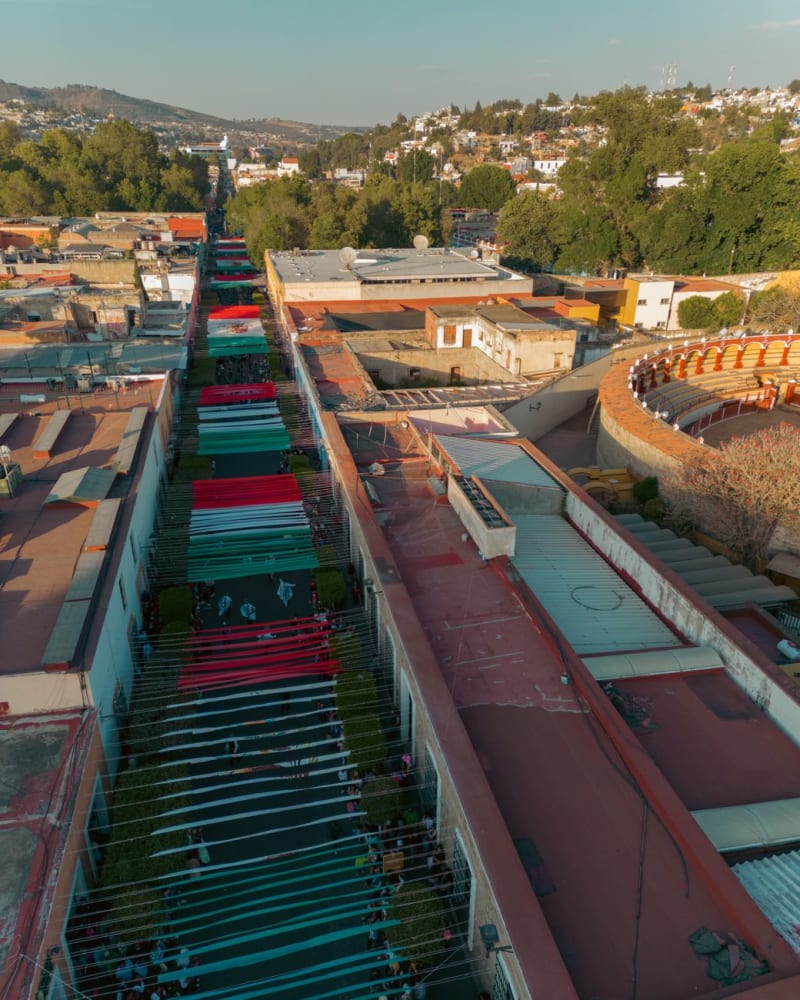
Pabellón de Arteaga is a Pueblo Mágico on the colonial silver route between Aguascalientes and Zacatecas, announced from kilometers away by a baroque parish church that is larger than the town around it — built with 18th-century hacienda money and still the dominant fact of every view. The plaza functions the way a plaza should: shaved ice carts, a Sunday market, old men occupying the same benches they've occupied for decades. I stopped here on an afternoon and stayed longer than I planned.
Explore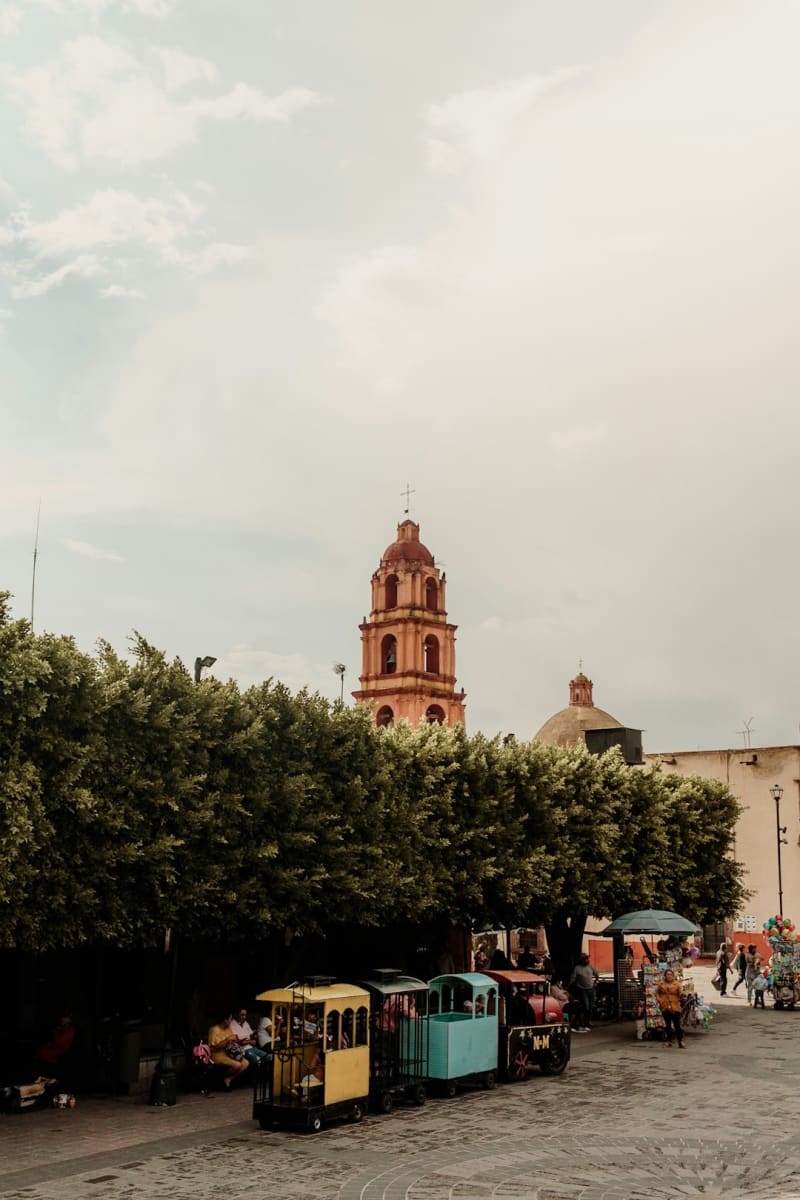 mexico
 Tepezalá
One of the oldest towns in Aguascalientes state, Tepezalá was founded when silver drew the Spanish into these dry highlands. The baroque church of San Mateo anchors a quiet colonial plaza, and the surrounding hills still carry the shallow scars of centuries of extraction. Nothing here is aimed at visitors, and that turns out to matter.
Explore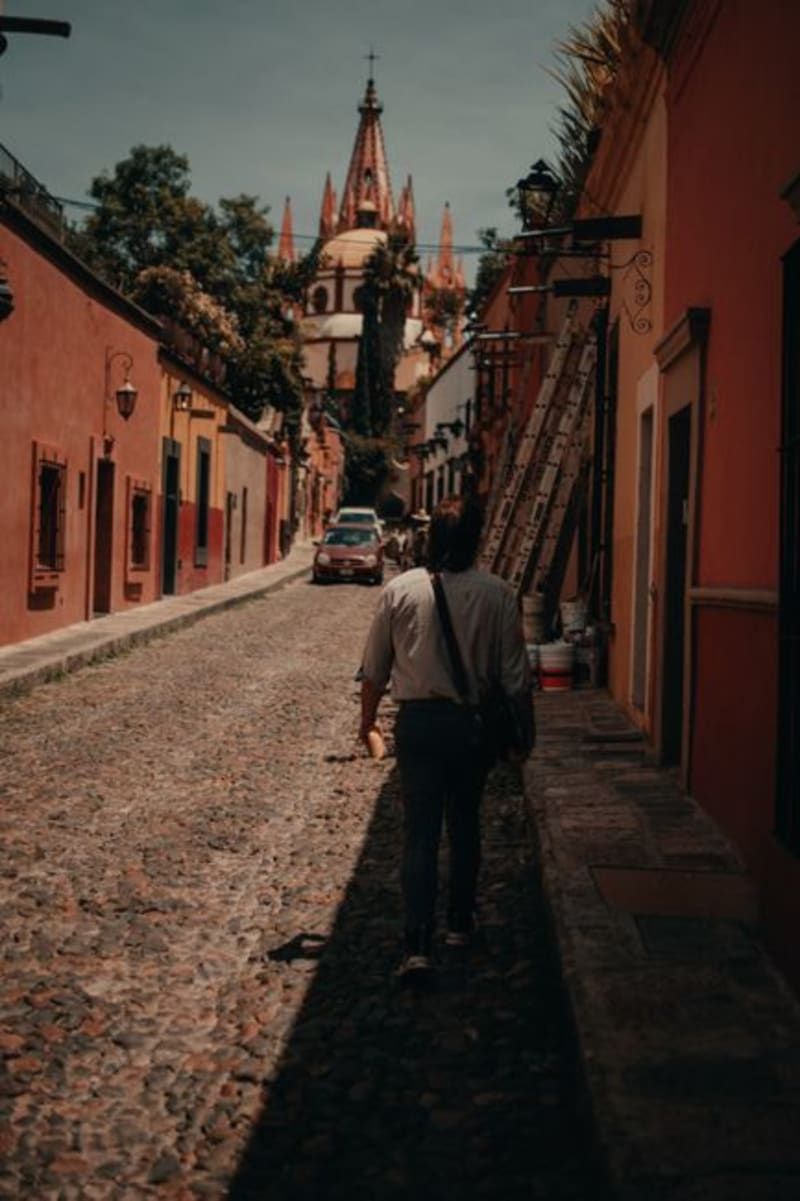 mexico
 San José de Gracia
A colonial town in the Sierra del Laurel that has resisted the trinket-shop drift of most Pueblos Mágicos. The parish of San José anchors a zócalo of unhurried portales, and the orchards climbing the surrounding hillsides still produce guava and quince that find their way into markets across Aguascalientes state.
Explore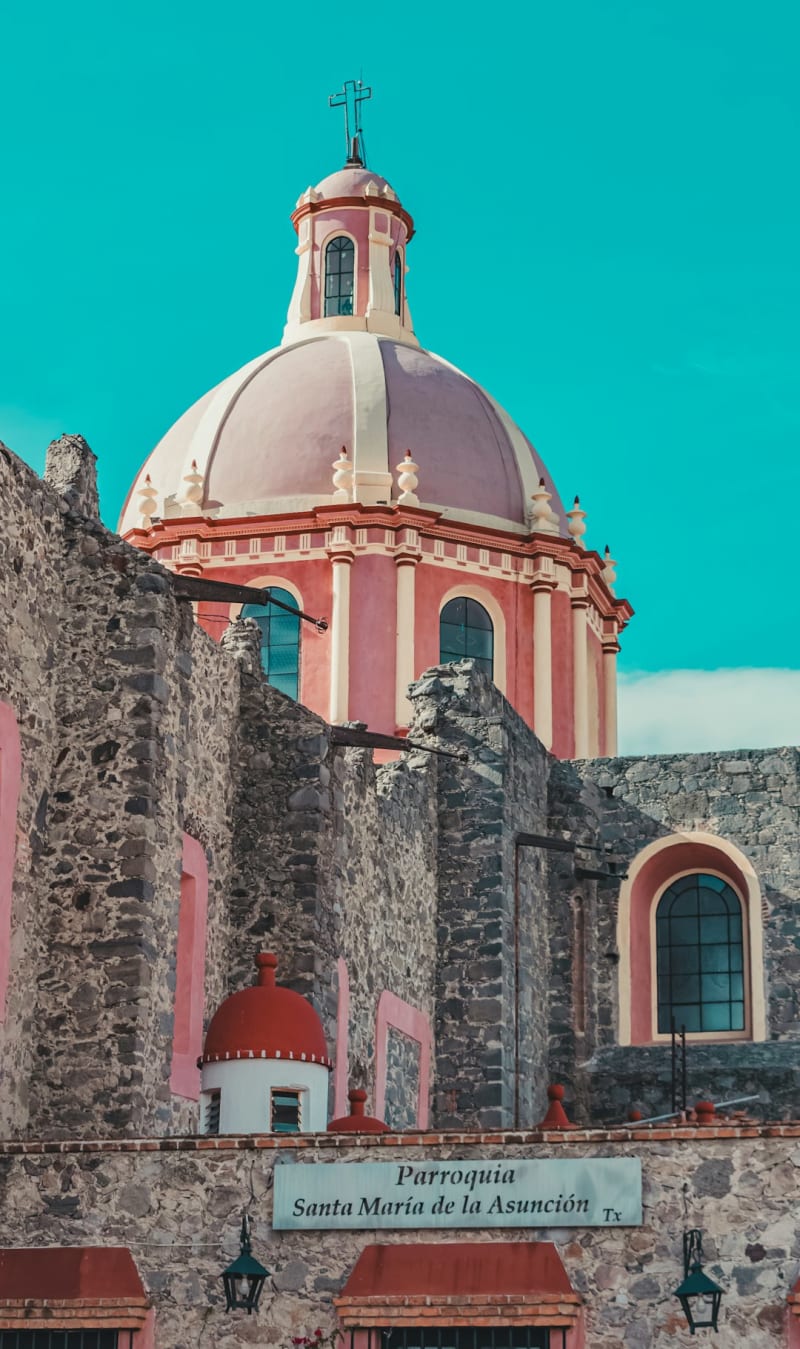 mexico
 Asientos
A sixteenth-century silver-mining settlement in the eastern hills of Aguascalientes, Asientos was planted by colonial Spain and more or less forgotten — which is precisely what preserved it. The baroque church faces a plaza where a Sunday tianguis sells dried chiles, embroidered cloth, and second-hand tools with the unhurried confidence of a market that has never needed to appeal to outsiders.
Explore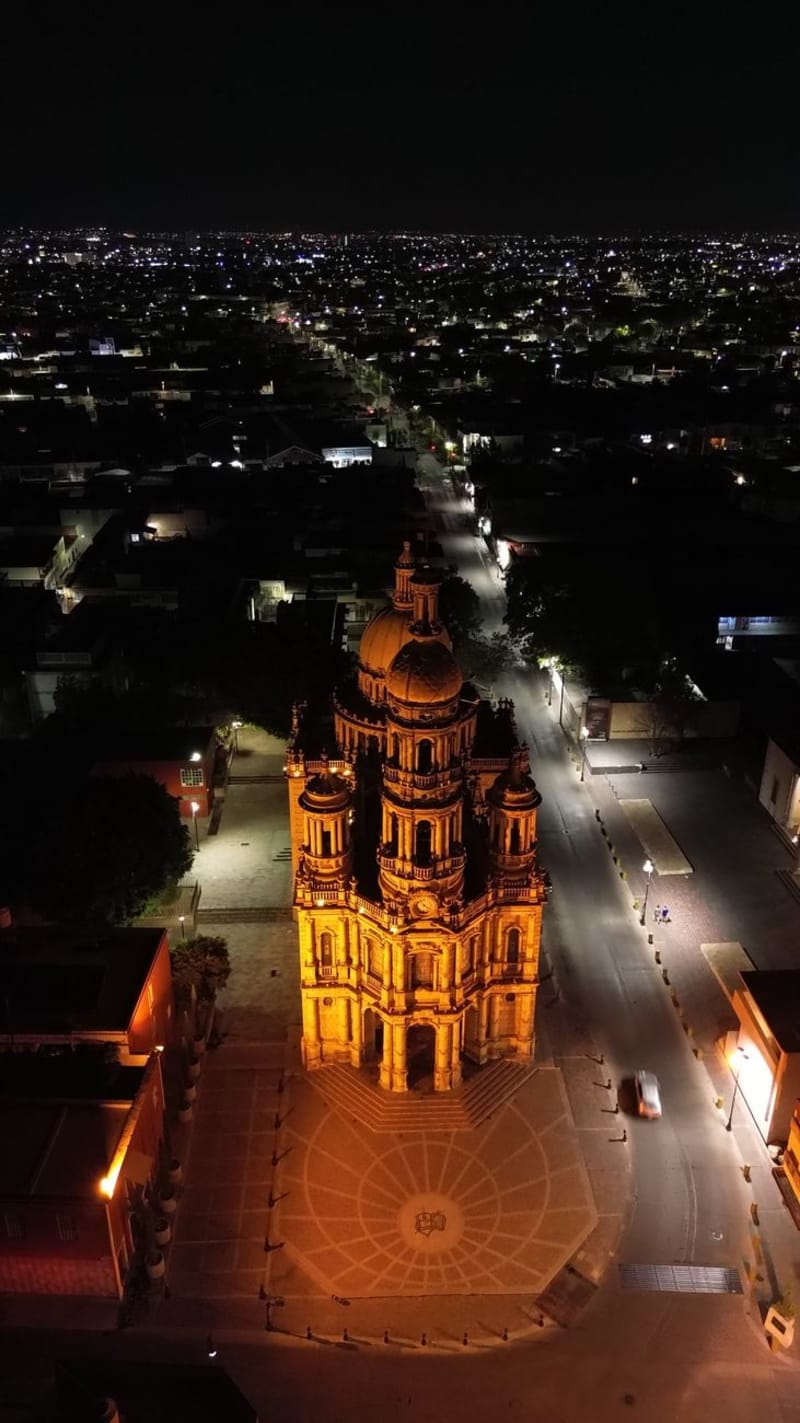 mexico
 Aguascalientes City
Aguascalientes City is a colonial baroque capital on Mexico's central plateau that has the ornate architecture and well-preserved centro of a heritage destination but absolutely none of the performance — no craft cocktail bars with Edison bulbs, no juice cleanse cafés, just a working city where people eat gorditas on their way to the office and don't especially notice you. The Festival Nacional de San Marcos, running three weeks every April, is the oldest and largest annual fair in Mexico, an event so embedded in the city's identity that the streets feel slightly wistful in every other month. The cathedral with its twin towers looks different every hour of the day.
Explore mexico
 Calvillo
A Pueblo Mágico tucked into a canyon south of Aguascalientes city, Calvillo is the guava capital of Mexico — a title it wears without irony, backed by orchards that turn the hillsides pink in season and shops that sell guava in every form imaginable. The road down into the canyon is reason enough to come.
Explore