Calvillo
"I bought guava paste, guava candy, and guava wine and still felt like I had missed something. The orchards do that to you."
A Pueblo Mágico tucked into a canyon south of Aguascalientes city, Calvillo is the guava capital of Mexico — a title it wears without irony, backed by orchards that turn the hillsides pink in season and shops that sell guava in every form imaginable. The road down into the canyon is reason enough to come.

I almost drove past the turnoff. The road south from Aguascalientes city is unremarkable until it isn’t — and then suddenly the land drops away and Calvillo appears below you in a canyon you had no idea was there. I pulled over before the descent and stood at the guardrail for a few minutes, looking at the church towers and the terracotta rooftops nestled between limestone walls. Aguascalientes doesn’t advertise this. It should.
The Guava Republic
Every town in Mexico has a thing it’s known for. Calvillo’s thing is guava, and unlike most regional specialties, this one is everywhere and unavoidable and absolutely worth leaning into. The orchards surrounding the town — particularly dense along the road toward San José de Gracia — go pink in late summer and early autumn when the fruit ripens, but even out of season the smell follows you around the market. The stalls along Calle Independencia sell cajeta de guayaba by the slab, crystallized fruit wrapped in cellophane, guava wine in unmarked bottles that travel poorly, and a guava paste so dense and sweet it functions closer to candy than condiment. I bought one of each and ate most of it before reaching the plaza. The local Feria de la Guayaba runs every November and draws the entire state, but honestly the market on any random Wednesday morning is enough.

The Plaza and What Surrounds It
The Templo de San Juan Bautista anchors the zócalo with the kind of straightforward colonial confidence common to towns that were never particularly rich but always took their Sundays seriously. The plaza itself is well-kept — laurel trees, good benches, a kiosk where an older man was selling aguas frescas when I arrived around eleven. What I didn’t expect was the canyon context: from certain angles between the buildings you catch the limestone walls rising above the rooftops, a reminder that this town exists at the bottom of something dramatic. Walk two blocks in almost any direction and the streets narrow and begin to climb, the pavement giving way to cobblestones worn smooth by a few centuries of foot traffic.

The Canyon Road at Dusk
The drive back up out of Calvillo deserves its own attention. I left late enough that the light was going golden on the canyon walls, the orchards below darkening to a deep green. There are a couple of miradores along the ascent where you can pull over — officially designated viewpoints, though locals seem to stop wherever the shoulder widens. A family had set up a small cooler near one of them and were selling tejuino and sliced mango from the back of a pickup. I bought a cup and watched the canyon go purple. It is the kind of simple, unhurried moment that Aguascalientes almost never gets credit for producing.

Getting There
Calvillo is about 45 kilometers southwest of Aguascalientes city — roughly an hour by car on the MEX-70. Buses run from the Central Camionera in the capital, operated by Ruta 45 and local lines; expect about 90 minutes. There is no direct connection from most other Aguascalientes towns without backtracking through the capital first.
Keep exploring
More of Aguascalientes
Keep exploring
More from Aguascalientes
 mexico
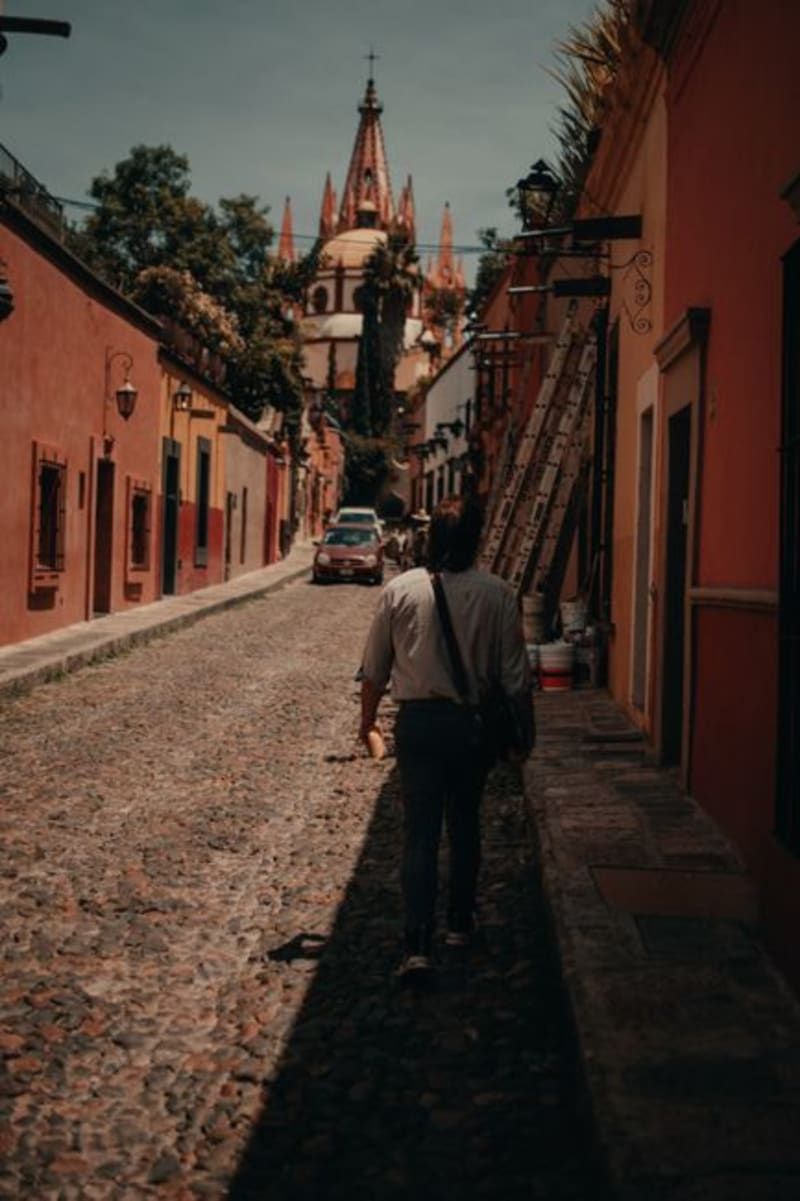
 San José de Gracia
A colonial town in the Sierra del Laurel that has resisted the trinket-shop drift of most Pueblos Mágicos. The parish of San José anchors a zócalo of unhurried portales, and the orchards climbing the surrounding hillsides still produce guava and quince that find their way into markets across Aguascalientes state.
Explore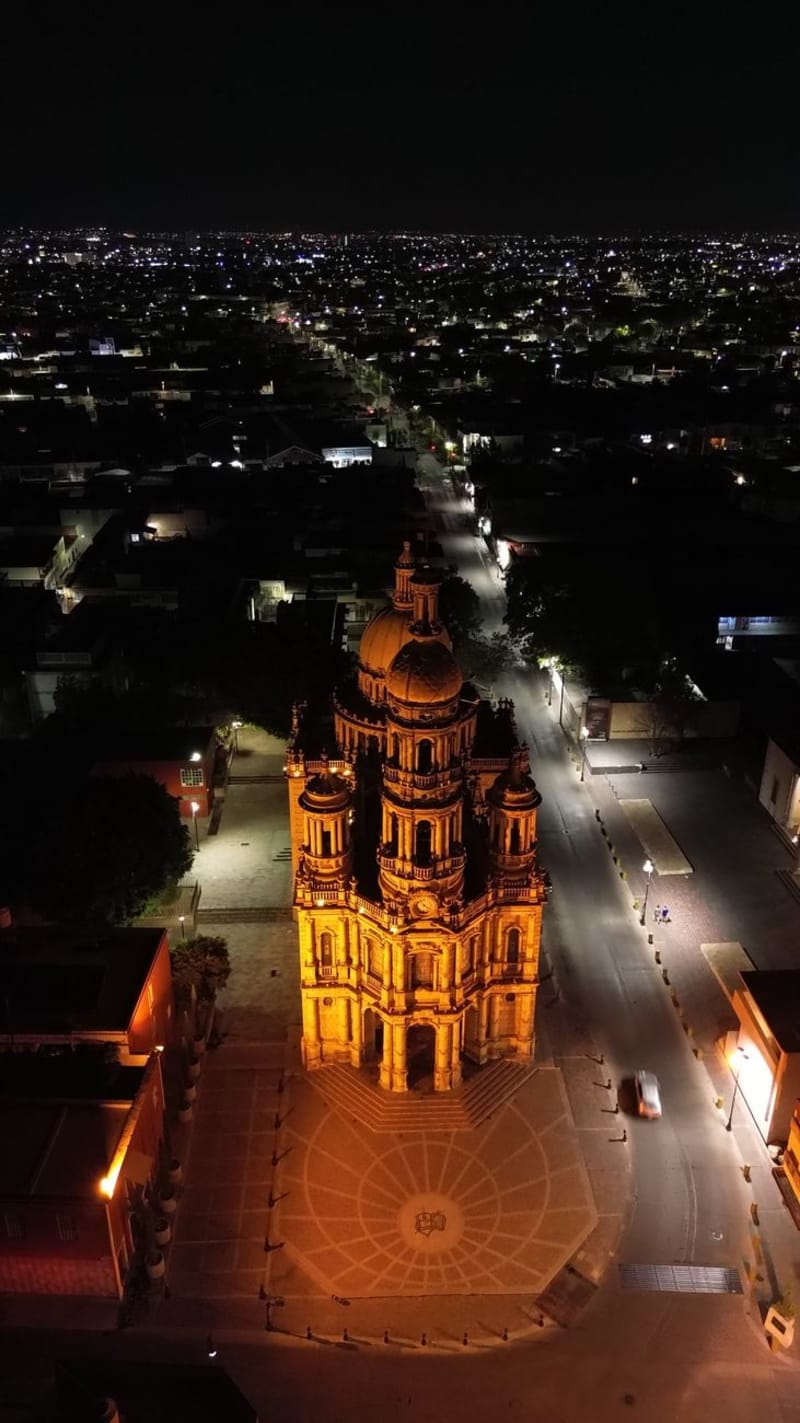 mexico
 Aguascalientes City
Aguascalientes City is a colonial baroque capital on Mexico's central plateau that has the ornate architecture and well-preserved centro of a heritage destination but absolutely none of the performance — no craft cocktail bars with Edison bulbs, no juice cleanse cafés, just a working city where people eat gorditas on their way to the office and don't especially notice you. The Festival Nacional de San Marcos, running three weeks every April, is the oldest and largest annual fair in Mexico, an event so embedded in the city's identity that the streets feel slightly wistful in every other month. The cathedral with its twin towers looks different every hour of the day.
Explore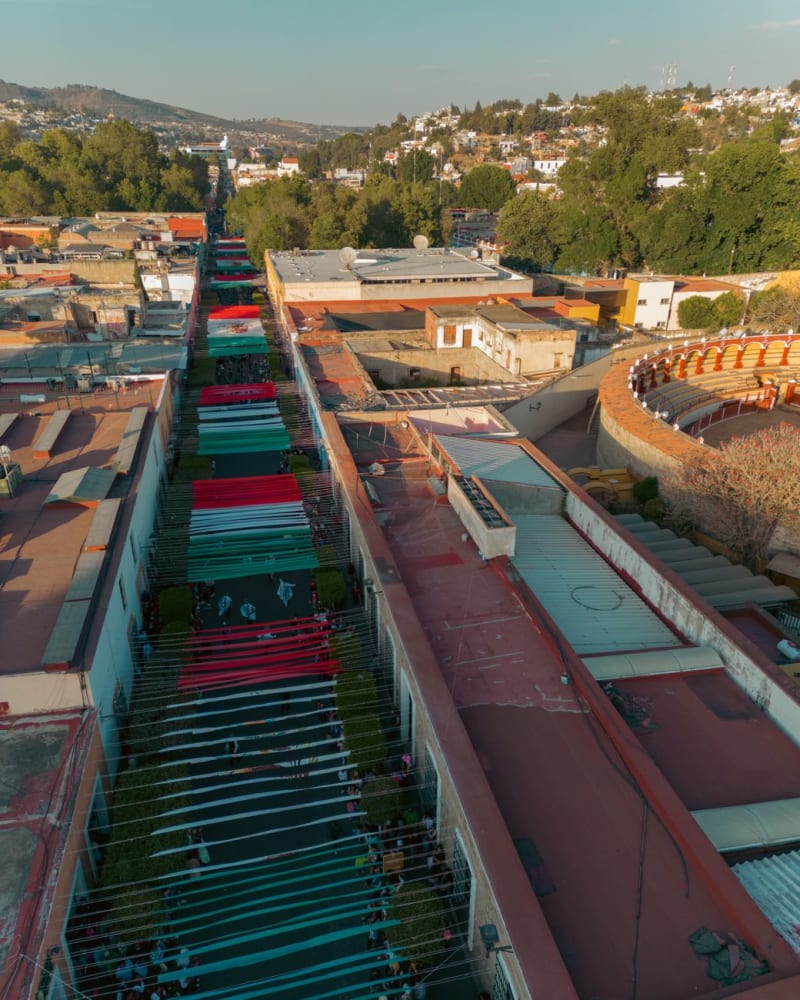 mexico
 Pabellón de Arteaga
Pabellón de Arteaga is a Pueblo Mágico on the colonial silver route between Aguascalientes and Zacatecas, announced from kilometers away by a baroque parish church that is larger than the town around it — built with 18th-century hacienda money and still the dominant fact of every view. The plaza functions the way a plaza should: shaved ice carts, a Sunday market, old men occupying the same benches they've occupied for decades. I stopped here on an afternoon and stayed longer than I planned.
Explore mexico
 Rincón de Romos
Twenty minutes north of Aguascalientes city, Rincón de Romos runs at a pace calibrated for people who already know each other. The town keeps the state's deshilado pulled-thread embroidery tradition alive in family workshops, and its weekend market operates less like a tourist attraction and more like a standing social appointment.
Explore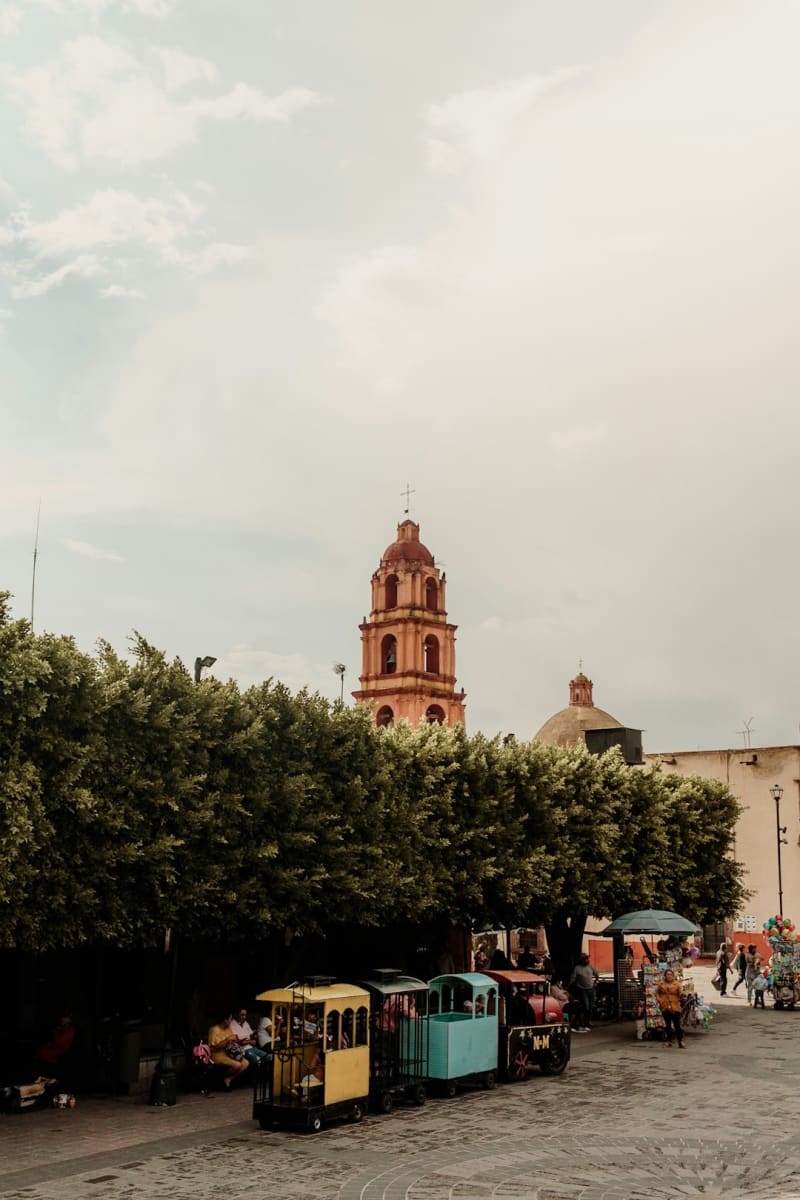 mexico
 Tepezalá
One of the oldest towns in Aguascalientes state, Tepezalá was founded when silver drew the Spanish into these dry highlands. The baroque church of San Mateo anchors a quiet colonial plaza, and the surrounding hills still carry the shallow scars of centuries of extraction. Nothing here is aimed at visitors, and that turns out to matter.
Explore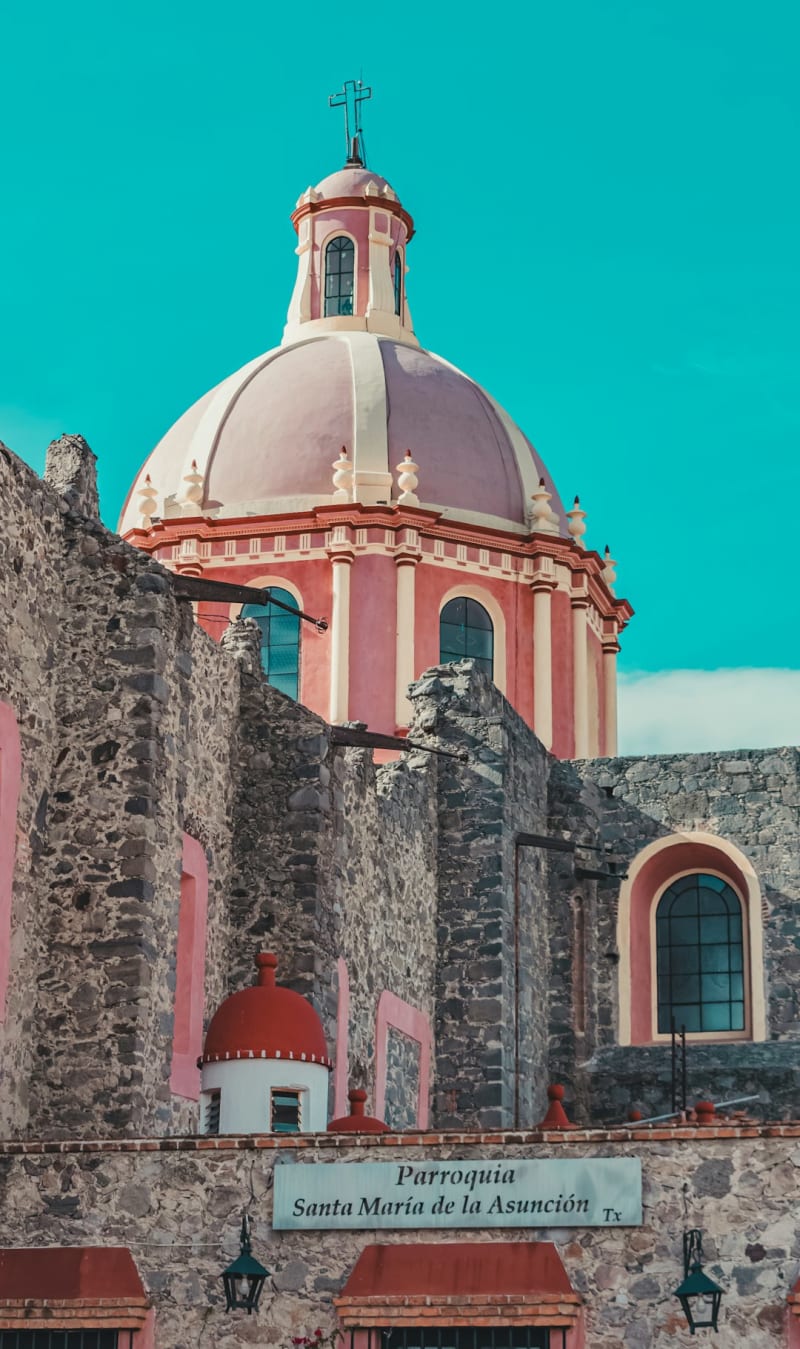 mexico
 Asientos
A sixteenth-century silver-mining settlement in the eastern hills of Aguascalientes, Asientos was planted by colonial Spain and more or less forgotten — which is precisely what preserved it. The baroque church faces a plaza where a Sunday tianguis sells dried chiles, embroidered cloth, and second-hand tools with the unhurried confidence of a market that has never needed to appeal to outsiders.
Explore