Jesús María
"The mountains appeared in the distance like a reminder that the plateau is not endless — it ends here, and something different begins."
Jesús María is a quiet colonial mission town in the northernmost corner of Aguascalientes state, where the central plateau begins its first climb toward the Sierra Madre Occidental and the landscape shifts noticeably within 20 kilometers. A 17th-century church anchors the plaza; the markets sell pine nuts from the nearby mountains. I passed through in autumn when the light was clear and the sierra was visible from the square, and I sat in the church longer than I intended.

Aguascalientes state is small, and most of it reads as a single continuous landscape: flat, dry, vine-laced in places, with the occasional colonial town interrupting the horizon. Jesús María is in the north of the state, and north is where that read starts to break down. The road from Aguascalientes City climbs gradually, then less gradually, and by the time you arrive the country around you has changed in ways that are more than topographic.
The air is different. Cooler, with a quality that suggests pine forest somewhere above. The plateau light, which in the center of the state is bright and horizontal, has gained a slight angle here, a depth, the way light behaves when there are mountains behind it even if you can’t yet see them clearly.
The Church and the Mission History
The church on the plaza of Jesús María dates from the 17th century, which in this part of Mexico means it was one of the early Franciscan mission foundations, part of the long push north and west through territory that the Spanish colonial authorities mapped carefully and understood imperfectly. The facade is simpler than what you find in the wealthier silver-route towns to the south — the missions along the route toward the Coras territory of Nayarit and Durango were functional buildings first, statements of wealth second, if at all.
Inside it is plain and serious in the way of genuine working churches. I went in on an autumn afternoon when the light was coming through the side windows at a specific angle that happens in October, a low-slant gold that lands on the stone floor in long shapes. I had intended to look briefly and continue. I found a pew and sat down.
I had a text message from Lia on my phone that I had been meaning to answer since that morning. Something practical about logistics. I read it in the church and then put the phone in my pocket and forgot to respond until that evening, which she noted with the patience of someone who has accepted that I will occasionally disappear into the interior of a colonial church for undetermined periods.

Pine Nuts and the Market
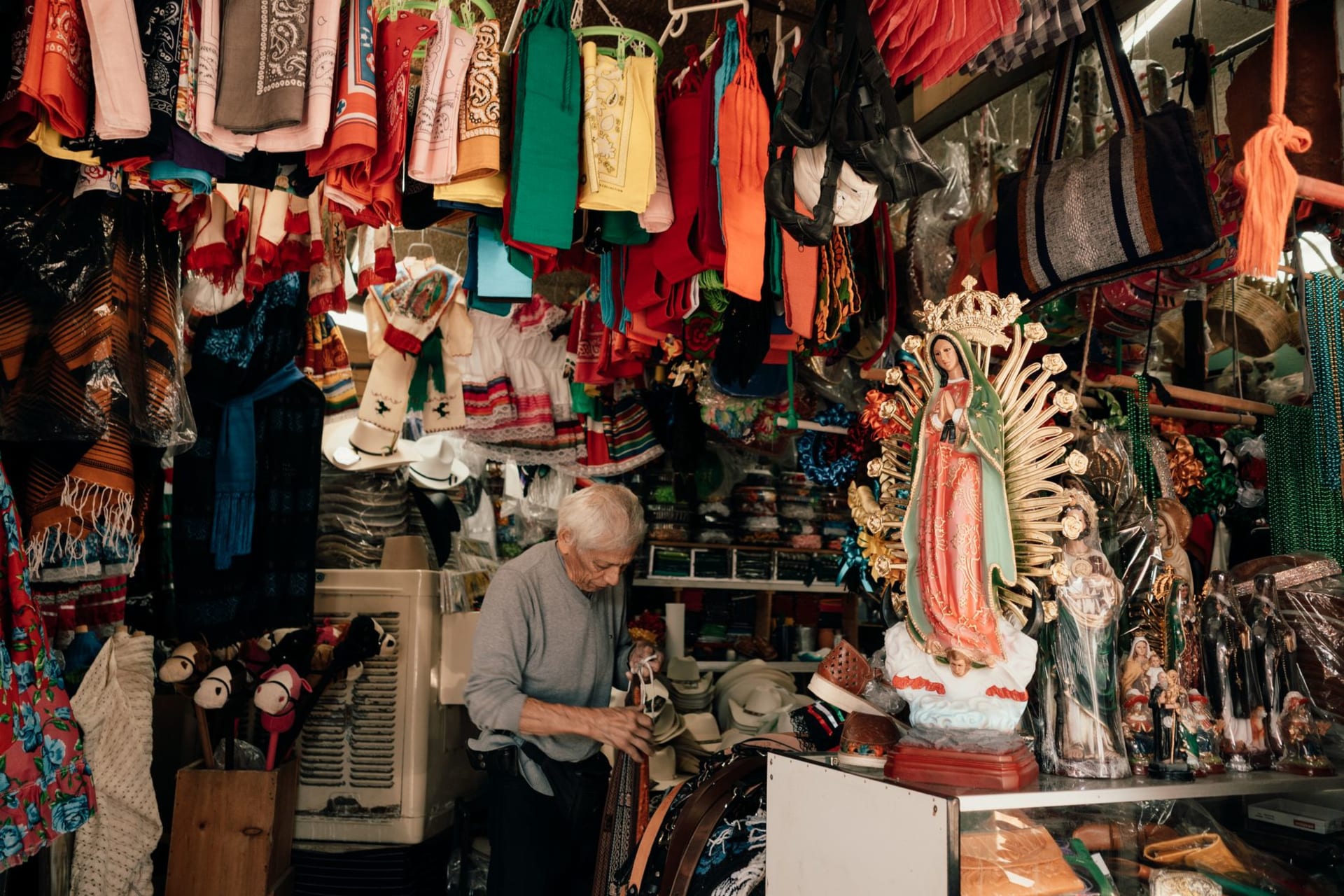
The market in Jesús María is the kind of market you find in small municipal seats throughout Mexico — practical, not picturesque, organized around the needs of the people who live there rather than the curiosity of people passing through. I went in the morning before the church visit.
What was different from the markets further south was the pine nuts. Bags of them, freshly harvested from the nearby sierra, sold by women at several stalls with the matter-of-fact attitude of vendors selling something that has always been available and always will be. Not packaged, not branded — just pine nuts in plastic bags at a price that would be unreasonable anywhere else.
I bought a bag. I ate them walking back to the plaza, which is not the most dignified mode of pine nut consumption but is entirely satisfying. They were fresh in the way that things are fresh when they traveled less than 50 kilometers from where they grew — a slight sweetness, a slight resin note at the end, nothing like the pine nuts that appear in supermarkets in larger cities, which always taste of storage.
The terrain shift I mentioned — the move from plateau to foothills — happens noticeably in the 20 kilometers north and west of town. If you continue on the road toward Nayarit you’ll pass through the first real sierra country, the landscape becoming progressively more dramatic. Jesús María is the last easy town before that change becomes complete.

Getting There
Jesús María is about 45 minutes by road from Aguascalientes City on the federal highway north. It is the municipal seat of the northernmost municipality of the state and a logical first stop if you’re continuing into the sierra country of Nayarit or Durango. The town is small enough to cover on foot in an hour; the market is liveliest in the mornings. Come in October if you can — the sierra light in autumn is the best argument for being here.
Keep exploring
More of Aguascalientes
Keep exploring
More from Aguascalientes
 mexico
 Jesús María
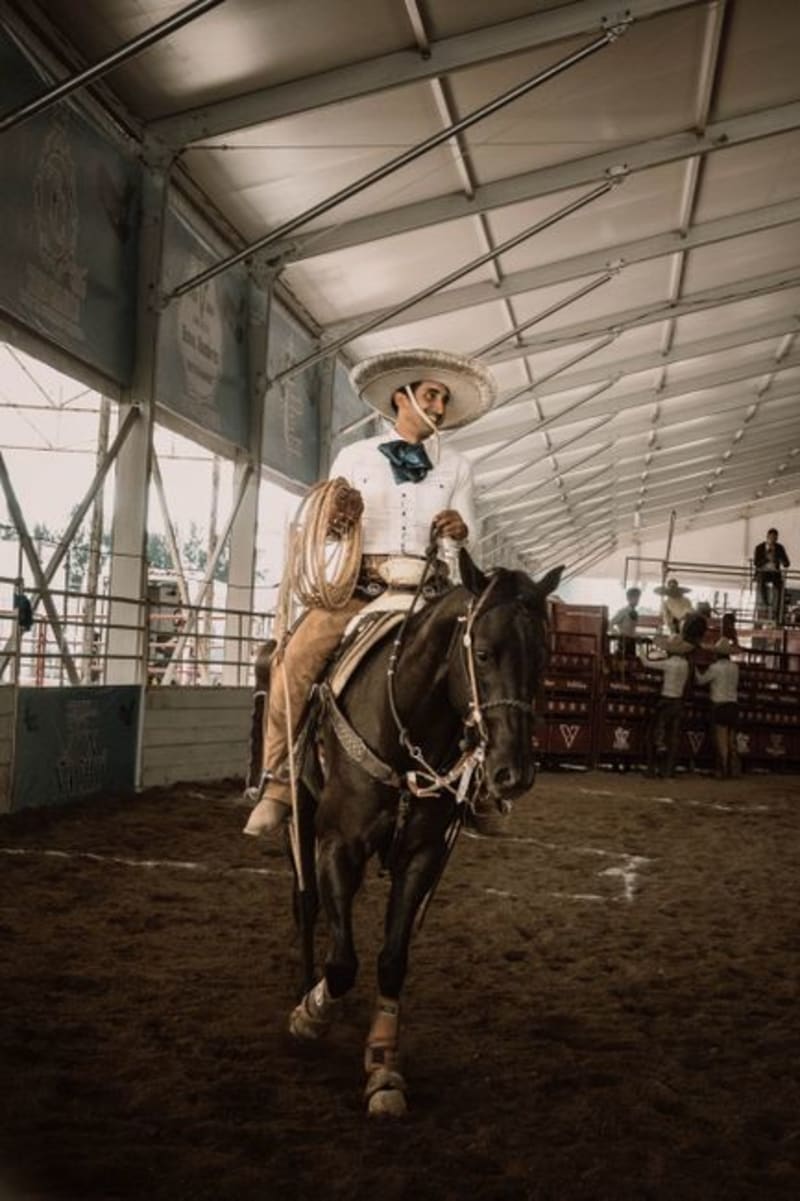
Jesús María is the jaripeo heartland of Aguascalientes — a working town where bull-riding weekends draw three generations of families and the bodegas between vine rows produce wines that almost nobody outside the state has tasted.
Explore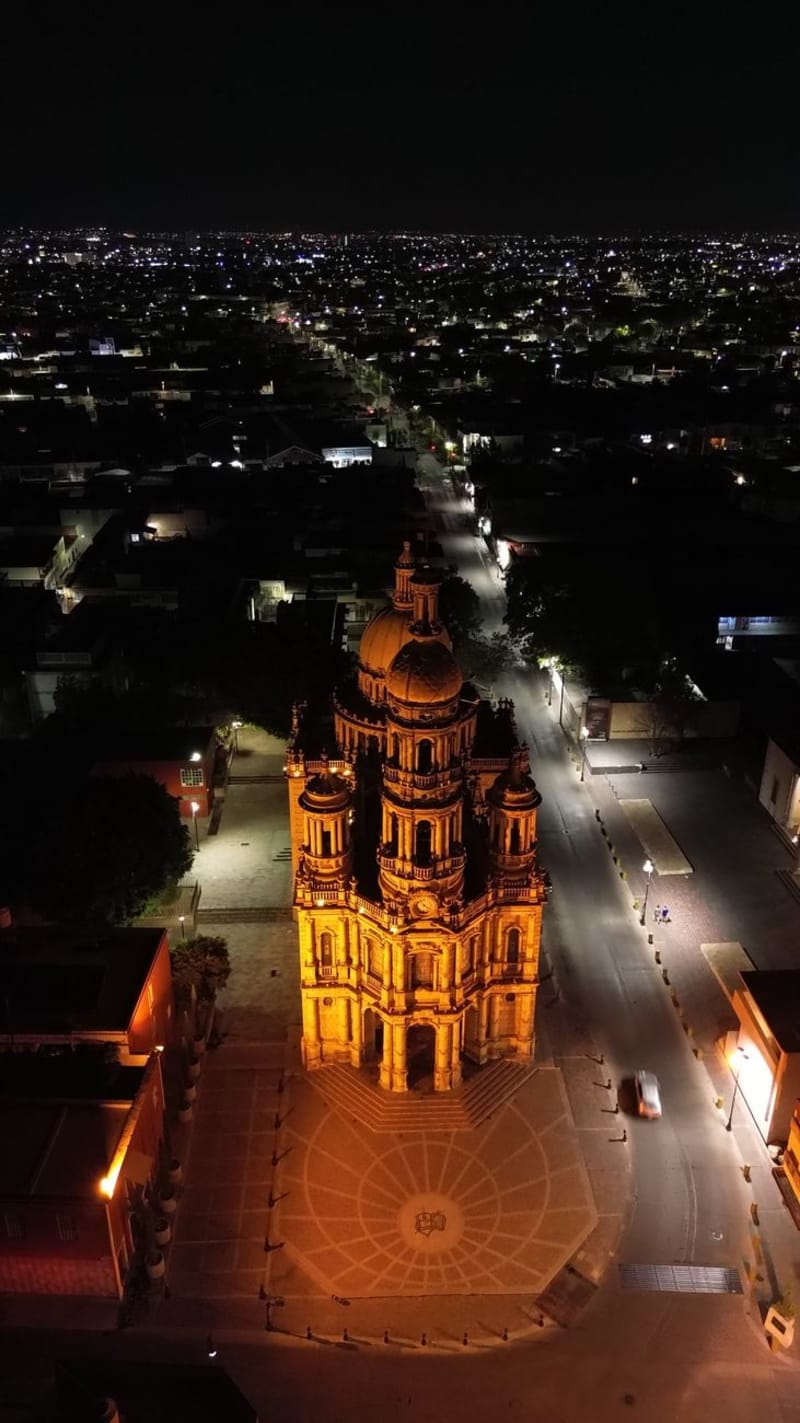 mexico
 Aguascalientes City
Aguascalientes City is a colonial baroque capital on Mexico's central plateau that has the ornate architecture and well-preserved centro of a heritage destination but absolutely none of the performance — no craft cocktail bars with Edison bulbs, no juice cleanse cafés, just a working city where people eat gorditas on their way to the office and don't especially notice you. The Festival Nacional de San Marcos, running three weeks every April, is the oldest and largest annual fair in Mexico, an event so embedded in the city's identity that the streets feel slightly wistful in every other month. The cathedral with its twin towers looks different every hour of the day.
Explore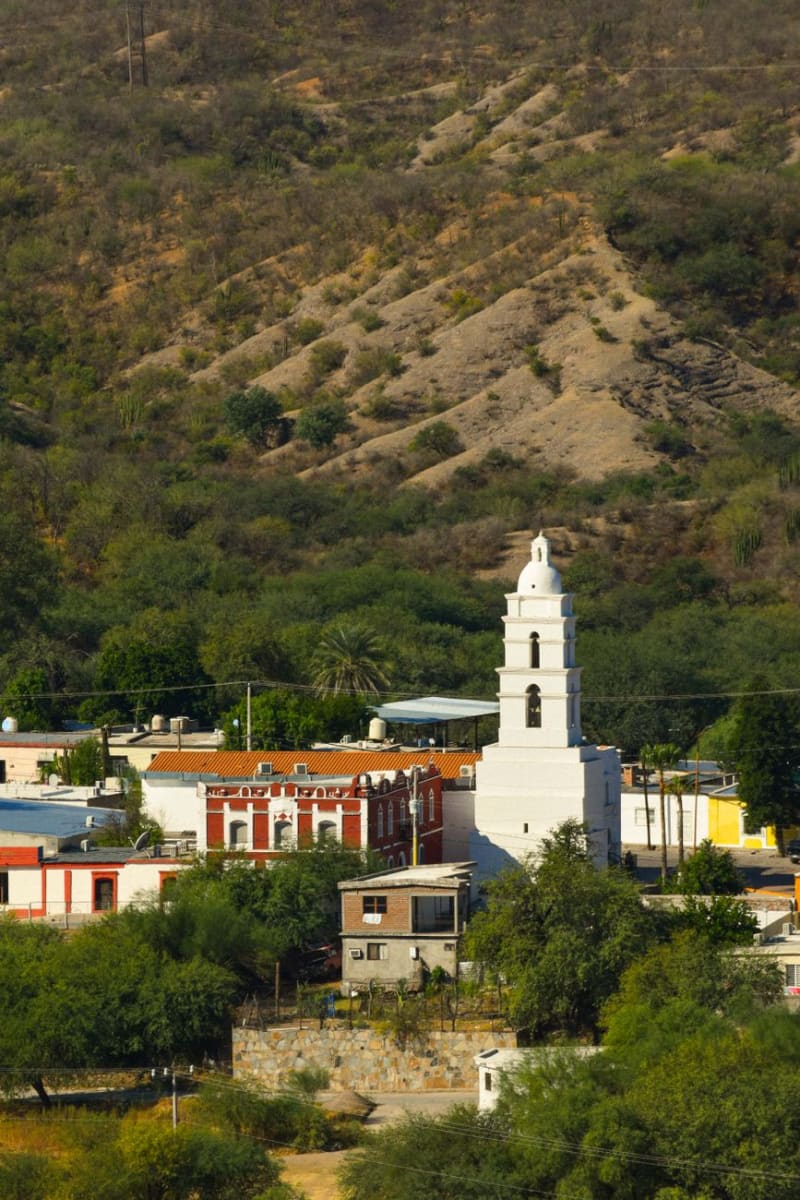 mexico
 Calvillo
A Pueblo Mágico tucked into a canyon south of Aguascalientes city, Calvillo is the guava capital of Mexico — a title it wears without irony, backed by orchards that turn the hillsides pink in season and shops that sell guava in every form imaginable. The road down into the canyon is reason enough to come.
Explore mexico
 Pabellón de Arteaga
Pabellón de Arteaga is a Pueblo Mágico on the colonial silver route between Aguascalientes and Zacatecas, announced from kilometers away by a baroque parish church that is larger than the town around it — built with 18th-century hacienda money and still the dominant fact of every view. The plaza functions the way a plaza should: shaved ice carts, a Sunday market, old men occupying the same benches they've occupied for decades. I stopped here on an afternoon and stayed longer than I planned.
Explore mexico
 Asientos
A sixteenth-century silver-mining settlement in the eastern hills of Aguascalientes, Asientos was planted by colonial Spain and more or less forgotten — which is precisely what preserved it. The baroque church faces a plaza where a Sunday tianguis sells dried chiles, embroidered cloth, and second-hand tools with the unhurried confidence of a market that has never needed to appeal to outsiders.
Explore mexico
 San José de Gracia
A colonial town in the Sierra del Laurel that has resisted the trinket-shop drift of most Pueblos Mágicos. The parish of San José anchors a zócalo of unhurried portales, and the orchards climbing the surrounding hillsides still produce guava and quince that find their way into markets across Aguascalientes state.
Explore