Jesús María
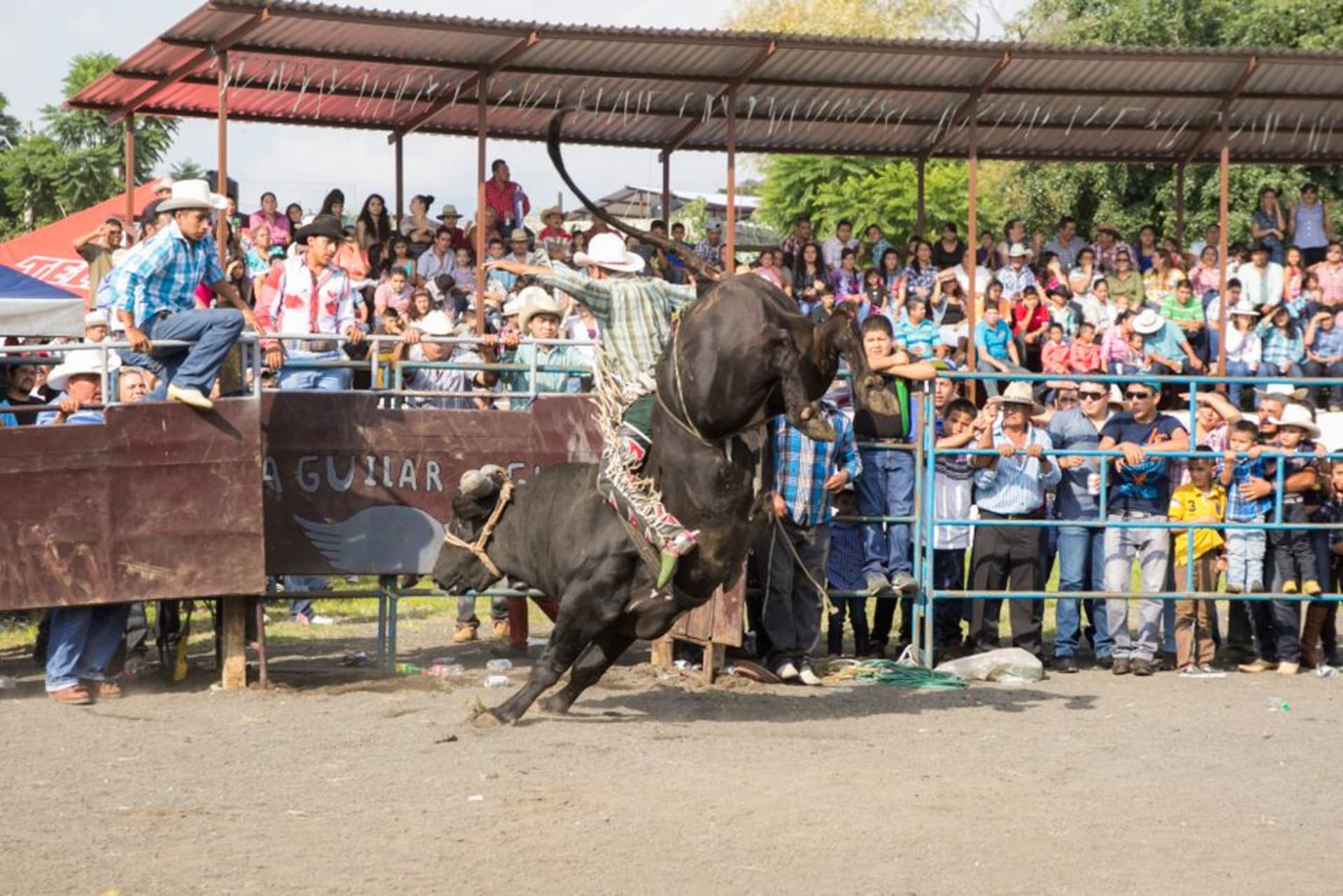
"The jaripeo crowd in Jesús María is three generations deep and completely absorbed in the performance — I was the only outsider and nobody cared."
Jesús María is the jaripeo heartland of Aguascalientes — a working town where bull-riding weekends draw three generations of families and the bodegas between vine rows produce wines that almost nobody outside the state has tasted.

I came to Jesús María on a Saturday afternoon in March, following a tip from a woman selling tlayudas at a market stall in Aguascalientes city who told me, with some authority, that the jaripeo here was the real thing. She was not wrong. The town is forty minutes north of the capital and looks like most agricultural towns in the region — a wide plaza, a pale stone church, pickups parked at angles — until you notice the arena on the edge of the grid and the horse trailers multiplying in the street beside it.
The Jaripeo
There are no tourists at the Lienzo Charro de Jesús María on a regular rodeo weekend. What there are: uncles and grandfathers in straw hats nursing beers from plastic cups, teenage cousins recording everything on their phones, small children sitting on the railing with their fathers holding them by the waistband. The jaripeo itself — bull-riding without a saddle, the rider gripping with thighs and sheer refusal — is faster and louder than anything the word “rodeo” suggests to a European. The bulls come out of the chute sideways. The riders last four seconds, or six, or occasionally the full eight, and the crowd’s reaction scales accordingly. Between rounds, a banda plays from the far end of the arena and vendors work the bleachers with carnitas tacos wrapped in paper. I ate three without moving from my seat. The whole thing has the structure of a sporting event and the feeling of a family gathering that happens to be extremely violent.

The Bodegas
The land around Jesús María is grape country — not in the Baja California sense, with boutique tasting rooms and design-forward labels, but in the older, quieter sense of families who have been growing Tempranillo and Cabernet on small parcels for decades and selling most of it in bulk. A few of them now bottle under their own names. I stopped at one bodega on a dirt road off the main highway where a man named Rodrigo walked me through three wines in a converted storage room, no menu, no tasting notes, just poured and explained. The rosado, made from Tempranillo grapes harvested early, was the best wine I drank in Aguascalientes state. He sold me two bottles at a price I still feel slightly guilty about.

The Town Itself
Outside of jaripeo weekends, Jesús María settles into its own rhythm. The plaza benches fill up around seven in the evening. There is a decent gorditas spot on the south side of the market — corn masa stuffed with chicharrón prensado, closed by noon — and a panadería two blocks west that has been making pan de polvo since before anyone working there was born. The church facade catches the late light in a way that takes you by surprise. It is a good place to spend a slow afternoon before a fast evening.

Getting There
From Aguascalientes city, take Federal Highway 45 north toward Zacatecas and exit at the Jesús María turnoff — about 40 kilometers. Buses leave from the Central Camionera roughly every hour and cost under 40 pesos. Jaripeo events typically run on Saturdays; check with the municipal presidencia or ask locally for the current schedule, as dates shift by season.
Keep exploring
More of Aguascalientes
Keep exploring
More from Aguascalientes
 mexico
 Jesús María
Jesús María is a quiet colonial mission town in the northernmost corner of Aguascalientes state, where the central plateau begins its first climb toward the Sierra Madre Occidental and the landscape shifts noticeably within 20 kilometers. A 17th-century church anchors the plaza; the markets sell pine nuts from the nearby mountains. I passed through in autumn when the light was clear and the sierra was visible from the square, and I sat in the church longer than I intended.
Explore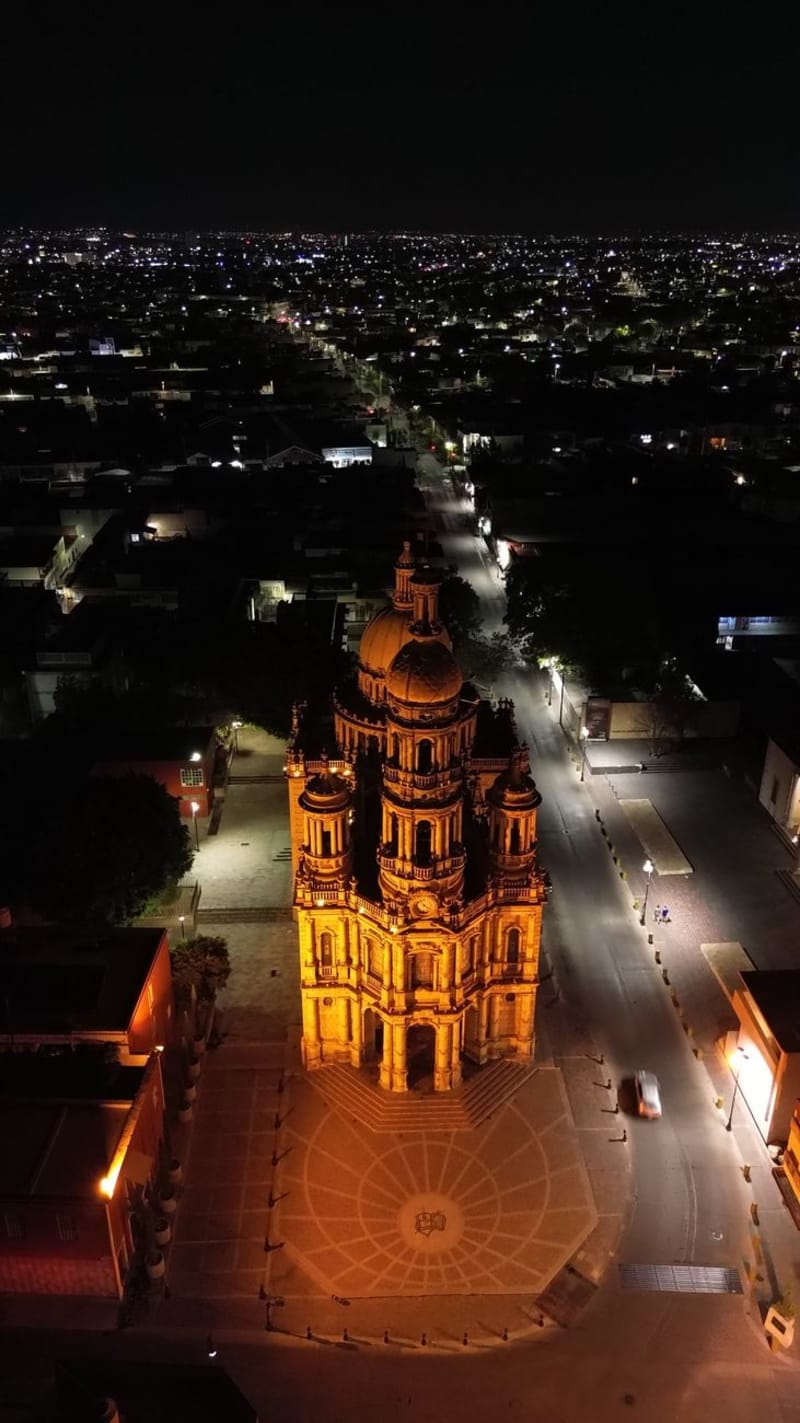 mexico
 Aguascalientes City
Aguascalientes City is a colonial baroque capital on Mexico's central plateau that has the ornate architecture and well-preserved centro of a heritage destination but absolutely none of the performance — no craft cocktail bars with Edison bulbs, no juice cleanse cafés, just a working city where people eat gorditas on their way to the office and don't especially notice you. The Festival Nacional de San Marcos, running three weeks every April, is the oldest and largest annual fair in Mexico, an event so embedded in the city's identity that the streets feel slightly wistful in every other month. The cathedral with its twin towers looks different every hour of the day.
Explore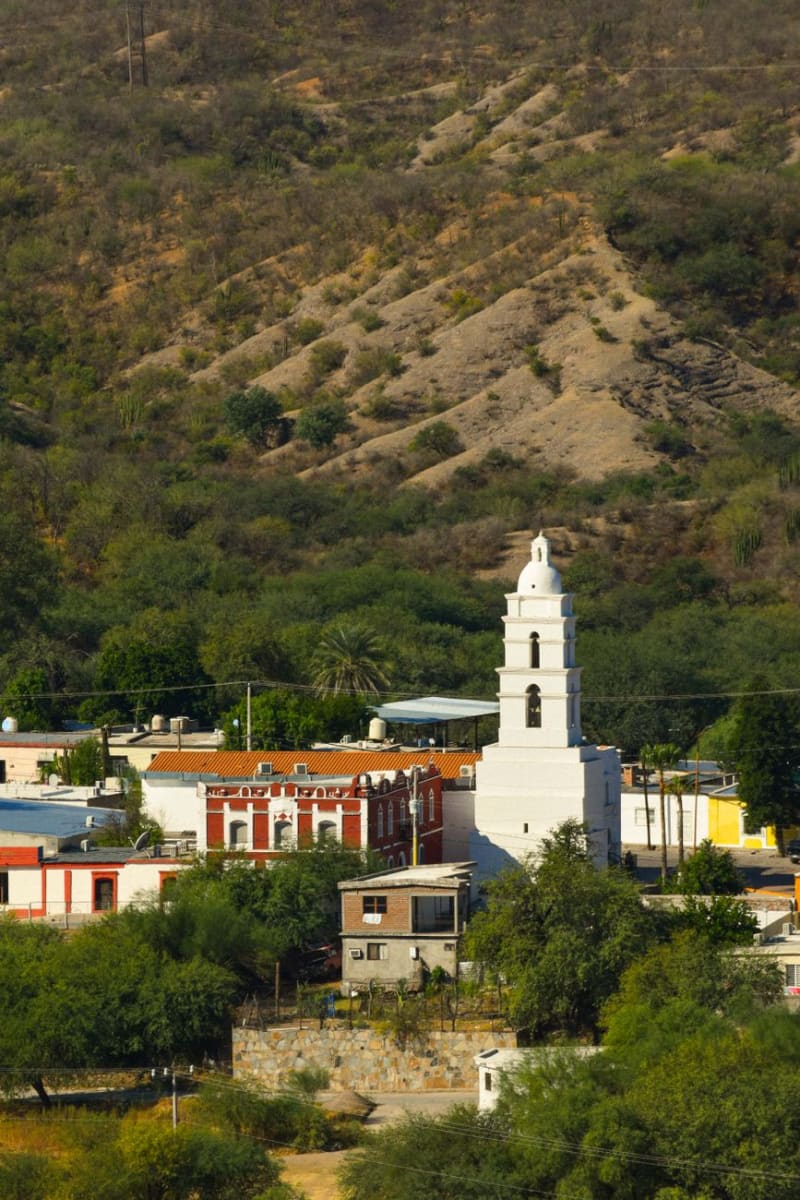 mexico
 Calvillo
A Pueblo Mágico tucked into a canyon south of Aguascalientes city, Calvillo is the guava capital of Mexico — a title it wears without irony, backed by orchards that turn the hillsides pink in season and shops that sell guava in every form imaginable. The road down into the canyon is reason enough to come.
Explore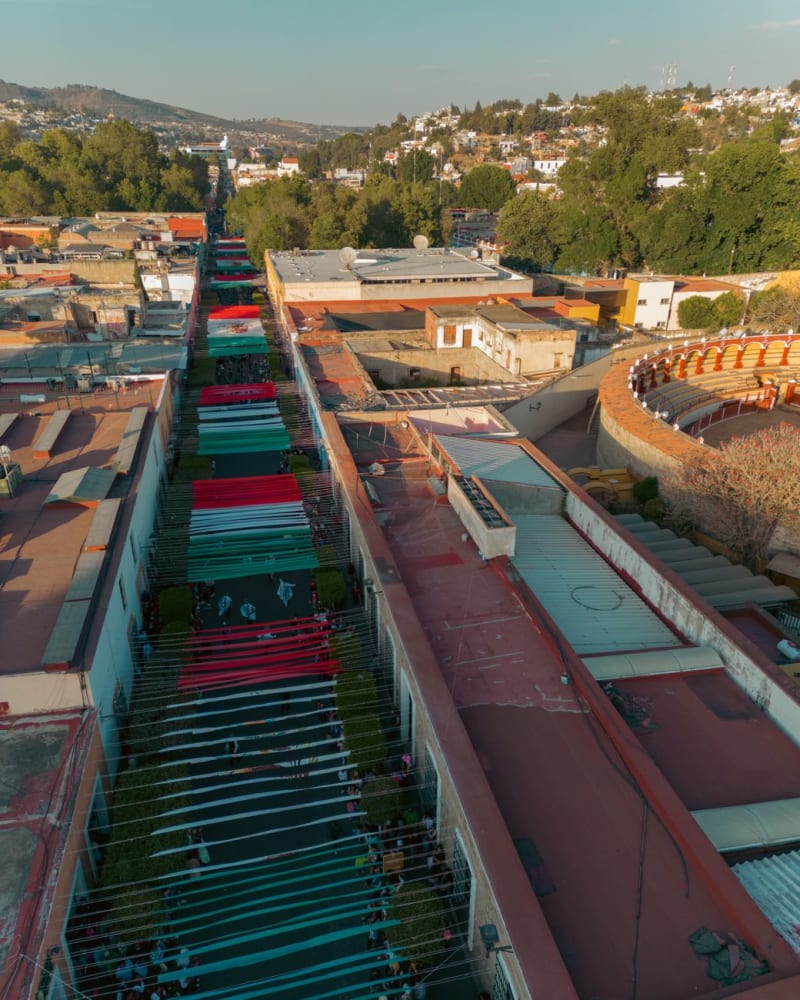 mexico
 Pabellón de Arteaga
Pabellón de Arteaga is a Pueblo Mágico on the colonial silver route between Aguascalientes and Zacatecas, announced from kilometers away by a baroque parish church that is larger than the town around it — built with 18th-century hacienda money and still the dominant fact of every view. The plaza functions the way a plaza should: shaved ice carts, a Sunday market, old men occupying the same benches they've occupied for decades. I stopped here on an afternoon and stayed longer than I planned.
Explore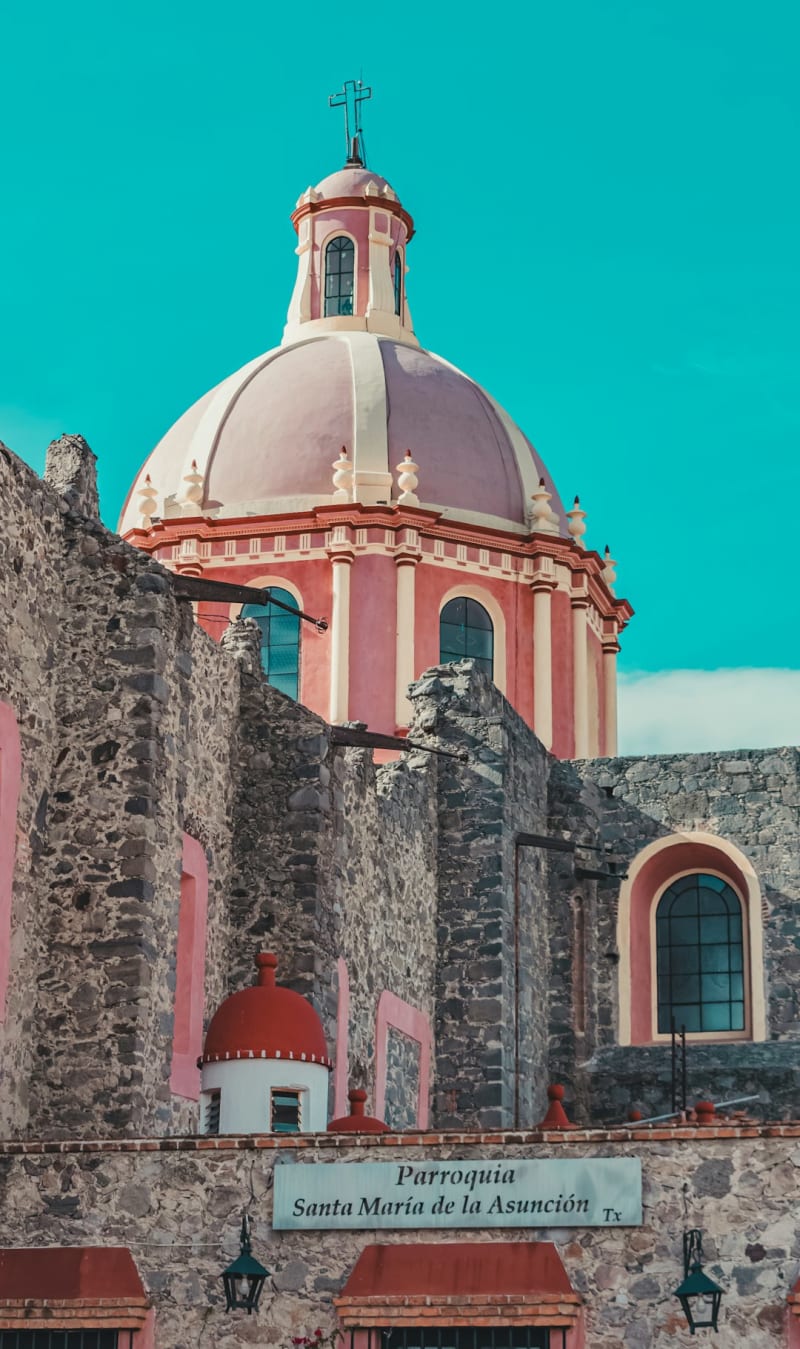 mexico
 Asientos
A sixteenth-century silver-mining settlement in the eastern hills of Aguascalientes, Asientos was planted by colonial Spain and more or less forgotten — which is precisely what preserved it. The baroque church faces a plaza where a Sunday tianguis sells dried chiles, embroidered cloth, and second-hand tools with the unhurried confidence of a market that has never needed to appeal to outsiders.
Explore mexico
 San José de Gracia
A colonial town in the Sierra del Laurel that has resisted the trinket-shop drift of most Pueblos Mágicos. The parish of San José anchors a zócalo of unhurried portales, and the orchards climbing the surrounding hillsides still produce guava and quince that find their way into markets across Aguascalientes state.
Explore