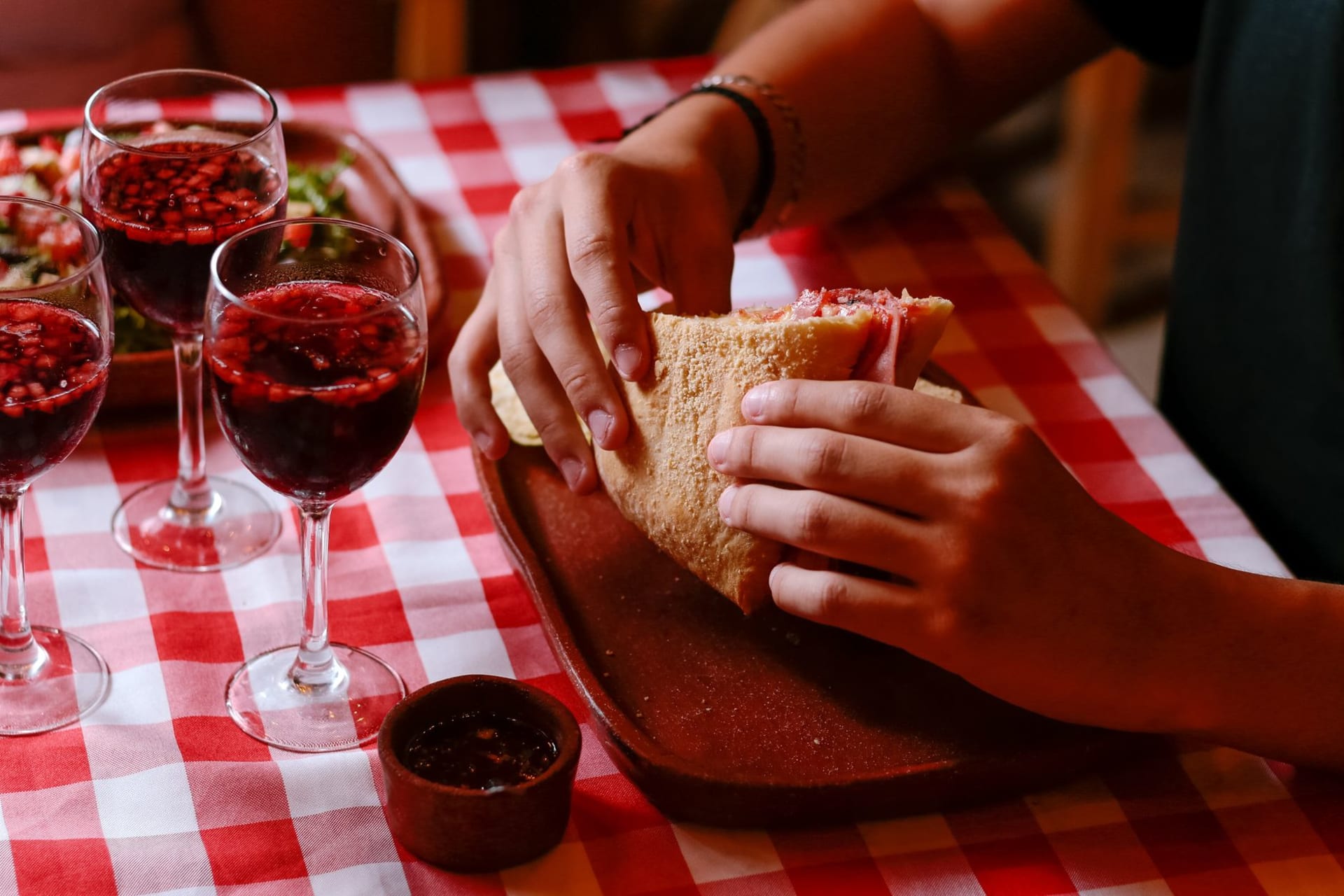
La Consulta
"Paraje Altamira doesn't sound like much until you taste what the soil here does to Malbec — then it sounds like everything."
A remote Uco Valley settlement where Zuccardi's best wine comes from and the vineyards at Paraje Altamira are rewriting the world's understanding of Malbec.

La Consulta announced itself through an absence of things. No hotel signs. No branded wine tour boards. No traffic light. A petrol station with two pumps, a grocery, and a school where children were kicking a football in the dust beside a building that leaned slightly to the south. I had driven forty minutes from Tunuyán along a road that got progressively more rural and arrived somewhere that felt — correctly — like the edge of the inhabited world. This is the far southern end of the Uco Valley, in the San Carlos department, and it is one of the places where Mendoza’s best wine is currently being made.
The sub-zone called Paraje Altamira sits just east of La Consulta at altitudes around 1,000 to 1,200 metres. The soils here are calcareous clay — pale, almost white in the midday sun, with a high calcium carbonate content that drains fast, forces roots deep, and imparts a limestone-mineral signature to the wine that is markedly different from the volcanic soils to the north. Robert Parker gave Zuccardi’s Paraje Altamira Malbec perfect scores two years running; Wine Spectator put it on its lists; the critical consensus formed with unusual speed that something genuinely different was happening in this patch of pale ground. When you taste the wine, you understand the fuss without necessarily needing it explained. It is a Malbec that tastes of chalk and cold air and crushed dark fruit, and the mineral thread runs so clean and long through the finish that it seems to belong to a different family from the generously fruited Malbecs of Maipú.

The Zuccardi Valle de Uco bodega — built into the rocky hillside above the vineyards by the architect Bórmida & Yanzón, in a way that makes it look like it grew from the landscape rather than being placed on it — is perhaps the best winery visit in Mendoza if you only have time for one. The stone walls use the same rock as the surrounding terrain; the barrel cellar is underground and temperature-stable without machinery; the tasting room’s view takes in the full amphitheatre of the Uco Valley with the Andes forming the western wall. But what stays with me is the kitchen. Zuccardi has built a serious restaurant on the property that uses vegetables and herbs from the kitchen garden and pairs them with wines from the estate in combinations that feel considered rather than formulaic. The carrot fermented in local wine vinegar and served with goat cheese from a La Consulta farm was a combination so simple and so right that I embarrassed myself by asking for it twice.

Beyond Zuccardi, La Consulta and the Paraje Altamira zone are being explored by smaller producers who arrived after the critical recognition and found that land was still available and affordable compared to the now-premium zones to the north. I spent an afternoon visiting a young winemaker from Mendoza city who had planted two hectares of Malbec and Cabernet Franc on leased Altamira land and was making her first vintage in a rented space in the Zuccardi facility. The Cabernet Franc was still in barrel — unfinished and raw and electric, with a green-herb note that the altitude and limestone soil amplify into something aromatic and precise. She poured it from the barrel with a wine thief and said: “Don’t judge it yet.” I told her I wasn’t judging it. I was just trying to remember it exactly.
When to go: March and April for harvest and full winery activity. Book Zuccardi Valle de Uco’s restaurant well in advance — it fills months ahead, especially during harvest season. The road to La Consulta from Tunuyán is paved; the last stretch to some Paraje Altamira producers requires a vehicle with decent clearance. Bring cash — the village has no ATM.
Keep exploring
More from Mendoza Wine Country
 mendoza-wine
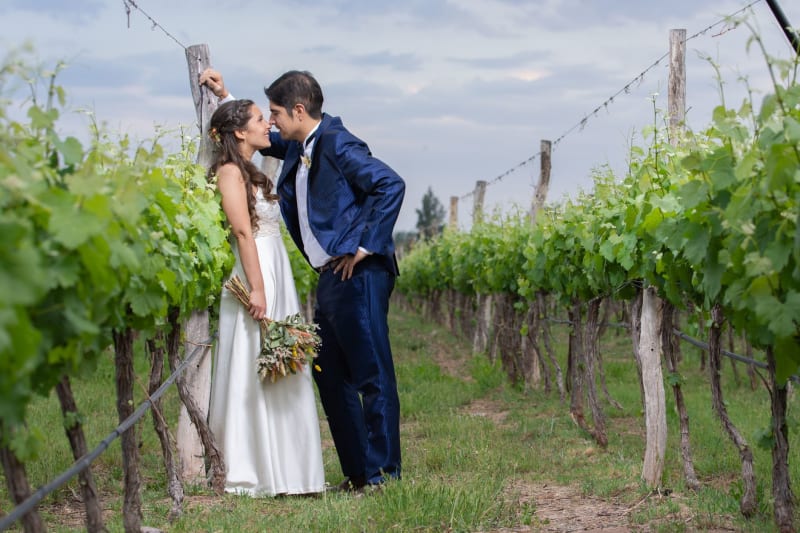
 Luján de Cuyo
Argentina's first wine DOC, where century-old Malbec vines grow in volcanic gravel thirty minutes south of the city.
Explore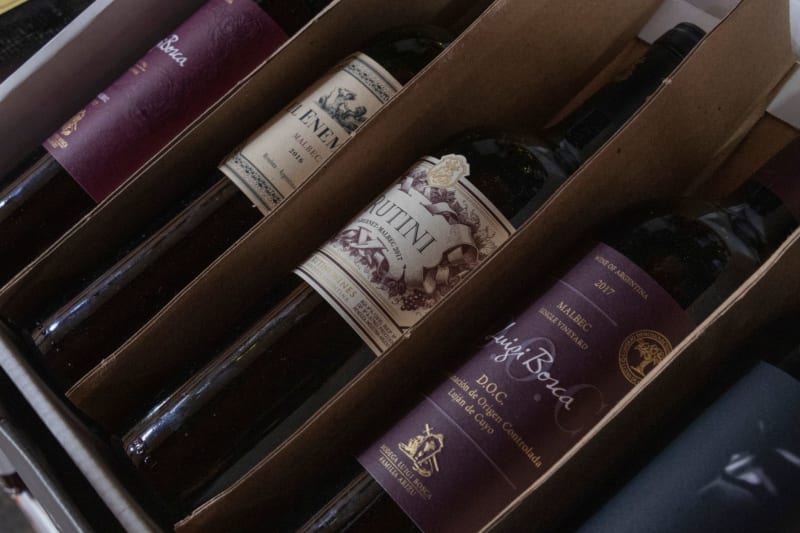 mendoza-wine
 Maipú
The bicycle wine route where family bodegas, olive oil mills, and afternoon empanadas are separated by fifteen minutes of pedalling.
Explore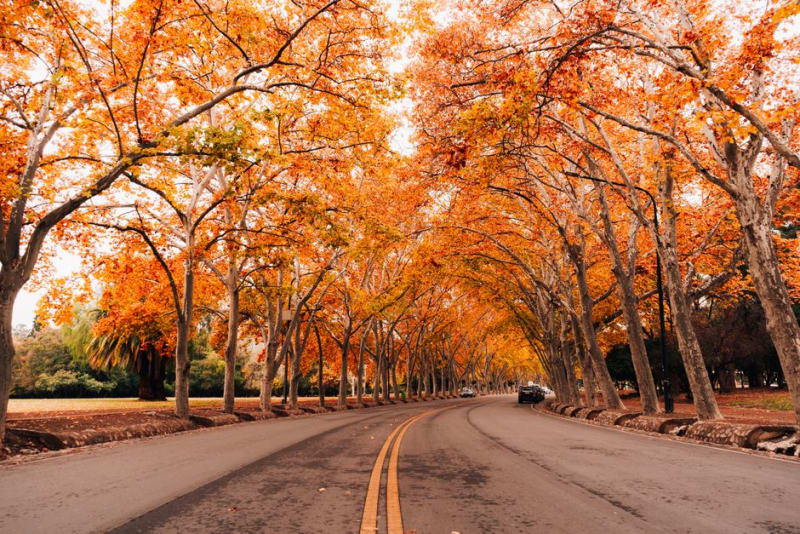 mendoza-wine
 Mendoza City
A leafy provincial capital of irrigation-canal-lined avenues, sidewalk cafés, and giant sycamores shading you from the Andean sun.
Explore mendoza-wine
 Perdriel
A quiet Luján de Cuyo sub-district where century-old Malbec vines grow low and gnarled in stony, high-elevation soil.
Explore mendoza-wine
 Potrerillos
A mountain village above a turquoise reservoir where the Andes begin in earnest and the drive up from the valley floor is half the reason to go.
Explore mendoza-wine
 San Rafael
Mendoza's southern wine district, 230 kilometres from the city, where Chenin Blanc and Tempranillo grow without an Instagram audience and the Diamante River canyon is an hour away.
Explore