Mendoza City
"I sat by one of those little canals with a glass of Malbec at 6pm and understood why nobody here is in a hurry."
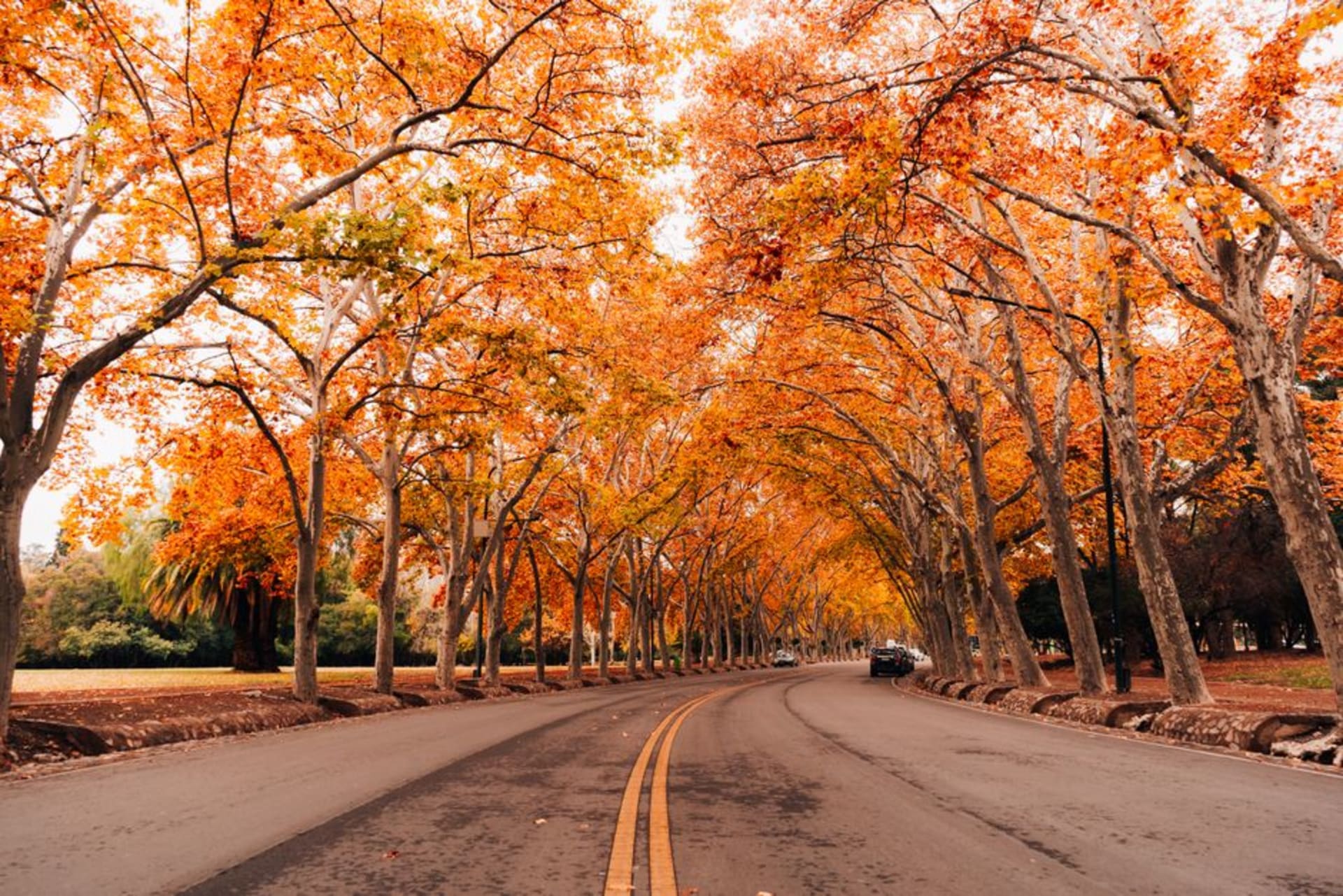
A leafy provincial capital of irrigation-canal-lined avenues, sidewalk cafés, and giant sycamores shading you from the Andean sun.

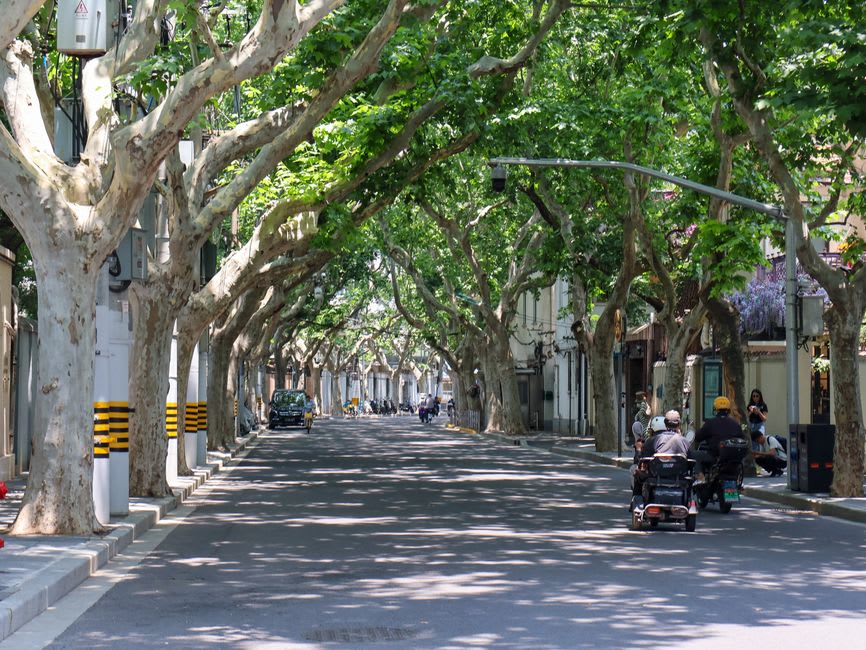
Mendoza City surprised me, and I say that as someone who assumed it would just be a functional base for wineries — a place to sleep between vineyard visits, nothing more. It’s actually one of the more livable cities I’ve spent time in on this continent, and a lot of that comes down to the acequias, the narrow stone-lined irrigation canals that run alongside almost every sidewalk in the city. They’re a holdover from the indigenous Huarpe people’s irrigation systems, later expanded by the Spanish and then rebuilt after the 1861 earthquake leveled most of the city, and they still carry snowmelt from the Andes down through the streets today. Combined with the sycamores planted along every major avenue, the whole city stays noticeably cooler and greener than you’d expect for somewhere sitting at the edge of a desert.
We stayed near Plaza Independencia and spent our first evening just walking, no real plan, down Avenida San Martín and then out along the quieter residential streets near Parque General San Martín. The canopy overhead is so thick in places that the light comes through in these moving patches, and you can hear water running the whole time, this constant low murmur from the canals. Lia said it reminded her a little of certain neighborhoods in southern France, which I wouldn’t have expected from a city this far from Europe.
The wine bar scene in the city itself deserves more credit than it gets, honestly, since most visitors rush straight out to Luján de Cuyo or Uco Valley. We found a small enoteca a few blocks off the plaza with maybe eighty bottles by the glass, run by a guy who’d worked harvest at three different wineries before opening the place, and he talked us through a flight of wines from districts we hadn’t even visited yet, which ended up shaping the rest of our trip. There’s also the Mercado Central, less polished than some of the food markets I’ve been to elsewhere in Argentina, but honest and cheap, good for empanadas and a coffee before a long day out at the vineyards.
Parque General San Martín is worth a slow morning too, especially the artificial lake and the rose garden, though I’ll admit we mostly went for the view from Cerro de la Gloria at sunset, looking back over the whole grid of the city with the Andes going pink behind it. It’s not a flashy park, but it’s enormous and well used by actual locals, which I always take as a good sign.
When to go: March through May (harvest season into autumn), when the sycamores start turning and the wine bars fill up with people talking about the vintage that just came in.
Keep exploring
More from Mendoza Wine Country
 mendoza-wine
 Perdriel
A quiet Luján de Cuyo sub-district where century-old Malbec vines grow low and gnarled in stony, high-elevation soil.
Explore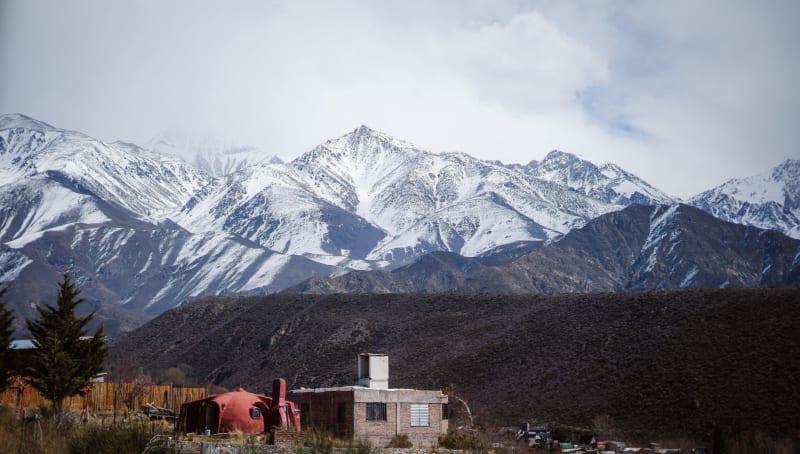 mendoza-wine
 Potrerillos
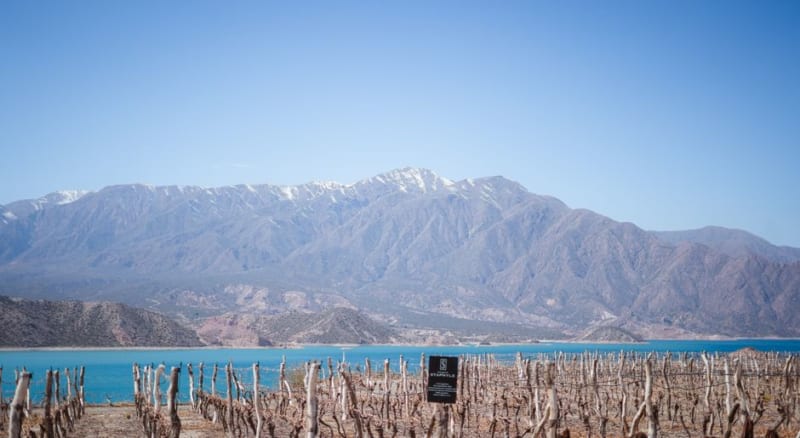
A mountain village above a turquoise reservoir where the Andes begin in earnest and the drive up from the valley floor is half the reason to go.
Explore mendoza-wine
 San Rafael
Mendoza's southern wine district, 230 kilometres from the city, where Chenin Blanc and Tempranillo grow without an Instagram audience and the Diamante River canyon is an hour away.
Explore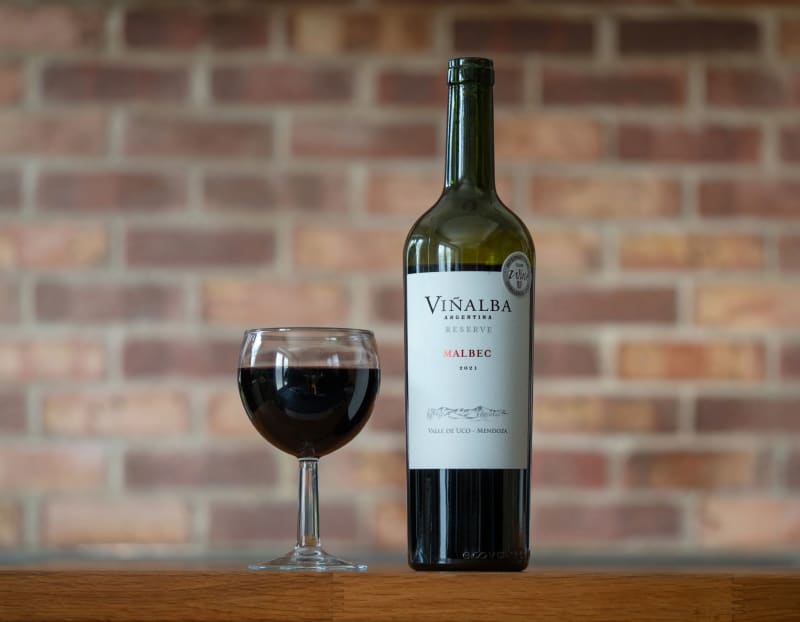 mendoza-wine
 Tunuyán
The commercial heart of the Uco Valley, where Clos de los Siete and a string of ambitious bodegas share valley floor with working farms and gaucho culture.
Explore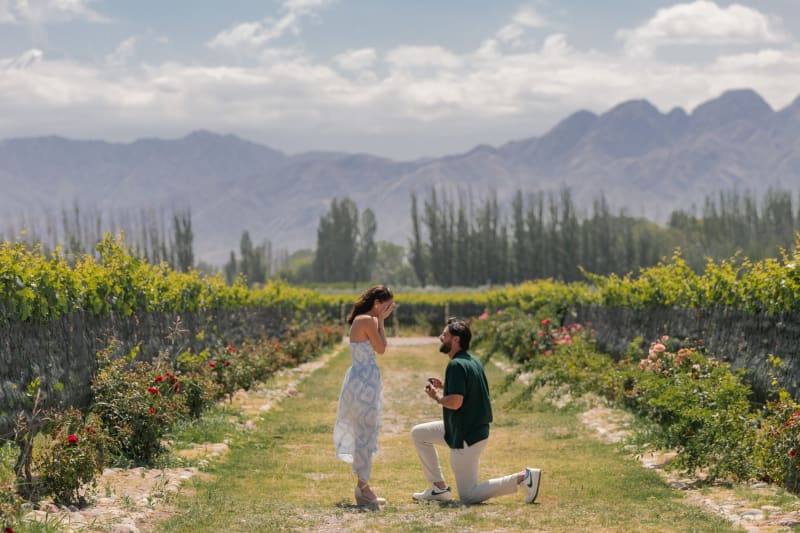 mendoza-wine
 Tupungato
The northern extreme of the Uco Valley, where vineyards push toward 1,500 metres and the volcano of the same name fills the entire western sky.
Explore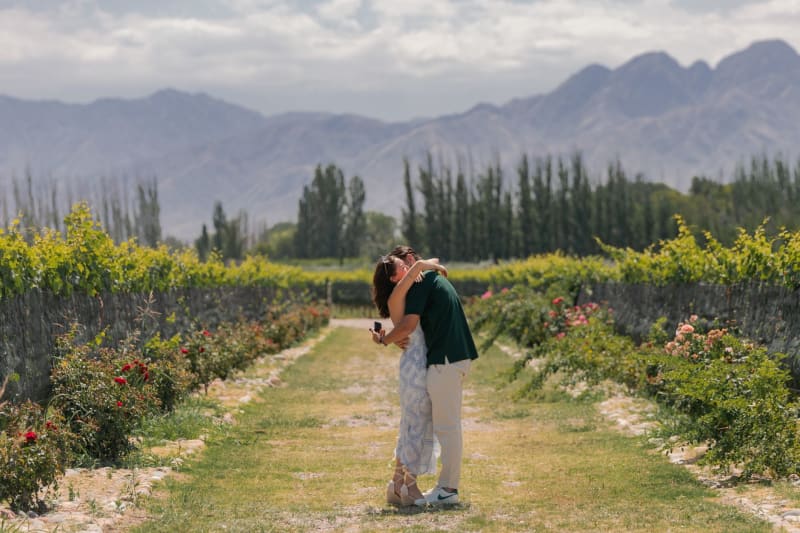 mendoza-wine
 Uco Valley
High-altitude wine country at the foot of the Andes where the Tupungato volcano watches over vineyards that produce Malbec unlike any other on earth.
Explore