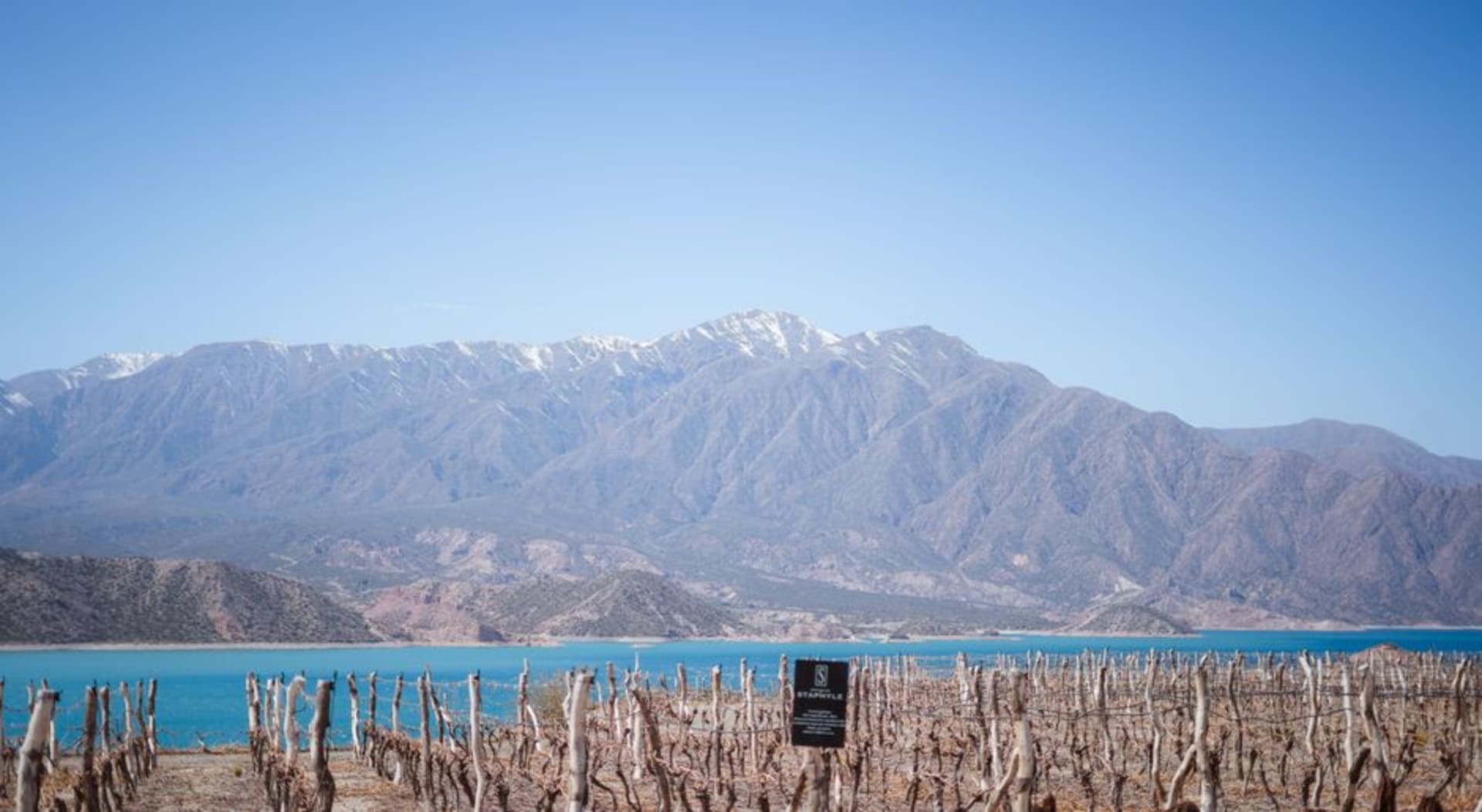
Perdriel
"I knelt down next to a vine that was older than my grandmother and felt genuinely small."
A quiet Luján de Cuyo sub-district where century-old Malbec vines grow low and gnarled in stony, high-elevation soil.

I almost drove past Perdriel the first time. There’s no big sign, no plaza, nothing that announces itself the way Chacras de Coria does with its cafés and boutiques. It’s just a scatter of low wineries and vineyard rows off Route 15, and you only understand why people care about it once someone walks you into the vines themselves. A winemaker at a small family bodega took me by the wrist, practically, and pulled me over to a row of Malbec that had been planted in 1932. The trunks were thick and twisted like driftwood, barely knee-high, spreading wide instead of tall. He told me the vine had survived phylloxera, decades of neglect, two currency collapses, and it still gave fruit every year, just less of it, more concentrated.
That’s the thing about Perdriel that took me a while to get: it’s not about the wow factor of a tasting room, it’s about elevation and age doing quiet, patient work. We’re around 1,000 meters up here, cooler than the valley floor, with those big temperature swings between day and night that Malbec seems to love. Lia, who usually finds long vineyard walks a little tedious if I’m being honest, actually stopped talking for a few minutes just looking at the light change over the rows in the late afternoon. That doesn’t happen often.
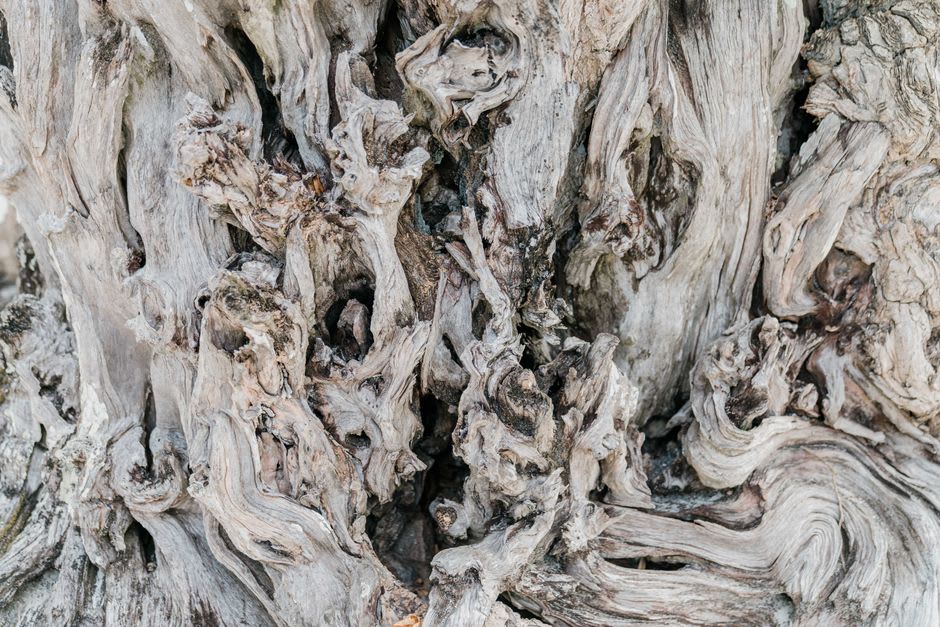
We tasted through maybe six wines that afternoon, most of them single-vineyard Malbecs from plots within a couple kilometers of each other, and the differences were more subtle than I expected — less about fruit, more about texture, how the tannins sat on the tongue. One of them, from a plot they called “the old block,” had this iron-and-violet thing going on that I still think about. I’m not usually one for tasting notes that sound like poetry, but that one earned it. The winemaker shrugged when I asked what made it special and just said “las vides viejas no mienten” — old vines don’t lie. I liked that he didn’t try to dress it up more than that.
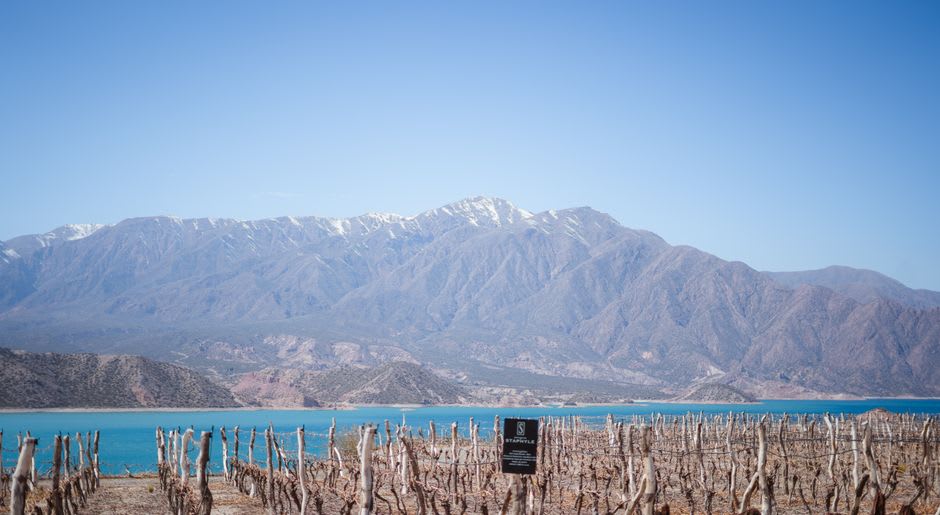
What I’d tell someone planning a visit is to not treat Perdriel as a box to check between bigger, flashier wineries. Book one visit here, ideally somewhere small and family-run rather than the more corporate outfits nearby, and ask specifically to see the old vines if they have them. A lot of the appointment-only places will walk you through the rows if you ask, and that fifteen minutes standing in the dirt taught me more about Mendoza wine than any tasting flight has.
When to go: March and April, during harvest, when the old vines are heavy with fruit and the light in the late afternoon turns the whole valley gold.
Keep exploring
More from Mendoza Wine Country
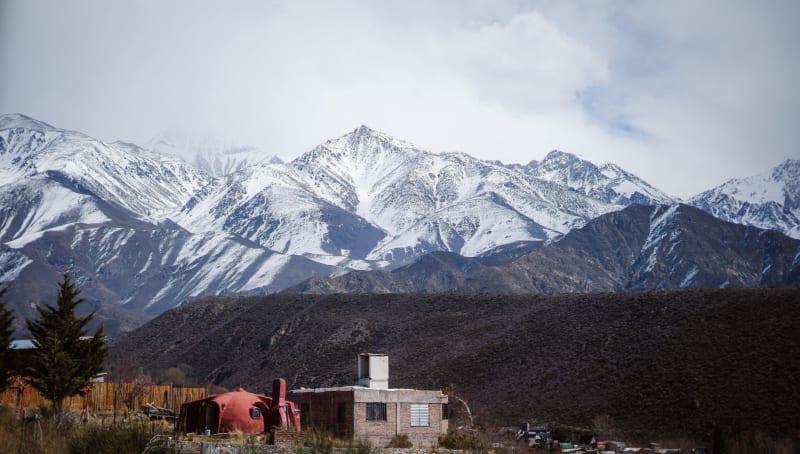 mendoza-wine
 Potrerillos
A mountain village above a turquoise reservoir where the Andes begin in earnest and the drive up from the valley floor is half the reason to go.
Explore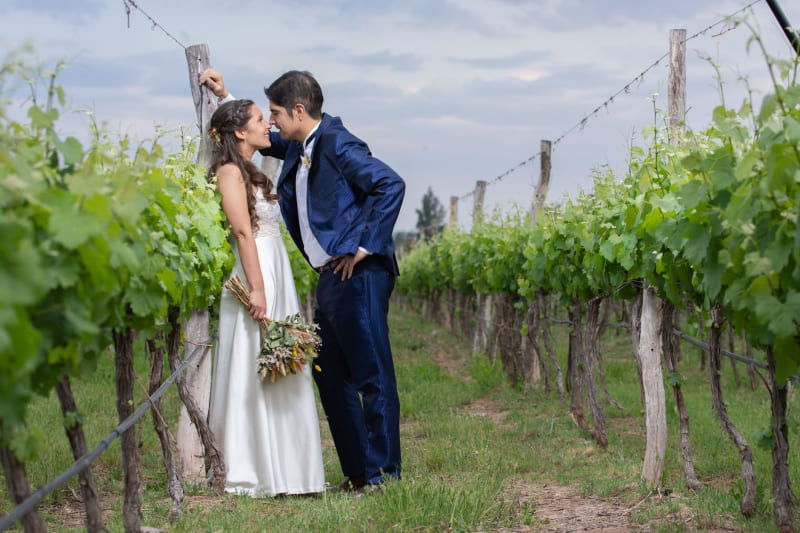 mendoza-wine
 San Rafael
Mendoza's southern wine district, 230 kilometres from the city, where Chenin Blanc and Tempranillo grow without an Instagram audience and the Diamante River canyon is an hour away.
Explore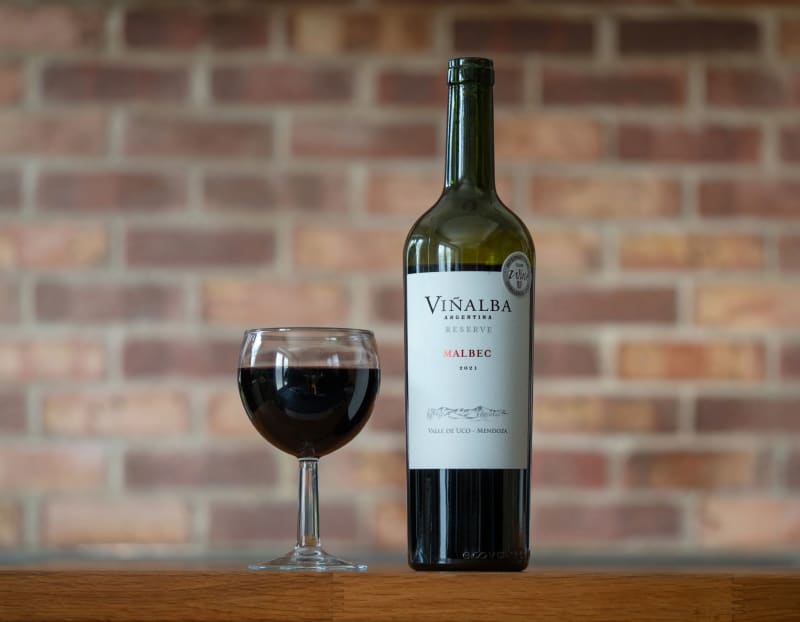 mendoza-wine
 Tunuyán
The commercial heart of the Uco Valley, where Clos de los Siete and a string of ambitious bodegas share valley floor with working farms and gaucho culture.
Explore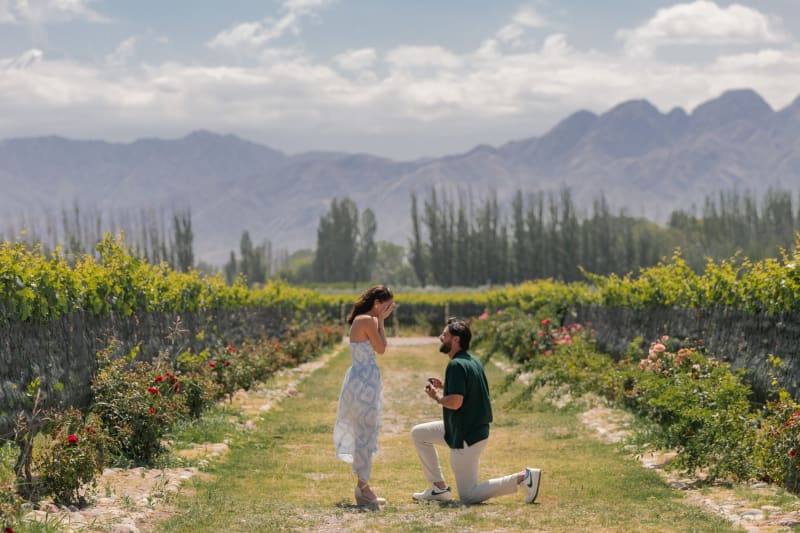 mendoza-wine
 Tupungato
The northern extreme of the Uco Valley, where vineyards push toward 1,500 metres and the volcano of the same name fills the entire western sky.
Explore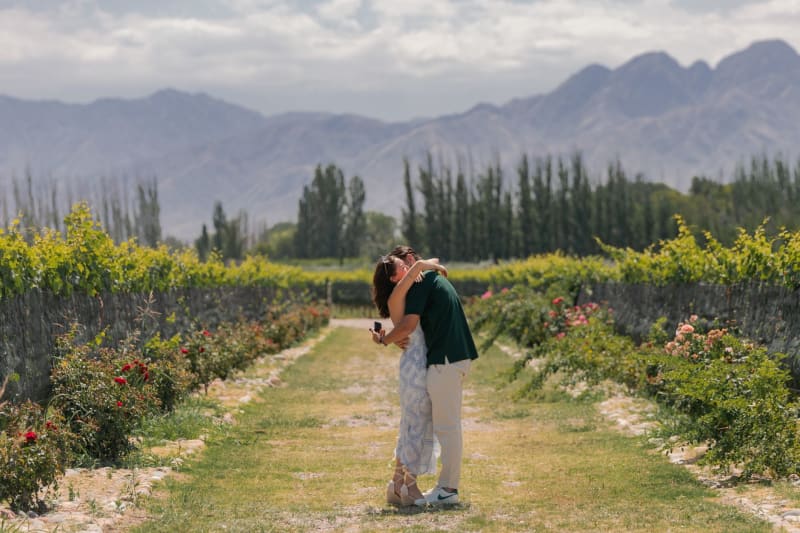 mendoza-wine
 Uco Valley
High-altitude wine country at the foot of the Andes where the Tupungato volcano watches over vineyards that produce Malbec unlike any other on earth.
Explore mendoza-wine
 Vista Flores
A tiny Uco Valley hamlet where boutique wineries sit among poplar-lined roads with the snow-capped Andes as a constant backdrop.
Explore